Astilbe ‘White Gloria’ (Arendsii Hybrid): A Complete Guide to Growing and Caring for Astilbe
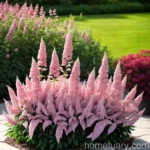
The Astilbe ‘White Gloria’ (Arendsii Hybrid) is a stunning perennial plant known for its elegant plumes of feathery white flowers. As a plant scientist, I am excited to delve into the world of Astilbe ‘White Gloria’ and share everything you need to know about its cultivation, care, and uses.
What is Astilbe ‘White Gloria’ (Arendsii Hybrid)?
The Astilbe ‘White Gloria’ (Arendsii Hybrid) is a member of the Saxifragaceae family and is native to Asia and North America. This herbaceous perennial is valued for its attractive, fern-like foliage and showy, plume-like flowers that bloom in various colors, including white, pink, and red. The ‘White Gloria’ variety is revered for its pure white blossoms, adding a touch of elegance and serenity to any garden or landscape.
Key Takeaways – Astilbe ‘White Gloria’ (Arendsii Hybrid)
Before diving into the details of growing and caring for Astilbe ‘White Gloria,’ let’s outline the key takeaways for easy reference:
- Plant Name: Astilbe ‘White Gloria’ (Arendsii Hybrid)
- Plant Type: Herbaceous Perennial
- Blossom Color: White
- Foliage: Fern-like, Green
- Sunlight: Partial Shade to Full Shade
- Soil Type: Moist, Well-Draining
- USDA Hardiness Zones: 4-8
- Mature Height: 20-24 inches
- Bloom Time: Early to Midsummer
Now, let’s delve deeper into the cultural requirements, uses, and maintenance aspects of this exquisite plant.
Culture
Uses
The Astilbe ‘White Gloria’ (Arendsii Hybrid) holds several versatile uses, making it a valuable addition to garden landscapes and designs. Some common uses include:
- As a Border Plant: The compact size and elegant blooms of ‘White Gloria’ make it an excellent choice for border plantings, adding a touch of refined beauty to garden edges and walkways.
- In Woodland Gardens: Due to its partial to full shade preference and the naturalistic appeal of its growth habit, ‘White Gloria’ thrives in woodland garden settings, complementing ferns and other shade-loving plants.
- For Cut Flowers: The feathery blooms of Astilbe ‘White Gloria’ make a charming addition to floral arrangements, adding a delicate and graceful touch to indoor displays.
Water
Adequate moisture is essential for the optimal growth and flowering of Astilbe ‘White Gloria.’ Consistent watering is especially crucial during the establishment period and in dry spells to prevent the soil from drying out. A 1-2 inch layer of mulch around the plant can help retain soil moisture, contributing to its overall health and vigor.
Sunlight
One of the defining characteristics of Astilbe ‘White Gloria’ is its preference for partial to full shade. While it can tolerate some morning sun, it generally thrives in locations with dappled shade or filtered light. Planting ‘White Gloria’ in areas with excessive sun exposure can lead to leaf scorch and reduced flowering.
Fertilizer
Fertilizing Astilbe ‘White Gloria’ can support its growth and flowering capabilities. Apply a balanced, slow-release fertilizer in early spring or incorporate organic matter into the soil to provide essential nutrients. Avoid excessive nitrogen as it can promote lush foliage at the expense of flowering.
Soil
The ideal soil for growing Astilbe ‘White Gloria’ is moist, humus-rich, and well-draining. It thrives in soils with a slightly acidic to neutral pH. Amending the soil with organic matter, such as compost or well-rotted manure, can enhance its moisture retention and fertility, creating a conducive environment for the plant to flourish.
Pruning
Pruning plays a vital role in maintaining the health and aesthetic appeal of Astilbe ‘White Gloria.’ Here are some essential pruning tips:
- Deadheading: Removing spent flowers can prolong the blooming period and prevent the plant from expending energy on seed production.
- Thinning: In early spring, thin out any overcrowded or damaged stems to improve air circulation and reduce the risk of disease.
- Late Winter Cleanup: In late winter or early spring, remove any dead or decayed foliage to promote fresh, healthy growth.
Propagation
Astilbe ‘White Gloria’ can be propagated through dividing established clumps, typically in early spring or early fall when the plant is not in active growth. Here are the basic steps for successful division and propagation:
- Carefully dig up the plant, ensuring the root system remains intact.
- Gently separate the clumps into smaller sections, ensuring each division has viable roots and several buds.
- Replant the divisions at the appropriate spacing, ensuring they are adequately watered and mulched to retain moisture.
Container Popularity
The compact size and ornamental beauty of Astilbe ‘White Gloria’ make it well-suited for container gardening. When selecting a container, choose one with adequate drainage holes and use a high-quality, well-draining potting mix. Position the container in a shaded area and ensure consistent moisture to maintain the plant’s health and vitality.
Common Diseases
While Astilbe ‘White Gloria’ is relatively resistant to diseases, it can be susceptible to certain issues under unfavorable growing conditions. Some common diseases to watch for include:
- Powdery Mildew: This fungal disease manifests as a white, powdery coating on the foliage, typically due to poor air circulation and high humidity. Selecting disease-resistant cultivars and providing adequate spacing can mitigate the risk of powdery mildew.
- Leaf Spot: Leaf spot diseases can cause dark, irregular lesions on the foliage, impacting the plant’s overall vigor. Pruning affected foliage and avoiding overhead watering can help prevent the spread of leaf spot.
Disease Diagnosis
Diagnosing diseases in Astilbe ‘White Gloria’ primarily involves careful observation of the plant’s foliage and overall health. Look for characteristic symptoms such as abnormal discoloration, spots, or powdery coatings on the leaves. If you suspect a disease issue, promptly isolate the affected plant to prevent the spread to other specimens and implement appropriate cultural and, if necessary, chemical control measures.
Common Pests
While Astilbe ‘White Gloria’ is generally resistant to pest infestations, there are a few common pests to be mindful of:
- Slugs and Snails: These voracious feeders can cause significant damage to the foliage of ‘White Gloria.’ Implementing physical barriers and employing organic slug and snail control methods can help protect the plants.
- Spider Mites: In hot, dry conditions, spider mites can target Astilbe, causing stippling and webbing on the leaves. Regularly inspecting the undersides of the foliage and employing natural predators like predatory mites can aid in controlling their population.
Botanist’s Tips
As a plant scientist, I have several tips to offer for successfully growing and caring for Astilbe ‘White Gloria’:
- Adequate Moisture: Ensure consistent moisture levels, especially during the hot summer months, by providing regular watering and maintaining a layer of mulch around the plant.
- Partial Shade Preference: Plant ‘White Gloria’ in areas with dappled shade or filtered light to ensure its foliage and flowers remain vibrant and healthy.
- Healthy Soil: Amend the soil with organic matter to enhance its fertility and moisture retention, creating an optimal growing environment for the plant.
- Pruning Practices: Regular deadheading and pruning can promote prolonged flowering and maintain the plant’s overall vigor and appearance.
Fun Facts
To add some intrigue and fascination to the discussion, here are a few fun facts about Astilbe ‘White Gloria’:
- The name “Astilbe” is derived from the Greek words “a” (meaning without) and “stilbe” (meaning brightness), alluding to the plant’s preference for shade and its bright plume-like flowers.
- Astilbe is commonly known as “false spirea,” drawing parallels to the spirea shrub due to its feathery inflorescences.
Links to External Resources
For further exploration of Astilbe ‘White Gloria’ (Arendsii Hybrid) and related topics, the following external resources provide valuable information and insights:
- Royal Horticultural Society – Astilbe
- University of Vermont Extension Department of Plant and Soil Science – Astilbe Production and Marketing
- The American Phytopathological Society – Astilbe Diseases
- University of Minnesota Extension – Growing Hostas and Astilbes
By exploring these resources, you can gain a comprehensive understanding of Astilbe ‘White Gloria’ and its place in horticulture and landscaping.
In conclusion, Astilbe ‘White Gloria’ (Arendsii Hybrid) stands as a captivating and versatile perennial plant, boasting elegant white plumes and a penchant for shaded environments. By following the recommended cultural practices and care guidelines, you can cultivate a thriving display of ‘White Gloria’ in your garden, imparting a sense of tranquility and sophistication to the landscape. I hope this complete guide provides you with the knowledge and inspiration to embark on a rewarding journey of growing and caring for Astilbe ‘White Gloria.’
Thank you for joining me in this exploration of a remarkable plant species, and may your gardening endeavors be filled with beauty and abundance.