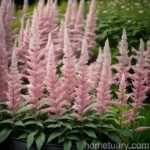
All About Astilbe ‘Snowdrift’: A Comprehensive Guide for Plant Lovers
Welcome to our comprehensive guide on astilbe, specifically the Astilbe ‘Snowdrift’ variety. In this blog post, we will dive deep into the key aspects of the astilbe plant, focusing on its culture, uses, care, and maintenance. Whether you’re a seasoned gardener or a newcomer to the world of plants, this guide will equip you with the knowledge and skills to nurture and appreciate the beauty of astilbe ‘Snowdrift’.
What is Astilbe?
Astilbe, commonly known as false spirea, is a genus of herbaceous perennials cherished for their stunning, feathery plumes of flowers and attractive, fern-like foliage. Belonging to the Saxifragaceae family, astilbe species are native to Asia and North America, where they thrive in moist woodland areas and along stream banks.
Astilbe ‘Snowdrift’, in particular, is a cultivar renowned for its snow-white, densely packed flower clusters, which emerge above deep green, glossy foliage. This variety is prized for its elegant appearance and its ability to brighten up shaded garden spots.
Key Takeaways – Astilbe ‘Snowdrift’
Before we delve into the details of growing and caring for Astilbe ‘Snowdrift’, let’s outline some key takeaways about this beautiful plant:
- Scientific Name: Astilbe ‘Snowdrift’
- Common Name: Snowdrift Astilbe
- Plant Type: Herbaceous Perennial
- Bloom Time: Late Spring to Early Summer
- Mature Size: 24-36 inches in height and 18-24 inches in spread
- Exposure: Partial to Full Shade
- Soil Type: Moist, Well-Draining Soil
- USDA Hardiness Zones: 4-8
- Landscape Uses: Shade Gardens, Woodland Borders, Containers
- Special Features: Deer Resistant, Attracts Pollinators, Low Maintenance
Now that we’ve established a basic understanding of astilbe ‘Snowdrift’, let’s explore the essential elements of nurturing this captivating plant.
Culture
Cultivating astilbe ‘Snowdrift’ involves paying attention to several crucial factors. From planting to maintenance, understanding the cultural requirements of the plant is essential for ensuring its optimal growth and blooming potential.
Planting
- Location: Choose a shaded or partially shaded location in your garden for planting astilbe ‘Snowdrift’. It thrives in areas with dappled sunlight or where it receives morning sun and afternoon shade.
- Soil Preparation: Prepare the soil by incorporating organic matter, such as compost or well-rotted manure, to improve moisture retention and fertility. Astilbe prefers slightly acidic to neutral soil with a pH range of 5.5 to 7.0.
- Planting Depth: When planting bare-root astilbe, ensure that the crowns are positioned at the soil surface. For potted plants, match the soil level of the pot with the surrounding garden soil.
- Spacing: Space astilbe plants approximately 18-24 inches apart to allow for adequate air circulation and prevent overcrowding.
Water
- Moisture Needs: Astilbe ‘Snowdrift’ has high moisture requirements and thrives in consistently moist soil. Regular watering is crucial, especially during dry spells or in regions with limited rainfall. Apply mulch around the plants to help retain soil moisture and suppress weed growth.
Sunlight
- Light Requirements: While astilbe ‘Snowdrift’ prefers shaded conditions, it can tolerate some morning sun or filtered light. Avoid planting it in locations that receive direct, intense sunlight for prolonged periods, as this can scorch the leaves and diminish its overall vigor.
Fertilizer
- Fertilization: Apply a balanced, slow-release fertilizer in early spring as new growth emerges. Alternatively, use a water-soluble, organic fertilizer formulated for flowering perennials. Follow the package instructions for application rates and frequency, and avoid over-fertilizing to prevent excessive foliage growth at the expense of flower production.
Soil
- Soil Preferences: Astilbe ‘Snowdrift’ thrives in organically-rich, well-draining soil with good moisture retention capacity. Amending the soil with organic matter, such as compost or peat moss, can enhance its structure and fertility, creating an optimal growing environment for the plant.
Pruning
Pruning astilbe ‘Snowdrift’ is a relatively straightforward task that primarily involves cleanup and maintenance to encourage healthy growth and prolific blooming. Here are some essential pruning tips for astilbe:
- Spring Clean-Up: Remove any remaining dried or withered foliage from the previous growing season to allow new shoots to emerge unimpeded.
- Deadheading: After the flowering period, deadhead the spent blooms to promote a tidy appearance and redirect the plant’s energy towards foliage growth and root development.
- Division: Every 3-4 years, consider dividing mature astilbe clumps to maintain their vigor and rejuvenate the plant. Spring or early fall is an ideal time for division, enabling the divided segments to establish before the onset of harsh weather.
Propagation
Astilbe ‘Snowdrift’ can be propagated through various methods, allowing you to expand your astilbe collection or share the beauty of this plant with fellow gardening enthusiasts. Here are the primary methods of propagating astilbe:
- Division: Divide established clumps in early spring or early fall, ensuring that each division has several healthy shoots and a portion of the root system. Transplant the divisions to their new locations promptly and provide adequate care to support their establishment.
- Seed Sowing: Collecting and sowing astilbe seeds is another viable propagation method. Harvest the seeds from mature flowerheads and sow them in trays or pots filled with a well-draining seed starting mix. Place the containers in a sheltered location with indirect light and maintain consistent moisture levels until the seedlings emerge.
Container Popularity
Astilbe ‘Snowdrift’ holds significant appeal for container gardening enthusiasts due to its suitability for shaded or partially shaded outdoor spaces and its low-maintenance nature. When selecting containers for growing astilbe ‘Snowdrift’, prioritize options that provide ample room for root development and have drainage holes to prevent waterlogging.
Common Diseases and Pest Control
Despite its overall resilience, astilbe ‘Snowdrift’ can be susceptible to certain diseases and pests that can affect its health and appearance. Understanding these potential issues and taking proactive measures is essential for safeguarding the well-being of your plants. Here are common diseases and pests that may impact astilbe:
Common Diseases
- Powdery Mildew: A fungal disease that manifests as powder-like white patches on the foliage. To prevent powdery mildew, ensure proper air circulation around the plants, maintain adequate spacing, and avoid overhead watering. Fungicidal sprays may be used for management in severe cases.
- Leaf Blight: This disease is characterized by dark, irregular lesions on the foliage, often leading to leaf discoloration and defoliation. Remove and destroy affected plant material and consider applying fungicidal treatments to prevent further spread.
Pest Control
- Snails and Slugs: These pests can cause significant damage to astilbe foliage, particularly in moist, shady conditions. Employ physical barriers, such as copper tape or diatomaceous earth, to deter their movement, or use organic baits to minimize their population.
Botanist’s Tips for Growing Astilbe ‘Snowdrift’
To ensure the success of your astilbe ‘Snowdrift’ cultivation endeavors, consider the following botanist’s tips:
- Mulch Application: Apply a layer of organic mulch, such as shredded bark or leaf mold, around astilbe plants to conserve soil moisture, suppress weed growth, and insulate the root zone from temperature extremes.
- Seasonal Care: Monitor the moisture levels in the soil during hot, dry periods and provide supplemental watering as needed to sustain the plants. Additionally, conduct a thorough inspection for signs of disease or pest infestation to address issues promptly.
- Companion Planting: Pair astilbe ‘Snowdrift’ with complementary shade-loving plants, such as hostas, ferns, and heucheras, to create visually appealing and harmonious garden compositions.
Fun Facts About Astilbe ‘Snowdrift’
Who doesn’t love learning intriguing facts about their favorite plants? Here are some fun and fascinating tidbits about astilbe ‘Snowdrift’:
- The name “astilbe” is derived from the Greek words “a” and “stilbe,” meaning “without” and “brightness,” alluding to the fact that the plant’s seeds do not possess bright appendages.
- Though commonly associated with shaded gardens, certain astilbe varieties can tolerate sunnier conditions when provided with adequate moisture.
- Astilbe flowers are valued for their ability to attract pollinators, including butterflies and bees, contributing to the ecological diversity of garden spaces.
Now that we’ve covered the essential aspects of growing and caring for astilbe ‘Snowdrift’, let’s explore some external resources that provide additional insights and guidance on this captivating plant.
Links to External Resources
For further exploration of astilbe ‘Snowdrift’ and related topics, consider consulting the following external resources:
- The American Horticultural Society’s Guide to Growing Astilbe
- Royal Horticultural Society’s Advice on Astilbe Cultivation
- University of Minnesota Extension’s Resource on Perennials for Shade
With this comprehensive guide at your disposal, you are well-equipped to embark on a rewarding journey of cultivating and enjoying the allure of astilbe ‘Snowdrift’. Whether you’re envisioning a serene shade garden or seeking to enhance your existing landscape with delicate, airy blooms, astilbe ‘Snowdrift’ is sure to captivate your heart and inspire your gardening pursuits. Happy gardening!