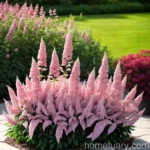
Astilbe ‘Rheinland’ (Japonica Hybrid): A Gorgeous Perennial for Shade Gardens
What is Astilbe ‘Rheinland’ (Japonica Hybrid)?
Astilbe ‘Rheinland’ is a popular flowering perennial known for its stunning plume-like flowers and attractive, fern-like foliage. This cultivar is a member of the Japonica Hybrid group, which is a crossbreed between the Astilbe chinensis and Astilbe astilboides species. Astilbe ‘Rheinland’ is prized for its elegant, feathery blooms that brighten up shaded areas in gardens. It is a versatile plant and can be used in various landscaping and gardening applications, making it a favorite among gardeners and landscapers.
This blog post will provide comprehensive information on the culture, uses, and care requirements of Astilbe ‘Rheinland’, offering valuable insights for enthusiasts and aspiring gardeners.
Key Takeaways – Astilbe ‘Rheinland’ (Japonica Hybrid)
Before delving into the specifics of Astilbe ‘Rheinland’ care, it is essential to understand the key takeaways associated with this exquisite plant. Here are some important points to keep in mind:
- Astilbe ‘Rheinland’ is a Japonica Hybrid, prized for its delicate and abundant flower spikes.
- It is a perennial plant, offering long-lasting beauty in shaded garden areas.
- This cultivar is known for its tolerance to shade and preference for consistently moist soil.
- Astilbe ‘Rheinland’ is a popular choice for adding color and texture to woodland gardens, borders, and containers.
- Understanding its water, sunlight, fertilizer, soil, and pruning requirements is crucial for cultivating healthy and vibrant Astilbe ‘Rheinland’ specimens.
Now, let’s explore the various aspects of caring for and utilizing this beautiful plant.
Culture
The culture of Astilbe ‘Rheinland’ encompasses its overall growth habits, landscape uses, and care practices. By understanding the plant’s cultural requirements, enthusiasts can ensure its optimal health and visual appeal.
Growth Habits
Astilbe ‘Rheinland’ exhibits several distinct growth habits that contribute to its overall charm and appeal in garden settings:
-
Foliage: The plant features attractive, fern-like foliage that emerges in mounds from the ground. The leaves are often deeply divided and provide an elegant backdrop for the vibrant flower spikes that later develop.
-
Flower Spikes: One of the most distinctive features of Astilbe ‘Rheinland’ is its impressive flower spikes. These feathery plumes rise above the foliage, creating a delightful visual display and contributing to the plant’s unique appeal.
-
Height: Depending on the specific growing conditions, Astilbe ‘Rheinland’ typically reaches a height of around 18 to 24 inches, making it an excellent choice for mid-border or container plantings.
Landscape Uses
The versatility of Astilbe ‘Rheinland’ allows it to be incorporated into various landscape settings, offering both aesthetic and functional benefits:
-
Woodland Gardens: Due to its shade tolerance and preference for moist soil, Astilbe ‘Rheinland’ is an ideal addition to woodland gardens. It adds pops of color and texture to these naturalistic settings, complementing other shade-loving plants.
-
Borders and Edges: Planted along borders or garden edges, Astilbe ‘Rheinland’ creates soft, lush borders and enhances the visual interest of garden pathways.
-
Container Gardens: This cultivar can be grown in containers, allowing gardeners to bring its beauty to shaded patios, balconies, and outdoor living spaces.
-
Rock Gardens: While Astilbe ‘Rheinland’ typically prefers moist conditions, it can thrive in rock gardens that feature consistent moisture and dappled shade. Its striking appearance adds an element of elegance to these rugged landscapes.
Care Practices
Caring for Astilbe ‘Rheinland’ involves meeting its specific requirements for sunlight, water, soil, and maintenance to ensure vigorous growth and abundant flowering:
-
Sunlight: While Astilbe ‘Rheinland’ thrives in shaded environments, it benefits from receiving some morning sun or filtered light. Partial shade to full shade conditions are optimal for this plant.
-
Water: Adequate moisture is critical for the health of Astilbe ‘Rheinland’. Regular watering, especially during dry periods, helps maintain the soil’s moisture levels and supports robust growth.
-
Soil: The plant thrives in rich, well-draining soil that retains moisture without becoming waterlogged. Amending the soil with organic matter can enhance its moisture retention capabilities.
-
Fertilization: Applying a balanced, slow-release fertilizer in the spring can provide the necessary nutrients for Astilbe ‘Rheinland’, promoting healthy foliage and prolific flowering.
-
Pruning: Removing faded flower spikes and any yellowing or damaged foliage helps maintain the plant’s neat appearance and encourages the development of new growth.
Now that we have explored the cultural aspects of Astilbe ‘Rheinland’, let’s delve into its specific uses and applications in garden settings.
Uses
Astilbe ‘Rheinland’ offers numerous uses in garden and landscaping designs, thanks to its elegant appearance and adaptability to different environments. Understanding these uses enables gardeners to make informed decisions when incorporating the plant into their outdoor spaces.
Garden Design
In garden design, the striking characteristics of Astilbe ‘Rheinland’ make it a versatile and valuable addition to various garden styles:
-
Shade Gardens: The plant’s preference for shade and moist soil makes it an excellent choice for shaded gardens. It contributes vibrant colors and interesting textures to these cool, tranquil spaces.
-
Woodland Settings: Astilbe ‘Rheinland’ thrives in woodland settings, where it adds visual appeal and contrasts beautifully with native trees, shrubs, and understory plants.
-
Mixed Borders: Planting Astilbe ‘Rheinland’ in mixed borders alongside other perennials and shrubs creates visually engaging and diverse plantings that evolve throughout the seasons.
Floral Arrangements
The feathery flower spikes of Astilbe ‘Rheinland’ make it a sought-after choice for cut flower arrangements, providing a touch of elegance and softness to floral displays. Its blooms are often used in both fresh and dried arrangements, adding texture and visual interest to bouquets.
Container Gardening
Astilbe ‘Rheinland’ is well-suited for container gardening, allowing individuals to enjoy its beauty and charm on patios, balconies, and other outdoor spaces with limited planting areas. Incorporating this perennial into containers alongside complementary plants can create visually captivating displays.
Focal Points and Accents
In garden landscapes, Astilbe ‘Rheinland’ serves as a captivating focal point due to its colorful and airy flower spikes. Placing it strategically in garden beds or near outdoor seating areas draws attention and adds a touch of whimsy to the surroundings.
By understanding the various uses of Astilbe ‘Rheinland’, gardeners can harness its versatility and appeal to enhance the visual impact of their outdoor spaces. Now, let’s delve into the specific care requirements for successfully growing and maintaining this beloved perennial.
Care
Caring for Astilbe ‘Rheinland’ involves addressing its specific needs related to water, sunlight, fertilizer, soil, pruning, and propagation. By implementing appropriate care practices, gardeners can ensure the health and vitality of this stunning plant.
Water
Maintaining consistent soil moisture is crucial for the successful growth of Astilbe ‘Rheinland’. Follow these guidelines to ensure proper watering:
-
Regular Watering: Provide regular watering, especially during dry periods, to keep the soil consistently moist. Avoid allowing the soil to dry out completely, as this can hinder the plant’s growth and flowering.
-
Mulching: Applying a layer of organic mulch around the base of the plant helps retain soil moisture and regulates temperature fluctuations, promoting optimal growing conditions for Astilbe ‘Rheinland’.
Sunlight
Astilbe ‘Rheinland’ thrives in shaded environments, and understanding its sunlight requirements is key to its successful cultivation:
- Partial to Full Shade: Plant Astilbe ‘Rheinland’ in locations with partial to full shade, where it can benefit from filtered light or dappled sunlight. Avoid placing it in areas with intense, direct sun exposure, as this can lead to leaf scorch and diminished flowering.
Fertilizer
Providing the necessary nutrients through proper fertilization supports the overall health and vigor of Astilbe ‘Rheinland’:
-
Balanced Fertilizer: Use a balanced, slow-release fertilizer formulated for flowering perennials. Apply the fertilizer in the spring, following the package instructions for proper dosage and application methods.
-
Organic Amendments: Incorporating organic matter into the soil when planting or during the growing season enhances the soil’s fertility and helps maintain a conducive environment for Astilbe ‘Rheinland’.
Soil
The soil requirements of Astilbe ‘Rheinland’ play a significant role in its growth and blooming capabilities:
-
Well-Draining Soil: Plant the Astilbe in rich, moist soil that offers good drainage. Amending the soil with compost or peat moss can improve its texture and moisture retention capacity.
-
pH Level: Aim for a slightly acidic to neutral soil pH, ideally ranging from 6.0 to 7.0. Conducting a soil test can provide valuable insights into the soil’s pH and nutrient levels.
Pruning
Proper pruning practices help maintain the tidy appearance of Astilbe ‘Rheinland’ and encourage the development of new growth:
-
Flower Removal: Once the flower spikes fade, promptly remove them to prevent seed formation and promote the emergence of new blooms. Trim the spike down to basal foliage to maintain the plant’s aesthetic appeal.
-
Foliage Maintenance: Periodically inspect the foliage for any yellowing or damaged leaves and remove them to boost the plant’s overall health and appearance.
Propagation
Astilbe ‘Rheinland’ can be propagated through various methods, allowing gardeners to expand their plant collection or share specimens with fellow enthusiasts:
-
Division: Divide mature clumps of Astilbe ‘Rheinland’ in early spring or fall to create new plants. Ensure that each division has several healthy shoots and a portion of the root system for successful establishment.
-
Seed Propagation: While less commonly practiced, propagating Astilbe ‘Rheinland’ from seeds can be an exciting and rewarding endeavor. Collect mature seeds in the fall and sow them in a prepared seed-starting mix for germination.
By adhering to these care guidelines, gardeners can foster the growth and development of thriving Astilbe ‘Rheinland’ specimens, ultimately enjoying the beauty of its captivating blooms and foliage. Now, let’s explore some additional insights and tips for growing and maintaining this delightful perennial.
Botanist’s Tips
As a plant scientist with a passion for perennials, I have gathered valuable insights and tips for cultivating and appreciating Astilbe ‘Rheinland’. These tips aim to support gardeners in achieving success with this perennial favorite:
-
Consistent Moisture: Given Astilbe ‘Rheinland’s preference for moist soil, prioritize regular watering and mulching to maintain an environment conducive to its growth.
-
Selective Pruning: When pruning Astilbe ‘Rheinland’, exercise care and precision to avoid damaging emerging buds and new growth. Prune faded flower spikes and foliage with attentiveness to encourage the plant’s healthy development.
-
Healthy Soil: Prioritize soil quality by incorporating organic matter to enhance fertility and moisture retention. Conduct soil tests to assess pH levels and nutrient content, making any necessary amendments for optimal growing conditions.
-
Division Timing: When dividing Astilbe ‘Rheinland’, choose early spring or fall, aiming for cooler temperatures and favorable conditions for root establishment.
-
Companion Planting: Consider pairing Astilbe ‘Rheinland’ with complementary shade-loving plants, such as Hosta, Heuchera, and Ferns, to create visually engaging and harmonious garden compositions.
-
Winter Protection: In regions with harsh winter conditions, provide a layer of mulch or organic material around the base of Astilbe ‘Rheinland’ to insulate the roots and protect them from freezing temperatures.
By incorporating these botanical tips into their gardening practices, enthusiasts can nurture thriving Astilbe ‘Rheinland’ specimens and create captivating landscape arrangements that highlight the plant’s unique attributes. Now, let’s delve into some fun facts about this charming Japonica Hybrid.
Fun Facts
Exploring the fun and intriguing aspects of Astilbe ‘Rheinland’ adds depth to the appreciation of this beloved perennial, offering unique insights and trivia for enthusiasts and curious minds alike:
-
Butterfly Magnet: The feathery blooms of Astilbe ‘Rheinland’ serve as a magnet for butterflies, attracting these delicate and enchanting pollinators to garden spaces.
-
Long-Lasting Blooms: The flower spikes of Astilbe ‘Rheinland’ boast a prolonged blooming period, providing enduring beauty and interest in shaded garden areas throughout the summer months.
-
Deer-Resistant: This Japonica Hybrid cultivar exhibits resistance to deer, making it a valuable addition to gardens in areas frequented by these browsing animals.
-
Asian Origin: The Astilbe genus originates from Asia, where it thrives in the cool, shaded forest habitats prevalent in the region.
-
Landscape Elegance: Astilbe ‘Rheinland’ is celebrated for its ability to infuse elegance and charm into garden landscapes, captivating the eye with its delightful blooms and lush foliage.
-
Historical Significance: The Astilbe plant was first introduced to the Western world in the 19th century and has since ascended to prominence as a cherished perennial in gardens across the globe.
By embracing these fun facts, gardeners and enthusiasts can cultivate a deeper appreciation for Astilbe ‘Rheinland’ and its captivating presence in garden landscapes. Now, let’s direct our attention to some additional resources and references for further exploration of this beloved Japonica Hybrid.
Links to External Resources
- American Society for Horticultural Science
- Royal Horticultural Society
- University of Minnesota Extension – Gardening Information
- Missouri Botanical Garden
- The Plant List
- Astilbe ‘Rheinland’ at Plant Finder
- Garden Design Magazine
- National Gardening Association
- Gardeners’ World Magazine
These reputable resources offer a wealth of information and insights for enthusiasts seeking to expand their knowledge of gardening, perennials, and horticultural practices. Exploring these references can provide valuable guidance and inspiration for incorporating Astilbe ‘Rheinland’ into diverse garden settings and landscape designs.
In conclusion, Astilbe ‘Rheinland’ (Japonica Hybrid) stands out as a captivating and versatile perennial, cherished for its delicate blooms, graceful foliage, and adaptability to shaded environments. By embracing its cultural requirements, uses, and care practices, gardeners can cultivate thriving Astilbe ‘Rheinland’ specimens and create enchanting garden displays that celebrate the plant’s unique attributes.
With a commitment to providing the optimal conditions for growth and development, this beloved Japonica Hybrid perennial can continue to enchant and inspire garden enthusiasts and landscape designers, adding a touch of elegance and whimsy to outdoor spaces for years to come.
I hope this comprehensive guide has equipped you with the knowledge and inspiration needed to embark on a rewarding journey of cultivating Astilbe ‘Rheinland’ and exploring the delightful world of shade-loving perennials.
Happy gardening!