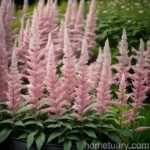
Chinese Astilbe (Astilbe chinensis var. taquetii ‘Superba’): A Plant Scientist’s Comprehensive Guide
Plants have always held a special place in human societies, serving as sources of food, shelter, and beauty. One such captivating plant is the Chinese astilbe (Astilbe chinensis var. taquetii ‘Superba’), renowned for its stunning foliage and gracefully cascading flowers. As a plant scientist, I’m excited to delve into the world of Chinese astilbe, exploring its cultivation, care, and various uses. Join me as we unravel the secrets of this enchanting plant.
What is the Chinese Astilbe?
Introduction to Astilbe chinensis var. taquetii ‘Superba’
Chinese astilbe, scientifically known as Astilbe chinensis var. taquetii ‘Superba’, is a captivating perennial plant that hails from the Saxifragaceae family. With its delicate, feathery plumes of flowers and lush, fern-like foliage, it’s a popular choice for gardens, landscapes, and even container gardening.
This mesmerizing plant is famed for its remarkable adaptability to shade, making it a sought-after addition to shaded garden beds and woodland settings. Whether used as a focal point in a garden, a border plant, or an accent in a woodland-themed landscape, Chinese astilbe’s versatility knows no bounds.

Key Takeaways
Before we embark on our exploration of Chinese astilbe, let’s summarize some key takeaways that we’ll be addressing in this comprehensive guide.
Chinese Astilbe (Astilbe chinensis var. taquetii ‘Superba’) – Key Takeaways
- Plant Name: Chinese Astilbe (Astilbe chinensis var. taquetii ‘Superba’)
- Family: Saxifragaceae
- Common Name: Taquet’s Astilbe
- Type: Perennial
- Native Habitat: Asia
- Uses: Ornamental, landscaping, container gardening
- Key Features: Feathery plumes of flowers, fern-like foliage, shade tolerance
- Hardiness Zones: 4-9
- Blooming Period: Summer to early fall
- Growth Habits: Clump-forming, upright, spreading
- Water Requirements: Moist, well-draining soil
- Sunlight Needs: Partial to full shade
- Soil Preferences: Rich, humusy, acidic soil
- Maintenance: Low to moderate
Now that we have an overview of what to expect, let’s dive into the specifics of Chinese astilbe, covering its culture, uses, care, and maintenance.
Culture
Chinese Astilbe Cultivation and Landscape Uses
The cultivation and landscape uses of Chinese astilbe are as diverse as they are captivating. Let’s explore the cultural aspects and landscape applications of this stunning plant.
Chinese Astilbe Planting
When it comes to planting Chinese astilbe, a few key considerations can ensure its optimal growth and blooming. Here are some pointers to keep in mind:
Planting Considerations
- Ideal Planting Time: Spring or early fall
- Selecting a Planting Site: Choose a location with partial to full shade, away from harsh midday sun
- Soil Preparation: Ensure the soil is rich, moist, and well-draining; amend with organic matter if needed
- Plant Spacing: Space individual plants 18-24 inches apart to accommodate their mature spread
- Planting Depth: Set the root ball at the same depth as it was in the nursery container
- Mulching: Apply a layer of organic mulch around the plants to retain soil moisture and regulate temperature
By adhering to these guidelines, you can establish a strong foundation for healthy Chinese astilbe growth.
Chinese Astilbe Cultivation Considerations
- Watering: Maintain consistently moist soil, especially during periods of hot, dry weather
- Fertilization: Apply a balanced, slow-release fertilizer in spring, following package instructions
- Pruning: Remove spent flower stalks and dead foliage to promote tidy and vigorous growth
- Division: Every 3-4 years, divide mature clumps to rejuvenate the plant and propagate new specimens
Chinese Astilbe in Garden Design
Chinese astilbe’s striking foliage and elegant flowers make it an exquisite addition to garden designs. Whether used in shaded beds, woodland gardens, or as border plants, its visual appeal is unparalleled. Consider incorporating Chinese astilbe into the following garden design ideas:
Garden Design Ideas
- Woodland Gardens: Create a serene and naturalistic setting with the graceful presence of Chinese astilbe amidst ferns, hostas, and woodland wildflowers.
- Shade Gardens: Utilize the shade tolerance of Chinese astilbe to infuse life and color into otherwise dimly lit areas of the garden.
- Mixed Borders: Blend the airy beauty of Chinese astilbe with other perennials and shrubs to craft captivating mixed borders with seasonal interest.
By integrating Chinese astilbe into your garden designs, you can elevate the overall aesthetic and create captivating visual compositions.
Chinese Astilbe Container Gardening
For those with limited garden space or a penchant for container gardening, Chinese astilbe presents an enticing option for potted plant arrangements. Here are some insights into successfully growing Chinese astilbe in containers:
Container Planting Tips
- Container Selection: Opt for large, sturdy containers with drainage holes to accommodate the plant’s root system.
- Potting Mix: Use a well-draining, peat-based potting mix enriched with organic matter for adequate moisture retention.
- Placement: Position the containers in areas with partial to full shade, shielding them from direct sunlight and excessive heat.
- Watering: Monitor soil moisture closely and ensure consistent watering, especially during warm weather.
By embracing container gardening with Chinese astilbe, you can craft enchanting arrangements that bring joy and beauty to small outdoor spaces.
Uses
Chinese Astilbe: Ornamental and Landscaping Applications
The uses of Chinese astilbe extend beyond its captivating appearance, encompassing various ornamental and landscaping applications. Let’s delve into its diverse uses and ways to incorporate it into your outdoor spaces.
Chinese Astilbe in Landscaping
Chinese astilbe’s lush foliage and ethereal blooms make it a valuable asset in landscape design. Here’s how it can be employed to enhance the beauty and allure of various outdoor settings:
Landscaping Uses
- Shaded Gardens: Brighten up shady areas with the vibrant blooms and textured foliage of Chinese astilbe, enlivening underutilized spaces.
- Woodland Landscapes: Integrate Chinese astilbe into woodland-themed landscapes and create captivating vignettes amidst native trees and shrubs.
- Accent Plantings: Use Chinese astilbe as accent plants in border arrangements or to anchor mixed perennial garden beds with its unique texture and color.
By leveraging Chinese astilbe’s aesthetic qualities, landscapers and garden enthusiasts can introduce an element of elegance and charm into a wide range of outdoor environments.
Chinese Astilbe in Garden Design
In the realm of garden design, Chinese astilbe offers a wealth of possibilities for creating visually captivating and dynamic outdoor spaces. Here are some design considerations for using Chinese astilbe in garden settings:
Garden Design Applications
- Color Combinations: Pair different Chinese astilbe varieties with complementary flowering plants to create stunning color harmonies and visual interest.
- Texture and Form: Incorporate the feathery texture of Chinese astilbe foliage to add depth and dimension to garden compositions, juxtaposing it with broad-leaved plants for contrast.
- Focal Points: Use Chinese astilbe as focal points or specimen plants to draw attention and create compelling focal areas within the garden.
With strategic placement and thoughtful design, Chinese astilbe can transform garden spaces, infusing them with elegance, texture, and seasonal allure.
Chinese Astilbe in Container Gardening
The allure of Chinese astilbe extends to the realm of container gardening, where it serves as a versatile and visually striking component of potted plant arrangements. Consider the following applications for Chinese astilbe in container gardening:
Container Gardening Uses
- Shade-Loving Containers: Populate shaded patios, balconies, or outdoor seating areas with potted Chinese astilbe to bring life and color to dimly lit spaces.
- Mixed Containers: Combine Chinese astilbe with other shade-tolerant plants like ferns, hostas, and heucheras to create dynamic and visually captivating container compositions.
- Seasonal Displays: Incorporate Chinese astilbe into seasonal container displays, pairing it with other flowering plants for evolving arrangements throughout the year.
By embracing Chinese astilbe in container gardening, plant enthusiasts can extend their gardening prowess to confined spaces, introducing beauty and charm to otherwise overlooked areas.
Care
Chinese Astilbe: Essential Care Guidelines
Proper care is crucial for ensuring the health and vitality of Chinese astilbe plants. From water and sunlight requirements to fertilization and soil preferences, let’s unravel the essential care guidelines for nurturing these captivating perennials.
Watering Chinese Astilbe
A consistent and adequate water supply is essential for the well-being of Chinese astilbe, given its preference for moist soil conditions. Here’s an overview of the watering needs and best practices for Chinese astilbe care:
Watering Guidelines
- Moisture Requirements: Maintain consistently moist soil, especially during periods of active growth and flowering.
- Irrigation Frequency: Water Chinese astilbe regularly, particularly during dry spells and hot weather, to prevent soil from drying out.
- Avoid Waterlogging: While Chinese astilbe prefers moist conditions, it’s important to ensure proper drainage to prevent waterlogging, which can lead to root rot.
By prioritizing regular and adequate watering, gardeners can ensure that Chinese astilbe thrives and displays its lush foliage and abundant flowers throughout the growing season.
Sunlight Needs of Chinese Astilbe
Shade tolerance is a hallmark characteristic of Chinese astilbe, making it an ideal candidate for shaded and dappled light areas. Here’s an insight into the sunlight needs and best sun/shade conditions for Chinese astilbe:
Sunlight Requirements
- Optimal Light Conditions: Chinese astilbe thrives in partial to full shade, displaying its best growth and blooming in locations sheltered from harsh midday sun.
- Avoiding Direct Sunlight: Limit exposure to direct sunlight, as prolonged sun exposure can scorch the delicate foliage and compromise the plant’s vigor.
By providing the right balance of light and shade, gardeners can ensure that Chinese astilbe flourishes and exhibits its signature elegance in sheltered garden settings.
Fertilizing Chinese Astilbe
Fertilization plays a pivotal role in sustaining the healthy growth and blooming of Chinese astilbe, providing essential nutrients for its vitality. Here are recommendations for fertilizing Chinese astilbe:
Fertilization Guidelines
- Fertilizer Selection: Apply a balanced, slow-release fertilizer in spring, avoiding high-nitrogen formulations that can promote excessive foliage growth at the expense of flowers.
- Application Dosage: Follow the package instructions for the appropriate dosage and frequency of fertilization to prevent overfeeding or nutrient imbalances.
By providing targeted and balanced fertilization, gardeners can support robust growth and abundant flowering in Chinese astilbe, promoting a stunning visual display in the garden.
Soil Preferences for Chinese Astilbe
Chinese astilbe thrives in rich, humusy soils with good moisture retention and an acidic pH, thriving in environments reminiscent of its native woodland habitats. Here’s an overview of the ideal soil conditions for Chinese astilbe:
Soil Preferences
- Soil Type: Select well-draining, organic-rich soil for planting Chinese astilbe, amending heavy or sandy soils with organic matter to enhance texture and moisture retention.
- Soil pH: Aim for a slightly acidic soil pH range of 5.5-6.5 to mimic the plant’s natural habitat and promote nutrient uptake.
By catering to Chinese astilbe’s soil preferences, gardeners can establish an optimal growing environment, fostering vigorous growth and prolific flowering in these captivating perennials.
Pruning
Pruning and Maintenance of Chinese Astilbe
Pruning is an essential aspect of Chinese astilbe maintenance, promoting tidiness and vigor while enhancing the plant’s ornamental appeal. Let’s delve into the key practices and considerations for pruning Chinese astilbe.
Pruning Tips for Chinese Astilbe
Proper pruning helps maintain the aesthetic and health of Chinese astilbe, ensuring a tidy and vigorous display. Here’s a guide to pruning Chinese astilbe effectively:
Pruning Guidelines
- Deadheading: Remove spent flower stalks promptly to redirect the plant’s energy towards new growth and prevent self-seeding.
- Foliage Cleanup: Trim back discolored or damaged foliage as needed, maintaining the overall health and appearance of the plant.
- Seasonal Cleanup: Conduct a comprehensive cleanup of the plant in late fall or early spring, cutting back old foliage to make way for new growth.
By adhering to these pruning guidelines, gardeners can promote the vitality and visual allure of Chinese astilbe, ensuring that it remains a standout feature in the garden throughout the seasons.
Propagation
Propagation of Chinese Astilbe
While Chinese astilbe is a long-lived perennial, gardeners may wish to propagate new plants to expand their collection or share with fellow enthusiasts. Let’s explore the propagation methods and considerations for Chinese astilbe.
Propagation Methods
Chinese astilbe can be propagated through several methods, including division and seed sowing. Here’s an overview of the propagation techniques commonly used for Chinese astilbe:
Division
- Division Timing: Divide mature clumps of Chinese astilbe in early spring to coincide with the onset of active growth.
- Division Process: Carefully dig up the plant and use a sharp knife or garden spade to separate the clumps into sections, ensuring each division has healthy roots and viable growing points.
- Transplanting: Replant the divisions in prepared soil, ensuring adequate moisture and protection from direct sunlight during the establishment period.
By employing division as a propagation method, gardeners can rejuvenate mature plants, create new specimens, and share the beauty of Chinese astilbe with others.
Container Propagation
As an alternative to traditional division, container propagation offers a controlled and convenient method for multiplying Chinese astilbe plants. Here’s a simplified approach to propagating Chinese astilbe in containers:
Container Propagation Steps
- Container Selection: Choose appropriately sized containers with good drainage to accommodate individual divisions or seedlings.
- Potting Mix: Fill the containers with a well-draining, moisture-retentive potting mix, providing an optimal medium for new plant growth.
- Division or Seed Planting: Plant divisions or seeds at the appropriate depth, ensuring good soil contact and consistent moisture for successful establishment.
By venturing into container propagation, gardeners can multiply their Chinese astilbe collection and enjoy the rewarding process of nurturing new plants from division or seed.
Popularity
The Popularity of Chinese Astilbe in Horticulture
Chinese astilbe has garnered significant popularity and appreciation among horticulturists, landscapers, and gardening enthusiasts alike, owing to its captivating ornamental qualities and adaptability. Let’s explore the factors contributing to the popularity of Chinese astilbe in the world of horticulture.
Ornamental Appeal
The alluring aesthetic of Chinese astilbe, characterized by feathery plumes of flowers and finely textured foliage, has established it as a favored choice for ornamental plantings. Its versatility in varied garden settings, coupled with its striking visual impact, has contributed to its enduring popularity.
Shade Tolerance
In a horticultural environment where shade-tolerant plants are highly sought after, Chinese astilbe’s remarkable adaptability to partial to full shade has cemented its status as a valuable and cherished addition to shaded landscapes. Its ability to thrive in dimly lit areas adds to its allure and desirability.
Diverse Cultivars
The availability of diverse Chinese astilbe cultivars and varieties, each offering distinct flower colors, foliage textures, and growth habits, has further propelled its popularity. From soft pastel hues to vibrant shades, the extensive range of cultivars allows for personalized garden designs and tailored landscape applications.
Landscaping Versatility
Chinese astilbe’s versatility in landscaping, where it can be used as a focal point, accent plant, or massed in drifts, has contributed to its widespread popularity. Its ability to seamlessly integrate into a wide range of design styles and garden compositions affirms its value as a trusted landscaping asset.
Low Maintenance
The low-maintenance nature of Chinese astilbe, coupled with its longevity and resilience, has endeared it to gardeners seeking plants that deliver exceptional ornamental value without demanding excessive care. Its robust performance and enduring elegance make it a top choice for gardens of varied scales.
By considering these factors, it’s clear why Chinese astilbe has captured the hearts of countless gardeners and landscape enthusiasts, solidifying its presence as a treasured perennial in the horticultural realm.
Common Diseases
Common Diseases Affecting Chinese Astilbe
While Chinese astilbe is generally resilient, it is susceptible to certain diseases that can compromise its health and vitality. Familiarizing oneself with these common diseases is essential for early detection and effective management. Let’s explore the prevalent diseases affecting Chinese astilbe.
Crown and Root Rot
Crown and root rot, caused by various species of soil-borne fungi, can affect Chinese astilbe, especially in poorly drained or waterlogged soil. Symptoms include wilting, yellowing foliage, and stunted growth. Implementing proper soil drainage and avoiding overwatering can help prevent these fungal diseases.
Leaf Spot Diseases
Fungal leaf spot diseases, such as Colletotrichum and Septoria species, can manifest as circular lesions on Chinese astilbe foliage, leading to premature leaf drop and weakening of the plant. Minimizing leaf wetness, promoting good air circulation, and applying fungicidal treatments as needed can help manage these diseases.
Powdery Mildew
Powdery mildew, caused by various fungal pathogens, can affect Chinese astilbe, resulting in a powdery white coating on the leaves and stems. Maintaining proper spacing between plants, improving air circulation, and utilizing fungicidal sprays can aid in preventing and managing powdery mildew.
Virus Diseases
Several virus diseases can impact Chinese astilbe, leading to stunted growth, distorted foliage, and reduced vigor. Implementing strict sanitation practices, promptly removing and disposing of infected plant material, and using virus-free planting stock can help prevent the spread of viral diseases.
By staying vigilant and implementing preventative measures, gardeners can safeguard their Chinese astilbe plants from the detrimental effects of these common diseases, ensuring their continued health and beauty in the garden.
Disease Diagnosis
Diagnosing Diseases in Chinese Astilbe
Accurately diagnosing diseases in Chinese astilbe is crucial for implementing timely and effective management strategies. By recognizing the symptoms and signs of common diseases, gardeners can address issues promptly and protect the health of their plants. Let’s explore the diagnostic aspects of identifying diseases