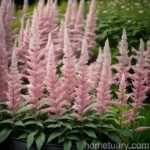
The Beautiful Astilbe ‘Bridal Veil’ (Arendsii Hybrid): A Plant Scientist’s Guide
Introduction
In the world of horticulture and landscaping, the Astilbe ‘Bridal Veil’ (Arendsii Hybrid) holds a special place. This stunning plant species is not only visually captivating but also offers a myriad of benefits and uses. As a plant scientist, I am excited to delve into the various aspects of this remarkable plant, from its cultural requirements to its propagation, common diseases, and much more. In this comprehensive guide, I will provide valuable insights into the characteristics, care, and potential uses of the Astilbe ‘Bridal Veil’ (Arendsii Hybrid), along with expert tips and resources for plant enthusiasts, gardeners, and landscape designers.
What is Astilbe ‘Bridal Veil’ (Arendsii Hybrid)?
The Astilbe ‘Bridal Veil’ (Arendsii Hybrid) is a striking perennial plant known for its elegant, plume-like flowers and lush, fern-like foliage. This beautiful species belongs to the Saxifragaceae family and is native to Asia and North America. The Arendsii Hybrid variety, in particular, is prized for its exceptional qualities, making it a popular choice for gardens, landscapes, and floral arrangements.
Astilbe ‘Bridal Veil’ Characteristics
The Astilbe ‘Bridal Veil’ (Arendsii Hybrid) boasts several distinctive characteristics that set it apart in the plant kingdom:
- Flower Spikes: The plant produces stunning, feathery flower spikes in shades of white, cream, or light pink, adding a delicate allure to any garden or floral display.
- Foliage: Its attractive, glossy green foliage forms dense mounds, creating a vibrant backdrop for the beautiful blooms.
- Growth Habit: This perennial exhibits a clumping growth habit, making it an excellent choice for borders, shade gardens, and woodland landscapes.
- Height: Depending on the variety, the plant can reach varying heights, typically ranging from 18 inches to 3 feet, allowing for versatile use in different garden settings.
Key Takeaways – Astilbe ‘Bridal Veil’ (Arendsii Hybrid)
Before delving into the specific care and maintenance requirements of the Astilbe ‘Bridal Veil’ (Arendsii Hybrid), let’s highlight some key takeaways that plant enthusiasts should keep in mind:
Culture
- The Astilbe ‘Bridal Veil’ (Arendsii Hybrid) thrives in moist, well-drained soil and prefers partial to full shade, making it an excellent choice for shaded or partially shaded areas in the landscape.
- Regular watering is essential, especially during periods of drought or dry weather, to support the plant’s growth and flowering.
Uses
- This versatile plant can be used in various landscape settings, including borders, woodland gardens, and as a focal point plant, adding texture, color, and visual interest to the surroundings.
- Astilbe ‘Bridal Veil’ (Arendsii Hybrid) also serves as an excellent cut flower, providing an elegant and long-lasting addition to floral arrangements and bouquets.
Now, let’s explore each of these aspects in detail to gain a comprehensive understanding of how to care for and make the most of the Astilbe ‘Bridal Veil’ (Arendsii Hybrid).
Plant Care
Caring for the Astilbe ‘Bridal Veil’ (Arendsii Hybrid) involves understanding and addressing its specific requirements, including water, sunlight, fertilizer, soil, pruning, and propagation. By providing optimal conditions and regular maintenance, gardeners can ensure that the plant thrives and flourishes, rewarding them with its graceful blooms and lush foliage.
Water
Water is a crucial element in the care of Astilbe ‘Bridal Veil’ (Arendsii Hybrid). Here are some important points to consider regarding water needs and irrigation:
- Moisture Requirements: The plant prefers consistently moist soil, especially during the growing season. Adequate moisture is essential for healthy growth and abundant flowering.
- Mulching: Applying a layer of organic mulch around the base of the plant helps retain soil moisture, regulates temperature, and suppresses weed growth, benefiting the overall health of the plant.
Sunlight
Understanding the plant’s sunlight requirements is essential for its successful cultivation and overall performance:
- Partial to Full Shade: Astilbe ‘Bridal Veil’ (Arendsii Hybrid) thrives in shaded or partially shaded locations, making it an ideal choice for gardens with limited direct sunlight.
- Sunlight Tolerance: While the plant prefers shade, it can tolerate some morning sun or dappled light, especially in cooler climates. However, prolonged exposure to intense sunlight may result in leaf scorch and reduced vigor.
Fertilizer
Proper fertilization contributes to the Astilbe ‘Bridal Veil’ (Arendsii Hybrid)’s growth, flowering, and overall health:
- Fertilizer Application: It is recommended to apply a balanced, slow-release fertilizer in early spring to provide essential nutrients for vigorous growth and abundant blooms.
- Organic Amendments: Incorporating organic matter into the soil, such as compost or well-rotted manure, improves soil fertility and structure, benefitting the plant’s overall development.
Soil
The composition and quality of the soil play a significant role in the successful cultivation of this plant:
- Well-Drained Soil: The Astilbe ‘Bridal Veil’ (Arendsii Hybrid) thrives in moist, well-drained soil with a slightly acidic to neutral pH. Amending heavy or compacted soil with organic matter improves drainage and aeration.
- Soil Moisture: Regularly monitoring soil moisture levels and ensuring proper drainage is crucial to prevent waterlogging, which can lead to root rot and other issues.
Pruning
Proper pruning helps maintain the plant’s appearance, promotes healthy growth, and encourages abundant flowering:
- Deadheading: Removing spent flowers promptly can prolong the blooming period and prevent the plant from expending energy on seed production.
- Fall Cleanup: Conducting a thorough cleanup in the fall, including the removal of dead or yellowing foliage, helps prepare the plant for the winter and reduces the risk of disease.
Propagation
For those interested in propagating the Astilbe ‘Bridal Veil’ (Arendsii Hybrid), several methods can be employed:
- Division: Dividing mature clumps in early spring or fall allows for the creation of new plants and helps rejuvenate existing ones.
- Seed Propagation: While less common, the plant can also be propagated from seeds, although this method requires patience and specific conditions for successful germination.
Container Popularity and Common Diseases
The Astilbe ‘Bridal Veil’ (Arendsii Hybrid) is also well-suited for container gardening, offering a beautiful and manageable option for those with limited space or specific design preferences. Its compact growth habit, striking flowers, and lush foliage make it an excellent choice for container arrangements and landscape accents.
Container
When cultivating the Astilbe ‘Bridal Veil’ (Arendsii Hybrid) in containers, it’s essential to consider the following factors:
- Container Size: Select a spacious container that accommodates the plant’s root system and allows for adequate moisture retention.
- Drainage: Ensure that the container has proper drainage holes to prevent waterlogging, as excessive moisture can lead to root rot and other issues.
Common Diseases
The Astilbe ‘Bridal Veil’ (Arendsii Hybrid) is generally resilient but may be susceptible to certain diseases under unfavorable conditions:
- Powdery Mildew: This fungal disease can affect the plant, particularly in humid or poorly ventilated environments. Providing good air circulation and avoiding overhead watering help prevent powdery mildew.
- Leaf Spot: Keeping the foliage dry, practicing good sanitation, and avoiding overcrowding can mitigate the risk of leaf spot diseases.
Disease Diagnosis
When observing potential signs of disease or stress in the Astilbe ‘Bridal Veil’ (Arendsii Hybrid), it’s important to accurately diagnose the issue:
- Symptom Identification: Look for visual cues such as discoloration, wilting, or unusual growth patterns that may indicate a problem.
- Consultation: If in doubt, seek guidance from local extension services, plant health professionals, or reputable resources to identify and address potential diseases.
Common Pests and Botanist’s Tips
Pest management and expert tips play a significant role in maintaining the robustness and beauty of the Astilbe ‘Bridal Veil’ (Arendsii Hybrid):
Common Pests
While Astilbe ‘Bridal Veil’ (Arendsii Hybrid) is relatively resistant to pests, it can occasionally encounter the following issues:
- Aphids: These small, sap-sucking insects can potentially infest the plant, causing distortion or discoloration of the foliage. Insecticidal soaps or horticultural oils can offer effective control.
- Slugs and Snails: These pests may feed on the foliage and flowers, particularly in humid or moist conditions. Employing physical barriers or pet-safe slug and snail baits helps manage their presence.
Botanist’s Tips
To optimize the health and aesthetics of the Astilbe ‘Bridal Veil’ (Arendsii Hybrid), consider the following expert tips:
- Mulching: Applying a layer of mulch around the base of the plant not only conserves moisture but also helps deter weeds and regulates soil temperature.
- Watering Practices: Water the plant at the base to prevent foliage and flowers from remaining excessively wet, reducing the risk of fungal diseases.
Fun Facts and Botanical Resources
In addition to its remarkable beauty and horticultural uses, the Astilbe ‘Bridal Veil’ (Arendsii Hybrid) offers several intriguing and lesser-known aspects:
- Pollinator Attraction: The plant’s elegant flower spikes attract pollinators such as bees and butterflies, contributing to biodiversity and ecosystem health.
- Native Habitat: Astilbe ‘Bridal Veil’ (Arendsii Hybrid) is native to wooded and mountainous regions, showcasing its natural adaptation to shaded environments.
As a plant scientist, I encourage enthusiasts and gardeners to explore reputable botanical resources and educational materials to gain a deeper understanding of the Astilbe ‘Bridal Veil’ (Arendsii Hybrid) and its horticultural significance. Learning from botanical experts, horticulturists, and experienced growers can enhance one’s knowledge and appreciation of this captivating plant.
Links to External Resources
To further enrich one’s knowledge and exploration of the Astilbe ‘Bridal Veil’ (Arendsii Hybrid) and related topics, I recommend referring to the following external resources:
-
The American Horticultural Society: Astilbe Growing Guide
-
The Royal Horticultural Society: Astilbe Plant Profile
-
University Extension Services: Check with your local university extension services for region-specific information, guides, and workshops on growing Astilbe ‘Bridal Veil’ (Arendsii Hybrid).
In conclusion, the Astilbe ‘Bridal Veil’ (Arendsii Hybrid) stands as a remarkable and alluring addition to gardens, landscapes, and floral arrangements. Understanding its cultural requirements, uses, propagation methods, and maintaining vigilance against potential diseases and pests are essential for its successful cultivation. By incorporating expert tips and leveraging valuable resources, plant enthusiasts and gardeners can cultivate, appreciate, and enjoy the beauty and resilience of this exceptional perennial plant. Whether used as a focal point in shaded gardens, a charming addition to floral displays, or a versatile container plant, the Astilbe ‘Bridal Veil’ (Arendsii Hybrid) continues to captivate and inspire with its timeless elegance and grace.
Keywords: Astilbe ‘Bridal Veil’ characteristics, Arendsii Hybrid Astilbe ‘Bridal Veil’, Astilbe ‘Bridal Veil’ plant care, Growing Astilbe ‘Bridal Veil’, Astilbe ‘Bridal Veil’ landscape ideas, Astilbe ‘Bridal Veil’ planting tips, Arendsii Hybrid Astilbe varieties, Astilbe ‘Bridal Veil’ garden design, Astilbe ‘Bridal Veil’ perennial, Astilbe ‘Bridal Veil’ flower spikes, Astilbe ‘Bridal Veil’ shade garden, Astilbe ‘Bridal Veil’ border plant, Astilbe ‘Bridal Veil’ foliage, Astilbe ‘Bridal Veil’ container gardening, Astilbe ‘Bridal Veil’ landscaping trends, Astilbe ‘Bridal Veil’ plant propagation, Astilbe ‘Bridal Veil’ gardening tips, Astilbe ‘Bridal Veil’ companion plants, Astilbe ‘Bridal Veil’ seasonal maintenance, Astilbe ‘Bridal Veil’ disease and pest control, Astilbe ‘Bridal Veil’ hardiness, Astilbe ‘Bridal Veil’ floral arrangements, Astilbe ‘Bridal Veil’ cut flowers, Astilbe ‘Bridal Veil’ landscape features, Astilbe ‘Bridal Veil’ water needs, Astilbe ‘Bridal Veil’ soil requirements, Astilbe ‘Bridal Veil’ bloom time, Astilbe ‘Bridal Veil’ plant division, Astilbe ‘Bridal Veil’ garden focal point, Astilbe ‘Bridal Veil’ pollinator attractor, Astilbe ‘Bridal Veil’ garden border, Astilbe ‘Bridal Veil’ color variations, Astilbe ‘Bridal Veil’ landscaping ideas, Astilbe ‘Bridal Veil’ cutting back, Astilbe ‘Bridal Veil’ ground cover, Arendsii Hybrid Astilbe care, Astilbe ‘Bridal Veil’ mixed plantings, Astilbe ‘Bridal Veil’ shady areas, Astilbe ‘Bridal Veil’ focal point plant, Astilbe ‘Bridal Veil’ ornamental grass companion, Astilbe ‘Bridal Veil’ dappled shade, Astilbe ‘Bridal Veil’ soil amendments, Astilbe ‘Bridal Veil’ early spring bloomer, Arendsii Hybrid Astilbe foliage colors, Astilbe ‘Bridal Veil’ vertical gardening, Astilbe ‘Bridal Veil’ flower arrangements, Astilbe ‘Bridal Veil’ drought-tolerant plants, Astilbe ‘Bridal Veil’ woodland garden, Astilbe ‘Bridal Veil’ garden borders, Astilbe ‘Bridal Veil’ native habitat