Astilbe (Astilbe x arendsii ‘Cattleya’): A Comprehensive Plant Care Guide
Plants play a crucial role in adding aesthetic appeal and vitality to garden landscapes. Among the wide variety of ornamental plants available, Astilbe (Astilbe x arendsii ‘Cattleya’) stands out due to its stunning flowers and attractive foliage. In this detailed guide, we will explore the fascinating world of Astilbe x arendsii ‘Cattleya’, covering its culture, uses, care, diseases, and much more.
What is Astilbe (Astilbe x arendsii ‘Cattleya’)?
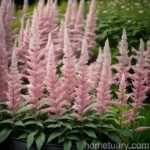
Astilbe x arendsii ‘Cattleya’, commonly known as Astilbe, is a herbaceous perennial plant that belongs to the Saxifragaceae family. It is a hybrid variety derived from the cross-breeding of several Astilbe species. This beautiful plant is renowned for its striking, feathery plumes of flowers and attractive, glossy foliage. The ‘Cattleya’ cultivar specifically is cherished for its vibrant pink blossoms and lush greenery.
Astilbe plants are native to Asia and North America, where they are often found in woodland areas and along moist stream banks. The genus name “Astilbe” is derived from the Greek words “a” (without) and “stilbe” (brilliance), referring to the fact that the plants’ seeds do not shine. These plants are commonly referred to as false spirea due to their feathery plumes that resemble those of the spirea plant.
Key Takeaways – Astilbe (Astilbe x arendsii ‘Cattleya’)
Before delving deeper into the specifics of cultivating and caring for Astilbe x arendsii ‘Cattleya’, let’s highlight some key takeaways about this exquisite plant:
- Scientific Name: Astilbe x arendsii ‘Cattleya’
- Family: Saxifragaceae
- Hardiness Zone: 4-9
- Bloom Time: Midsummer
- Mature Size: 18-24 inches tall, with a spread of 18-24 inches
- Foliage: Glossy green, deeply-cut leaves
- Flowers: Feathery plumes of pink flowers
- Sunlight: Partial to full shade
- Soil: Moist, well-draining soil
- Uses: Adds color and texture to shaded gardens, borders, and woodland landscapes
Now, let’s delve into the detailed care guide for Astilbe x arendsii ‘Cattleya’, covering various aspects such as culture, uses, watering, sunlight requirements, fertilization, soil conditions, pruning, propagation, container gardening, common diseases, and pest management.
Culture
Cultivating Astilbe x arendsii ‘Cattleya’ involves understanding its unique cultural requirements to ensure optimal growth and blooming. Let’s explore the essential cultural aspects of caring for this beautiful perennial.
Uses
The vibrant and feathery blooms of Astilbe x arendsii ‘Cattleya’ make it a popular choice for various landscaping and gardening purposes. Here are some common uses of this stunning plant:
-
Shade Gardens: Astilbe is a classic choice for shaded or woodland gardens, where its bright blooms and lush foliage can add color and vibrancy to otherwise dim areas.
-
Border Plant: Its compact size and attractive flowering spikes make it an ideal candidate for border plantings along pathways, fences, or garden beds.
-
Under Tree Planting: Astilbe thrives in the dappled shade under trees, where its low-growing foliage and tall blooms create a visually appealing display.
-
Cut Flowers: The feathery blooms of Astilbe make excellent cut flowers, adding grace and elegance to floral arrangements.
-
Ground Cover: In suitable conditions, Astilbe can form dense clumps, making it an effective ground cover in shaded areas.
Understanding the versatility of Astilbe x arendsii ‘Cattleya’ enables gardeners to incorporate it effectively into their landscape designs, enhancing the visual appeal of their outdoor spaces.
Water
Proper watering is crucial to the health and vitality of Astilbe x arendsii ‘Cattleya’. As a moisture-loving plant, it requires consistent and adequate watering, especially during the growing season. Below are some key points to consider regarding the water requirements of Astilbe:
-
Moist Soil: Astilbe thrives in consistently moist soil. It is important to ensure that the planting site has good drainage to prevent waterlogging, which can lead to root rot.
-
Mulching: Applying a layer of organic mulch, such as shredded bark or compost, around the base of the plant helps retain soil moisture and suppress weed growth. Mulching also moderates soil temperature and protects the roots from extreme heat or cold.
-
Summer Watering: During hot and dry periods, regular watering is essential to prevent the soil from drying out. Water deeply to ensure the moisture reaches the plant’s root zone.
-
Avoid Overhead Watering: To minimize the risk of foliar diseases, it’s best to water the soil directly at the base of the plant, avoiding overhead watering that wets the foliage.
By paying close attention to its watering needs, gardeners can help Astilbe x arendsii ‘Cattleya’ thrive and produce an abundance of beautiful blooms.
Sunlight
Astilbe x arendsii ‘Cattleya’ prefers partial to full shade and is well-suited to shaded areas in the landscape. Understanding its sunlight requirements is essential for its successful cultivation. Here are some key points to consider regarding the sunlight needs of Astilbe:
-
Shade Tolerance: Astilbe excels in shaded environments, making it an excellent choice for gardens with limited sunlight. It can thrive under the dappled shade of trees or in areas with filtered light.
-
Morning Sun: While Astilbe prefers shade, it can tolerate some morning sun, especially in cooler climates. In hot climates, excessive sun exposure can scorch the foliage and lead to stress.
-
Avoid Midday Sun: Direct midday sun can be too intense for Astilbe and may lead to leaf scorching. Planting in areas with filtered light or partial shade is ideal.
By selecting suitable shaded locations and providing adequate protection from intense sunlight, gardeners can ensure the healthy growth and development of Astilbe x arendsii ‘Cattleya’.
Fertilizer
Feeding Astilbe x arendsii ‘Cattleya’ with the right nutrients is essential for promoting vigorous growth and prolific flowering. Utilizing a balanced fertilizer regimen can help maintain the plant’s health and vitality. Here are some key considerations for fertilizing Astilbe:
-
Spring Feeding: In early spring, apply a balanced, slow-release fertilizer or a water-soluble fertilizer designed for flowering perennials. This provides the essential nutrients needed for the plant to initiate new growth and flower production.
-
Avoid High Nitrogen: While Astilbe requires nitrogen for foliage growth, excessive nitrogen can result in lush foliage at the expense of blooms. Choose a fertilizer with a lower nitrogen content to promote balanced growth and prolific flowering.
-
Midseason Boost: As the plant continues to grow and develop through the summer months, a light application of a balanced fertilizer can help maintain its vigor and support the development of new buds.
-
Organic Amendments: Incorporating organic matter into the soil, such as compost or well-rotted manure, can provide a natural source of nutrients and improve the soil structure for Astilbe plants.
By implementing a tailored fertilization schedule and selecting appropriate products, gardeners can enhance the overall health and beauty of their Astilbe x arendsii ‘Cattleya’ plants.
Soil
The quality and composition of the soil play a crucial role in the successful cultivation of Astilbe x arendsii ‘Cattleya’. Understanding its soil requirements and making appropriate amendments are essential for promoting healthy growth. Here are some key aspects to consider regarding the soil conditions for Astilbe:
-
Moisture Retention: Astilbe thrives in moist, well-draining soils with high organic content. Adding organic matter, such as compost or peat moss, can improve soil structure and water retention capacity.
-
Acidic Soil: Astilbe prefers slightly acidic soil with a pH range of 5.5 to 6.5. Conducting a soil test can help determine the pH of the planting site and guide the necessary adjustments.
-
Loose Texture: The soil should have a loose, friable texture to facilitate root development and allow for efficient water penetration. Amending heavy or compacted soils with organic matter can enhance their drainage and aeration.
-
Mulching: Mulching around Astilbe plants not only conserves soil moisture but also contributes to the gradual enrichment of the soil as the organic material decomposes.
By creating an optimal soil environment that aligns with the plant’s preferences, gardeners can provide Astilbe x arendsii ‘Cattleya’ with the foundation it needs to thrive and flourish.
Pruning
Pruning is an essential task to maintain the health, appearance, and flowering performance of Astilbe x arendsii ‘Cattleya’. Proper pruning practices can help rejuvenate the plant, remove spent blooms, and manage its growth. Here are some key guidelines for pruning Astilbe:
-
Deadheading: After the blooming period, promptly remove the spent flower spikes to encourage the development of new buds and prevent the plant from expending energy on seed production.
-
Leaf Removal: Over time, the lower leaves of the plant may start to yellow or decline. Carefully trim these leaves to maintain a tidy appearance and improve air circulation around the plant.
-
Division: Every 3-4 years, Astilbe plants benefit from division to prevent overcrowding and rejuvenate their growth. In early spring or fall, lift the clumps, divide them into smaller sections, and replant the divisions in prepared soil.
-
Pruning for Shape: While Astilbe generally maintains an attractive form, selective pruning can help shape the plant and enhance its visual appeal. Focus on maintaining a balanced and symmetrical growth habit.
Careful and strategic pruning not only contributes to the overall attractiveness of Astilbe x arendsii ‘Cattleya’ but also supports its long-term health and vigor.
Propagation
Expanding your collection of Astilbe x arendsii ‘Cattleya’ can be achieved through propagation, allowing you to create new plants from existing ones. Here are some common methods for propagating Astilbe:
-
Division: The division of established clumps is the most common method of propagating Astilbe. This process involves carefully lifting the plant, separating the root ball into smaller sections, and replanting them in prepared soil.
-
Division Timing: Early spring or fall, when the plant is dormant, is the optimal time for dividing Astilbe. Cool, moist conditions support the successful establishment of the divided sections.
-
Stem Cuttings: While less common, Astilbe can also be propagated from stem cuttings. Select healthy, non-flowering stems, and root them in a suitable rooting medium under controlled conditions.
By mastering the art of propagating Astilbe x arendsii ‘Cattleya’, you can expand your garden collection and share the beauty of this plant with fellow gardening enthusiasts.
Container Popularity
While often grown in garden beds or naturalized areas, Astilbe x arendsii ‘Cattleya’ is also a popular choice for container gardening. Its compact size, vibrant blooms, and attractive foliage make it well-suited for growing in containers on patios, decks, or balconies. Here are some insights into the popularity of container-grown Astilbe:
-
Space Constraints: For gardeners with limited outdoor space, growing Astilbe in containers provides an opportunity to enjoy its beauty and color in a confined area.
-
Versatility: Containers offer the flexibility to move and rearrange the plants, allowing for creative displays and optimal positioning to suit the plant’s light requirements.
-
Decorative Appeal: The striking blooms and lush foliage of Astilbe enhance the visual appeal of outdoor living spaces, adding a touch of elegance and charm to container gardens.
-
Ease of Care: Astilbe’s low-maintenance nature makes it an excellent candidate for container gardening, requiring minimal upkeep and attention.
By embracing container gardening with Astilbe x arendsii ‘Cattleya’, gardeners can introduce a captivating and colorful element to their outdoor living areas, elevating the aesthetic appeal of their surroundings.
Common Diseases
Plant diseases can pose a threat to the health and vitality of Astilbe x arendsii ‘Cattleya’. Understanding common diseases and their associated symptoms is crucial for implementing preventive measures and early intervention. Let’s explore some prevalent diseases that may affect Astilbe plants:
-
Powdery Mildew: This fungal disease often appears as a white powdery coating on the leaves, affecting their overall health and vigor. Powdery mildew can develop in conditions of high humidity and poor air circulation.
-
Leaf Spot: Leaf spot diseases manifest as dark or discolored spots on the foliage, often accompanied by a deterioration in leaf health. Overhead watering and prolonged leaf wetness can contribute to the development of leaf spot.
-
Cercospora Leaf Spot: Cercospora leaf spot presents as small, purple spots on the leaves, eventually leading to leaf yellowing and decline. Proper sanitation and diligent garden hygiene help mitigate the spread of this disease.
-
Downy Mildew: Downy mildew causes yellowing and browning of the foliage, often accompanied by a fuzzy, grayish growth on the undersides of the leaves. Adequate spacing and air circulation can help prevent the onset of downy mildew.
-
Botrytis Blight: Also known as gray mold, botrytis blight can lead to the development of grayish mold on the affected plant parts. This disease often thrives in damp, humid conditions and can result in significant damage if left unchecked.
Disease Diagnosis
Diagnosing plant diseases is critical for implementing targeted treatment strategies and preventing the spread of infections. When observing symptoms of disease in Astilbe x arendsii ‘Cattleya’, consider the following diagnostic steps:
-
Visual Inspection: Carefully examine the plant for any signs of discoloration, spots, mold, or unusual growth on the foliage, stems, or flowers.
-
Symptom Analysis: Note the specific symptoms observed, such as leaf spots, yellowing, wilting, or unusual growth patterns, as they can provide valuable clues about the underlying disease.
-
Environmental Conditions: Assess the prevailing environmental factors, including moisture levels, temperature, and air circulation, as these can influence disease development.
-
Professional Consultation: If unsure about the cause of the symptoms, seek guidance from a plant disease specialist or extension service for accurate diagnosis and treatment recommendations.
By promptly identifying and addressing potential diseases, gardeners can safeguard the health and beauty of their Astilbe plants, promoting their longevity and overall well-being.
Common Pests
In addition to diseases, Astilbe x arendsii ‘Cattleya’ may also be susceptible to pest infestations that can impact their growth and appearance. Familiarizing yourself with common pests and their management is crucial for preventing damage. Let’s explore some typical pests that may affect Astilbe:
-
Spider Mites: These tiny pests can cause stippling and discoloration of the leaves, often leading to a decline in overall plant health. Spider mites thrive in hot and dry conditions and can rapidly multiply if left unchecked.
-
Slugs and Snails: These mollusks are known to feed on the foliage of Astilbe, leaving behind irregular holes and damage. They are particularly active during periods of high moisture and can be controlled through physical exclusion and baits.
-
Japanese Beetles: The adult beetles feed on the foliage of Astilbe, causing skeletonization and significant damage to the leaves. Implementing control measures, such as hand-picking or biological controls, can help manage Japanese beetle populations.
-
Sawfly Larvae: The larvae of sawflies can feed on the leaves of Astilbe, causing visible defoliation and leaf damage. Early detection and intervention are essential for preventing extensive feeding damage.
Understanding the life cycles and habits of common pests, along with employing suitable control methods, can help protect Astilbe x arendsii ‘Cattleya’ from potential infestations, ensuring their continued health and vibrancy.
Botanist’s Tips
Gleaned from the expertise of botanical enthusiasts and experts, here are some valuable tips for successfully growing and caring for Astilbe x arendsii ‘Cattleya’:
-
Plant in Groups: To create a visually impactful display, consider planting Astilbe in groups or clusters, allowing their colorful blooms and foliage to harmonize and create a cohesive look.
-
Companion Planting: Pair Astilbe with other shade-loving plants, such as hostas, ferns, and hellebores, to create visually appealing combinations and enhance the diversity of your shaded garden.
-
Mulching Strategies: Opt for organic mulches to conserve soil moisture and promote a healthy soil environment for Astilbe. Mulching also offers protection from temperature extremes and suppresses weed growth.
-
Regular Monitoring: Periodically inspect your Astilbe plants for any signs of pests, diseases, or cultural issues. Early intervention can often prevent problems from escalating and maintain the plants’ vitality.
-
Winter Care: In regions with cold winters, provide adequate protection for Astilbe plants by applying a layer of mulch or providing additional insulation to safeguard the crowns and roots from frost.
By incorporating these tips into your approach to caring for Astilbe x arendsii ‘Cattleya’, you can optimize their growth and ensure a visually stunning and healthy garden display.
Fun Facts
Uncover some intriguing and captivating tidbits about Astilbe x arendsii ‘Cattleya’ that add to its allure and charm:
-
Historical Significance: Astilbe has been cultivated for centuries and was notably popular in European gardens during the Victorian era, where its graceful plumes were highly prized.
-
Butterfly Attraction: The nectar-rich flowers of Astilbe attract and support pollinators such as butterflies, adding ecological value to garden landscapes.
-
Native American Uses: Certain species of Astilbe were historically utilized by Native American tribes for their medicinal properties, including as treatments for fevers and respiratory ailments.
-
Hybrid Diversity: Astilbe hybrids have been developed to exhibit a wide array of flower colors, including shades of pink, white, red, and lavender, offering diverse options for gardeners.
-
Fossil Records: Fossil evidence suggests that ancestors of modern-day Astilbe plants existed during the late Cretaceous period, highlighting their enduring presence on Earth.
These fascinating facts offer deeper insight into the rich history, ecological importance, and genetic diversity of Astilbe x arendsii ‘Cattleya’, enriching the gardening experience for enthusiasts.
Links to External Resources
Now that we’ve explored the comprehensive care guide for Astilbe x arendsii ‘C