Aster Novi-belgii ‘Ada Ballard’ (New York Aster): A Detailed Guide
As a plant scientist, I am excited to delve into the fascinating world of the Aster novi-belgii ‘Ada Ballard’, commonly known as the New York Aster. This exquisite flowering plant is a perennial member of the Asteraceae family, highly valued for its vibrant blooms, resilience, and versatility in gardens and landscapes. In this comprehensive guide, we will explore every facet of the ‘Ada Ballard’ Aster, including its culture, uses, growth requirements, propagation, common diseases, pests, and much more. Whether you are an avid gardener, a landscape designer, or simply a nature enthusiast, this in-depth exploration of the Aster novi-belgii ‘Ada Ballard’ is sure to enrich your understanding of this remarkable plant.
What is Aster novi-belgii ‘Ada Ballard’ (New York Aster)?
Aster novi-belgii ‘Ada Ballard’, commonly referred to as the New York Aster, is a popular perennial flowering plant known for its stunning blossoms and ease of cultivation. Belonging to the Asteraceae family, this plant is native to North America and is a beloved feature in many gardens and landscapes due to its attractive appearance and low maintenance requirements.
The ‘Ada Ballard’ cultivar, in particular, is highly esteemed for its exceptional qualities, making it a sought-after choice for floral displays, pollinator gardens, and naturalistic plantings. Its profusion of flowers and adaptability to various growing conditions make it a favorite among both novice and experienced gardeners.
Key Takeaways – Aster novi-belgii ‘Ada Ballard’ (New York Aster):
Before we delve deeper into the specifics of the New York Aster, let’s take a moment to highlight the key takeaways that will be covered in this comprehensive guide:
- Culture: Understanding the optimal conditions for cultivating and nurturing Aster novi-belgii ‘Ada Ballard’.
- Uses: Exploring the versatile uses of the New York Aster in garden settings, landscaping, and ecological applications.
- Water: Learning about the water requirements essential for the healthy growth and development of ‘Ada Ballard’ Aster novi-belgii.
- Sunlight: Assessing the sunlight needs and ideal exposure for cultivating thriving New York Aster plants.
- Fertilizer: Identifying the appropriate fertilization practices to support the robust growth and blooming of Aster novi-belgii ‘Ada Ballard’.
- Soil: Examining the soil preferences and composition conducive to the flourishing of this perennial Aster.
- Pruning: Understanding the significance of proper pruning techniques and timing for maintaining the vitality and form of the New York Aster.
- Propagation: Exploring the methods for propagating Aster novi-belgii ‘Ada Ballard’ to expand its presence in various settings.
- Container Popularity: Assessing the suitability of growing ‘Ada Ballard’ Aster novi-belgii in containers and the associated considerations.
- Common Diseases: Identifying potential diseases that may affect New York Aster plants and implementing preventive measures.
- Common Pests: Recognizing the common pests that could pose a threat to the health of Aster novi-belgii ‘Ada Ballard’ and strategies for control.
- Botanist’s Tips: Gaining insights and practical tips from botanists and horticultural experts for successful cultivation of this species.
- Fun Facts: Discovering intriguing and lesser-known facts that add to the allure of Aster novi-belgii ‘Ada Ballard’.
- Links to External Resources: Providing access to credible external resources for further exploration and research on the New York Aster.
With these key points in mind, let’s embark on an illuminating journey into the world of Aster novi-belgii ‘Ada Ballard’, uncovering its remarkable attributes and the best practices for nurturing and enjoying this exceptional plant.
Culture of Aster novi-belgii ‘Ada Ballard’ (New York Aster)
Cultivating the Aster novi-belgii ‘Ada Ballard’ successfully begins with understanding its cultural requirements, encompassing aspects such as location, planting time, and care practices. By adhering to the optimal cultural guidelines, gardeners can ensure that their New York Aster plants thrive and adorn their outdoor spaces with an abundance of captivating blooms.
Planting Location
Selecting the right planting location is crucial for the prosperous growth of Aster novi-belgii ‘Ada Ballard’. This perennial Aster thrives in locations that offer well-drained soil and receive plentiful sunlight, although it can also tolerate partial shade. When choosing the planting site, consider the following factors:
- Sun Exposure: Aim to plant ‘Ada Ballard’ Aster novi-belgii in areas that receive at least 6 hours of sunlight per day, as adequate sun exposure promotes robust flowering and overall vigor.
- Soil Drainage: Ensure that the planting area has well-draining soil, as excessive water retention can lead to root rot and other detrimental conditions for the New York Aster.
Planting Time
The ideal time for planting Aster novi-belgii ‘Ada Ballard’ is during the early spring or fall, allowing the plants to establish themselves before the onset of extreme temperatures. By initiating the planting process during these seasons, gardeners set the stage for the healthy development of their New York Aster specimens.
Care Practices
Implementing proper care practices is essential for nurturing flourishing ‘Ada Ballard’ Aster novi-belgii. Consider the following cultural guidelines to optimize the growth and vitality of this perennial plant:
- Watering: Provide consistent moisture without waterlogging, especially during the initial establishment phase and periods of drought. Regular watering is crucial for supporting robust growth and prolific blooming.
- Fertilization: Apply a balanced fertilizer in early spring to provide essential nutrients for healthy development and vigorous flowering. Follow the manufacturer’s recommendations for the appropriate dosage and frequency.
- Mulching: Mulch around the base of the New York Aster plants to conserve soil moisture, regulate temperature, and inhibit weed growth. Organic mulches like shredded bark or compost are beneficial for enhancing soil quality and moisture retention.
By adhering to these cultural practices and understanding the specific needs of Aster novi-belgii ‘Ada Ballard’, gardeners can create an optimal environment for the successful cultivation of this stunning perennial plant. The next section will delve into the diverse uses of the New York Aster in garden settings and beyond.
Uses of Aster novi-belgii ‘Ada Ballard’ (New York Aster)
The New York Aster, with its striking blooms and adaptability, serves a multitude of purposes in various horticultural, ecological, and aesthetic applications. Understanding the versatile uses of Aster novi-belgii ‘Ada Ballard’ enables gardeners, landscapers, and conservationists to leverage the inherent qualities of this perennial plant for diverse and meaningful purposes.
Garden Ornament
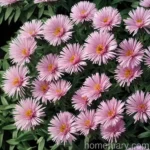
As a prominent ornamental plant, the ‘Ada Ballard’ Aster novi-belgii imparts vibrant color and visual interest to garden landscapes. With its profusion of daisy-like flowers in hues of pink, purple, and white, this perennial Aster contributes to the creation of charming floral displays, borders, and mass plantings. Its blooms attract butterflies, bees, and other pollinators, amplifying the biological diversity of garden spaces.
Cut Flowers
Aster novi-belgii ‘Ada Ballard’ is valued for its utility in floral arrangements and cut flower displays. The long stems adorned with abundant flowers make it an appealing choice for incorporating fresh blooms into indoor arrangements, enhancing the visual appeal of bouquets and floral designs.
Pollinator Habitat
The copious blooms of ‘Ada Ballard’ Aster novi-belgii serve as an invaluable food source for pollinators, including bees, butterflies, and other beneficial insects. By integrating this perennial Aster into garden settings, individuals can actively support pollinator populations, contributing to the overall ecological balance and biodiversity within their local environments.
Naturalistic Landscapes
In naturalistic or wildflower meadow settings, the New York Aster thrives as part of native plantings and conservation areas. Its adaptability and resilience make it a fitting component of ecological restoration projects and sustainable landscape designs, where it enhances the natural beauty of the surroundings while providing essential resources for wildlife.
Erosion Control
Aster novi-belgii ‘Ada Ballard’ possesses a robust root system that aids in stabilizing soil and mitigating erosion in sloped or vulnerable areas. When strategically planted, this perennial Aster contributes to erosion control efforts, offering both functional and aesthetic benefits in landscaping and environmental conservation initiatives.
Medicinal and Herbal Uses
Beyond its ornamental and ecological significance, certain species within the Asteraceae family, to which the New York Aster belongs, have been traditionally used for medicinal purposes. While it is essential to approach the use of any plant for medicinal applications with caution and expert guidance, historical accounts indicate that indigenous communities have utilized specific Aster species for their medicinal properties.
By recognizing and harnessing the diverse uses of Aster novi-belgii ‘Ada Ballard’, individuals can fully appreciate the multifaceted contributions of this perennial plant in horticulture, ecological stewardship, and cultural traditions. In the subsequent sections, we will delve into the specific growth requirements and maintenance practices essential for cultivating robust and vibrant ‘Ada Ballard’ Aster novi-belgii plants.
Water Requirements for Aster novi-belgii ‘Ada Ballard’
Water is a fundamental requirement for the healthy growth and vitality of Aster novi-belgii ‘Ada Ballard’. Adequate moisture levels support the development of robust foliage and prolific flowering, establishing an optimal environment for this perennial Aster to thrive. Understanding the specific water needs and irrigation practices tailored to the ‘Ada Ballard’ cultivar is essential for promoting the overall well-being of the plants and maximizing their ornamental value.
Watering Guidelines
Maintaining consistent soil moisture levels without waterlogging is critical for the successful cultivation of ‘Ada Ballard’ Aster novi-belgii. Gardeners should adhere to the following watering guidelines to support the optimal growth and blooming of this perennial plant:
-
Establishment Phase: During the initial establishment phase, ensure that the newly planted Aster novi-belgii ‘Ada Ballard’ receives regular watering to promote root development and acclimatization to its growing environment. Monitor the soil moisture and adjust the watering frequency based on the prevailing weather conditions and the moisture retention of the soil.
-
Dry Periods: During periods of reduced rainfall or drought, provide supplemental watering to sustain adequate soil moisture levels. This is particularly important during the flowering season when the plant’s water requirements may escalate due to the active growth and blooming phases.
-
Avoid Waterlogging: While maintaining optimal moisture levels is essential, it is equally important to prevent waterlogging or prolonged saturation of the soil, as excessive moisture can lead to root rot and other detrimental conditions for the New York Aster.
-
Mulching: Apply a layer of organic mulch around the base of the ‘Ada Ballard’ Aster novi-belgii plants to conserve soil moisture and inhibit excessive evaporation. Mulching helps to regulate soil temperature and moisture levels, reducing the frequency of watering while fostering a conducive growing environment for the plants.
By adhering to these watering guidelines and diligently monitoring the moisture requirements of Aster novi-belgii ‘Ada Ballard’, gardeners can facilitate the robust growth and floriferous display of this captivating perennial plant. The next section will focus on the sunlight preferences essential for the thriving of the New York Aster.
Sunlight Needs for Aster novi-belgii ‘Ada Ballard’
Aster novi-belgii ‘Ada Ballard’ exhibits distinct preferences for sunlight, making it essential to establish the ideal sun exposure conditions for cultivating thriving specimens of this perennial Aster. Understanding the sunlight requirements and the associated considerations enables gardeners to select optimal planting locations and create environments conducive to the abundant blooming and overall vitality of the New York Aster.
Optimal Sun Exposure
The ‘Ada Ballard’ Aster novi-belgii thrives in locations that receive ample sunlight, although it can also tolerate partial shade under certain conditions. By providing the appropriate sun exposure, gardeners facilitate the following desirable outcomes for this perennial Aster:
-
Prolific Blooming: Adequate sunlight promotes prolific blooming and enhances the vibrancy of the flowers, resulting in a captivating display of color and visual appeal.
-
Robust Growth: Sunlight plays a crucial role in supporting the vigorous growth and development of ‘Ada Ballard’ Aster novi-belgii, contributing to the overall health and vitality of the plants.
-
Disease Prevention: Proper sun exposure aids in the prevention of moisture-related diseases by facilitating good air circulation and reducing excessive humidity around the foliage, which is conducive to the overall well-being of the New York Aster plants.
Sunlight Considerations
While the ‘Ada Ballard’ Aster novi-belgii benefits from ample sunlight, there are a few considerations to keep in mind regarding its sun exposure:
-
Partial Shade Tolerance: In regions with intense or prolonged periods of hot sun, providing partial shade during the hottest part of the day can protect the New York Aster plants from potential sunburn or heat stress. This is particularly relevant in climates characterized by scorching summers or high temperature fluctuations.
-
Morning Sun Preference: If possible, situate the ‘Ada Ballard’ Aster novi-belgii in locations that receive morning sunlight, as this promotes the activation of essential metabolic processes while mitigating the intensity of afternoon sun exposure.
By factoring in the optimal sun exposure requirements and considering the associated considerations, gardeners can position and cultivate ‘Ada Ballard’ Aster novi-belgii in environments best-suited for their flourishing, resulting in robust growth and abundant blossoms. The subsequent section will delve into the fertilization practices essential for supporting the blooming and overall vitality of this perennial plant.
Fertilization Practices for Aster novi-belgii ‘Ada Ballard’
Fertilization is a fundamental aspect of caring for Aster novi-belgii ‘Ada Ballard’, as it provides essential nutrients required for robust growth, abundant flowering, and overall plant vigor. By implementing appropriate fertilization practices, gardeners can ensure that their New York Aster plants receive the necessary elements to thrive and manifest their full ornamental potential.
Timing and Frequency
Fertilization of ‘Ada Ballard’ Aster novi-belgii should be conducted at strategic times to maximize its benefits and minimize the risk of over-fertilization. Consider the following guidelines for timing and frequency of fertilization:
-
Early Spring Application: Administer a balanced, slow-release fertilizer in early spring as the plants emerge from dormancy, providing the necessary nutrients to support vigorous growth and the development of flower buds.
-
Avoid Over-Fertilization: Refrain from excessive fertilization, as it can lead to imbalanced growth, diminished flowering, and potential adverse effects on the overall health of the New York Aster plants. Adhere to the recommended dosage and frequency specified by the fertilizer manufacturer to prevent over-fertilization.
-
Secondary Application: In certain cases, a secondary application of fertilizer may be beneficial during the active growing season, particularly if the soil exhibits deficiencies or if the plants display signs of nutrient stress. Such supplementary fertilization should be approached judiciously and based on the specific needs observed in the ‘Ada Ballard’ Aster novi-belgii.
Fertilizer Selection
It is important to select a well-balanced, slow-release fertilizer suitable for perennial flowering plants when fertilizing ‘Ada Ballard’ Aster novi-belgii. Ideally, the fertilizer should provide essential macro and micronutrients necessary for robust growth, health, and prolific blooming.
-
NPK Ratio: Look for a fertilizer with a balanced NPK (Nitrogen, Phosphorus, Potassium) ratio, as it provides the primary nutrients essential for the all-around well-being of the New York Aster plants. Additionally, the presence of micronutrients such as iron, manganese, and magnesium further enhances the nutritional value of the fertilizer.
-
Slow-Release Formulation: Opt for a slow-release or controlled-release formulation to ensure a gradual and sustained supply of nutrients to the ‘Ada Ballard’ Aster novi-belgii, promoting consistent growth and blooming without the risk of fertilizer leaching or rapid nutrient depletion.
Application Technique
When applying fertilizer to Aster novi-belgii ‘Ada Ballard’, follow these recommended techniques to achieve optimal results and minimize the potential for nutrient imbalances:
-
Even Distribution: Disperse the fertilizer evenly around the base of the plants, avoiding direct contact with the stems to prevent potential burn or injury.
-
Incorporation: Gently incorporate the fertilizer into the top layer of the soil using a hand tool or rake, ensuring that it is lightly covered to prevent runoff and promote efficient nutrient absorption by the ‘Ada Ballard’ Aster novi-belgii.
By observing these fertilization practices and tailoring them to the specific nutritional requirements of the New York Aster, gardeners can provide the essential elements that foster robust growth, profuse flowering, and the overall health and vigor of this captivating perennial plant. The subsequent section will focus on the soil preferences conducive to the successful cultivation of Aster novi-belgii ‘Ada Ballard’.
Soil Requirements for Aster novi-belgii ‘Ada Ballard’
The soil composition and quality significantly impact the growth, health, and blooming of Aster novi-belgii ‘Ada Ballard’. By understanding the soil preferences of this perennial Aster, gardeners can create an environment conducive to its flourishing and capitalize on its ornamental potential. Proper soil preparation and maintenance are essential for providing an optimal growing medium that promotes the vigor and vitality of ‘Ada Ballard’ Aster novi-belgii.
Soil Composition
Aster novi-belgii ‘Ada Ballard’ thrives in well-drained, moderately fertile soil with a slightly acidic to neutral pH. The following soil characteristics are conducive to the prosperous growth and blooming of this perennial Aster:
-
Drainage: Ensure that the soil offers good drainage to prevent waterlogging and root suffocation, which can be detrimental to the New York Aster plants. Amending heavy or compacted soils with organic matter or perlite can enhance drainage and create an aerated root environment.
-
Fertility: While ‘Ada Ballard’ Aster novi-belgii is adaptable to various soil fertility levels, incorporating organic matter such as compost or well-rotted manure can enrich the soil, providing essential nutrients and enhancing its overall fertility without the risk of over-fertilization.
-
pH Level: Aim for a slightly acidic to neutral pH range, ideally between 6.0 and 7.0, as this provides an optimal growing environment for the New York Aster plants, supporting efficient nutrient uptake and overall physiological balance.
Soil Preparation
Prior to planting, proper soil preparation is pivotal for creating an environment conducive to the robust growth and blooming of ‘Ada Ballard’ Aster novi-belgii. Follow these essential soil preparation steps to establish an optimal foundation for the New York Aster plants:
-
Loosening: Loosen the soil to a depth of approximately 12 to 18 inches, ensuring that it is friable and well-aerated to facilitate root penetration and establishment.
-
Incorporation of Amendments: Incorporate organic matter and soil amendments as needed, tailoring the soil composition to enhance drainage, fertility, and texture based on the specific requirements of the ‘Ada Ballard’ Aster novi-belgii.
-
Soil Testing: Conduct a soil test to assess the pH level and nutrient content of the soil, allowing for targeted amendments and adjustments to create an ideal growing medium for the New York Aster plants.
By attending to the soil preferences and implementing targeted soil preparation practices, gardeners can establish an optimal foundation for the successful cultivation of ‘Ada Ballard’ Aster novi-belgii, promoting vigorous growth, prolific flowering, and the enduring health of the perennial plant. The subsequent section will explore the significance of proper pruning techniques and the associated recommendations for maintaining the form and vitality