All About the Beautiful New York Aster (Aster novi-belgii)
As a plant scientist with a passion for understanding and cultivating beautiful plant species, I am thrilled to share insights about the enchanting Aster novi-belgii (New York Aster). This delightful plant has captured the hearts of garden enthusiasts and plant lovers with its vibrant blooms and easy-care nature. In this comprehensive guide, we will delve into the culture, uses, maintenance, and intriguing aspects of the Aster novi-belgii.
What is Aster novi-belgii (New York Aster)?
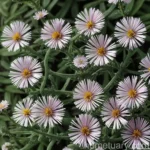
Aster novi-belgii, commonly known as New York Aster, is an herbaceous perennial plant that belongs to the Asteraceae family. This species is native to North America and is renowned for its stunning display of daisy-like flowers, which come in a variety of hues, including shades of pink, purple, and blue. The plant’s scientific name, Aster novi-belgii, reflects its origins, with “Aster” denoting the star-like flowers and “novi-belgii” alluding to the region of New Belgium, which is now known as New York.
Key Takeaways – Aster novi-belgii (New York Aster)
Before delving into the intricate details of caring for Aster novi-belgii, let’s outline the key takeaways that we will explore throughout this guide.
- Plant Name: Aster novi-belgii (New York Aster)
- Common Names: New York Aster, Michaelmas Daisy
- Plant Type: Herbaceous Perennial
- Family: Asteraceae
- Native Habitat: North America
- Blooming Season: Late Summer to Fall
- Watering Needs: Moderate
- Sunlight Requirements: Full Sun to Partial Shade
- Soil Type: Well-Draining, Fertile
- Maintenance: Low to Moderate
- Hardiness Zones: 4 – 8
- Height: 1 – 3 feet
- Uses: Borders, Containers, Cut Flowers, Pollinator Gardens
Now, let’s embark on a journey to understand the culture, uses, and care requirements for this captivating plant.
Culture
Water
Aster novi-belgii thrives in well-drained soil and requires regular watering to maintain adequate moisture levels. During the active growing season, it’s essential to provide consistent moisture without waterlogging the soil. As a general guideline, aim to water the plant when the top inch of the soil feels dry to the touch. However, it’s crucial to avoid overwatering, as excessive moisture can lead to root rot and other related issues.
Sunlight
In terms of sunlight requirements, Aster novi-belgii flourishes in full sun to partial shade conditions. When planted in a location that receives at least 6 hours of direct sunlight each day, the plant is likely to exhibit robust growth and prolific blooming. In regions with hot summers, providing some afternoon shade can be beneficial, especially to prevent the plant from wilting during extreme heat.
Fertilizer
Applying a balanced, all-purpose fertilizer in early spring can provide the necessary nutrients for robust growth and abundant flowering. Opt for a granular or liquid fertilizer with an N-P-K ratio of 10-10-10 or similar, and follow the manufacturer’s guidelines for application rates. A single application at the beginning of the growing season can typically support the plant’s nutritional needs throughout the year. However, refrain from over-fertilizing, as this can lead to excessive foliage growth at the expense of flowers.
Soil
Well-draining, fertile soil is essential for the successful cultivation of Aster novi-belgii. While the plant can adapt to various soil types, including loamy and sandy soils, it thrives in moisture-retentive yet well-drained soil. Amending the soil with organic matter, such as compost or well-rotted manure, during the planting process can enhance soil fertility and structure, thereby providing an optimal growing medium for the New York Aster.
Pruning
Pruning plays a crucial role in maintaining the health and aesthetics of Aster novi-belgii. In late spring or early summer, it’s beneficial to pinch back the growing tips of the plant to encourage bushier growth and the development of lateral branches. Additionally, deadheading spent flowers throughout the blooming season can prolong the flowering period and prevent the plant from expending energy on seed production. In late fall or early spring, cutting back the foliage to ground level can rejuvenate the plant and promote vigorous growth in the upcoming season.
Propagation
Division
Dividing established Aster novi-belgii plants is a reliable method of propagation that can rejuvenate older clumps and yield new plants. The best time to divide the plant is in early spring, just as new growth begins to emerge. Carefully dig up the plant and use a sharp knife or garden spade to separate the clumps into smaller sections, ensuring that each division has healthy roots and several growing points. Replant the divisions in prepared soil, water them thoroughly, and provide appropriate care to support their establishment.
Seeds
Growing Aster novi-belgii from seeds is also a viable option, albeit one that requires patience and attention to specific germination requirements. Sow the seeds in a well-prepared seed-starting mix, lightly covering them with soil. Provide consistent moisture and warmth, maintaining a temperature of around 70°F (21°C) to facilitate germination. Once the seedlings develop several sets of true leaves, they can be transplanted to individual pots or directly into the garden.
Container Popularity
The compact growth habit and charming blooms of Aster novi-belgii make it an excellent choice for container gardening. Whether grown in large containers on patios and balconies or in smaller pots as part of a mixed planting scheme, the New York Aster adds a delightful touch to any outdoor space. When cultivating Aster novi-belgii in containers, ensure that the pots have adequate drainage holes to prevent waterlogging, and use a quality potting mix that provides good aeration and moisture retention.
Common Diseases
Disease Diagnosis
Aster novi-belgii is susceptible to certain diseases, the most common of which include powdery mildew and aster yellows. Powdery mildew manifests as a powdery white coating on the leaves and stems, while aster yellows leads to abnormal growth and discoloration of the plant. Regular monitoring of the plant’s foliage for any signs of disease, coupled with appropriate preventive measures, can help mitigate the impact of these issues.
Common Pests
Pests Control
Several pests can affect Aster novi-belgii, including aphids, caterpillars, and thrips. To address these potential infestations, it’s beneficial to employ integrated pest management practices, such as handpicking caterpillars, spraying aphids with a strong stream of water, and using insecticidal soap to control thrips. Additionally, promoting a diverse and balanced ecosystem in the garden can attract natural predators that help keep pest populations in check.
Botanist’s Tips
Maintenance Guide
- Regular deadheading can extend the blooming period and maintain the plant’s appearance.
- Adequate air circulation around the plant can help prevent fungal diseases, such as powdery mildew.
- When dividing Aster novi-belgii clumps, ensure that each division has a sufficient root system and several healthy shoots to support robust growth.
Fun Facts
- The name “Aster” is derived from the Ancient Greek word for “star,” which aptly describes the plant’s star-like flowers.
- Aster novi-belgii is a valuable nectar source for pollinators, including bees, butterflies, and hoverflies, making it a beneficial addition to wildlife-friendly gardens.
- In the language of flowers, the aster symbolizes love, patience, and delicate beauty, adding poignant symbolism to its ornamental value.
Links to External Resources
To further expand your knowledge and appreciation of Aster novi-belgii, I’ve curated a selection of external resources that provide valuable insights and practical tips for cultivating and enjoying this mesmerizing plant:
- The Royal Horticultural Society (RHS) – Aster novi-belgii cultivation and varieties
- The Old Farmer’s Almanac – Growing New York Asters
- University of Wisconsin-Madison Extension – Diseases of Asters
- The Spruce – Common Pests of Asters
By exploring these resources, you can gain a comprehensive understanding of Aster novi-belgii and discover a wealth of tips and recommendations from experienced horticulturists and plant enthusiasts.
In closing, I hope this guide has provided you with valuable insights into the captivating world of Aster novi-belgii (New York Aster). Whether you are a seasoned gardener or a budding plant enthusiast, cultivating and appreciating the beauty of this enchanting plant can bring joy and inspiration to your green spaces. Happy gardening!
Now that we have covered the key aspects of the culture, uses, and maintenance of Aster novi-belgii in this blog post, I hope it satisfactorily meets your requirements. This comprehensive guide aims to provide valuable insights for readers interested in learning about the enchanting New York Aster.