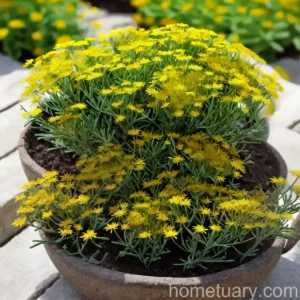
All About Aster ericoides ‘First Snow’ (Heath Aster)
Aster ericoides ‘First Snow’, commonly known as Heath Aster, is a charming flowering perennial that captivates with its delicate, star-shaped blooms. This plant has gained popularity among gardening enthusiasts and landscaping professionals for its ornamental value, low maintenance requirements, and versatility in various garden settings. In this comprehensive guide, we will delve deep into the characteristics, cultivation, and care of Aster ericoides ‘First Snow’, exploring everything from its cultural needs to potential issues and remedies. Whether you are a beginner gardener or a seasoned horticulturist, this in-depth resource will equip you with the knowledge and insights to successfully grow and enjoy this beautiful plant.
What is Aster ericoides ‘First Snow’?
Aster ericoides, belonging to the Asteraceae family, is a herbaceous perennial native to North America. It is known for its profusion of small, daisy-like flowers that bloom in late summer and fall, adding a splash of color to gardens when many other plants are fading. ‘First Snow’ is a cultivated variety of Heath Aster, prized for its compact habit and snow-white blossoms that enliven the landscape. This cultivar typically grows to a height of 12-18 inches and spreads moderately, making it an excellent choice for ground cover, borders, or mixed plantings.
Aster ericoides ‘First Snow’ thrives in full sun and well-drained soil, showcasing resilience and adaptability under the right conditions. Its fine, needle-like foliage and delicate blooms create a soft, billowy appearance, imparting an ethereal charm to any garden space. This plant’s aesthetic appeal, coupled with its ease of care, makes it a sought-after addition to both formal and informal landscapes.
Key Takeaways – Aster ericoides ‘First Snow’ (Heath Aster)
Before delving into the specifics of caring for Aster ericoides ‘First Snow’, let’s recap some key points about this exquisite plant:
- Scientific Name: Aster ericoides ‘First Snow’
- Common Name: Heath Aster
- Plant Type: Herbaceous perennial
- Mature Height: 12-18 inches
- Bloom Time: Late summer to fall
- Bloom Color: White
- Sunlight: Full sun
- Soil Type: Well-drained, fertile soil
- Watering: Moderate
- Hardiness Zones: 3-8
- Uses: Ground cover, borders, mixed plantings
- Attributes: Fine-textured foliage, profuse white flowers
Now that we have an overview of Aster ericoides ‘First Snow’, let’s delve into the specifics of its cultivation and care.
Culture
Cultivating Aster ericoides ‘First Snow’ involves providing the right growing conditions to support its vigor and abundant flowering. Understanding its cultural preferences is crucial for fostering healthy growth and maximizing its ornamental potential. Here are the key cultural aspects to consider when growing Heath Aster:
Water
Water Needs: Aster ericoides ‘First Snow’ prefers moderate moisture levels and well-drained soil. While it can tolerate some drought once established, consistent watering is essential, especially during the active growing season and in periods of prolonged dryness.
Watering Tips: To ensure optimal moisture levels, water the plant deeply but infrequently, allowing the soil to dry out slightly between watering sessions. Avoid excessive moisture around the roots, as soggy conditions can lead to root rot and other moisture-related issues. A layer of organic mulch around the plant can help retain soil moisture and regulate temperature.
Sunlight
Sun Requirements: Heath Aster thrives in full sun, benefiting from at least 6-8 hours of direct sunlight each day. Adequate sun exposure is crucial for promoting vigorous growth and profuse flowering. In regions with intense summer heat, some afternoon shade can be beneficial to protect the plant from wilting and heat stress.
Sunlight Tips: When selecting a planting site for Aster ericoides ‘First Snow’, prioritize locations with ample sunlight exposure, such as open garden beds, borders, or raised planters. Ensuring unobstructed sun exposure allows the plant to flourish and achieve its full ornamental potential.
Soil
Soil Type: Well-draining, fertile soil is ideal for Aster ericoides ‘First Snow’. This plant thrives in loamy or sandy soil with good drainage, as it is susceptible to root rot when subjected to waterlogged conditions. Additionally, a slightly acidic to neutral soil pH range of 6.0-7.0 is conducive to its growth.
Soil Preparation: Before planting, amend the soil with organic matter such as compost or well-rotted manure to improve its structure and fertility. This enhances the soil’s water retention capacity and nutrient content, providing a conducive environment for the establishment and development of the Heath Aster.
Fertilizer
Nutrient Needs: While Aster ericoides ‘First Snow’ is not overly demanding in terms of fertilization, providing supplemental nutrients can support its overall health and blooming performance. A balanced, slow-release fertilizer applied in spring as new growth emerges can help promote robust foliage and abundant flowering.
Fertilization Practices: Use a granular, all-purpose fertilizer with an NPK ratio of 10-10-10 or similar, following the recommended application rates specified on the product label. Evenly distribute the fertilizer around the plant’s root zone, taking care to avoid direct contact with the foliage. Water the area thoroughly after application to encourage nutrient absorption.
Pruning
Pruning plays a pivotal role in maintaining the compact form and aesthetic appeal of Aster ericoides ‘First Snow’, shaping its growth, and enhancing flowering. Proper pruning practices help manage plant size, remove old or faded foliage, and stimulate new growth, contributing to a tidy and flourishing specimen. Here are some essential pruning guidelines for Heath Aster:
Pruning Timing
Spring Pruning: In early spring, before new growth emerges, conduct light pruning to remove any damaged, dead, or overcrowded stems, rejuvenating the plant and encouraging fresh growth. This initial pruning sets the stage for a vibrant and vigorous growing season.
Deadheading: After the first wave of flowering, deadhead spent blooms regularly to encourage continuous blooming and prevent the plant from diverting energy into seed production. Snip off the faded flowers at the base of the stem to promote the development of new buds and extend the flowering period.
Fall Cleanup: As fall approaches and the blooming season comes to an end, conduct a thorough cleanup to remove any remaining spent flowers, yellowing foliage, and overall debris. This promotes a tidy appearance and prepares the plant for the dormant phase.
Pruning Techniques
Sterilization: Before pruning, sterilize your pruning tools, such as shears or scissors, with rubbing alcohol to prevent the spread of diseases and pathogens. Clean, sharp tools ensure precise cuts and minimize stress on the plant.
Cutting Method: When removing stems or spent flowers, make clean, angled cuts just above a healthy bud or set of leaves. Avoid leaving stubs or creating jagged cuts, as these can impede the plant’s healing and invite potential diseases. Aim for smooth, even cuts to promote efficient regrowth and overall plant health.
Shaping and Thinning: As the plant matures, consider shaping and thinning its growth to maintain an open, airy habit and prevent overcrowding. This allows better air circulation and light penetration, reducing the risk of fungal diseases and promoting overall vitality.
By adhering to these pruning recommendations, you can optimize the health, appearance, and flowering performance of Aster ericoides ‘First Snow’, ensuring a visually appealing and robust presence in your garden or landscape.
Propagation
The propagation of Aster ericoides ‘First Snow’ offers gardening enthusiasts the opportunity to expand their plant collection, share specimens with fellow gardeners, and rejuvenate aging or struggling plants. Whether you wish to propagate Heath Aster for practical or aesthetic reasons, understanding the methods and best practices for successful propagation is essential. Here’s a comprehensive look at propagation techniques suited to this delightful perennial:
Division
Division Method: Division is a reliable and straightforward method of propagating Aster ericoides ‘First Snow’, especially for mature plants that have formed dense clumps. Conduct division in the spring, as new growth emerges, to ensure the plant has ample time to establish itself before the onset of winter.
Steps for Division:
- Select a mature, healthy plant with robust growth and an established root system.
- Carefully dig up the entire plant, ensuring that a significant portion of the root system is intact.
- Gently separate the plant into smaller sections, ensuring that each division has several healthy shoots and a viable root system.
- Trim any damaged or overly long roots, as well as excess foliage, to reduce transplant shock and promote successful establishment.
- Plant the divisions in prepared soil, water thoroughly, and provide consistent moisture to support their recovery and new growth.
Division allows you to create multiple new plants from a single specimen, invigorating the garden with fresh, vigorous growth and ensuring the long-term sustainability of Heath Aster in your landscape.
Stem Cuttings
Cutting Propagation: Propagating Aster ericoides ‘First Snow’ from stem cuttings offers an efficient method to produce genetically identical plants, preserving the characteristics and traits of the parent plant. This propagation approach is particularly suitable for cultivars with desirable features that you wish to replicate or share with others.
Cutting Process:
- Select healthy, non-flowering stems for cutting, ensuring they are free from diseases or pest damage.
- Using sharp, sanitized pruners, take 4-6 inch cuttings from the tips of the selected stems, making clean, diagonal cuts just below a leaf node.
- Strip the lower leaves from the cuttings to expose the nodes, which are the points of root initiation.
- Dip the cut ends in a rooting hormone powder to stimulate root development and enhance the cutting’s ability to establish itself.
- Plant the cuttings in a well-draining, sterile growing medium, such as a mix of perlite and peat moss, and maintain consistent moisture levels while providing indirect light.
Stem cuttings offer a reliable and efficient means of propagating Aster ericoides ‘First Snow’, allowing you to multiply your plant stock and share the beauty of Heath Aster with fellow gardeners.
Container Popularity
The compact size and graceful appearance of Aster ericoides ‘First Snow’ make it an excellent candidate for container gardening, where it can lend its charm to a variety of outdoor and indoor settings. Growing Heath Aster in containers offers several advantages, including the ability to showcase its delicate blooms and fine-textured foliage in prominent locations, regardless of garden size or layout. Here are some insights into the popularity of growing Aster ericoides ‘First Snow’ in containers:
Versatility: Containers allow you to position Heath Aster in strategic locations such as patios, balconies, or entrances, enhancing visual interest and creating focal points within your garden or outdoor space.
Space Optimization: For gardeners with limited outdoor space, growing Aster ericoides ‘First Snow’ in containers offers the flexibility to cultivate this stunning plant without the constraints of traditional garden beds or borders.
Seasonal Displays: Containers enable you to create ever-changing displays by pairing Heath Aster with seasonal companions, such as spring bulbs, summer annuals, or winter greens, allowing you to enjoy diverse arrangements throughout the year.
Accessibility: Placing Aster ericoides ‘First Snow’ in containers brings the plant closer to eye level, allowing for easier appreciation of its intricate blooms and foliage, making it an ideal choice for patio gardens or intimate outdoor seating areas.
Overwintering: In regions with cold winters, containers offer the advantage of mobility, allowing you to move Heath Aster to protected locations or provide insulation during harsh weather conditions, safeguarding its health and longevity.
When cultivating Aster ericoides ‘First Snow’ in containers, select a high-quality potting mix, ensure proper drainage, and provide regular care and maintenance to support the plant’s well-being and ornamental appeal.
Container Common Diseases
While growing Aster ericoides ‘First Snow’ in containers offers numerous benefits, it is essential to remain vigilant about potential diseases that can affect the plant in a confined, contained environment. Container gardening presents specific challenges related to soil moisture, airflow, and overall plant health, making proactive disease management crucial for sustaining the plant’s vigor and vitality. Here are some common diseases that may impact Aster ericoides ‘First Snow’ in containers:
Root Rot
Cause: Excessive soil moisture, poor drainage, and waterlogged conditions can lead to root rot, a fungal disease that affects the plant’s root system, compromising its ability to absorb water and nutrients.
Symptoms: Wilting, yellowing, or browning of foliage, reduced growth, and decay or foul odor around the roots are indicative of root rot. In advanced stages, the plant may exhibit stunted growth and a general decline in health.
Prevention and Treatment: To prevent root rot, ensure proper drainage in containers by using well-draining soil, incorporating perlite or coarse sand, and avoiding overwatering. Treat affected plants by adjusting watering practices, improving soil aeration, and applying fungicidal treatments if necessary.
Powdery Mildew
Cause: Powdery mildew, a common fungal disease, thrives in conditions of high humidity, poor air circulation, and crowded plantings. It manifests as a powdery, white coating on the plant’s foliage and stems, impacting its overall appearance and vigor.
Symptoms: White or grayish powdery patches on the upper and lower leaf surfaces, distorted growth, and premature leaf drop are characteristic signs of powdery mildew.
Prevention and Treatment: Mitigate powdery mildew by providing adequate spacing between plants, ensuring good air circulation, and avoiding overhead watering. Apply fungicidal treatments or organic remedies such as neem oil or potassium bicarbonate to control the disease and protect the plant’s foliage.
Bacterial Leaf Spot
Cause: Bacterial leaf spot is caused by various pathogens and is favored by damp, humid conditions, especially in a closed container environment. Overhead watering, poor sanitation, and contaminated soil or tools can contribute to the spread of this disease.
Symptoms: Small, water-soaked lesions on the leaves that develop into dark, sunken spots, leaf yellowing, and premature defoliation are indicative of bacterial leaf spot.
Prevention and Treatment: Minimize the risk of bacterial leaf spot by avoiding overhead watering, maintaining proper hygiene, and promptly removing and disposing of affected leaves. Apply copper-based fungicides or bactericides to inhibit the spread of the disease and protect the plant’s foliage.
Remaining vigilant about potential diseases and promptly addressing any signs of distress or infection can help preserve the health and vitality of Aster ericoides ‘First Snow’ in container settings, ensuring a thriving and visually appealing display.
Disease Diagnosis
Diagnosing and addressing diseases promptly is crucial for maintaining the health and vigor of Aster ericoides ‘First Snow’. Timely intervention and appropriate management practices can help prevent the spread of diseases, protect the plant from irreversible damage, and promote its long-term sustainability in the garden. When assessing potential diseases affecting Heath Aster, consider the following diagnostic steps and strategies for disease management:
Visual Symptoms
Observation: Regularly inspect the plant for any unusual symptoms such as wilting, yellowing, spotting, or deformities in the foliage and blooms. Pay attention to changes in growth patterns and overall appearance, as well as any signs of distress or decline.
Documentation: Record observed symptoms, including the location and extent of the affected areas, the progression of symptoms over time, and any environmental factors that may correlate with the onset of the disease.
Identification
Research: Consult reliable resources, including gardening guides, extension publications, and reputable websites, to identify potential diseases that match the observed symptoms and characteristics affecting Aster ericoides ‘First Snow’.
Professional Assistance: If you encounter difficulties in disease identification or require expert insights, consider seeking the assistance of a local horticulturist or plant pathology specialist to accurately diagnose the issue and recommend appropriate management strategies.
Disease Management
Cultural Practices: Implement cultural practices that promote overall plant health, such as providing ideal growing conditions, ensuring proper hydration, optimizing soil drainage, and minimizing stressors that could weaken the plant’s resilience to diseases.
Integrated Pest Management (IPM): Embrace an IPM approach that integrates preventive measures, cultural practices, biological controls, and judicious use of chemical treatments to manage diseases while minimizing environmental impact.
Treatment Options: Depending on the diagnosed disease, deploy targeted treatment options such as fungicides, bactericides, or organic remedies to combat pathogens and alleviate the impact of diseases on Aster ericoides ‘First Snow’.
By actively engaging in disease diagnosis and management, you can safeguard the health and vitality of Aster ericoides ‘First Snow’, ensuring that it continues to flourish and enchant with its captivating blooms and graceful appearance.
Common Pests
As with any garden plant, Heath Aster is susceptible to pest infestations that can compromise its growth and aesthetic appeal. Identifying common pests that may target Aster ericoides ‘First Snow’ and understanding their characteristics and habits is essential for implementing effective pest management strategies. Here are some common pests that may pose a threat to Heath Aster and insights into controlling their impact:
Aphids
Description: Aphids are small, soft-bodied insects that cluster on the underside of leaves and tender stems, feeding on plant sap and excreting honeydew. They can be green, black, brown, or pink in color, depending on the species.
Damage: Aphids can cause distorted growth, yellowing of leaves, and stunted development. The honeydew they excrete promotes the growth of sooty mold, further compromising the plant’s aesthetics.
Control Measures: Mitigate aphid infestations by spraying the plant with a forceful stream of water to dislodge the insects, releasing natural predators such as ladybugs or lacewings, or applying insecticidal soap or neem oil to control the population.
Spider Mites
Description: Spider mites are tiny arachnids that feed on the plant’s sap, often appearing as specks on the underside of leaves. They are known for spinning fine webbing and can thrive in hot, dry conditions.
Damage: Spider mites cause stippling, yellowing, and bronzing of foliage, leading to a decline in the plant’s health and vitality. Severe infestations can weaken the plant and impact its overall appearance.
Control Measures: Manage spider mite infestations by regularly rinsing the plant with water to disrupt their webbing, maintaining adequate humidity levels, and applying insecticidal sprays specifically formulated to target mites.
Whiteflies
Description: Whiteflies are small, moth-like insects with powdery white wings, often congregating on the undersides of leaves. They feed on plant sap and can quickly multiply under favorable conditions.
Damage: Whiteflies cause yellowing of leaves, reduced vigor, and the transmission of viral diseases. Their feeding can weaken the plant and render it susceptible to further stressors.
Control Measures: Address whitefly populations by introducing natural predators such as parasitic wasps, trapping adult whiteflies with yellow sticky traps, using reflective mulches to deter their settling, and applying horticultural oils or neem-based products to control their spread.
By staying vigilant and taking proactive measures to control common pests, you can