Asclepias Syriaca (Common Milkweed)
Asclepias syriaca, commonly known as Common Milkweed, is a versatile and important plant in the world of horticulture and ecology. This blog post aims to.
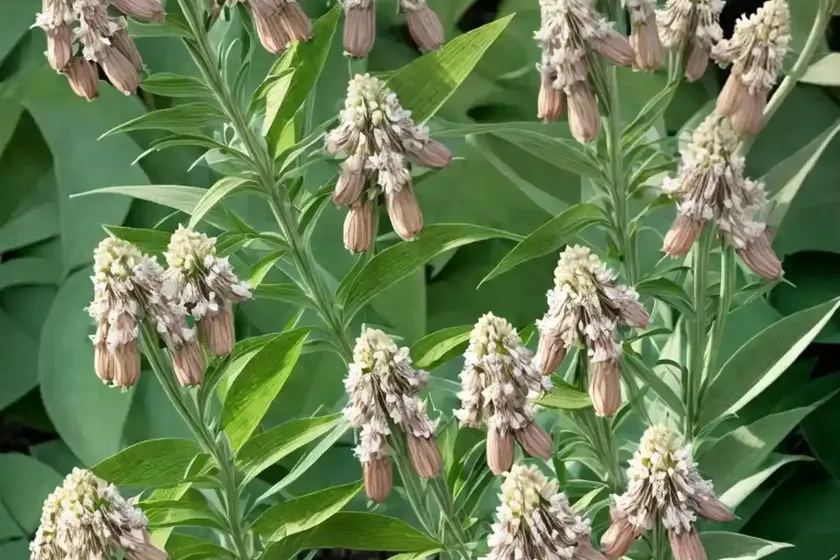
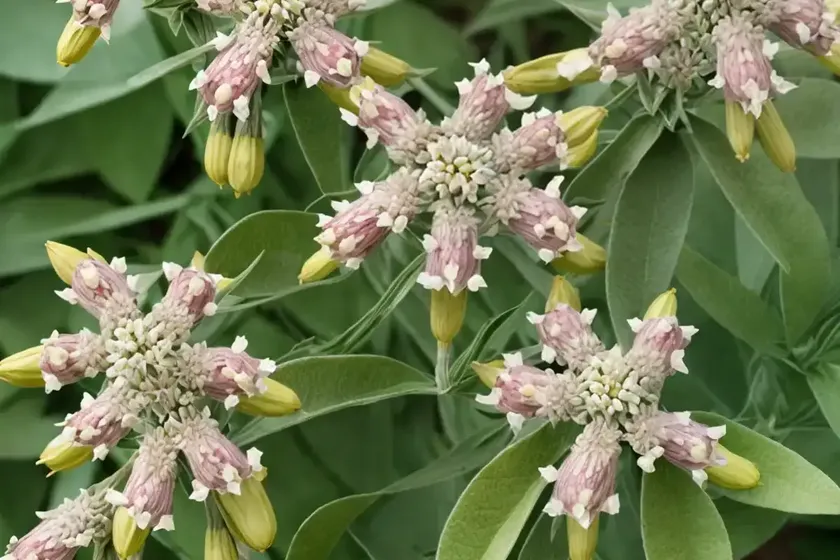
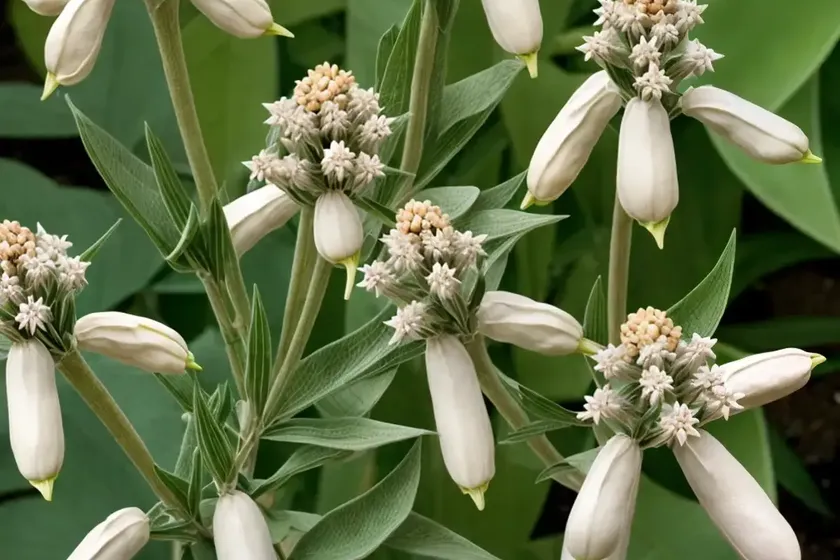
Asclepias syriaca, commonly known as Common Milkweed, is a versatile and important plant in the world of horticulture and ecology. This blog post aims to provide a deep insight into the key aspects of Asclepias syriaca, including its culture, uses, propagation, and ecological significance. Whether you are a gardening enthusiast, a conservationist, or simply interested in plant science, this guide will take you on a journey through the fascinating world of Common Milkweed.
What is Asclepias syriaca?
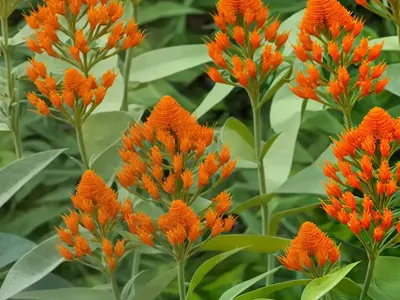
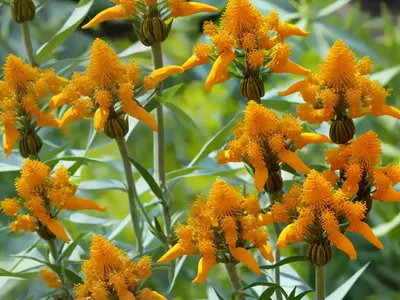
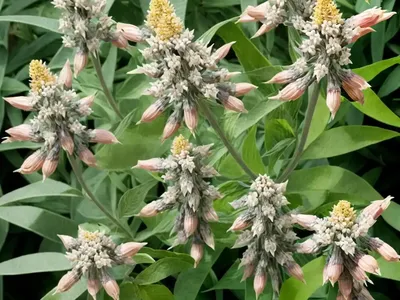
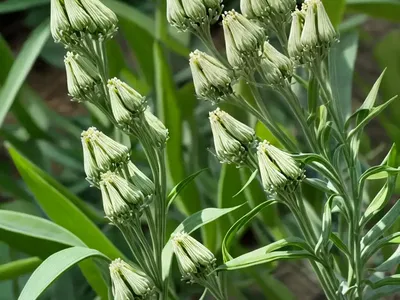
Asclepias syriaca, a member of the Asclepias genus, is a perennial herbaceous plant native to North America. This plant is widely recognized for its distinct clusters of intricate pink to purplish flowers and its ecological importance as a host plant for monarch butterfly caterpillars. Common Milkweed is an essential component of natural ecosystems and has significant cultural, medicinal, and ecological value.
Key Takeaways – Asclepias syriaca (Common Milkweed)
Before delving into the specific aspects of Asclepias syriaca, let’s take a quick look at the key takeaways associated with this remarkable plant:
- Common Name: Common Milkweed
- Scientific Name: Asclepias syriaca
- Plant Type: Perennial herbaceous plant
- Native Habitat: North America
- Ecological Importance: Host plant for monarch butterflies and a valuable source of nectar for pollinators
- Cultural Significance: Historically used for traditional medicine and as a source of fiber
- Garden Uses: Attractive addition to wildlife gardens, butterfly gardens, and sustainable landscaping projects
- Propagation Method: Can be propagated from seeds or root divisions
- Challenges: Susceptible to certain diseases and pests; requires proper management in garden settings
- Ethno-botanical Uses: Significant cultural and historical relevance in various indigenous traditions
- Ecosystem Impact: Plays a vital role in supporting local ecosystems and preserving biodiversity
Now that we have an overview of what Asclepias syriaca entails, let’s explore each of its aspects in detail.
Culture
Proper cultural practices are crucial for the success of Asclepias syriaca in both garden and natural settings. Understanding its requirements for water, sunlight, soil, and fertilizer is essential for promoting healthy growth and maximizing its ecological benefits.
Water
Asclepias syriaca’s Water Needs:
- Common Milkweed is well-adapted to a variety of moisture conditions, but it generally thrives in well-drained soils.
- In garden settings, it is essential to ensure that the plant receives adequate moisture, especially during its initial establishment phase and during periods of prolonged drought.
Sunlight
Sunlight Requirements for Asclepias syriaca:
- Common Milkweed is a sun-loving plant that flourishes in full sunlight.
- When cultivating this plant in garden landscapes, it is important to select a location that receives at least 6 to 8 hours of direct sunlight per day.
Fertilizer
Fertilization Tips for Asclepias syriaca:
- Asclepias syriaca generally does not require heavy fertilization and can thrive in average to poor soils.
- Excessive nitrogen fertilization should be avoided, as it may lead to overly lush foliage at the expense of flower production and ecological benefits.
Soil
Ideal Soil Conditions for Asclepias syriaca:
- Common Milkweed is adaptable to various soil types, including sandy, loamy, and clay soils, as long as they are well-drained.
- It is essential to avoid waterlogged soils, as they can predispose the plant to root diseases.
Proper cultural practices are crucial for the success of Asclepias syriaca in both garden and natural settings. Understanding its requirements for water, sunlight, soil, and fertilizer is essential for promoting healthy growth and maximizing its ecological benefits.
Uses
Asclepias syriaca serves a multitude of purposes, ranging from its ecological significance to its cultural and medicinal uses. Let’s explore the diverse uses associated with this remarkable plant.
Ecological Uses
As a Host Plant for Monarch Butterflies:
- One of the most prominent ecological uses of Asclepias syriaca is its role as a host plant for monarch butterfly caterpillars.
- Monarch butterflies lay their eggs exclusively on milkweed plants, and the caterpillars feed on the leaves, thereby relying on these plants for their survival. By cultivating Common Milkweed, gardeners can contribute to the conservation of monarch butterflies and their remarkable migration.
Nectar Source for Pollinators:
- The flowers of Common Milkweed produce abundant nectar, attracting a diverse array of pollinators, including bees, butterflies, and other beneficial insects.
- Integrating Asclepias syriaca into garden landscapes can enhance the overall biodiversity and ecological resilience of the habitat.
Cultural and Medicinal Uses
Historical Significance:
- Asclepias syriaca holds cultural importance in various indigenous traditions, where it has been utilized for its medicinal and practical properties.
- Historically, different parts of the plant have been used to create fiber, fabric dyes, and traditional medicines.
Fiber Production:
- The strong and resilient fibers of Common Milkweed have been used in the crafting of textiles and ropes. While this use has diminished over time, it showcases the plant’s historical relevance in material culture.
Understanding the diverse uses of Asclepias syriaca highlights its importance not only for ecological conservation and biodiversity but also for its cultural and historical significance.
Pruning
In garden settings, proper pruning can contribute to the overall health, aesthetics, and ecological impact of Asclepias syriaca. Let’s delve into the guidelines for effectively pruning Common Milkweed.
Pruning Asclepias syriaca:
- While Common Milkweed does not require extensive pruning, removing spent flowers and seed pods can promote continuous blooming and prevent self-seeding.
- Pruning should be conducted with caution to avoid disturbing monarch caterpillars and chrysalises during their active periods.
Propagation
Understanding the methods of propagating Asclepias syriaca is crucial for conservation and cultivation efforts. The plant can be propagated through both seeds and root divisions, offering gardeners and conservationists various options for expanding its presence.
Propagation from Seeds
Steps for Propagating Common Milkweed from Seeds:
- Harvest mature seeds from existing Asclepias syriaca plants.
- Sow the seeds in a well-draining seed-starting mix and keep them lightly moist until germination.
- Transplant the seedlings into individual pots once they have developed several true leaves.
- Harden off the seedlings before transplanting them into their permanent locations in the garden.
Propagation via Root Divisions
Propagation of Asclepias syriaca through Root Divisions:
- In early spring, carefully dig up a mature Common Milkweed plant, ensuring that a significant portion of the root system is retained.
- Divide the roots into sections, ensuring that each division has several vigorous buds or shoots.
- Transplant the divisions into prepared garden beds or containers, ensuring that they receive adequate moisture during the establishment phase.
By understanding and employing suitable propagation methods, individuals can contribute to the conservation and proliferation of Asclepias syriaca while also integrating it into diverse garden landscapes.
Container Popularity
Asclepias syriaca’s popularity in container gardening has been steadily growing due to its ecological benefits, distinct aesthetics, and adaptability.
Benefits of Growing Asclepias syriaca in Containers:
- Provides an opportunity for urban and space-limited gardeners to cultivate a valuable native plant species.
- Allows for greater control over soil conditions, moisture levels, and sunlight exposure, thereby offering flexibility in cultivating Common Milkweed.
- Enhances the ecological value of container gardens by attracting pollinators and supporting urban biodiversity.
To successfully grow Asclepias syriaca in containers, it is essential to provide the plant with suitable growing conditions, including the right soil mix, sufficient sunlight, and appropriate watering.
Common Diseases
While Asclepias syriaca is generally resistant to most pests and diseases, it can be susceptible to certain issues, particularly in garden settings. Understanding the common diseases associated with Common Milkweed is essential for implementing effective management strategies.
Disease Diagnosis
Common Diseases Affecting Asclepias syriaca:
- Powdery Mildew: This fungal disease can manifest as a white powdery coating on the leaves, negatively impacting the plant’s aesthetics and overall health.
- Fungal Leaf Spots: Various fungal pathogens can cause dark, necrotic spots on the leaves, potentially leading to defoliation and reduced plant vigor.
Disease Management
Effective Disease Management Strategies:
- Implementing proper cultural practices, including adequate spacing and air circulation, can reduce the risk of fungal diseases.
- Pruning infected plant parts and maintaining good garden hygiene can help prevent the spread of diseases.
- In severe cases, applying a targeted fungicidal treatment may be necessary, following the manufacturer’s guidelines and recommended application rates.
By promptly diagnosing and managing diseases affecting Asclepias syriaca, gardeners can sustainably cultivate this valuable plant while minimizing its susceptibility to common pathogens.
Common Pests
Asclepias syriaca is relatively resistant to pests due to the presence of toxic compounds known as cardiac glycosides, which serve as a natural defense mechanism. However, certain pests may still pose a threat to the plant, necessitating vigilance and proper management.
Pests Affecting Common Milkweed:
- Aphids: These sap-feeding insects can cluster on the tender new growth of Common Milkweed, leading to distorted leaves and reduced plant vigor.
- Milkweed Bugs: While they generally feed on the seeds of Asclepias species, large populations of milkweed bugs can cause damage to the plant’s reproductive structures.
Pest Management Strategies:
- Regularly monitoring the plant for early signs of pest infestations can facilitate timely intervention.
- Natural predators, such as ladybugs and lacewings, can help in controlling aphid populations in garden settings.
- In cases of significant pest pressure, targeted applications of horticultural oils or insecticidal soaps may be considered, prioritizing environmentally friendly and selective treatments.
By understanding the pests that can affect Asclepias syriaca and employing appropriate management strategies, gardeners can safeguard the health and resilience of this valuable plant.
Botanist’s Tips
Drawing from the expertise of botanists and horticulturists, here are some invaluable tips for successfully cultivating Asclepias syriaca and leveraging its ecological and horticultural potential:
Tip 1: Provide Habitat Diversity
- Integrating Asclepias syriaca into diverse garden habitats can enhance its ecological impact and support a wider array of pollinators and beneficial insects.
Tip 2: Support Monarch Conservation
- By planting Common Milkweed and creating suitable habitat conditions, individuals can contribute to monarch butterfly conservation efforts and promote the resilience of their populations.
Tip 3: Practice Ethical Seed Collection
- When collecting seeds from wild populations of Asclepias syriaca, it is crucial to do so responsibly, ensuring the sustainability and integrity of natural ecosystems.
Tip 4: Educate on Ecological Significance
- Educating others about the ecological importance of Asclepias syriaca and its role in supporting local biodiversity can foster greater appreciation and conservation efforts.
Tip 5: Collaborate for Conservation
- Joining local conservation initiatives and collaborating with like-minded individuals can amplify the impact of Asclepias syriaca cultivation and conservation efforts.
By incorporating these tips into their horticultural endeavors, individuals can not only enhance their success in growing Asclepias syriaca but also contribute to broader ecological and conservation objectives.
Fun Facts
To further appreciate the distinctiveness of Asclepias syriaca, here are some intriguing and lesser-known fun facts about Common Milkweed:
- Seed Dispersal Mechanism: Asclepias syriaca disperses its seeds via wind, utilizing specialized parachutes known as coma to travel long distances.
- Monarch Butterfly Migration: Monarch butterflies rely on the nectar and the host plant provided by Asclepias syriaca during their remarkable transcontinental migration.
- Indigenous Uses: Historic indigenous uses of Common Milkweed range from treating respiratory ailments to utilizing the strong fibers for crafting various objects.
- Ecological Symbiosis: The relationship between Asclepias syriaca and monarch butterflies exemplifies a remarkable ecological symbiosis, showcasing the interconnectedness of species in nature.
By uncovering these fun and intriguing facts about Common Milkweed, individuals can develop a deeper appreciation for its ecological significance and cultural relevance.
Links to External Resources
For those seeking additional information and resources on Asclepias syriaca, including plant care guides, ecological significance, and conservation efforts, the following external links are valuable sources of in-depth knowledge:
- The Xerces Society for Invertebrate Conservation
- Monarch Joint Venture
- Lady Bird Johnson Wildflower Center
- United States Department of Agriculture – Plants Database
- North American Butterfly Association
- Native Plant Trust
These reputable organizations and platforms offer a wealth of information, from plant care guidelines to conservation initiatives, enabling individuals to expand their understanding and engagement with Asclepias syriaca.
In conclusion, Asclepias syriaca, or Common Milkweed, stands as a plant of immense ecological, cultural, and horticultural significance. From its role as a host plant for monarch butterflies to its historical uses in indigenous traditions, this perennial herbaceous plant embodies a rich tapestry of values and contributions. By fostering a deeper understanding of Asclepias syriaca and incorporating it into diverse landscapes, individuals can actively contribute to ecological conservation, support native biodiversity, and embrace the inherent beauty and resilience of this remarkable plant. Whether in gardens, natural habitats, or conservation initiatives, the presence of Common Milkweed enriches ecosystems, nurtures pollinators, and perpetuates the connections between plants, wildlife, and human communities.
Asclepias syriaca plant care | Common Milkweed characteristics | Growing Asclepias syriaca | Common Milkweed uses | Asclepias syriaca in the garden | Benefits of Common Milkweed | Asclepias syriaca propagation | Common Milkweed for monarch butterflies | Growing Asclepias syriaca from seeds | Common Milkweed natural habitat | Asclepias syriaca blooming season | Common Milkweed pollinators | Asclepias syriaca as a medicinal plant | Common Milkweed native range | Asclepias syriaca wildlife habitat | Common Milkweed garden design | Asclepias syriaca for sustainable gardening | Common Milkweed as a native species | Asclepias syriaca for landscaping | Common Milkweed as a perennial plant | Asclepias syriaca in the wild | Common Milkweed ecological importance | Asclepias syriaca for attracting bees | Common Milkweed for butterfly gardens | Asclepias syriaca and monarch butterfly conservation | Common Milkweed for wildlife gardens | Asclepias syriaca as a nectar source | Common Milkweed for ecological restoration | Asclepias syriaca and pollinator conservation | Common Milkweed for natural dye production | Asclepias syriaca reproduction methods | Common Milkweed and its role in ecosystems | Asclepias syriaca as a host plant for monarch caterpillars | Common Milkweed and its cultural significance | Asclepias syriaca in traditional medicine | Common Milkweed and its medicinal properties | Asclepias syriaca and biodiversity | Common Milkweed as a source of fiber | Asclepias syriaca in agroforestry | Common Milkweed and soil conservation | Asclepias syriaca for erosion control | Common Milkweed and climate change resilience | Asclepias syriaca and water conservation | Common Milkweed for urban greening | Asclepias syriaca and sustainable agriculture | Common Milkweed for attracting beneficial insects | Asclepias syriaca as a drought-tolerant plant | Common Milkweed and its ethno-botanical uses | Asclepias syriaca in historical contexts | Common Milkweed and its impact on local ecosystems
In this comprehensive guide, we have explored the various facets of Asclepias syriaca (Common Milkweed), encompassing its cultural uses, ecological importance, garden suitability, and conservation value. Through an informed understanding of its characteristics and significance, individuals can play an active role in promoting the resilience of this invaluable plant, fostering biodiversity, and furthering ecological conservation efforts. As we continue to appreciate the interconnectedness of plants, wildlife, and ecosystems, the presence of Asclepias syriaca serves as a testament to the enduring beauty and ecological relevance of native plant species. Whether in gardens, natural landscapes, or conservation projects, the enduring allure of Common Milkweed continues to inspire and enrich our collective engagement with the natural world.
References:
- The Xerces Society for Invertebrate Conservation. Available online
- Monarch Joint Venture. Available online
- Lady Bird Johnson Wildflower Center. Available online
- United States Department of Agriculture – Plants Database. Available online
- North American Butterfly Association. Available online
- Native Plant Trust. Available online