Asclepias Perennis (Aquatic Milkweed)
In the world of flora, there are endless possibilities for exploration and discovery. As a plant scientist, one of the most fascinating aspects of my work.
In the world of flora, there are endless possibilities for exploration and discovery. As a plant scientist, one of the most fascinating aspects of my work is delving into the diverse and captivating realm of plant species. Each plant has a story to tell, with unique characteristics, uses, and ecological significance. In this article, we will embark on an enlightening journey into the world of Asclepias perennis, commonly known as Aquatic Milkweed. We will explore its cultivation, characteristics, habitat, and much more. So, let’s begin our exploration of this captivating plant!
What is Asclepias perennis (Aquatic Milkweed)?
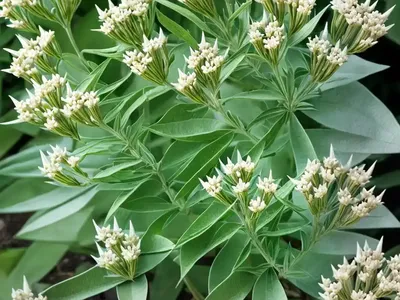
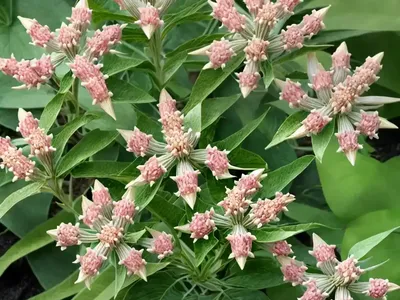
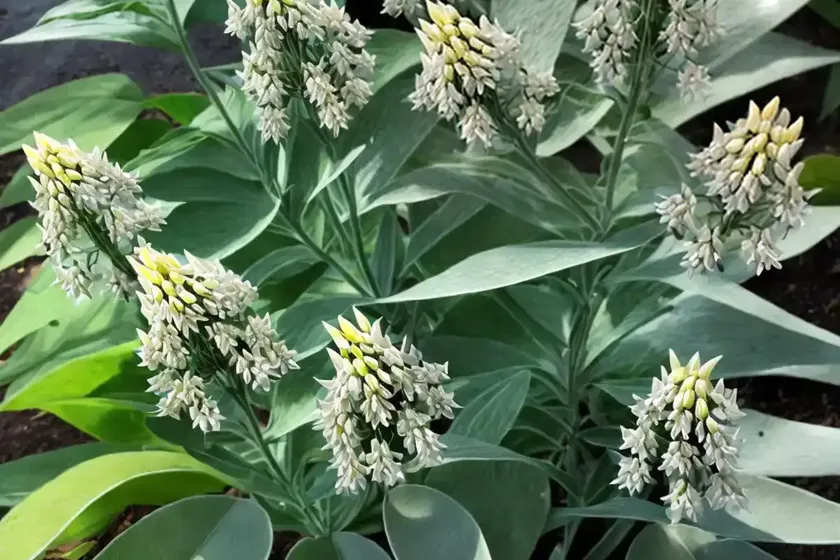
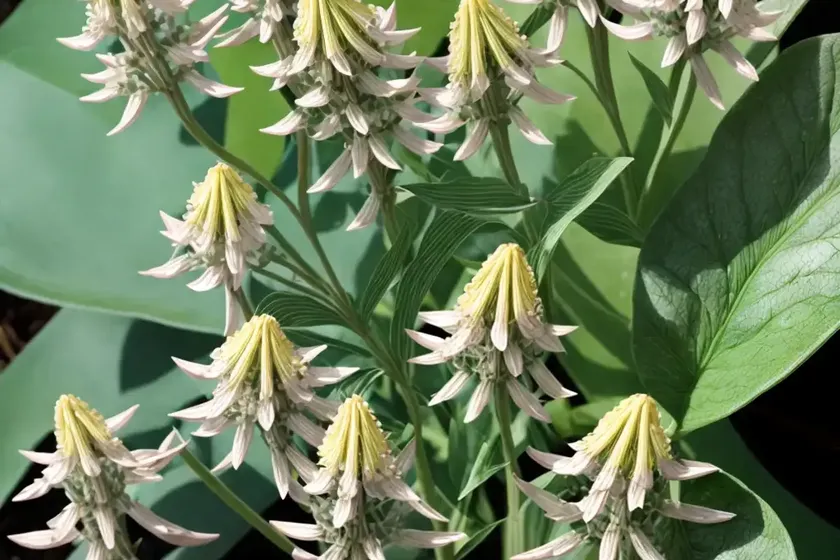
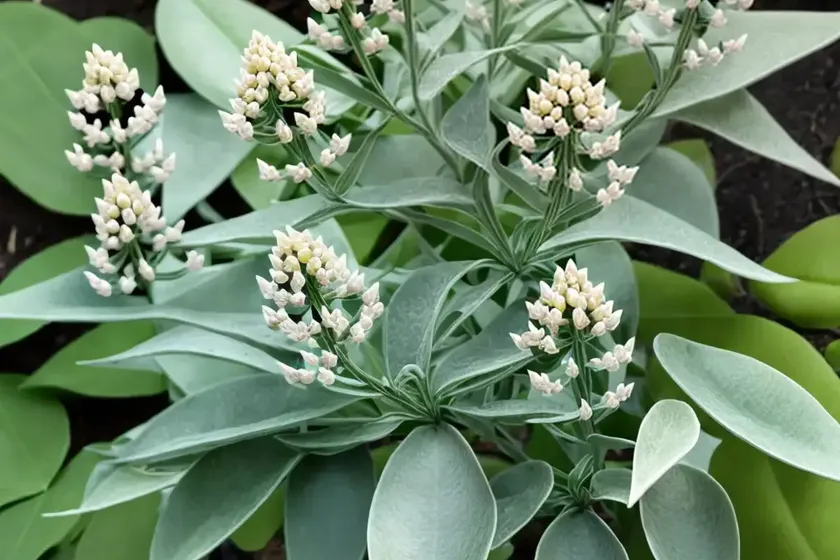
Asclepias perennis, commonly referred to as Aquatic Milkweed, is a perennial herbaceous plant that belongs to the Asclepiadaceae family. This native North American plant is primarily found in wetland habitats, including swamps, marshes, and along the edges of ponds and streams. Asclepias perennis is known for its striking clusters of pale pink to white flowers and its importance as a host plant for monarch butterflies.
Key Takeaways – Asclepias perennis (Aquatic Milkweed)
Before we dive deeper into the specifics of cultivating and caring for Asclepias perennis, let’s take a moment to outline some key takeaways about this remarkable plant.
- Asclepias perennis Facts
- Asclepias perennis is a perennial herbaceous plant.
- It belongs to the Asclepiadaceae family.
-
It is native to North America and thrives in wetland habitats.
-
Aquatic Milkweed Information
- Commonly known as Aquatic Milkweed.
- Recognized for its pale pink to white flowers.
-
Serves as a host plant for monarch butterflies.
-
Growing Asclepias perennis
- Flourishes in wetland environments.
- Adaptable to water gardens and wetland restoration projects.
-
Requires specific care related to water, sunlight, and soil conditions.
-
Aquatic Milkweed Care
- Requires careful attention to water requirements.
- Benefits from ample sunlight and well-draining soil.
-
Pruning and maintenance practices contribute to its health.
-
Asclepias perennis Characteristics
- Notable for its clusters of pale pink to white flowers.
- Attracts pollinators and serves as a valuable wildlife plant.
- Important as a host plant for monarch butterflies.
Now that we have a basic understanding of Asclepias perennis, let’s delve into the intricacies of cultivating and caring for this remarkable plant.
Culture of Asclepias perennis
Understanding the cultural requirements of Asclepias perennis is essential for successfully cultivating and nurturing this plant. From water and sunlight needs to soil preferences, each aspect plays a crucial role in promoting the health and vitality of Aquatic Milkweed.
Uses
Before we explore the specific cultural requirements, it’s important to highlight the diverse uses of Asclepias perennis. Understanding the potential applications of this plant can provide valuable insight into its ecological and practical significance.
Wildlife Plant: Asclepias perennis serves as a vital component of wildlife gardening and conservation efforts. Its ability to attract pollinators and serve as a host plant for monarch butterflies underscores its ecological importance.
Wetland Restoration: Asclepias perennis plays a key role in wetland restoration projects, contributing to the diversity and sustainability of natural ecosystems.
Ornamental Plant: In addition to its ecological importance, Asclepias perennis can be utilized as an ornamental plant, adding beauty and diversity to water gardens and landscape designs.
Water
Asclepias perennis, as its common name suggests, has an inherent affinity for water. Understanding its water requirements is fundamental to its successful cultivation.
Aquatic Habitat: Naturally found in wetland environments, Asclepias perennis thrives in locations with consistent moisture levels and may even tolerate periods of inundation.
Water Gardens: For those interested in incorporating Asclepias perennis into water gardens or similar settings, it’s essential to ensure that the plant receives adequate moisture without being submerged.
Moisture Considerations: Balancing the need for moisture with well-draining conditions is crucial for the health and vigor of Asclepias perennis. Strategies such as incorporating bog gardens or specific water features can cater to its unique water needs.
Sunlight
While water is a defining element of Asclepias perennis culture, sunlight also plays a critical role in its growth and development.
Sunlight Requirements: Asclepias perennis benefits from full to partial sunlight, with a preference for at least six hours of direct sunlight per day.
Shade Tolerance: While sunlight is essential, Asclepias perennis can exhibit some tolerance to partial shade, particularly in hotter climates where some respite from intense sunlight may be beneficial.
Optimizing Sunlight Exposure: Positioning Asclepias perennis in a location that receives ample sunlight, while also considering its water needs, is key to promoting its overall health and flowering potential.
Fertilizer
Asclepias perennis generally does not require heavy fertilization. Its cultural preferences lean more towards soil that is rich in organic matter and nutrients, without an excessive reliance on synthetic fertilizers.
Organic Amendments: Incorporating organic amendments, such as compost or well-rotted manure, into the soil can provide beneficial nutrients for Asclepias perennis.
Minimal Fertilization: Avoiding excessive use of synthetic fertilizers is advisable, as Asclepias perennis may be sensitive to high levels of certain chemical nutrients.
Balanced Nutrient Levels: Striving for a balanced nutrient profile in the soil, achieved through organic enrichment and soil amendments, can support the healthy growth of Asclepias perennis.
Soil
Understanding the soil preferences of Asclepias perennis is integral to creating a suitable environment for its growth and development.
Well-Draining Soil: Asclepias perennis thrives in soil that is moist but well-draining, allowing for essential water retention without becoming waterlogged.
Organic Matter: Incorporating organic matter into the soil promotes fertility and structure, contributing to an optimal growing medium for Asclepias perennis.
Soil pH: While Asclepias perennis can tolerate a range of soil pH levels, aiming for a slightly acidic to neutral pH (6.0-7.0) is beneficial for its overall well-being.
Pruning
Pruning plays a role in promoting the health, appearance, and longevity of Asclepias perennis. Understanding the appropriate pruning techniques is essential for maintaining this plant.
Maintenance Pruning
Routine maintenance pruning can help promote the vigor and appearance of Asclepias perennis.
Removal of Spent Flowers: Deadheading spent flowers can encourage continuous blooming and prevent the plant from expending energy on seed production.
Thinning Out: Occasionally thinning out crowded or excess growth can enhance air circulation and reduce the risk of disease or pest issues.
Cleaning and Tidying: Removing any damaged, diseased, or decaying foliage contributes to the overall health and aesthetic appeal of Asclepias perennis.
Winter Pruning
In regions where winter temperatures can impact Asclepias perennis, dedicated winter pruning considerations come into play.
Cutting Back: Trimming back the foliage of Asclepias perennis in late fall or early winter can help prepare the plant for the dormant season.
Protection from Cold: In colder climates, providing a layer of mulch or protective covering after winter pruning can safeguard Asclepias perennis from potential frost damage.
Late Winter Evaluation: As the late winter months approach, a reassessment of the plant’s condition can guide any additional pruning or maintenance actions.
Propagation
Understanding the methods of propagating Asclepias perennis is valuable for expanding its presence and enhancing its ecological benefits.
Seed Propagation
Seed Collection: Harvesting seed pods from mature Asclepias perennis plants is the first step in the process of seed propagation.
Seed Preparation: Preparing the seeds for propagation may involve methods such as cold stratification, scarification, or other techniques to enhance germination.
Sowing Seeds: Planting the prepared seeds in suitable growing medium and providing optimal conditions for germination and early growth is essential for successful seed propagation.
Rhizome Division
Rhizome Identification: Identifying healthy and viable rhizomes for division is an initial step in this method of propagation.
Division Process: Carefully dividing the rhizomes into sections, ensuring that each division has sufficient root structure and growing points, is essential for successful propagation.
Planting Divisions: Planting the rhizome divisions in favorable soil and providing appropriate care can facilitate their establishment and subsequent growth.
Container Popularity
Asclepias perennis holds appeal as a container plant, particularly for those interested in water gardening or individuals with limited space for traditional garden beds.
Water Features
Container Water Gardens: Incorporating Asclepias perennis into container water gardens or specialized aquatic planters allows for the enjoyment of its beauty and ecological contributions in a confined space.
Balcony and Patio Gardening: Individuals with limited outdoor space can utilize containers to cultivate Asclepias perennis, providing an opportunity to support wildlife and enjoy the plant’s aesthetic qualities.
Educational Settings: Container gardening with Asclepias perennis can be a valuable educational tool, offering insights into wetland ecology and plant-pollinator interactions.
Common Diseases
While Asclepias perennis is generally resilient, it may be susceptible to certain diseases under unfavorable growing conditions. Being aware of common diseases and their symptoms is essential for early detection and appropriate intervention.
Disease Diagnosis
Fungal Infections: Asclepias perennis may be prone to fungal diseases such as powdery mildew, which can manifest as a white powdery coating on the leaves and stems.
Bacterial Wilt: Symptoms of bacterial wilt in Asclepias perennis may include wilting, browning of stems, and a general decline in plant health.
Viral Diseases: Various viral pathogens can affect Asclepias perennis, leading to symptoms such as leaf mottling, distortion, and stunted growth.
Common Pests
While Asclepias perennis is a valuable wildlife plant, it may attract certain pests that can pose challenges to its health and appearance. Identifying and addressing common pests is crucial for the well-being of the plant.
Insect Pests
Aphids: These small, soft-bodied insects may colonize Asclepias perennis, sucking sap from the plant and potentially transmitting viruses.
Caterpillars: While caterpillars, particularly those of monarch butterflies, are natural inhabitants of Asclepias perennis, certain moth caterpillars can consume foliage to an extent that requires management.
Beetles: Some beetle species may feed on the leaves and flowers of Asclepias perennis, impacting its aesthetic and nutritional value.
Botanist’s Tips
Drawing on insights from botanists and plant enthusiasts, we can gather valuable tips for cultivating and appreciating Asclepias perennis.
Wildlife Observation
Enjoying Asclepias perennis as a part of a larger ecosystem provides an opportunity for observing and studying the interactions between plants, pollinators, and other wildlife.
Conservation Efforts
Contributing to conservation efforts that support wetland habitats and native plant species, including Asclepias perennis, can have a meaningful impact on biodiversity and ecological sustainability.
Gardening Partnerships
Collaborating with local gardening groups, conservation organizations, and educational institutions can foster collective efforts to promote the cultivation and understanding of Asclepias perennis.
Fun Facts
Embracing the lighter side of Asclepias perennis, let’s uncover some fun and intriguing facts about this captivating plant.
- The common name “Aquatic Milkweed” reflects its habitat and growth preferences in water-rich environments.
- Asclepias perennis is known for its milky sap, a characteristic of plants within the Asclepias genus.
- Monarch butterflies rely on Asclepias perennis as a host plant for their larvae, making it an essential component of their life cycle.
Links to External Resources
As we conclude our comprehensive exploration of Asclepias perennis, I encourage you to continue your journey of discovery by exploring reputable external resources dedicated to this remarkable plant.
- USDA Plants Database
- Lady Bird Johnson Wildflower Center
- Xerces Society for Invertebrate Conservation
- North American Native Plant Society
- National Wildlife Federation: Gardening for Wildlife
Asclepias perennis, or Aquatic Milkweed, offers a window into the dynamic and interconnected world of native plant species. Through its beauty, ecological significance, and practical uses, this remarkable plant invites us to deepen our understanding of nature’s intricate tapestry. Whether in a wetland restoration project, a water garden, or a wildlife habitat, Asclepias perennis leaves an indelible mark on those who appreciate and cultivate it.
In closing, I hope this comprehensive guide has kindled your curiosity and appreciation for Asclepias perennis. With a deepened understanding of its cultural requirements, ecological importance, and practical uses, we can continue to champion the conservation and celebration of native plant species like Aquatic Milkweed.
The comprehensive guide to Asclepias perennis (Aquatic Milkweed) provides a thorough exploration of its cultivation, characteristics, ecological importance, and practical applications. From its water and sunlight preferences to its role as a host plant for monarch butterflies, Asclepias perennis offers a captivating journey into the world of native plant species. Join us as we delve into the diverse and enriching realm of this remarkable plant!