Asclepias Purpurascens (Purple Milkweed)
Introduction Asclepias purpurascens, commonly known as Purple Milkweed, is a perennial herbaceous plant belonging to the milkweed family, Asclepiadaceae..
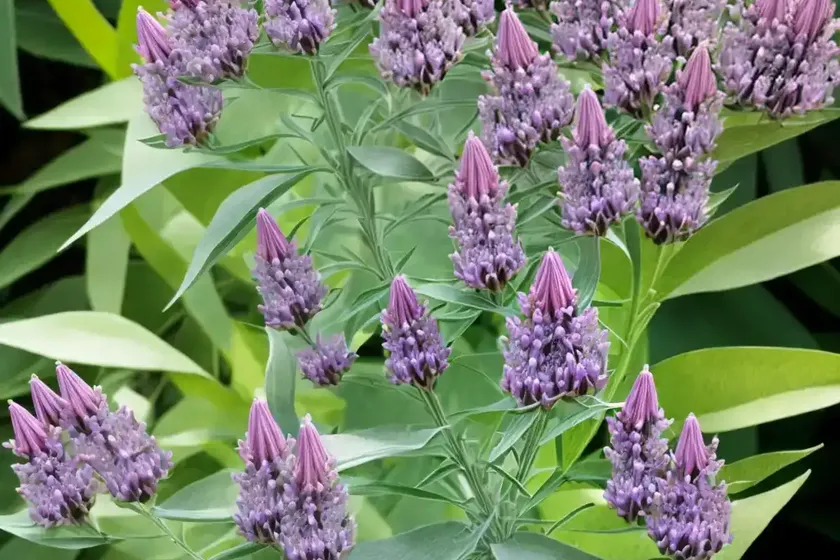
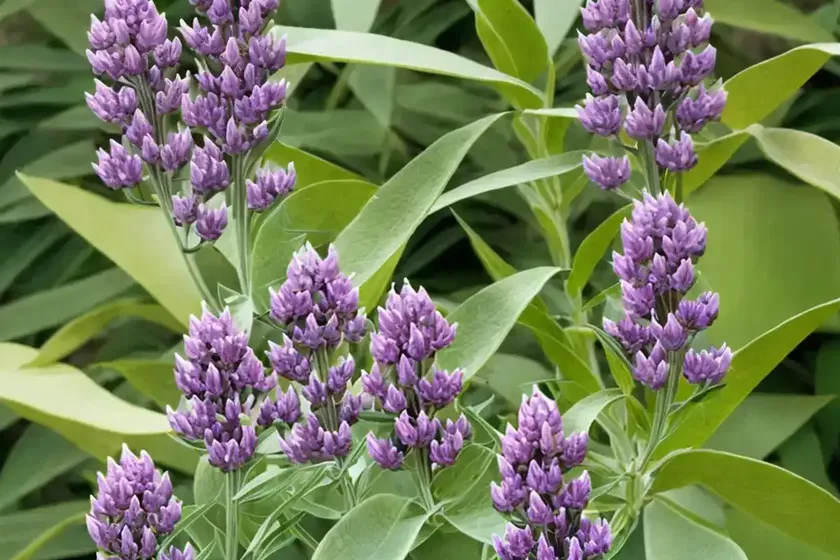
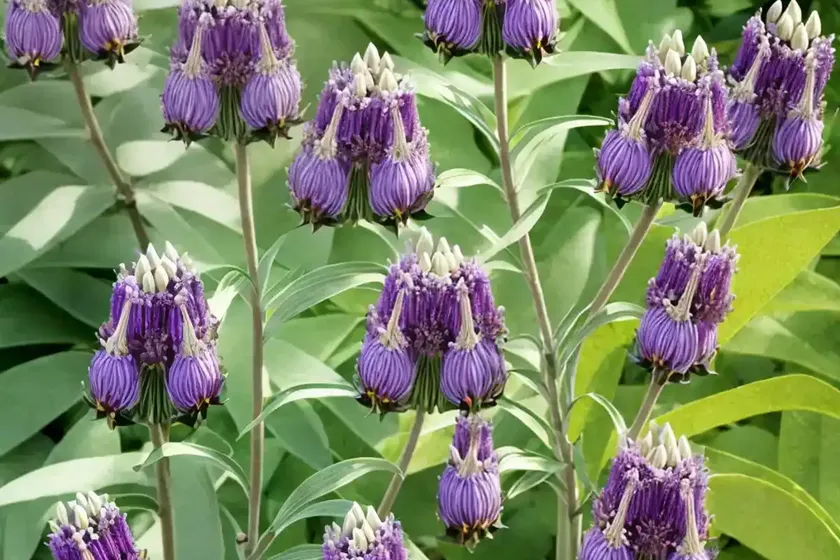
Introduction
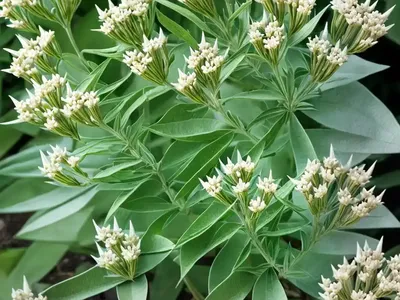
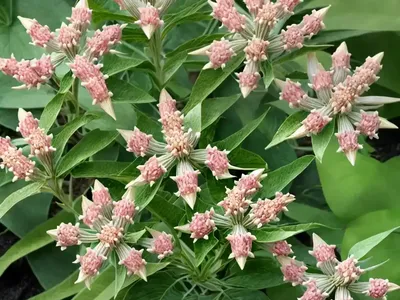
Asclepias purpurascens, commonly known as Purple Milkweed, is a perennial herbaceous plant belonging to the milkweed family, Asclepiadaceae. It is a native wildflower in North America, particularly found in the eastern region of the continent. With its vibrant purple flowers and ecological significance, Asclepias purpurascens has garnered attention from gardeners, conservationists, and researchers for its role in supporting pollinators and contributing to the biodiversity of natural habitats.
What is Asclepias purpurascens?
Asclepias purpurascens is a visually striking plant, known for its unique purple blooms, which are known to attract a wide array of pollinators, particularly monarch butterflies. Its ecological importance extends beyond its aesthetics, as it serves as a host plant for monarch butterfly larvae and is an essential nectar source for various pollinators like bees and hummingbirds.
Key Takeaways – Asclepias purpurascens (Purple Milkweed)
Let’s delve into the key aspects of understanding, cultivating, and appreciating Asclepias purpurascens in a garden setting.
Culture
Cultivating Asclepias purpurascens can be a rewarding experience for gardeners who prioritize biodiversity and sustainable gardening practices. Understanding the specific cultural requirements of this native species is crucial for successfully growing it in a garden or natural landscape.
Uses
Beyond its ecological role, Asclepias purpurascens can be an attractive addition to perennial gardens, butterfly gardens, and native plant landscapes. Its cultural significance in supporting wildlife, particularly monarch butterflies, has led to increased interest in its cultivation for conservation and landscaping purposes.
Water
Purple Milkweed plants are well-adapted to a range of moisture conditions, from average to moist soil. However, they are sensitive to waterlogged soils and prefer well-draining environments. When establishing Purple Milkweed in a garden, regular watering is necessary to support its initial growth and establishment.
Sunlight
Asclepias purpurascens thrives in full sun conditions, where it can receive at least 6-8 hours of direct sunlight per day. Adequate sunlight is essential for promoting robust growth and prolific flowering in this species.
Fertilizer
In general, native plants such as Asclepias purpurascens are adapted to the nutrient levels found in their natural habitats. Excessive fertilization can lead to issues such as overly lush growth and reduced ecological value for pollinators. Therefore, minimal to no fertilization is recommended for Purple Milkweed once it is established in a suitable growing environment.
Soil
Well-drained, loamy soil is ideal for cultivating Asclepias purpurascens. While it can tolerate a range of soil textures, ensuring good drainage is essential for preventing root rot and other soil-related issues.
Pruning
Minimal pruning is required for Purple Milkweed, as it follows a natural growth form that contributes to its ecological function as a wildlife habitat and nectar source. However, deadheading spent flowers can promote prolonged blooming and prevent self-seeding in garden settings.
Propagation
Asclepias purpurascens can be propagated from seeds, root divisions, or stem cuttings. Growing from seeds is a common method for expanding populations of this species, as it allows for genetic diversity and adaptation to local conditions.
Container Popularity
While Asclepias purpurascens can be grown in containers, providing sufficient space for its deep root system is crucial for its long-term success in confined environments. Selecting large and deep containers with adequate drainage can facilitate the cultivation of Purple Milkweed in urban and limited-space settings.
Common Diseases
While Asclepias purpurascens is relatively resistant to many common garden diseases, it can be susceptible to issues such as fungal infections, particularly in overly moist or poorly ventilated growing conditions. Monitoring for signs of leaf spot or powdery mildew can help in early intervention and management of these issues.
Disease Diagnosis
Diagnosing diseases in Asclepias purpurascens often involves visual inspection of the plant for symptoms such as leaf discoloration, unusual spots, or powdery coatings. Additionally, considering the environmental factors, such as excessive moisture or poor air circulation, can aid in determining the cause of observed diseases.
Common Pests
As a member of the milkweed family, Asclepias purpurascens possesses toxic compounds that serve as a natural defense against herbivorous insects. However, some pests, such as aphids and milkweed bugs, can still affect the plant. Vigilance in monitoring for pest activity and employing targeted control measures, if necessary, can help in maintaining healthy populations of Purple Milkweed.
Botanist’s Tips
Engaging in citizen science initiatives such as monitoring monarch populations and participating in habitat restoration efforts can provide valuable insights into the ecological role of Asclepias purpurascens, contributing to its conservation and sustainable management.
Fun Facts
- The vibrant purple flowers of Asclepias purpurascens act as beacons for a variety of pollinators, making it a valuable addition to pollinator gardens.
- As a larval host plant for monarch butterflies, Purple Milkweed plays a critical role in supporting the complete life cycle of these iconic insects.
- The resilient nature of Asclepias purpurascens allows it to thrive in diverse habitats, from open woodlands to meadows and prairies.
Links to External Resources
For further information on Asclepias purpurascens and its role in ecological restoration and gardening, the following resources are highly informative:
– Monarch Joint Venture
– Lady Bird Johnson Wildflower Center
– Xerces Society for Invertebrate Conservation
– National Wildlife Federation
Conclusion
Asclepias purpurascens, the Purple Milkweed, stands as a testament to the intricate relationships between native plants, wildlife, and ecological balance. By understanding its cultural needs, ecological significance, and value in supporting pollinators, individuals can embrace the role of Purple Milkweed in sustainable gardening, conservation, and the preservation of our natural heritage.