Asclepias Physocarpus (Balloon Plant)
In this comprehensive guide, we’ll explore the fascinating world of Asclepias physocarpus, commonly known as the Balloon Plant. This unique and beautiful.
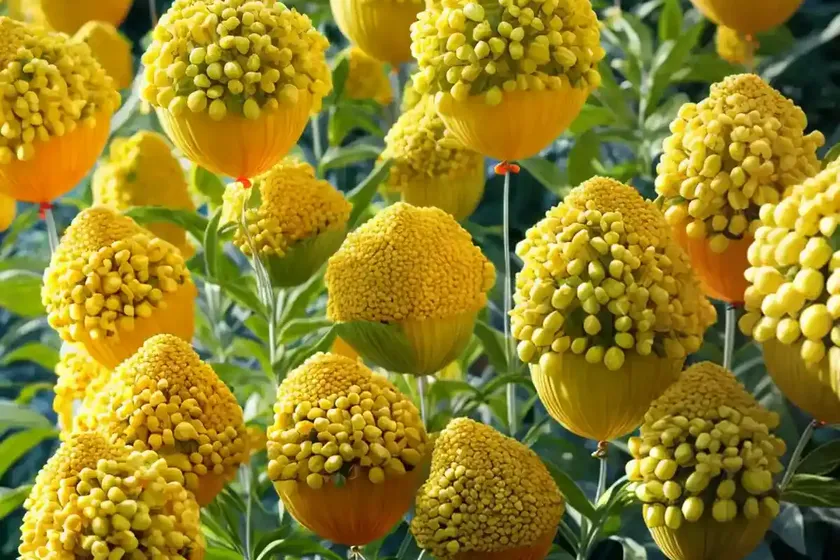
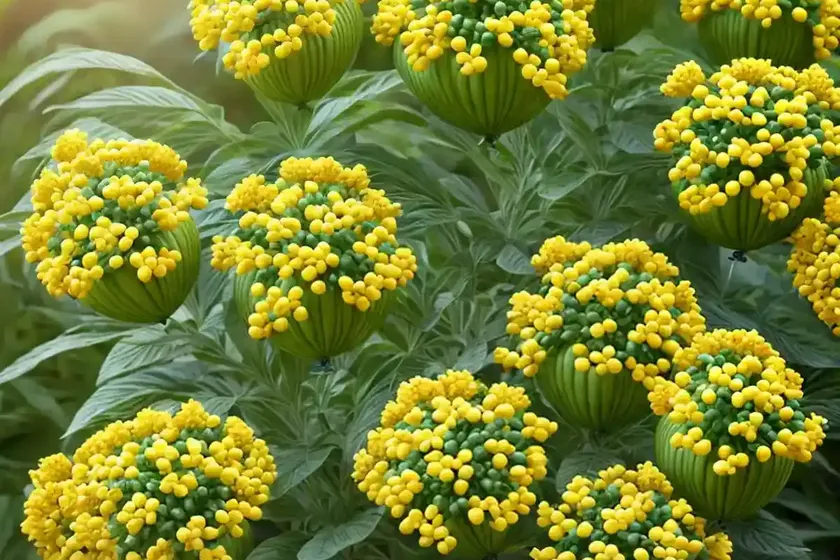
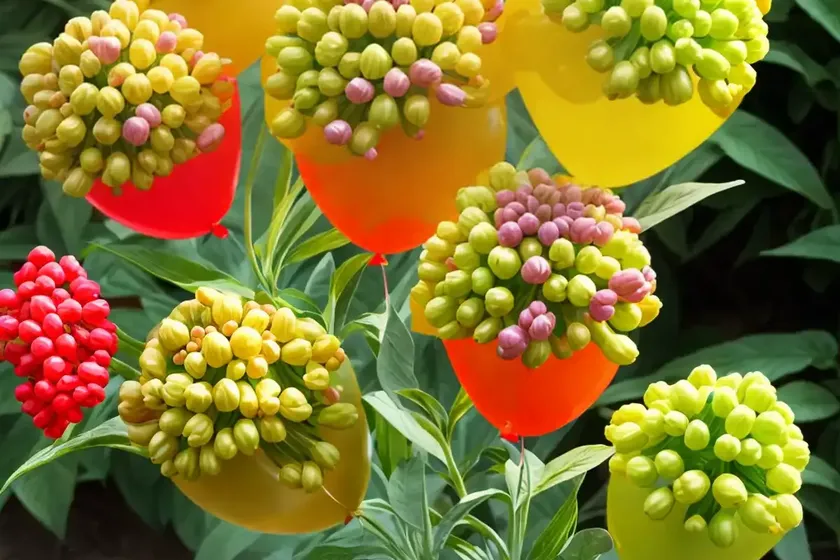
In this comprehensive guide, we’ll explore the fascinating world of Asclepias physocarpus, commonly known as the Balloon Plant. This unique and beautiful plant has garnered attention for its distinct features and various uses. Whether you’re a seasoned gardener or a nature enthusiast, this guide will provide you with valuable insights into the cultivation, care, and benefits of Asclepias physocarpus.
What is Asclepias physocarpus?
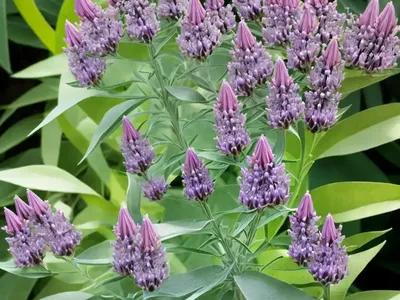
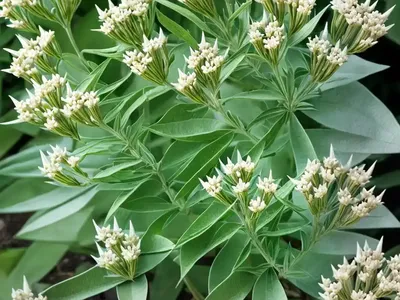
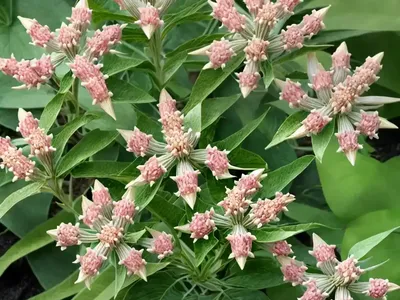
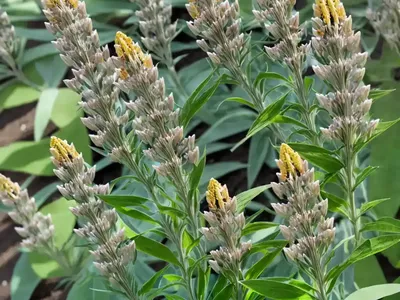
Asclepias physocarpus, also referred to as the Balloon Plant, is a member of the milkweed family, known for its striking appearance and diverse attributes. With its characteristic green, balloon-like pods and vibrant flowers, this plant adds aesthetic appeal to any garden or natural landscape. Indigenous to specific regions, Asclepias physocarpus has also been adopted for various cultural, ecological, and medicinal purposes.
Asclepias physocarpus is renowned for its role in supporting the ecosystem, particularly as a significant food source for pollinators, including butterflies and bees. Furthermore, its ornamental value has made it a popular choice for landscaping and gardening projects. In this guide, we will delve into the unique characteristics, cultural significance, uses, care requirements, and tips for cultivating Asclepias physocarpus.
Key Takeaways – Asclepias physocarpus (Balloon Plant)
As we embark on our journey to explore the captivating world of Asclepias physocarpus, here are some key takeaways that we will cover in detail:
- Asclepias physocarpus Cultivation
- Uses
- Water Requirements
- Sunlight
- Fertilizing Techniques
- Soil Preferences
- Pruning Practices
- Propagation Methods
- Container Gardening
- Popularity and Common Varieties
- Common Diseases and Diagnosis
- Pests and Pest Management
- Botanist’s Tips
- Fun Facts
- Links to External Resources
Now, let’s delve into each of these aspects to gain a comprehensive understanding of Asclepias physocarpus and its diverse characteristics and uses.
Asclepias Physocarpus Cultivation
Cultivating Asclepias physocarpus requires a nuanced understanding of its environmental preferences, growth patterns, and maintenance needs. Whether you’re interested in adding this plant to your garden or exploring its ecological significance, mastering its cultivation techniques is essential. Here’s a detailed look into the cultivation practices for Asclepias physocarpus:
Uses
The uses of Asclepias physocarpus are multifaceted, encompassing both ecological and cultural realms. Understanding its potential applications will provide valuable insights into its significance and role in various settings. The diverse uses of Asclepias physocarpus include:
-
Ecological Significance: Asclepias physocarpus plays a pivotal role in supporting wildlife and pollinators, making it an essential part of ecosystems. Its nectar-rich flowers attract butterflies, bees, and other beneficial insects, contributing to biodiversity and ecological balance.
-
Landscaping and Ornamental Purposes: With its distinctive pods and vibrant flowers, Asclepias physocarpus holds ornamental value, making it an attractive addition to gardens, natural landscapes, and landscaping projects.
-
Medicinal and Cultural Uses: In certain traditional and indigenous practices, Asclepias physocarpus may hold medicinal significance, with parts of the plant used for specific remedies and applications. Additionally, its cultural symbolism and folklore add to its significance in various traditions and beliefs.
-
Educational and Conservation Efforts: Asclepias physocarpus serves as an educational tool, helping individuals understand the intricate relationships between plants, pollinators, and the environment. Furthermore, its conservation status underscores its importance in preservation and restoration efforts.
By recognizing the diverse uses of Asclepias physocarpus, individuals can gain a comprehensive perspective on its significance and potential applications in different contexts.
Water Requirements
Understanding the water needs of Asclepias physocarpus is crucial for its optimal growth and development. As a plant with specific moisture requirements, providing the appropriate amount of water is essential for its health and vitality. Here’s a detailed overview of its water requirements:
-
Watering Guidelines: Asclepias physocarpus typically thrives in well-drained soil and moderate moisture levels. While it can tolerate periods of drought, especially once established, consistent watering during its active growth periods is beneficial.
-
Avoiding Waterlogged Conditions: It’s essential to prevent waterlogged conditions, as excessive moisture can lead to root rot and other detrimental effects. Ensuring proper drainage and avoiding over-watering is key to maintaining the health of Asclepias physocarpus.
-
Adapting to Environmental Factors: Understanding the impact of environmental factors, such as seasonal variations and local climate, on the plant’s water needs is crucial. By adapting watering practices to suit these factors, individuals can promote the plant’s resilience and growth.
By adhering to appropriate watering guidelines and understanding the plant’s response to moisture levels, individuals can support the health and vitality of Asclepias physocarpus in their garden or landscape.
Sunlight
Sunlight plays a vital role in the growth and development of Asclepias physocarpus, influencing its flowering patterns, overall health, and resilience. Understanding its sunlight requirements is essential for creating an ideal environment for the plant to thrive. Here’s an overview of its sunlight preferences:
-
Full Sun Exposure: Asclepias physocarpus thrives in full sunlight, requiring approximately six to eight hours of direct sunlight each day. Adequate sun exposure stimulates its flowering and promotes robust growth.
-
Resilience in Different Light Conditions: While Asclepias physocarpus favors full sun, it can adapt to partial shade in certain settings. However, to ensure optimal flowering and overall health, providing ample sunlight is ideal.
-
Managing Sunlight in Different Climates: Recognizing the impact of regional climate variations on sunlight availability is crucial. By understanding the plant’s response to different light conditions, individuals can tailor their gardening practices to suit their specific climate.
By providing the appropriate sunlight conditions, individuals can create an environment that promotes the flourishing of Asclepias physocarpus and enhances its ornamental and ecological value.
Fertilizing Techniques
Fertilizing Asclepias physocarpus involves strategic application of nutrients to support its growth and flowering. Understanding the plant’s nutritional needs and effective fertilizing techniques is essential for its cultivation. Here’s a detailed look into fertilizing techniques for Asclepias physocarpus:
-
Minimal Fertilization: Asclepias physocarpus generally thrives in nutrient-poor soils, and excessive fertilization can lead to adverse effects. Therefore, minimal or controlled fertilization is recommended, focusing on organic and slow-release fertilizers.
-
Balanced Nutrient Composition: A balanced fertilizer, with a slightly higher phosphorus content to support flowering, can be beneficial. Additionally, ensuring a gradual release of nutrients over time can promote sustained growth without overwhelming the plant.
-
Timely Application: Applying fertilizer during the plant’s active growth periods, generally in the spring, is advisable. This supports its nutritional needs during critical developmental stages, such as flowering and seed production.
By adopting mindful fertilizing techniques and understanding the plant’s response to nutrients, individuals can promote the health and vitality of Asclepias physocarpus, contributing to its ornamental and ecological potential.
Soil Preferences
Asclepias physocarpus exhibits specific soil preferences, emphasizing the importance of providing suitable growing conditions to facilitate its optimal growth and resilience. Understanding its soil requirements is essential for its successful cultivation. Here’s an overview of its soil preferences:
-
Well-Drained, Sandy Soil: Asclepias physocarpus thrives in well-drained soil with a sandy texture, enabling efficient water drainage and preventing waterlogging. This type of soil supports the plant’s root development and overall health.
-
Adaptability to Dry Soils: While Asclepias physocarpus prefers well-drained soil, it can exhibit adaptability to dry, sandy soils, making it a suitable choice for xeriscaping and arid environments.
-
pH Range and Nutrient Availability: The plant generally prefers slightly acidic to neutral soil pH, providing an environment conducive to nutrient uptake and utilization. Understanding the impact of soil pH on nutrient availability is crucial for supporting the plant’s growth.
By recognizing the significance of soil preferences and providing suitable growing conditions, individuals can create an environment that fosters the flourishing of Asclepias physocarpus, enhancing its ornamental and ecological value.
Pruning Practices
Pruning Asclepias physocarpus involves strategic removal of spent blooms, dead foliage, and unwanted growth to maintain the plant’s health, shape, and aesthetic appeal. Implementing appropriate pruning practices is essential for its cultivation. Here’s an overview of effective pruning techniques for Asclepias physocarpus:
-
Deadheading Spent Blooms: Removing faded or spent blooms encourages continued flowering and prevents the plant from expending energy on seed production, promoting sustained ornamental value.
-
Trimming Dead Foliage: Trimming dead or yellowing foliage contributes to the plant’s overall health and appearance, preventing disease spread and enhancing its aesthetic appeal.
-
Controlling Growth: Pruning can be employed to control the growth and spread of Asclepias physocarpus, particularly in garden settings where space management is essential.
By practicing mindful pruning techniques, individuals can promote the health, appearance, and longevity of Asclepias physocarpus, contributing to its ornamental and ecological significance.
Propagation Methods
Propagating Asclepias physocarpus allows individuals to expand their plant collection, support conservation efforts, and share the plant’s beauty and ecological benefits with others. Understanding effective propagation methods is essential for successful reproduction. Here’s a detailed look into propagation techniques for Asclepias physocarpus:
-
Seed Propagation: Propagating Asclepias physocarpus from seeds is a common and effective method. Harvesting mature pods and extracting the seeds for sowing in suitable growing conditions promotes the establishment of new plants.
-
Division and Transplanting: Division of mature Asclepias physocarpus plants and transplanting the divided sections is another propagation method, allowing individuals to create new plantings and expand existing populations.
-
Root Cuttings: Root cuttings provide an alternative method of propagation, enabling individuals to generate new plants from established root sections, fostering the cultivation and conservation of Asclepias physocarpus.
By mastering propagation techniques and understanding the plant’s reproductive processes, individuals can contribute to the preservation, expansion, and enjoyment of Asclepias physocarpus in various settings.
Container Gardening
Cultivating Asclepias physocarpus in containers allows individuals to enjoy its beauty and ecological benefits in diverse settings, including urban environments and smaller garden spaces. Understanding the nuances of container gardening is crucial for the successful cultivation of this plant. Here’s an overview of container gardening practices for Asclepias physocarpus:
-
Selection of Suitable Containers: Choosing well-draining containers of appropriate size and depth is essential for accommodating the plant’s root system and supporting its growth in a confined environment.
-
Quality Potting Mix: Using a high-quality, well-draining potting mix with sufficient aeration and nutrient content promotes the health and vitality of Asclepias physocarpus in containers.
-
Watering and Maintenance: Managing watering practices and maintenance routines is crucial for the health of container-grown Asclepias physocarpus, ensuring adequate moisture levels and addressing any potential issues.
-
Adaptation to Small Spaces: Cultivating Asclepias physocarpus in containers allows individuals with limited outdoor space to enjoy the plant’s ornamental and ecological benefits, contributing to urban greening and biodiversity.
By embracing container gardening techniques, individuals can create thriving environments for Asclepias physocarpus, fostering its beauty and ecological significance in diverse settings.
Popularity and Common Varieties
Asclepias physocarpus has garnered popularity for its unique appearance, ecological significance, and versatile uses in various settings. Its distinct features and cultural relevance have contributed to its recognition in the realm of gardening, landscaping, and conservation. Additionally, several common varieties and cultivars of Asclepias physocarpus showcase its diversity and appeal. Here’s an exploration of its popularity and some common varieties:
Popularity in Gardening and Landscaping
Asclepias physocarpus has gained popularity in gardening and landscaping due to its striking appearance, reliable performance, and ecological benefits. From attracting pollinators to enhancing garden aesthetics, this plant has become a sought-after choice for gardeners and landscape enthusiasts seeking to promote biodiversity and natural beauty.
Variegated Varieties
Several variegated varieties of Asclepias physocarpus exist, showcasing unique leaf patterns and coloration that add visual interest to the plant. These variegated cultivars contribute to the diversity and ornamental value of Asclepias physocarpus, making them popular selections for garden and landscape designs.
Cultural Significance
The cultural significance of Asclepias physocarpus extends to various traditions, folklore, and ecological conservation efforts. Its role in wildlife support, medicinal folklore, and symbolic representations has contributed to its enduring relevance in different cultural contexts.
Conservation and Restoration Efforts
Asclepias physocarpus holds significance in conservation and restoration initiatives, especially in the context of supporting pollinators, preserving native flora, and promoting sustainable ecosystems. Its inclusion in conservation projects underscores its ecological value and potential for enhancing biodiversity.
By recognizing the plant’s popularity and exploring common varieties, individuals can gain a deeper appreciation of Asclepias physocarpus and its diverse applications in gardening, landscaping, and ecological preservation.
Common Diseases and Diagnosis
Understanding the potential diseases and health challenges faced by Asclepias physocarpus is crucial for its effective management and sustainable cultivation. By recognizing common diseases and mastering diagnosis techniques, individuals can implement appropriate measures to safeguard the health and resilience of this plant. Here’s an overview of common diseases and diagnosis for Asclepias physocarpus:
Fungal Infections
-
Diagnosis: Symptoms such as leaf spots, powdery mildew, or other fungal manifestations on the foliage can indicate fungal infections. Observing the plant for signs of fungal disease and identifying the specific strain can aid in targeted treatment.
-
Management: Implementing appropriate fungicidal treatments, improving air circulation, and maintaining optimal growing conditions can mitigate the impact of fungal infections on Asclepias physocarpus.
Bacterial Diseases
-
Diagnosis: Yellowing, wilting, or lesions on the plant’s stem or foliage can signify bacterial diseases. Identifying specific symptoms and conducting bacterial tests can aid in accurate diagnosis.
-
Management: Employing antibacterial treatments and implementing cultural practices to prevent the spread of bacterial diseases are crucial for protecting the health of Asclepias physocarpus.
Viral Conditions
-
Diagnosis: Stunted growth, distorted foliage, or abnormal patterns on the plant can indicate viral infections. Recognizing these symptoms and conducting laboratory tests can aid in confirming viral conditions.
-
Management: While viral infections in plants can present challenges, implementing appropriate measures to prevent the spread of viruses and support the plant’s immune system is essential for minimizing their impact.
By understanding the diagnosis and management of common diseases, individuals can effectively protect the health and vitality of Asclepias physocarpus, contributing to its ornamental and ecological significance.
Pests and Pest Management
Asclepias physocarpus is susceptible to various pests that can impact its health and aesthetic appeal. Recognizing common pests and mastering effective pest management techniques is crucial for mitigating potential damage and promoting the plant’s resilience. Here’s an exploration of common pests and pest management for Asclepias physocarpus:
Aphids
-
Identification: Aphids can infest the foliage of Asclepias physocarpus, leading to distorted growth, sticky residues, and overall decline in plant health. Identifying aphid colonies and their impact is essential for targeted management.
-
Management: Employing natural predators, such as ladybugs, and using organic insecticidal soaps can help control aphid populations and prevent extensive damage to the plant.
Caterpillars
-
Identification: Certain caterpillar species, such as the larvae of monarch butterflies, may feed on the foliage of Asclepias physocarpus. Recognizing caterpillar presence and their impact on the plant is crucial for effective management.
-
Management: Employing physical removal of caterpillars, encouraging natural predator populations, and implementing suitable protective measures can help prevent extensive damage to the plant.
Spider Mites
-
Identification: Spider mites can infest the foliage of Asclepias physocarpus, leading to stippling, webbing, and overall decline in plant health. Recognizing the presence of spider mites and their impact is crucial for targeted management.
-
Management: Employing water spray techniques, enhancing humidity levels, and using natural predatory mites can help control spider mite populations and prevent damage to the plant.
By understanding common pests and employing effective pest management techniques, individuals can protect the health and ornamental value of Asclepias physocarpus, contributing to its resilience in diverse settings.
Botanist’s Tips
Asclepias physocarpus presents unique characteristics and cultivation requirements that can benefit from insights and tips from experienced botanists. Understanding these valuable tips can enrich the cultivation experience and promote the successful growth of this distinctive plant. Here are some botanist’s tips for cultivating Asclepias physocarpus:
-
Supporting Pollinators: Leveraging the ecological significance of Asclepias physocarpus, individuals can strategically incorporate the plant in garden designs to support pollinators and contribute to biodiversity.
-
Adaptability to Dry Conditions: Recognizing the plant’s adaptability to dry, sandy soils and its potential for xeriscaping can inspire individuals to cultivate Asclepias physocarpus in various environmental settings.
-
Conservation Efforts: Engaging in conservation initiatives, such as seed collection and propagation, to support the preservation of native varieties of Asclepias physocarpus can contribute to ecological restoration efforts.
-
Cultural and Medicinal Significance: Exploring the plant’s cultural symbolism, folklore, and potential medicinal uses can enhance its significance in local traditions and ecological awareness.
By embracing insights from botanists and experienced practitioners, individuals can gain a deeper appreciation of Asclepias physocarpus and cultivate it effectively in diverse settings, contributing to its ecological and cultural significance.
Fun Facts
Asclepias physocarpus is replete with interesting and unique attributes, ranging from its ecological associations to cultural significance. Exploring these fun facts can offer individuals a deeper understanding of this captivating plant, enriching their experience and appreciation of its ornamental and ecological value. Here are some fun facts about Asclepias physocarpus:
- Monarch Butterfly Host Plant: Asclepias physocarpus serves as a host plant for the larvae of monarch butterflies, making it an essential component of monarch conservation efforts and