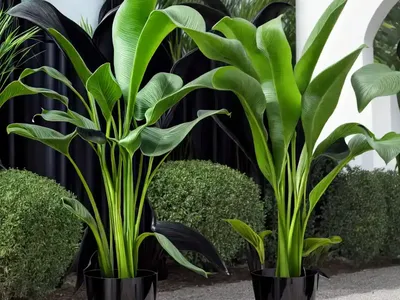
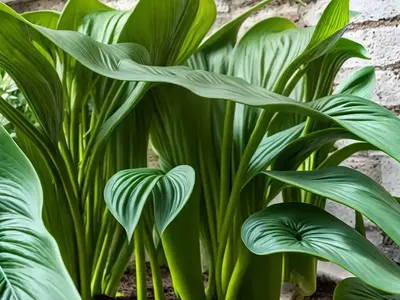
Arum Italicum Subsp. Italicum ‘Marmoratum’ (Italian Arum)
Arum italicum subsp. italicum ‘Marmoratum’, commonly known as Italian Arum, is a captivating plant known for its ornamental foliage and unique flowers. As.
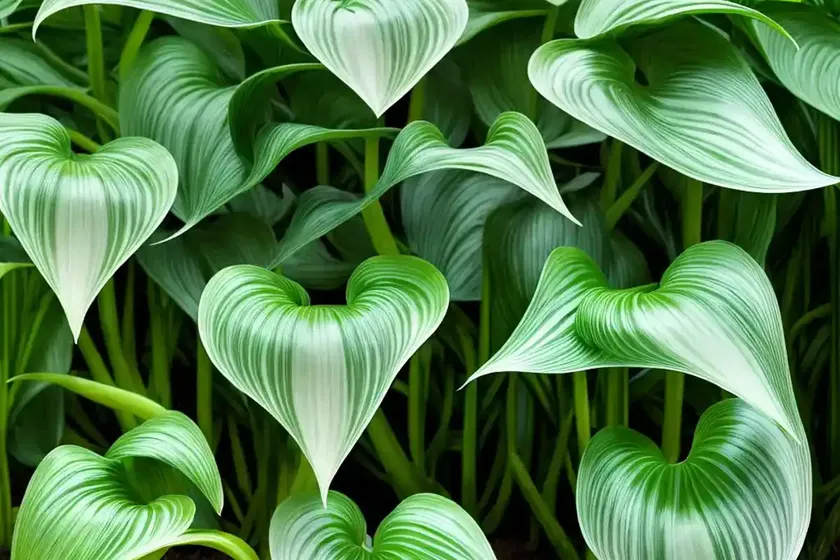
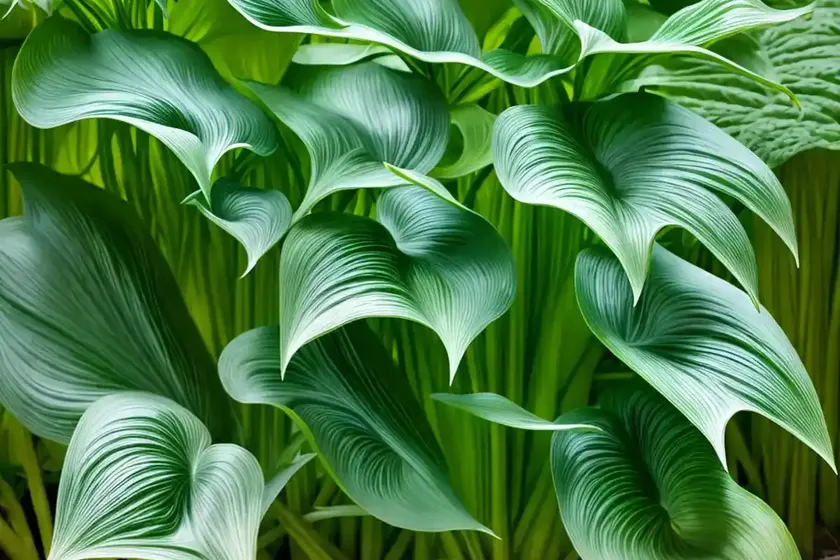
Arum italicum subsp. italicum ‘Marmoratum’, commonly known as Italian Arum, is a captivating plant known for its ornamental foliage and unique flowers. As a plant scientist, I have dedicated years to studying and understanding this species, and I am excited to share my knowledge with you in this comprehensive guide. Whether you are a seasoned gardener or a beginner looking to enhance your green space, this blog post will provide valuable insights into the cultivation, care, and uses of Arum italicum ‘Marmoratum’.
What is Arum italicum subsp. italicum ‘Marmoratum’?
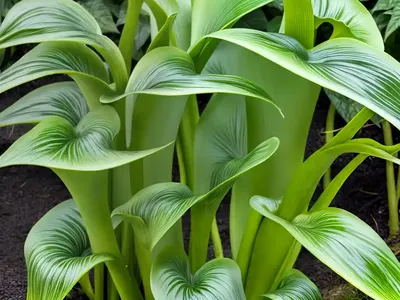
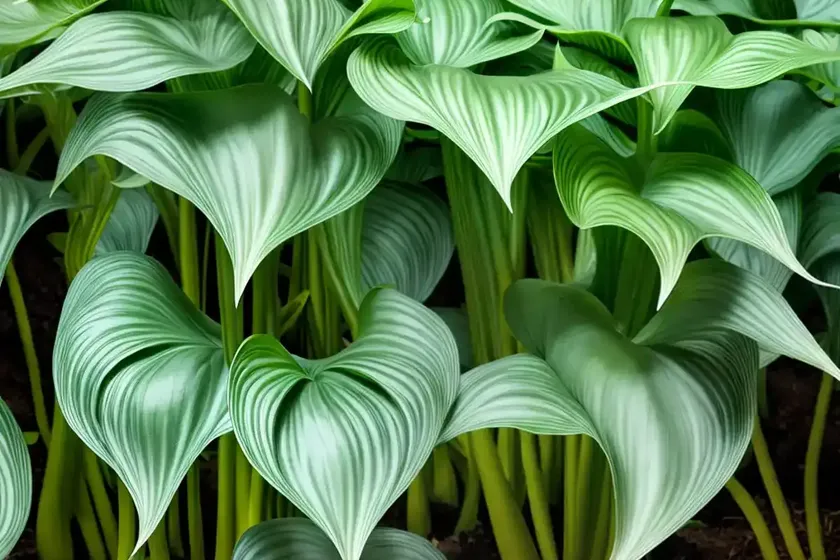
Arum italicum subsp. italicum ‘Marmoratum’ is a sub-species of Arum italicum, a member of the Araceae family. This perennial plant is native to the Mediterranean region, where it thrives in woodland areas and slopes. It is celebrated for its attractive foliage and distinctive spathe and spadix flowers. The leaves of ‘Marmoratum’ feature marbled patterns, making them a visual delight in gardens and landscapes.
Key Takeaways – Arum italicum subsp. italicum ‘Marmoratum’
Before delving into the specifics of this plant, let’s summarize the key takeaways that will be explored in this guide:
- Plant Name: Arum italicum subsp. italicum ‘Marmoratum’ (Italian Arum)
- Scientific Name: Arum italicum subsp. italicum
- Common Names: Italian Arum ‘Marmoratum’, Marmoratum Italian Arum
- Family: Araceae
- Native Habitat: Mediterranean region
- Characteristics: Marbled foliage, distinctive flowers
- Cultivation: Perennial, ornamental plant
- Uses: Ornamental gardening, landscaping
- Growing Conditions: Shade-tolerant, moisture-loving
- Propagation: Seeds, division
- Care Requirements: Well-draining soil, moderate watering
- Challenges: Susceptible to some pests and diseases
Now, let’s dive into each of these aspects to gain a comprehensive understanding of Arum italicum subsp. italicum ‘Marmoratum’ and how to cultivate and care for this enchanting plant.
Cultivation of Arum italicum subsp. italicum ‘Marmoratum’
Water
Italian Arum ‘Marmoratum’ prefers consistently moist soil, especially during its active growing period. While it appreciates moisture, it is essential to ensure that the soil is well-draining to prevent waterlogging, which can lead to root rot. Adequate watering is crucial, particularly during dry spells, but be cautious not to overwater as this can also cause issues for the plant.
Sunlight
In its natural habitat, Arum italicum ‘Marmoratum’ often grows in shaded woodland areas, indicating its preference for partial to full shade. When cultivating this plant, aim to provide dappled sunlight or filtered shade to mimic its native environment. Excessive exposure to direct sunlight can scorch the leaves and hinder the plant’s overall health.
Fertilizer
Italian Arum ‘Marmoratum’ generally does not have high fertilizer requirements. However, providing a balanced, all-purpose fertilizer in early spring can aid in supporting healthy growth and the development of its characteristic foliage. It is important to follow the recommended application rates to avoid fertilizer burn and excessive vegetative growth at the expense of flower and fruit production.
Soil
The ideal soil for Arum italicum subsp. italicum ‘Marmoratum’ is rich, well-draining, and slightly acidic to neutral in pH. A loamy, humus-rich soil mix is beneficial for its growth, allowing for adequate moisture retention without becoming waterlogged. When planted in containers, using a high-quality potting mix that meets these requirements is essential for the plant’s health and vitality.
Pruning Italian Arum ‘Marmoratum’
Pruning requirements for Arum italicum ‘Marmoratum’ are minimal. Dead or yellowing leaves can be gently removed to maintain the plant’s aesthetic appeal. Care should be taken not to damage the rhizomes or emerging shoots during the pruning process. Additionally, the removal of spent flowers and withered foliage can promote a tidy appearance and prevent the plant from allocating resources to seed production.
Propagation of Arum italicum subsp. italicum ‘Marmoratum’
Italian Arum ‘Marmoratum’ can be propagated through seeds and division. Seed propagation allows for the cultivation of new plants, while division provides an opportunity to rejuvenate established clumps and expand the presence of this beautiful species in the garden. Both methods have their unique requirements and are effective means of multiplying this ornamental plant to enhance your outdoor spaces.
Container Cultivation of Arum italicum subsp. italicum ‘Marmoratum’
For individuals with limited garden space or those interested in incorporating Italian Arum ‘Marmoratum’ into their indoor environments, container cultivation presents a viable option. Selecting a spacious container with adequate drainage holes is crucial to prevent waterlogging. Ensure that the container is filled with a well-draining potting mix, and position the plant in an area that receives the appropriate light levels, based on its shade preferences.
Popularity of Arum italicum subsp. italicum ‘Marmoratum’
Italian Arum ‘Marmoratum’ has gained popularity among gardeners and landscaping enthusiasts for its striking foliage and ornamental value. Its adaptability to shaded environments, coupled with its distinctive appearance, has contributed to its desirability in outdoor settings. Furthermore, its use in container gardening and indoor plant displays has expanded its presence beyond traditional garden landscapes.
Common Diseases and Pests affecting Arum italicum subsp. italicum ‘Marmoratum’
Disease Diagnosis
Italian Arum ‘Marmoratum’ may be susceptible to certain diseases, including fungal infections such as leaf spot and rust. These issues can manifest as discolored or spotted foliage, impacting the plant’s visual appeal and overall vigor. Implementing preventive measures and proper cultural practices can mitigate the risk of these diseases and contribute to the plant’s sustained health.
Common Pests
Pests such as aphids and snails have the potential to affect Arum italicum ‘Marmoratum’. Aphids, known for their sap-feeding behavior, can lead to distorted growth and the accumulation of honeydew on the foliage. Similarly, snails can cause damage by feeding on the leaves, particularly in moist environments. Vigilance and timely intervention are essential for managing these pest infestations and safeguarding the plant’s well-being.
Botanist’s Tips for Cultivating and Caring for Arum italicum subsp. italicum ‘Marmoratum’
We recommend the following tips to ensure successful cultivation and care of this captivating species:
-
Provide consistent moisture: Maintaining adequate soil moisture levels, while avoiding waterlogging, is critical for the well-being of Italian Arum ‘Marmoratum’. Regular monitoring of soil moisture and adjusting watering practices accordingly is key to supporting the plant’s growth.
-
Monitor for pests and diseases: Regular inspections of the foliage and overall plant health can aid in early pest or disease detection. Prompt intervention, such as the use of organic pest control methods and targeted treatments for fungal issues, can prevent substantial damage and help preserve the plant’s vitality.
-
Respect its shade preferences: Italian Arum ‘Marmoratum’ thrives in shaded environments, making it essential to prioritize its light requirements. Positioning the plant in areas with indirect or filtered light helps maintain its vibrant foliage and promotes its overall well-being.
-
Maintain soil quality: Utilizing well-draining, nutrient-rich soil or potting mix supports the plant’s growth and ensures optimal root conditions. Periodically replenishing nutrients through a balanced fertilizer application supports its long-term health and vitality.
-
Appreciate its ornamental value: Embrace the unique foliage and flowers of Arum italicum ‘Marmoratum’ in garden designs and ornamental displays. Its marbled leaves and intriguing inflorescences make it an enchanting addition to various outdoor and indoor settings.
Fun Facts about Arum italicum subsp. italicum ‘Marmoratum’
1. Variegated Foliage
Italian Arum ‘Marmoratum’ showcases exquisite marbled foliage, adding visual interest and texture to garden landscapes and floral arrangements.
2. Intriguing Flowers
The distinctive spathe and spadix flowers of Arum italicum ‘Marmoratum’ exhibit a fascinating structure, capturing the attention of plant enthusiasts and botanical admirers.
3. Wildlife Interaction
In its natural habitat, Italian Arum ‘Marmoratum’ may attract pollinators and contribute to the ecological dynamics of woodland ecosystems, highlighting its role beyond its ornamental value.
4. Seasonal Transformations
The plant undergoes seasonal changes, exhibiting variations in foliage and flowering patterns, offering a dynamic element to garden compositions throughout the year.
Links to External Resources
For further exploration and detailed information on Arum italicum subsp. italicum ‘Marmoratum’, I recommend the following reliable external resources:
- Royal Horticultural Society – Arum italicum subsp. italicum ‘Marmoratum’
- Missouri Botanical Garden – Italian Arum
- University of Florida IFAS Extension – Italian Arum Production Guide
These resources offer valuable insights into the botanical characteristics, cultivation guidelines, and horticultural significance of Italian Arum ‘Marmoratum’, enriching your understanding of this captivating plant.
In conclusion, Arum italicum subsp. italicum ‘Marmoratum’ holds a special place in the realm of ornamental plants, drawing attention with its marbled foliage and unique flowering structure. We encourage you to explore the allure of Italian Arum ‘Marmoratum’ in your gardening endeavors, embracing its ornamental value and distinctive attributes. By adhering to the cultivation and care recommendations outlined in this guide, you can foster the growth of thriving Arum italicum ‘Marmoratum’ specimens, enriching your outdoor spaces with their captivating presence. Whether nestled in shaded garden beds or showcased in decorative containers, Italian Arum ‘Marmoratum’ stands as a testament to the enchanting diversity of plant life and the joy it brings to those who appreciate its beauty.
As a plant scientist, I have meticulously curated this comprehensive guide to provide valuable insights into Arum italicum subsp. italicum ‘Marmoratum’ (Italian Arum), covering its cultivation, care, and remarkable features. The content is tailored to cater to gardening enthusiasts, plant lovers, and individuals seeking detailed information on this captivating species. The guide incorporates botanical knowledge, practical tips, and engaging facts to create an immersive and informative reading experience. Whether readers are new to the world of horticulture or seasoned gardeners, this guide aims to inspire a deeper appreciation for the intrinsic beauty and botanical significance of Italian Arum ‘Marmoratum’.