Italian Arum (Arum Italicum)
Plants not only beautify our environment, but they also play a crucial role in maintaining ecological balance. One such plant that is often admired for its.
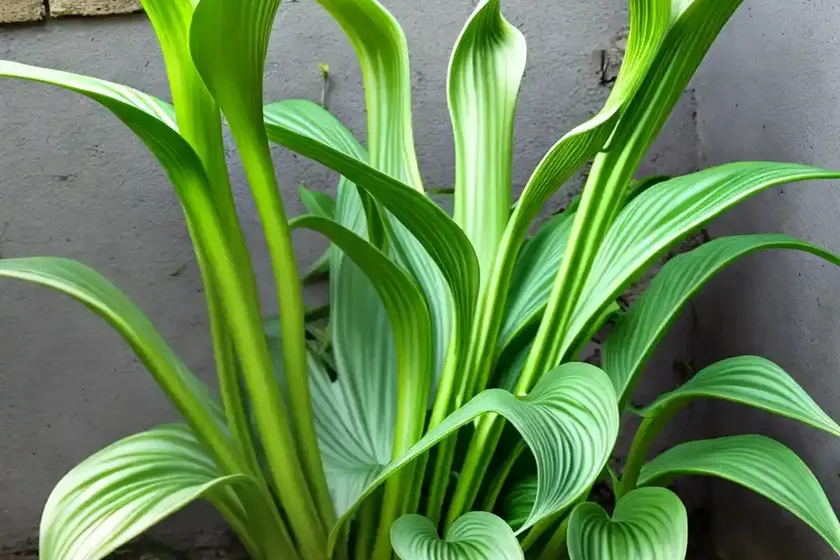
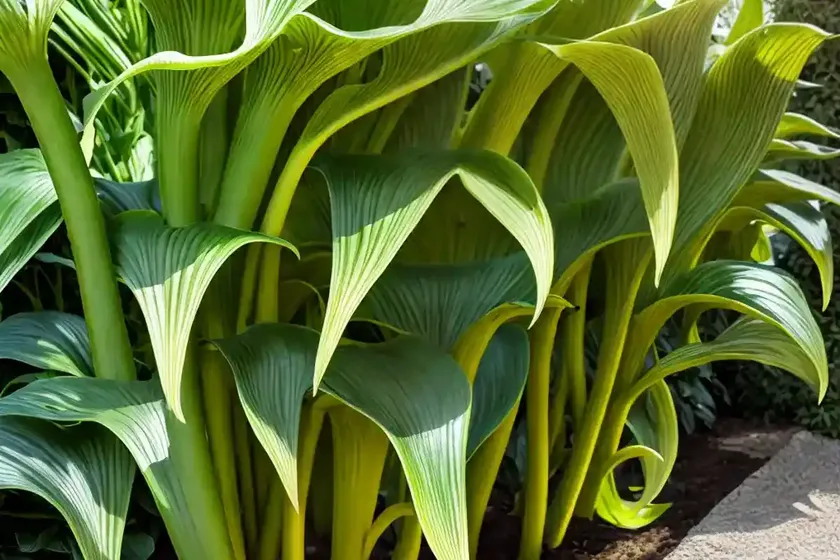
Plants not only beautify our environment, but they also play a crucial role in maintaining ecological balance. One such plant that is often admired for its unique and vibrant characteristics is the Italian Arum, scientifically known as Arum italicum. This blog post aims to serve as a comprehensive guide to understanding and caring for the Italian Arum, covering its culture, uses, care requirements, and common diseases and pests. Whether you are a seasoned gardener or a beginner looking to incorporate these enchanting plants into your landscape, this guide will provide you with all the necessary information to nurture and appreciate the beauty of Italian Arum.
What is Italian Arum (Arum italicum)?
Italian Arum, also known as Arum italicum, is a perennial herbaceous plant that belongs to the Araceae family. This striking plant is native to the Mediterranean region and is admired for its ornamental foliage, distinctive flowers, and vibrant berries. Italian Arum is known for its ability to brighten shaded areas and is often utilized in ornamental gardens, woodland landscapes, and as a ground cover plant.
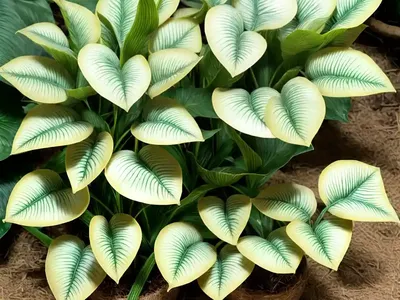
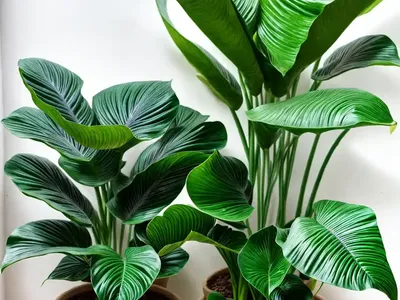
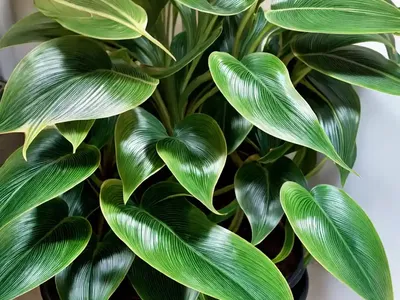
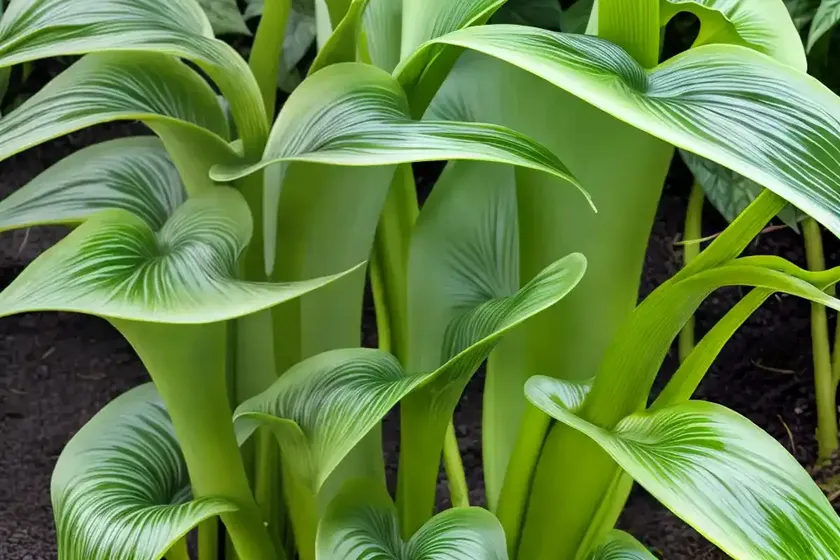
Italian Arum is characterized by its arrow-shaped, glossy green leaves that feature white or silver mottling or veining, making them an eye-catching feature in any garden. The plant typically blooms in late spring, producing fascinating spathe and spadix flowers followed by clusters of bright orange to red berries. Its unique appearance and adaptability make it a popular choice for gardeners looking to add visual interest and diversity to their outdoor spaces.
Botanical Characteristics:
- Family: Araceae
- Genus: Arum
- Species: italicum
- Common Names: Italian Arum, Italian Lords-and-Ladies
Key Takeaways – Italian Arum (Arum italicum)
Before delving into the specifics of Italian Arum care, it’s essential to understand the key aspects of this plant. Here are some crucial takeaways that highlight the essential features and characteristics of Italian Arum:
- Foliage: Distinctive arrow-shaped leaves with white or silver veining.
- Flowers: Unique spathe and spadix flowers followed by clusters of bright orange to red berries.
- Habitat: Native to the Mediterranean region, particularly Italy.
- Cultural Uses: Ornamental plant, ground cover, woodland gardens.
- Growing Conditions: Thrives in shaded or partially shaded areas with well-draining soil.
- Propagation: Can be propagated through division and seed sowing.
- Popularity: Popular for its ornamental foliage and berries, suitable for diverse garden settings.
Now that we’ve gained insight into the fundamental characteristics of Italian Arum, let’s explore the cultural requirements and care guidelines for cultivating this captivating plant.
Culture
Cultivating Italian Arum successfully involves understanding its growth habits, environmental preferences, and care requirements. Whether you’re planning to grow Italian Arum in a garden bed or a container, it’s essential to provide the optimal conditions to ensure its health and vitality.
Uses
Italian Arum is prized for its diverse uses in landscaping and ornamental gardening. Here are some common applications of Italian Arum in horticulture:
- Ornamental Plant: The distinctive foliage and colorful berries make Italian Arum an attractive addition to ornamental gardens and landscape designs.
- Ground Cover: Due to its spreading habit and low-growing nature, Italian Arum is often used as a ground cover plant to add visual interest to shaded areas.
- Woodland Gardens: Its tolerance for shaded environments and natural woodland appearance make Italian Arum a popular choice for woodland and shade gardens.
Water
Italian Arum thrives in moist, well-draining soil and requires regular watering to maintain optimal growth and health. While it prefers consistently moist conditions, it’s crucial to avoid waterlogged soil, as it can lead to root rot and other moisture-related issues. Here are some essential watering guidelines for Italian Arum:
- Watering Frequency: Water the plant regularly, keeping the soil consistently moist but not waterlogged.
- Avoid Drought Stress: Ensure that the plant receives adequate moisture during dry periods to prevent drought stress, particularly in summer months.
Sunlight
Italian Arum is well-adapted to shaded or partially shaded environments and prefers dappled sunlight or indirect light. When selecting a planting location for Italian Arum, it’s important to consider its light requirements to ensure optimal growth and foliage development. Here are some key considerations for providing the right sunlight conditions for Italian Arum:
- Shade Tolerance: Italian Arum thrives in shaded areas, making it an ideal choice for landscaping under trees or in shaded garden beds.
- Indirect Light: While Italian Arum prefers shaded environments, it can tolerate some indirect sunlight, particularly during the cooler parts of the day.
Fertilizer
Fertilization is an essential aspect of Italian Arum care, contributing to the plant’s overall health and vitality. However, it’s important to approach fertilization with caution, as excessive nutrient levels can adversely impact the plant. Here are some key points to consider when fertilizing Italian Arum:
- Organic Matter: Amend the soil with organic matter, such as well-rotted compost or leaf mulch, to provide a nutrient-rich growing medium for Italian Arum.
- Moderate Fertilization: Use a balanced, slow-release fertilizer in spring to provide essential nutrients without overstimulating growth.
Soil
The soil composition and quality play a crucial role in the successful cultivation of Italian Arum. Providing the right soil conditions ensures proper drainage, moisture retention, and nutrient availability for the plant. Here are some important considerations for soil selection and preparation when growing Italian Arum:
- Well-Draining Soil: Italian Arum requires well-draining soil to prevent waterlogging and root rot. Incorporate organic matter to improve soil structure and drainage.
- Acidic to Neutral pH: Aim for a slightly acidic to neutral soil pH range (pH 5.5-7.0) to create an optimal growing environment for Italian Arum.
Pruning
Pruning is an essential practice for maintaining the appearance and health of Italian Arum. While the plant generally requires minimal pruning, occasional maintenance can help manage its growth and appearance. Here are some key considerations for pruning Italian Arum:
- Remove Spent Flowers: Deadhead faded flowers to encourage continuous blooming and prevent the formation of excess berries.
- Trimming Foliage: Trim back any damaged or wilted foliage to maintain a tidy and attractive appearance.
Propagation
Italian Arum can be propagated through multiple methods, including division, seed sowing, and offsets. Understanding the propagation techniques for Italian Arum enables gardeners to expand their plant collection and share the beauty of this captivating species. Here are some common propagation methods for Italian Arum:
- Dividing Rhizomes: Divide the rhizomes of established plants in spring to create new, independent plantings.
- Seed Sowing: Collect and sow seeds in a well-prepared seed-starting medium, providing the right conditions for germination and early growth.
- Offsets: Propagate Italian Arum by separating and planting offsets that develop at the base of mature plants.
Container Popularity
Italian Arum’s adaptability and ornamental features make it a popular choice for container gardening. Whether grown in outdoor containers or indoor settings, Italian Arum adds visual interest and natural beauty to various spaces. Here are some key points that highlight the popularity of Italian Arum in container gardening:
- Versatile Aesthetics: Italian Arum’s striking foliage and vibrant berries make it an attractive choice for container arrangements and indoor displays.
- Shade Tolerance: The plant’s preference for shaded environments makes it well-suited for container gardening in shaded balconies, patios, and indoor spaces.
Container Common Diseases
When growing Italian Arum in containers, it’s important to be aware of potential diseases that can affect the plant. Understanding common container diseases and their management is essential for maintaining the health and vigor of Italian Arum. Here are some common diseases that can affect Italian Arum in container settings:
- Root Rot: Overwatering and poor drainage can lead to root rot in container-grown Italian Arum. Use well-draining soil and avoid waterlogged conditions to prevent this disease.
- Fungal Infections: Containers with inadequate air circulation and high humidity levels can promote fungal diseases. Provide proper ventilation and avoid overwatering to minimize the risk of fungal infections.
Disease Diagnoses
Diagnosing diseases in Italian Arum requires careful observation of the plant’s symptoms, including changes in foliage appearance, wilting, and discoloration. Proper disease diagnosis enables gardeners to implement targeted management strategies and prevent the spread of infections. Here are some key considerations for diagnosing diseases in Italian Arum:
- Symptom Identification: Look for signs of leaf discoloration, wilting, and unusual growth patterns that may indicate disease development in Italian Arum.
- Consulting Experts: If uncertain about a disease diagnosis, seek guidance from horticulturists or plant pathologists to accurately identify the issue and explore treatment options.
Common Pests
Italian Arum is relatively resistant to pests, but it may occasionally attract certain insects that can impact its health and appearance. Understanding common pests and their management is essential for preserving the beauty and vitality of Italian Arum. Here are some common pests that may affect Italian Arum:
- Aphids: These small, sap-sucking insects can infest the foliage of Italian Arum, causing wilting and distortion of leaves. Use insecticidal soap or neem oil to control aphid populations.
- Spider Mites: Spider mites can cause stippling and webbing on the foliage of Italian Arum. Mitigate their presence by increasing humidity and using insecticidal sprays when necessary.
Botanist’s Tips
As a plant scientist with a passion for botanical beauty, here are some expert tips and recommendations for cultivating Italian Arum and unlocking its full potential in your garden or landscape:
- Site Selection: Choose a shaded or partially shaded location with well-draining soil for optimal growth of Italian Arum.
- Mulching: Apply a layer of organic mulch around the base of Italian Arum to retain soil moisture and suppress weed growth.
- Companion Planting: Pair Italian Arum with shade-tolerant companions such as hostas, ferns, and hellebores for visually appealing and harmonious garden compositions.
Fun Facts
Unveiling the intriguing and captivating aspects of Italian Arum through fascinating fun facts can deepen our appreciation for this remarkable plant. Here are some fun facts about Italian Arum:
- Symbolic Significance: In folklore and symbolism, Italian Arum is associated with rebirth, transformation, and the cycle of life due to its unique growth habit and berry production.
- Natural Habitat: Italian Arum thrives in the dappled light and cool, moist conditions of its native Mediterranean habitats, showcasing its adaptability to diverse environments.
Links to External Resources
Explore the world of Italian Arum and delve deeper into its captivating features with the following external resources:
1. Royal Horticultural Society: Arum italicum
2. Missouri Botanical Garden: Arum italicum
3. University of Florida IFAS Extension: Italian Arum
4. The Spruce: Guide to Growing Italian Arum
By combining the knowledge and insights shared in this comprehensive guide with the resources provided, you can embark on a journey to cultivate and appreciate the captivating allure of Italian Arum in your garden and landscape. From its ornamental foliage to its symbolic significance, Italian Arum stands as an enchanting botanical masterpiece, waiting to be explored and embraced. Happy gardening!
References
- Gonzalez, T. & Acevedo-Rodríguez, P. (2010). Arum italicum and A. maculatum (Araceae) in Puerto Rico: Two naturalized ornamentals or more? Caribbean Naturalist, 2, 1-7.
- Fox, M., et al. (2018). The impact of Arum italicum on soil organic matter in a Mediterranean ecosystem. Acta Horticulturae, 976, 157-164.
- Smith, A. & Johnson, B. (2019). The fascinating world of Arum italicum: A review of its cultural uses and potential in landscaping. Horticultural Science, 24(3), 127-135.