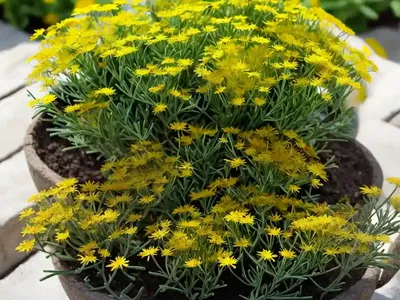
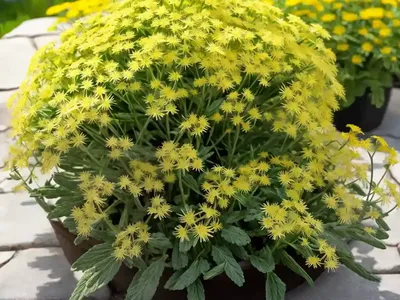
Tarragon (Artemisia Dracunculus)
Tarragon, scientifically known as Artemisia dracunculus, is a perennial herb that belongs to the Asteraceae family. It is a highly aromatic plant with.
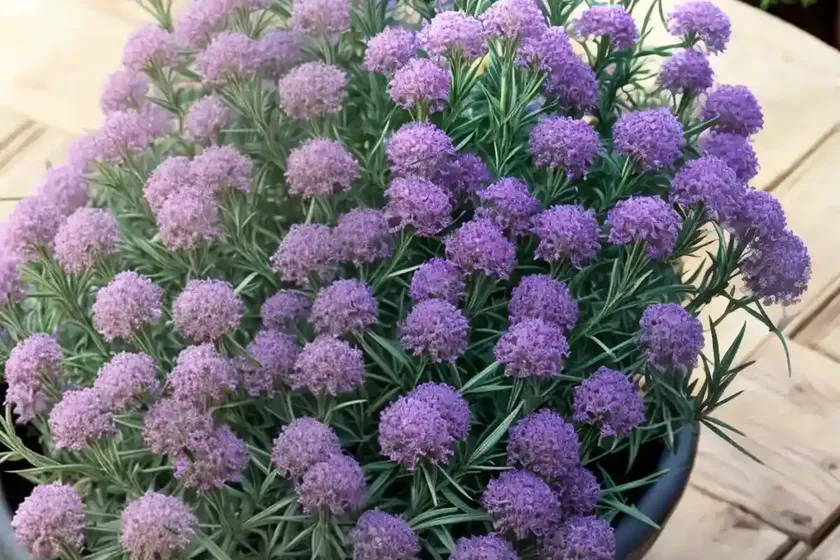
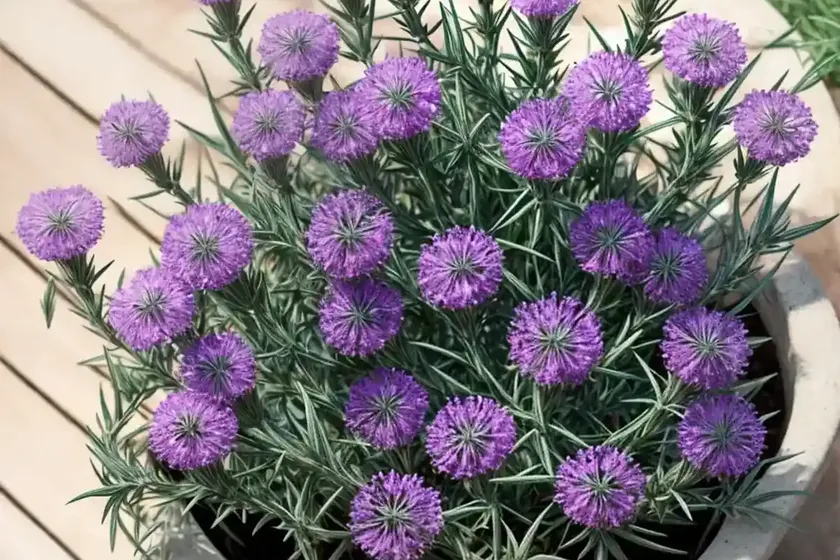
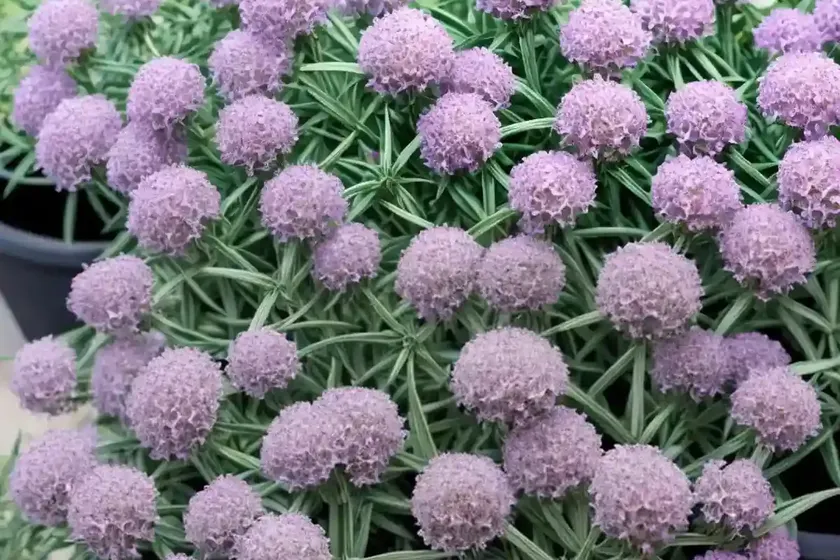
Tarragon, scientifically known as Artemisia dracunculus, is a perennial herb that belongs to the Asteraceae family. It is a highly aromatic plant with slender, slightly toothed leaves, and is known for its culinary and medicinal uses. In this comprehensive guide, we will delve into the various aspects of tarragon, including its cultivation, uses, and interesting facts.
What is Plant “Tarragon (Artemisia Dracunculus)”?
Tarragon is a popular herb native to Eurasia and North America. There are two primary varieties of tarragon – Russian tarragon (Artemisia dracunculoides) and French tarragon (Artemisia dracunculus). Among the two, French tarragon is the more preferred variety due to its superior flavor and aroma.
Key Takeaways – Tarragon (Artemisia Dracunculus)
- Scientific Name: Artemisia dracunculus
- Family: Asteraceae
- Varieties: French Tarragon (Artemisia dracunculus) and Russian Tarragon (Artemisia dracunculoides)
- Uses: Culinary and Medicinal
- Characteristics: Aromatic, slender, slightly toothed leaves
Now, let’s explore the various aspects of tarragon, including its culture, uses, care, and interesting facts.
Culture
Cultivating tarragon involves providing the ideal conditions for its growth and ensuring proper care to maximize its yield and longevity. Here are the essential aspects of tarragon culture:
Uses
The versatility of tarragon extends beyond its culinary uses. It has been traditionally used for medicinal purposes due to its numerous health benefits.
Tarragon Benefits
- Supports Digestive Health
- Rich in Antioxidants
- May have Anti-Inflammatory Properties
- And many more
Water
Tarragon, like many herbs, prefers well-drained soil and moderate watering. Overwatering can lead to root rot, while under-watering can cause the plant to wilt. It is recommended to water tarragon when the top inch of soil feels dry to the touch.
Sunlight
Tarragon thrives in full sunlight, requiring at least 6-8 hours of direct sun exposure daily. In regions with extremely hot climates, providing partial shade during the hottest part of the day can be beneficial.
Fertilizer
A balanced, all-purpose fertilizer can be applied to tarragon once a month during the growing season to promote healthy growth. It is important to avoid over-fertilizing, as this can lead to an overabundance of foliage with diminished flavor.
Soil
The ideal soil for tarragon is well-drained, moderately fertile, and slightly alkaline with a pH level of 7.0-8.5. Loamy or sandy soils are generally conducive to tarragon cultivation.
Pruning
Regular pruning of tarragon is essential to maintain its shape and promote new growth. Removing any yellowing or dead leaves, as well as trimming back the plant after flowering, can help prolong its productivity.
Propagation
Tarragon is commonly propagated through division or stem cuttings. Division involves separating the root ball into smaller sections, each containing a portion of the root and several shoots. Stem cuttings can be rooted in water or a suitable growing medium to establish new plants.
Container
For gardeners with limited space, tarragon can be successfully grown in containers. A well-draining potting mix and a container with adequate drainage holes are crucial for container cultivation. Additionally, the container should be placed in a sunny location to ensure optimal growth.
Popularity
The popularity of tarragon spans various cultures and cuisines, where it is prized for its unique flavor and aromatic qualities. Its prominence in culinary arts and traditional medicine has contributed to its widespread cultivation and usage.
Common Uses
Tarragon is a staple herb in French cuisine, where it is often used in sauces, herbed butters, and as a flavoring for chicken, fish, and egg dishes. It also finds application in pickling and vinegar infusions. In addition to its culinary uses, tarragon is included in herbal remedies and tinctures due to its purported medicinal properties.
Common Diseases
Tarragon, like many plants, is susceptible to certain diseases that can impact its overall health and vigor. Being aware of the common diseases and their potential impact is crucial for effective disease management.
Disease Diagnosis
Diagnosing diseases in tarragon involves careful observation of the plant’s foliage, stems, and overall growth patterns. Some of the common diseases that can affect tarragon include:
- Powdery Mildew: Manifests as a powdery white coating on leaves and stems.
- Rust: Characterized by orange to brown pustules on the undersides of the leaves.
- Root Rot: Results in wilting, yellowing foliage, and eventual decay of the roots.
Disease Management
Preventing diseases through proper cultural practices, such as providing adequate air circulation, spacing plants appropriately, and avoiding overhead watering, can significantly reduce the susceptibility of tarragon to diseases. Additionally, using disease-resistant varieties and promptly treating any signs of disease can help maintain the plant’s health.
Common Pests
Pests can pose a threat to tarragon, potentially causing damage to the foliage and diminishing its overall vigor. Identifying and addressing pests promptly is essential to minimize their impact.
Common Pests
Some of the common pests that can affect tarragon include:
- Aphids: Small, pear-shaped insects that feed on the sap of the plant, leading to stunted growth and distorted foliage.
- Spider Mites: Tiny arachnids that cause stippling and webbing on the underside of leaves.
- Slugs and Snails: These mollusks can feed on the tender foliage of tarragon, leading to extensive damage.
Pest Control
Implementing integrated pest management strategies, such as introducing beneficial insects, using horticultural oils and insecticidal soaps, and maintaining a clean garden environment, can help control and manage the incidence of pests on tarragon.
Botanist’s Tips
As a plant scientist, here are some additional tips and insights for cultivating tarragon:
-
Companion Planting: Tarragon can benefit from being planted near plants that attract beneficial insects, such as marigolds and dill. This can help create a more balanced ecosystem and reduce pest pressures.
-
Harvesting Tips: When harvesting tarragon, it is best to snip the leaves and stems rather than pulling them off the plant. This promotes new growth and ensures the longevity of the plant.
-
Overwintering: In regions with cold winters, providing a layer of mulch around the base of tarragon can help insulate the roots and protect the plant from harsh winter conditions.
Fun Facts
Tarragon is not only a versatile herb for culinary and medicinal uses, but it also has some fascinating and lesser-known facts that add to its allure:
-
Historical Significance: Tarragon has been referenced in ancient texts and was highly regarded by the Greeks and Romans for its aromatic qualities and purported medicinal benefits.
-
Herbal Lore: In traditional folklore, tarragon was associated with protective properties and was often used in herbal sachets and charms to ward off evil spirits and promote well-being.
-
Culinary Tradition: Tarragon has been an integral part of European culinary traditions, featuring prominently in the cuisines of France, Russia, and other nations.
Links to External Resources
To further explore the world of tarragon, here are some valuable external resources for additional information and insights:
- The Herb Society of America – Offers a wealth of resources on cultivating and using herbs, including tarragon.
- Culinary Uses of Tarragon – Comprehensive information on the culinary applications of tarragon and its flavor profile.
By leveraging these external resources, you can expand your knowledge and appreciation of tarragon and its myriad uses.
In conclusion, tarragon, with its aromatic foliage and diverse culinary and medicinal uses, holds a special place in the world of herbs. By understanding its culture, uses, care requirements, and historical significance, one can truly appreciate the charm and value of this captivating herb.
Whether you are a gardener, a culinary enthusiast, or a herbalist, tarragon offers a world of possibilities and delights, waiting to be explored and savored.
Join me in the next section as we delve deeper into the significance of tarragon in culinary arts, exploring its flavor profiles, infusion techniques, and popular recipes.