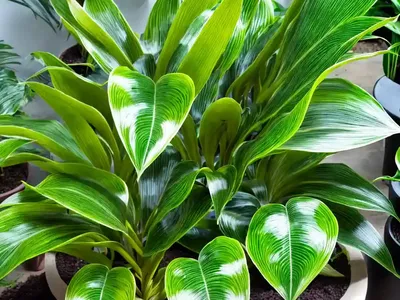
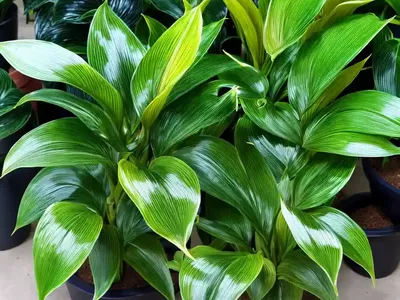
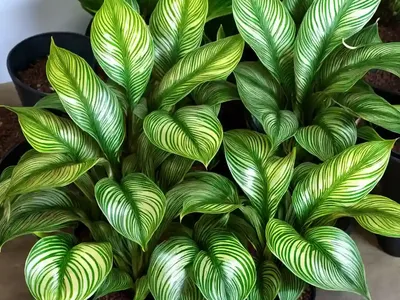
Arrowroot (Maranta Arundinacea)
Arrowroot (Maranta Arundinacea) is a tropical plant known for its culinary and medicinal uses. In this comprehensive guide, we will explore every aspect of.
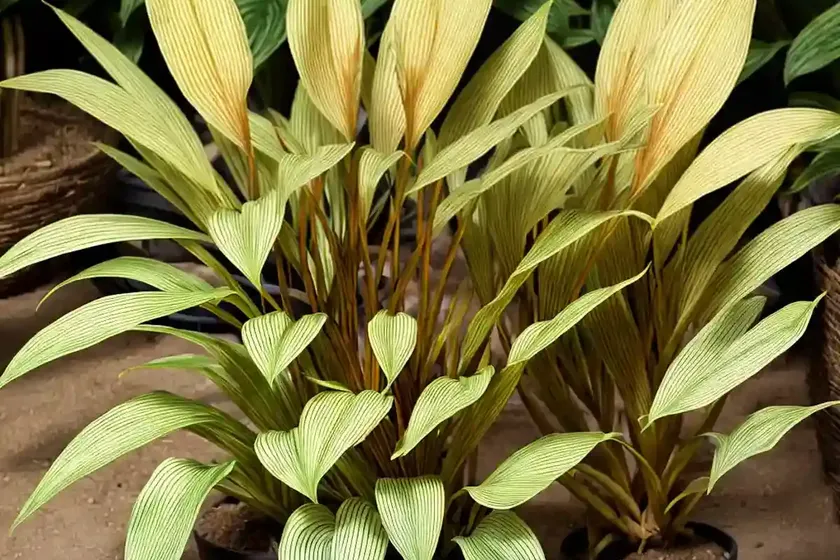
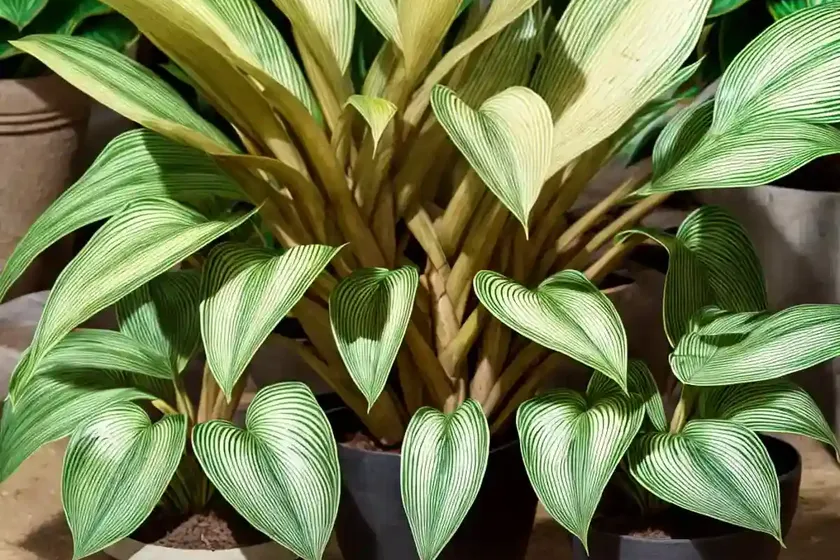
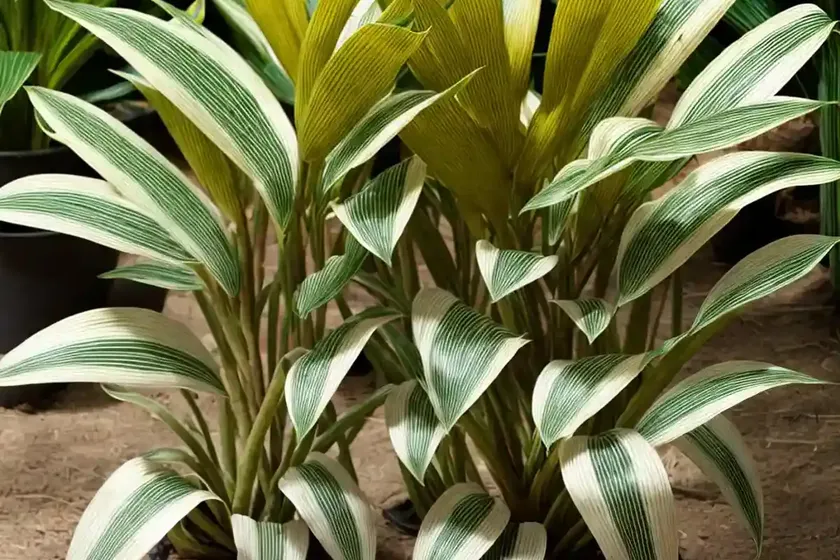
Arrowroot (Maranta Arundinacea) is a tropical plant known for its culinary and medicinal uses. In this comprehensive guide, we will explore every aspect of this fascinating plant, from its cultural significance to its environmental impact. Whether you are a gardening enthusiast, a culinary expert, or a health-conscious individual, Arrowroot has something to offer for everyone.
What is Arrowroot (Maranta Arundinacea)?
Arrowroot, scientifically known as Maranta Arundinacea, is a perennial plant native to the tropical regions of South America. It belongs to the Marantaceae family, which includes numerous species of rhizomatous herbs. The name “Arrowroot” is derived from its historical use by indigenous peoples to treat wounds caused by poison arrows.
The plant is renowned for its starchy rhizomes, which are processed to extract a fine powder known as arrowroot flour. This gluten-free flour has gained popularity as a thickening agent in cooking, as well as a potential remedy for various digestive ailments.
Key Takeaways – Arrowroot (Maranta Arundinacea)
Before delving into the details of Arrowroot cultivation, culinary uses, and medicinal properties, let’s summarize the key takeaways:
- Arrowroot benefits encompass its versatility as a thickening agent, its gluten-free nature, and its potential digestive health properties.
- Maranta Arundinacea uses include its application in cooking, traditional medicine, and as a dietary supplement.
- Arrowroot plant facts highlight its tropical origin, its rhizomatous nature, and its cultural significance in various regions.
- How to grow Arrowroot involves understanding its preferred cultural conditions, such as water, sunlight, soil, and fertilizer requirements.
- Maranta Arundinacea cultivation involves a thorough understanding of its growth habits, propagation methods, and potential uses in ornamental gardening.
- Arrowroot health properties encompass its potential as a natural remedy for digestive issues and its dietary benefits.
- Maranta Arundinacea nutrition emphasizes its starchy composition, nutritional value, and potential applications in gluten-free diets.
- Arrowroot plant care tips focus on maintaining optimal growing conditions and addressing common issues related to pests and diseases.
Culture
Arrowroot cultivation has been an integral part of traditional agriculture in tropical regions. The plant thrives in warm, humid climates with well-drained soil. It has been cultivated for centuries for its starchy rhizomes, which serve both culinary and medicinal purposes. Additionally, Arrowroot holds cultural significance in various indigenous communities, where it is revered for its healing properties and versatile uses in cooking.
Uses
The uses of Arrowroot extend beyond its culinary applications. The plant has a rich history of traditional medicinal uses, particularly in treating digestive disorders. Furthermore, it has gained traction as a natural thickening agent in the food industry, offering a valuable alternative to conventional starches for individuals with gluten intolerance. The ornamental appeal of Arrowroot also makes it a sought-after addition to tropical gardens and landscaping projects.
Water
Arrowroot plants require consistent moisture to thrive, making them well-suited to tropical climates with regular rainfall. When cultivated in drier conditions, supplemental irrigation is essential to ensure adequate hydration for the plants. However, it is crucial to avoid waterlogged soil, as Arrowroot is susceptible to rot under excessively wet conditions.
Sunlight
In its natural habitat, Arrowroot flourishes in partial to full shade, mimicking the dappled sunlight found in tropical forest understories. When grown in garden settings, providing filtered sunlight or partial shade is ideal for promoting healthy growth. Direct exposure to intense sunlight can lead to leaf scorch and reduced overall vigor.
Fertilizer
Feeding Arrowroot plants with a balanced, organic fertilizer can support their growth and productivity. A slow-release fertilizer formulated for tropical plants can provide the necessary nutrients without risking excessive or rapid growth. Organic amendments, such as compost and well-rotted manure, can also be incorporated into the soil to enrich its fertility.
Soil
The ideal soil for Arrowroot cultivation is rich, well-drained, and slightly acidic. A loamy soil with ample organic matter content is beneficial for promoting vigorous growth and robust tuber development. Additionally, maintaining a slightly acidic pH ranging from 5.5 to 6.5 creates an optimal growing environment for Arrowroot plants.
Pruning
While Arrowroot plants do not require extensive pruning, removing dead or damaged foliage can help maintain a tidy appearance. Pruning can also be performed to control the size of the plants and promote better air circulation within the garden. Trimming back spent flower stalks can redirect the plant’s energy towards rhizome production.
Propagation
Arrowroot can be propagated through division of the rhizomes, which are the swollen underground stems storing starch reserves. By carefully separating the rhizomes and ensuring that each division has viable buds, new plants can be established. This method allows growers to expand their Arrowroot collection or share the plant with fellow gardening enthusiasts.
Container Popularity
The growth habits and ornamental appeal of Arrowroot make it a popular choice for container gardening in regions where it cannot be cultivated outdoors year-round. Its lush, tropical foliage adds a touch of exotic beauty to patio settings, balconies, and indoor spaces. Additionally, growing Arrowroot in containers allows for greater control over its growing conditions.
Container Common Diseases
When cultivated in containers, Arrowroot plants may still be susceptible to certain diseases that affect their overall health and appearance. Common issues in container-grown Arrowroot include:
- Rhizome Rot: Excessive moisture and poor drainage can lead to rhizome rot, causing the plant to wilt and decline.
- Leaf Spot: Fungal infections can cause unsightly spots on the foliage, compromising the plant’s visual appeal.
- Pest Infestations: Insects such as aphids, scale, and spider mites can target Arrowroot plants, impacting their vitality.
Disease Diagnosis
Diagnosing diseases in Arrowroot plants involves careful observation of symptoms, such as wilting, discoloration, or abnormal spots on the leaves. It is essential to assess the growing conditions, including moisture levels, air circulation, and overall plant health. Identifying the specific pathogen responsible for the disease can guide targeted treatment strategies.
Common Pests
Arrowroot plants may face pest pressures, particularly when grown in indoor or greenhouse settings. Common pests that can affect Arrowroot include:
- Aphids: These small, sap-sucking insects can cluster on the undersides of Arrowroot leaves, causing distortion and yellowing.
- Scale Insects: Scale insects may appear as small, raised bumps on the stems and foliage, feeding on the plant’s juices.
- Spider Mites: These tiny pests can infest Arrowroot plants, creating fine webbing and causing stippling on the leaves.
Implementing integrated pest management strategies, such as regular scouting, natural predators, and botanical insecticides, can help control pest populations without resorting to chemical interventions.
Botanist’s Tips
As a plant scientist, I often emphasize the following tips for successful Arrowroot cultivation:
- Provide Adequate Moisture: Consistent moisture is crucial for Arrowroot plants, but it is equally important to maintain well-drained conditions to prevent waterlogged soil.
- Monitor Light Levels: While Arrowroot prefers partial shade, it is essential to adjust the level of sunlight based on the plant’s response, especially in indoor environments.
- Maintain Soil Fertility: Regularly amending the soil with organic matter and providing balanced nutrition can support the robust growth of Arrowroot plants.
- Address Pest and Disease Issues Promptly: Timely detection and intervention can prevent the escalation of pest and disease problems, safeguarding the health of Arrowroot plants.
Fun Facts
Digging deeper into the realm of Arrowroot, we find intriguing and delightful facts that further enrich our understanding of this remarkable plant:
- Cultural Symbolism: Arrowroot holds cultural significance in various traditions, symbolizing resilience, healing, and prosperity in different cultures.
- Historical Use: The historical use of Arrowroot spans centuries, with indigenous communities recognizing its value long before its introduction to the Western world.
- Traditional Medicine: Arrowroot has been valued in traditional medicine for its potential to alleviate digestive discomfort and promote overall well-being.
Links to External Resources
For further exploration of Arrowroot (Maranta Arundinacea), I recommend the following external resources:
- Arrowroot: The Herbal Medicine-Maker’s Handbook
- Culinary and Healing Uses of Arrowroot
- Growing Arrowroot in the Home Garden
In conclusion, Arrowroot (Maranta Arundinacea) is a plant of great cultural, culinary, and medicinal significance, offering a wealth of opportunities for exploration and appreciation. Whether you are drawn to its lush foliage, intrigued by its historical uses, or eager to experiment with its gluten-free flour, Arrowroot invites us into the enchanting world of tropical plants, where tradition and innovation intertwine.