Aquilegia Vulgaris Var. Stellata ‘Green Apples’ (Columbine)
Introduction Aquilegia vulgaris var. stellata ‘Green Apples,’ commonly known as Columbine, is a charming and elegant perennial plant with uniquely shaped.
Introduction
Aquilegia vulgaris var. stellata ‘Green Apples,’ commonly known as Columbine, is a charming and elegant perennial plant with uniquely shaped blossoms. This plant is a member of the Ranunculaceae family and is well-loved for its attractive flowers and its versatility in garden designs. In this in-depth guide, we will explore the culture, uses, care requirements, and interesting facts about the Aquilegia vulgaris var. stellata ‘Green Apples’ (Columbine).
Key Takeaways – Aquilegia vulgaris var. stellata ‘Green Apples’ (Columbine)
Here are the key takeaways about Aquilegia vulgaris var. stellata ‘Green Apples’ (Columbine) that we will delve into further in this guide:
- Plant Name: Aquilegia vulgaris var. stellata ‘Green Apples’ (Columbine)
- Culture
- Uses
- Water Requirements
- Sunlight
- Fertilizer
- Soil
- Pruning
- Propagation
- Container Popularity
- Common Diseases
- Disease Diagnosis
- Common Pests
- Botanist’s Tips
- Fun Facts
- Links to External Resources
What is Aquilegia vulgaris var. stellata ‘Green Apples’ (Columbine)?
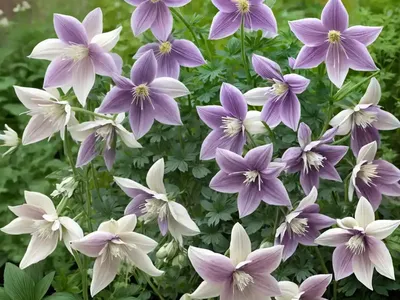
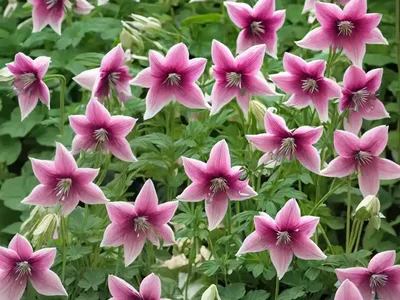
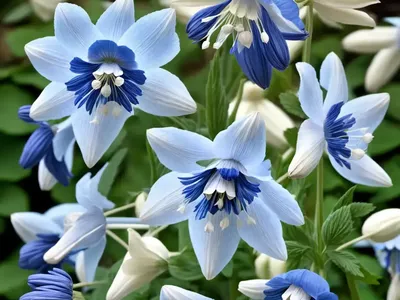
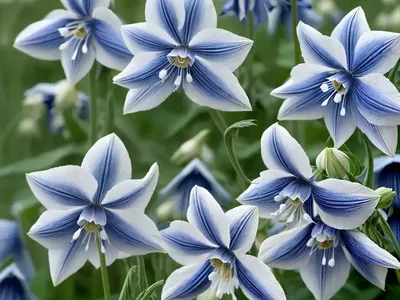
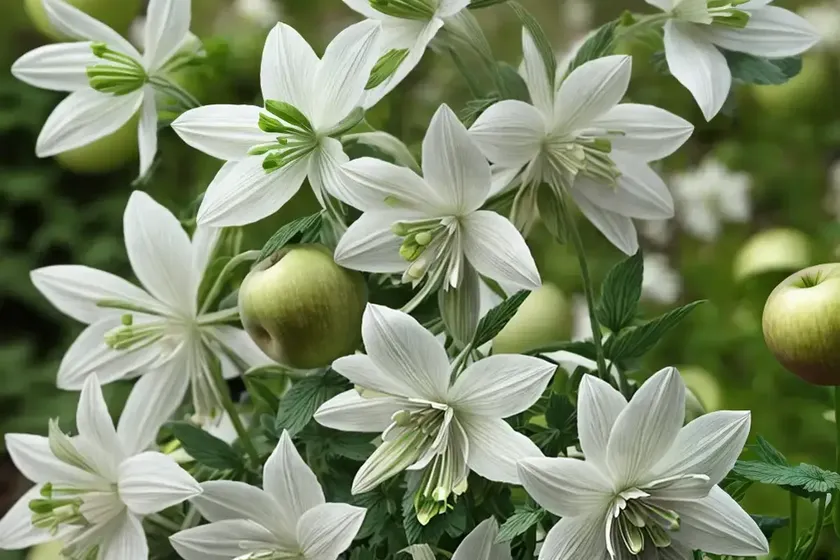
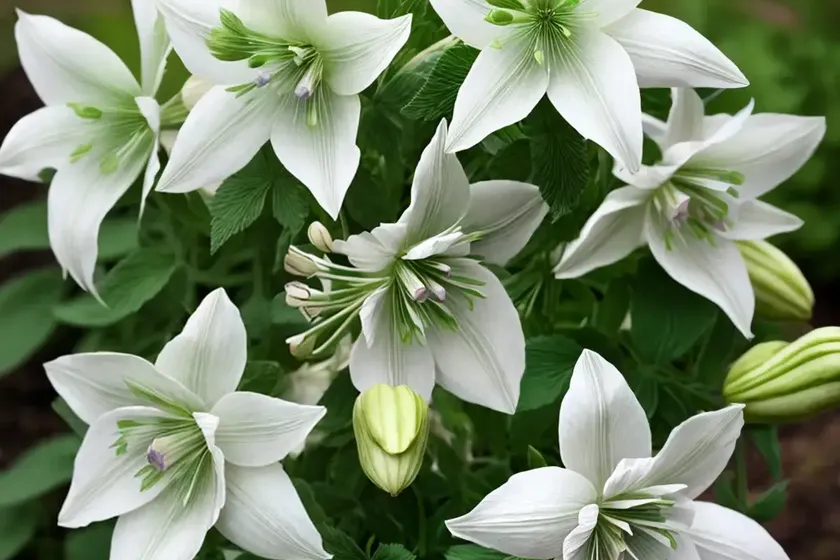
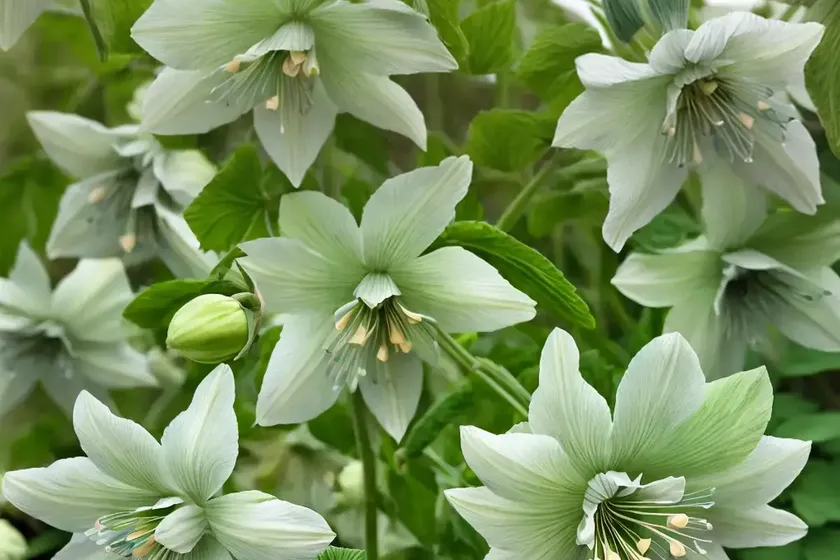
Columbine, also known by its scientific name Aquilegia vulgaris var. stellata ‘Green Apples’, is a herbaceous perennial plant native to Europe. The plant’s botanical name, Aquilegia, derives from the Latin word for eagle (aquila), and it earned this name because its petals are said to resemble an eagle’s claw. The species name, vulgaris, means common, while the variety name, stellata, highlights the star-like appearance of the flowers. The cultivar name, Green Apples, aptly describes the apple-green color of its flowers.
Columbine is renowned for its distinctive, spurred, bell-shaped flowers which bloom atop slender, wiry stems. These flowers come in a range of colors, adding vibrant splashes to the garden landscape. Besides its ornamental value, Columbine also holds symbolic significance and various medicinal uses as a traditional herbal remedy.
Culture of Aquilegia vulgaris var. stellata ‘Green Apples’ (Columbine)
Uses
Columbine is a versatile plant with numerous applications in horticulture and beyond. The following are some common uses of this captivating plant:
- Garden Ornament: Aquilegia vulgaris var. stellata ‘Green Apples’ is often used to add visual interest to garden beds, borders, and rock gardens due to its unique and attractive flowers.
- Cut Flower: Its delicate, bell-shaped blooms make it an excellent choice for floral arrangements, adding a whimsical touch to bouquets and indoor décor.
- Medicinal Purposes: Historically, various parts of the Columbine plant have been used in herbal medicine for their purported medicinal properties, including the treatment of conditions such as fever and skin rashes.
Water
Columbine plants require moderate watering. It is important to keep the soil consistently moist, especially during the early growth stages and the flowering period. However, the soil should be well-draining to avoid waterlogged conditions that can lead to root rot.
Sunlight
Aquilegia vulgaris var. stellata ‘Green Apples’ thrives in partial shade to full sun. It performs best when provided with dappled sunlight, especially in regions with hot summers. In warmer climates, some afternoon shade can be beneficial to prevent scorching of the delicate flowers.
Fertilizer
When it comes to fertilization, a balanced, all-purpose fertilizer can be applied in early spring as new growth begins. This can be followed up with a second application after the initial bloom to support the plant’s nutritional needs and encourage healthy foliage development.
Soil
Columbine prefers well-draining, loamy soil with a slightly acidic to neutral pH level. Amending the soil with organic matter, such as compost or well-rotted manure, can help improve the soil structure and fertility, providing a conducive environment for the plant’s growth.
Pruning
Pruning is an important aspect of caring for Columbine plants. Regular deadheading of spent flowers not only promotes the production of new blooms but also prevents self-seeding, which can lead to the rapid spread of the plant. Additionally, the removal of damaged or diseased foliage helps maintain the plant’s overall health and appearance.
Propagation
Columbine can be propagated through several methods, including seed sowing, division, and root cuttings. Each method offers its own set of advantages and challenges, and the choice of propagation technique may depend on the specific goals and resources available to the gardener.
Container Popularity
The compact size and attractive appearance of Aquilegia vulgaris var. stellata ‘Green Apples’ make it well-suited for container gardening. It can be grown in containers on patios, balconies, or decks, providing a touch of elegance and charm in smaller outdoor spaces.
Common Diseases and Pests Affecting Aquilegia vulgaris var. stellata ‘Green Apples’ (Columbine)
Common Diseases
Columbine can be susceptible to some common diseases, which may impact its overall health and appearance. These diseases can include:
- Powdery Mildew: This fungal disease presents as a powdery, white coating on the leaves and stems, often impacting plant vigor and flowering.
- Leaf Spot: Characterized by the appearance of dark spots on the foliage, leaf spot diseases can lead to premature leaf drop and reduced plant vitality.
Disease Diagnosis
Early detection of diseases is crucial for effective management and control. Regular inspections of the plant can help identify any signs of disease, such as unusual spots, discoloration, or wilting. Prompt action, including appropriate treatment measures, can help prevent the spread and escalation of the disease.
Common Pests
Columbine may also be prone to attack by certain pests, such as:
- Aphids: These small, sap-sucking insects can congregate on the undersides of leaves, causing yellowing, distortion, and weakening of plant tissues.
- Spider Mites: These tiny arachnids can inflict damage by feeding on plant juices, leading to stippling, discoloration, and reduced plant vigor.
An integrated approach to pest management, involving cultural, mechanical, and, if necessary, chemical control methods, can help address pest issues while minimizing the impact on the environment and beneficial organisms.
Botanist’s Tips for Growing Aquilegia vulgaris var. stellata ‘Green Apples’ (Columbine)
Here are some valuable tips from botanists and horticulturists regarding the successful cultivation of Columbine:
- Mulching: Apply a layer of organic mulch, such as shredded bark or compost, around the base of the plants to conserve moisture, suppress weeds, and protect the roots from temperature fluctuations.
- Companion Planting: Columbine can be strategically paired with other garden plants to create visually appealing and ecologically beneficial combinations. Selecting compatible companion plants can enhance the overall aesthetic and attract beneficial insects.
Fun Facts About Columbine
To add a touch of intrigue and fascination, here are some fun and intriguing facts about Aquilegia vulgaris var. stellata ‘Green Apples’ (Columbine):
- Symbolism: Columbine flowers have symbolized various meanings across different cultures, including love, foolishness, and admiration.
- Attractiveness to Pollinators: The nectar-rich flowers of Columbine attract pollinators such as butterflies, bees, and hummingbirds, adding a lively buzz to the garden.
Links to External Resources
For further information on Aquilegia vulgaris var. stellata ‘Green Apples’ (Columbine), you can explore the following external resources:
- Royal Horticultural Society – Aquilegia
- USDA Natural Resources Conservation Service – Plant Guide: Aquilegia spp.
In conclusion, Aquilegia vulgaris var. stellata ‘Green Apples’ (Columbine) stands out as a delightful and versatile addition to gardens, offering a unique blend of ornamental beauty and ecological value. With the right cultural practices, care, and attention, this enchanting plant can thrive and bring joy to gardeners and nature enthusiasts alike.
Remember to always seek specific advice from your local nursery or extension office for the best practices tailored to your particular climate and gardening conditions.
We hope this comprehensive guide has provided you with valuable insights into the world of Aquilegia vulgaris var. stellata ‘Green Apples’ (Columbine) and has inspired you to appreciate and cultivate this captivating plant.
Happy gardening!