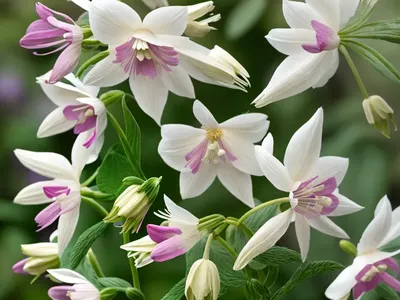
Aquilegia Songbird ‘Goldfinch’ (Columbine)
Aquilegia Songbird ‘Goldfinch’ is a stunning perennial that belongs to the Aquilegia Songbird series. Known for its charming bi-colored flowers and.
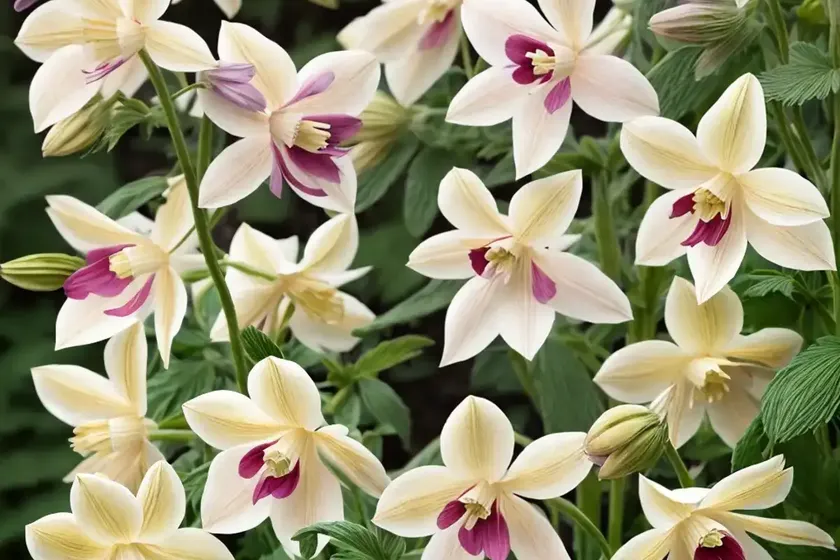
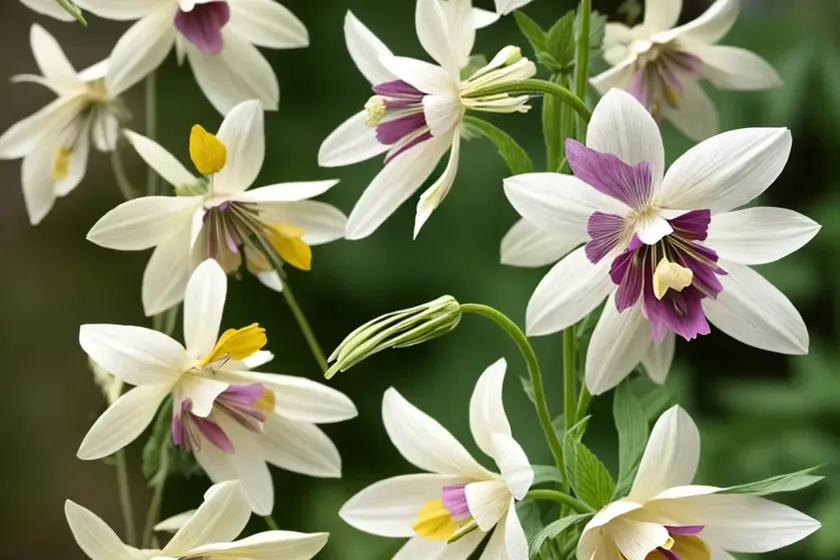
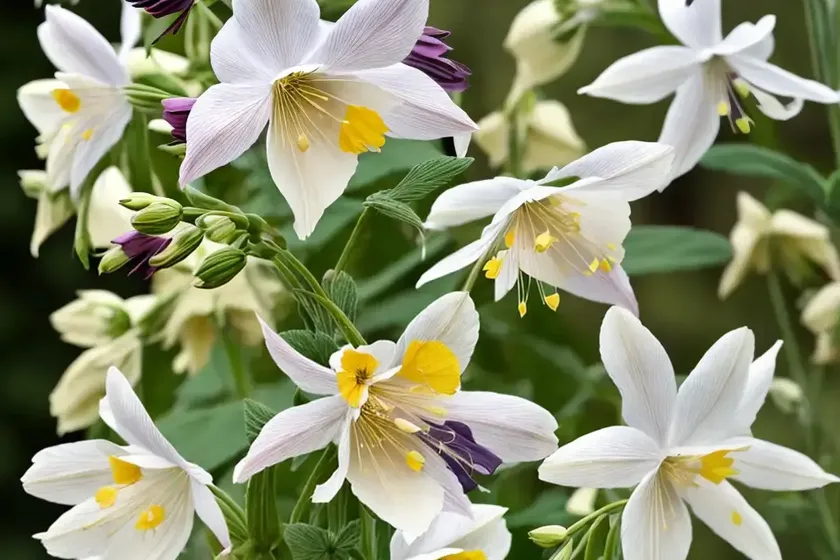
Aquilegia Songbird ‘Goldfinch’ is a stunning perennial that belongs to the Aquilegia Songbird series. Known for its charming bi-colored flowers and delicate foliage, this cultivar is a popular choice among gardeners looking to add a touch of elegance to their landscapes. In this blog post, we will delve into the intricacies of this enchanting plant, covering its cultural requirements, uses, care tips, and much more.
What is Aquilegia Songbird ‘Goldfinch’ (Columbine)?
Aquilegia Songbird ‘Goldfinch,’ commonly referred to as Columbine, is a herbaceous perennial that belongs to the Ranunculaceae family. This variety is a hybrid of the Aquilegia species, featuring distinct characteristics that set it apart from other columbine varieties.
Key Takeaways – Aquilegia Songbird ‘Goldfinch’
- Scientific Name: Aquilegia x hybrida ‘Goldfinch’
- Common Name: Columbine Songbird ‘Goldfinch’
- Series: Aquilegia Songbird
- Characteristics: Bi-colored flowers, delicate foliage
- Type: Herbaceous perennial
- Colloquial Names: Yellow Songbird, Goldfinch Columbine
- Uses: Landscaping, cut flowers, pollinator attraction
- Cultural Requirements: Moderate water, partial shade, well-draining soil
- Growth Habits: Clump-forming, compact
- Maintenance: Low-maintenance, disease-resistant
- Wildlife Affiliation: Attracts hummingbirds, pollinators
- Availability: Widely available through seeds and plant nurseries
Now that we have an overview of the key characteristics of Aquilegia Songbird ‘Goldfinch,’ let’s delve deeper into its cultural requirements, uses, care, and maintenance.
Culture
Water
Aquilegia Songbird ‘Goldfinch’ thrives in moderately moist soil. It is essential to provide consistent moisture, especially during the growing season and periods of drought. However, it is crucial to avoid waterlogging, as excessive moisture can lead to root rot and other issues.
As a general guideline, aim to water your Columbine when the top inch of the soil feels dry. Upon planting, establish a regular watering schedule to help the plant acclimate to its new environment. Once established, Columbine typically demonstrates good drought tolerance, making it a resilient addition to the garden.
Sunlight
This Columbine variety prefers partial shade, especially in regions with hot summers. While it can tolerate some morning sun, it thrives in locations with dappled sunlight or partial shade. In contrast, prolonged exposure to intense sunlight can lead to leaf scorch and reduced flower production.
When selecting a planting location for Aquilegia Songbird ‘Goldfinch,’ opt for an area that receives filtered sunlight or shade during the peak hours of the day. This will help maintain the plant’s vigor and promote abundant, vibrant blooms.
Fertilizer
Columbine typically thrives in nutrient-rich soil. Prior to planting, incorporate organic matter or well-decomposed compost into the soil to provide a nutrient boost. Once established, apply a balanced, slow-release fertilizer in early spring to support healthy growth and prolific flowering.
When fertilizing Aquilegia Songbird ‘Goldfinch,’ avoid overfeeding, as excessive nutrients can lead to lush foliage at the expense of flower production. Follow the manufacturer’s recommendations for application rates and frequency to prevent fertilizer burn and other complications.
Soil
Well-draining soil is crucial for the successful cultivation of Aquilegia Songbird ‘Goldfinch.’ It is best suited to loamy or sandy loam soil types with ample aeration and drainage. Before planting, amend heavy clay soils with organic matter to improve drainage and create a favorable growing environment for the Columbine.
While the plant can tolerate a slightly acidic to slightly alkaline soil pH, it thrives in neutral to slightly acidic conditions. Perform a soil test to assess the pH level and make necessary adjustments to create an optimal growing medium for this enchanting perennial.
Pruning
Aquilegia Songbird ‘Goldfinch’ requires minimal pruning. Deadheading spent flowers can prolong the blooming period and encourage additional blooms. As the flowers fade, simply snip them off at the base of the stem to promote continuous flowering and maintain the plant’s aesthetic appeal.
It is essential to remove any yellowing or damaged foliage to promote air circulation and prevent the onset of fungal diseases. However, refrain from significant pruning or cutting back the plant, as it may disrupt its natural growth habit and impact future flowering.
Propagation
Propagation of Aquilegia Songbird ‘Goldfinch’ can be achieved through various methods, including division, seed sowing, and basal cuttings. Let’s explore these propagation techniques in detail:
Division
- Timing: Spring or early autumn
- Method: Carefully divide established clumps, ensuring each division has healthy roots and shoots attached. Replant divisions in suitable locations and provide adequate moisture to support establishment.
Seed Sowing
- Timing: Early spring or late summer
- Method: Sow seeds in prepared seed trays or directly in the garden soil. Cover lightly with soil and maintain consistent moisture until germination occurs. Transplant seedlings once they have developed several sets of true leaves.
Basal Cuttings
- Timing: Spring
- Method: Take basal cuttings from healthy shoots at the base of the plant. Remove lower leaves and plant the cuttings in a well-draining propagation medium. Keep the medium moist and provide bottom heat to encourage root development.
Container Popularity
Aquilegia Songbird ‘Goldfinch’ is well-suited for container cultivation, making it a popular choice among gardeners with limited space or those seeking to showcase its charming blooms on patios, balconies, or outdoor living areas. When growing this Columbine variety in containers, consider the following factors:
- Select a spacious container with adequate drainage holes to prevent waterlogging.
- Use a well-draining potting mix rich in organic matter to support healthy growth.
- Position the container in a location that receives partial shade, especially during the hottest part of the day.
- Water the plant regularly, ensuring that the soil remains consistently moist but not waterlogged.
- Monitor the plant for signs of stress and adjust care practices as needed to promote optimal growth.
With proper care and attention, Aquilegia Songbird ‘Goldfinch’ can thrive and adorn containers with its delightful flowers, adding a touch of elegance to any outdoor space.
Common Diseases and Pest Management
Common Diseases
Aquilegia Songbird ‘Goldfinch’ exhibits good resistance to many common plant diseases. However, it is important to monitor the plant for signs of potential issues and take appropriate measures to prevent disease development. Some of the potential diseases include:
- Powdery Mildew: This fungal disease manifests as a powdery, white coating on the foliage. Maintain adequate spacing between plants to promote air circulation and consider fungicidal treatments if necessary.
- Leaf Spot: Circular or irregular spots on the leaves may indicate the presence of leaf spot diseases. Remove and destroy affected foliage to prevent the spread of the disease.
Disease Diagnosis
When diagnosing potential diseases affecting Aquilegia Songbird ‘Goldfinch,’ it is crucial to carefully inspect the plant for symptoms such as leaf discoloration, unusual growth patterns, or the presence of fungal or bacterial growth. Prompt identification of potential issues can facilitate targeted treatments and preventive measures to safeguard the plant’s health.
Common Pests
While Columbine is relatively pest-resistant, it may attract certain pests under specific conditions. Vigilant monitoring for pest activity can help identify potential issues early on and implement effective pest management strategies. Some common pests that may affect Aquilegia Songbird ‘Goldfinch’ include:
- Aphids: These small, sap-sucking insects may infest new growth and buds. Use insecticidal soap or neem oil to control aphid populations and prevent damage to the plant.
- Spider Mites: These microscopic pests can cause stippling on the foliage and webbing on the underside of the leaves. Rinse the plant with water and apply horticultural oil to manage spider mite infestations.
Botanist’s Tips
Planting Tips
When planting Aquilegia Songbird ‘Goldfinch,’ consider the following tips to ensure successful establishment and long-term growth:
- Select a well-draining planting site that receives partial shade or filtered sunlight.
- Prepare the soil by incorporating organic matter and creating a loose, aerated planting bed.
- Space multiple plants adequately to promote air circulation and prevent overcrowding.
- Water newly planted Columbine thoroughly and monitor soil moisture levels to support root establishment.
Pruning Techniques
Pruning plays a role in maintaining the health and aesthetics of Aquilegia Songbird ‘Goldfinch.’ Consider the following pruning techniques:
- Regularly deadhead spent flowers to encourage continuous blooming and prevent self-seeding.
- Remove yellowing or damaged foliage to promote air circulation and prevent disease development.
- Avoid extensive pruning, as Columbine generally benefits from minimal intervention and retains its natural form when left undisturbed.
Soil Preferences
Aquilegia Songbird ‘Goldfinch’ thrives in well-draining soil with a neutral to slightly acidic pH. When selecting a planting site or preparing a container mix, consider the following soil preferences:
- Choose a soil type that provides adequate drainage to prevent waterlogging and root rot.
- Amend heavy or compacted soils with organic matter to improve drainage and create a favorable growing environment.
- Perform a soil test to assess the pH level and make necessary adjustments to support optimal plant health.
Fun Facts
Aquilegia Songbird ‘Goldfinch’ has several intriguing characteristics and historical associations that contribute to its allure and appeal. Consider these fun facts about this enchanting Columbine variety:
- Historical Significance: Columbine flowers have been associated with various legends and symbolisms throughout history, often representing love, fidelity, and gratitude.
- Attracts Hummingbirds: The vibrant, nectar-rich flowers of Aquilegia Songbird ‘Goldfinch’ serve as a delightful attraction for hummingbirds and other pollinators, enhancing the biodiversity of the garden.
- Native Habitat: Columbine species are native to diverse regions, including woodlands, meadows, and mountainous areas, highlighting their adaptability to different ecological niches.
Links to External Resources
For additional information on Aquilegia Songbird ‘Goldfinch’ and other related topics, consider exploring the following external resources:
- Royal Horticultural Society (RHS): Aquilegia Cultivation
- University of California Statewide Integrated Pest Management Program: Managing Aphids
- Missouri Botanical Garden: Gardening with Columbine
In conclusion, Aquilegia Songbird ‘Goldfinch’ exemplifies the charm and grace of columbine varieties, offering a captivating display of bi-colored flowers and fern-like foliage. By understanding its cultural requirements, uses, and maintenance tips, gardeners can cultivate this enchanting perennial with confidence, enhancing the beauty and vitality of their outdoor spaces. Whether grown in garden beds or containers, the allure of Aquilegia Songbird ‘Goldfinch’ is sure to captivate and inspire garden enthusiasts.
Plant enthusiasts and gardening aficionados alike can embrace the versatility and allure of Aquilegia Songbird ‘Goldfinch,’ creating vibrant, pollinator-friendly landscapes and experiencing the joy of cultivating this captivating Columbine variety.