Aquilegia Songbird ‘Nightingale’ (Columbine)
Introduction The Aquilegia Songbird ‘Nightingale’ is a captivating and sophisticated perennial that has gained popularity among gardeners for its unique.
Introduction
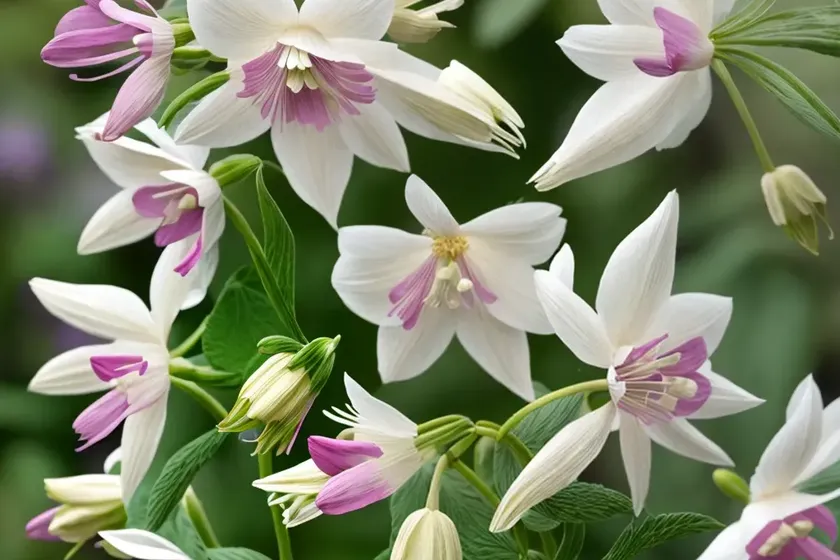
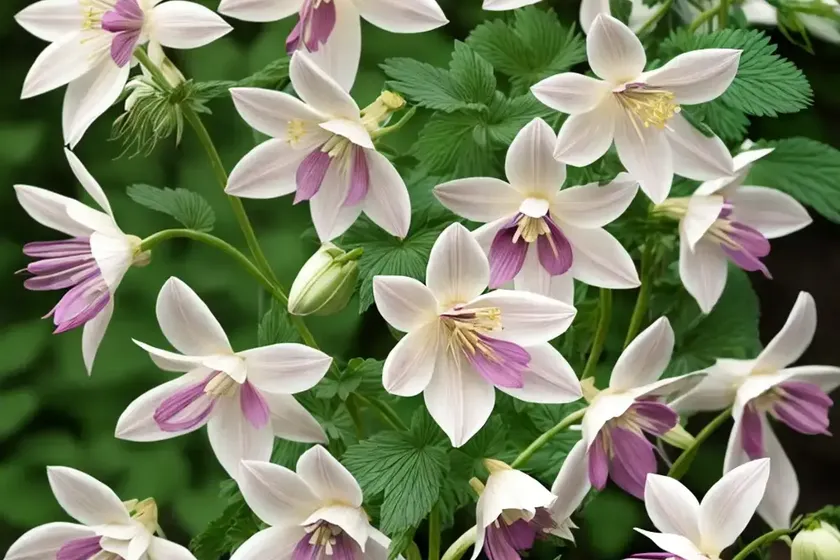
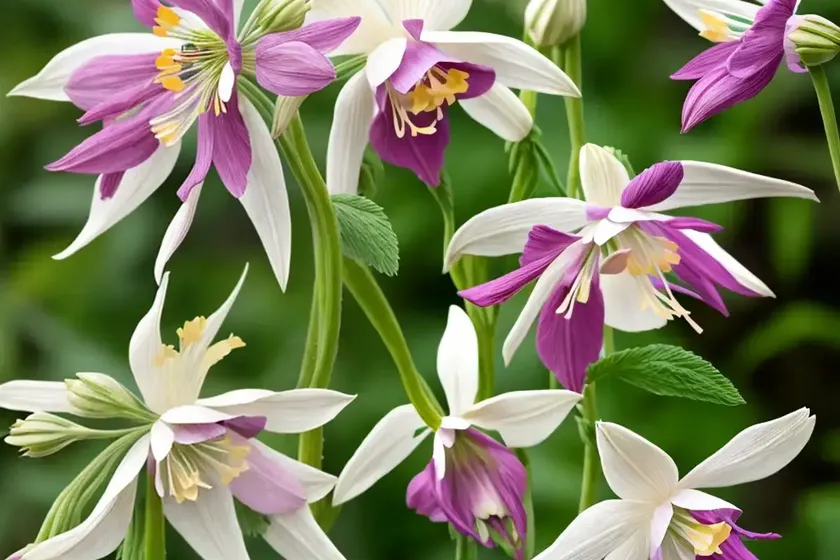
The Aquilegia Songbird ‘Nightingale’ is a captivating and sophisticated perennial that has gained popularity among gardeners for its unique characteristics and alluring beauty. This plant, part of the Columbine family, offers a delightful addition to any garden with its stunning flowers and versatile nature. In this comprehensive guide, we will explore the various aspects of this remarkable plant, covering its culture, uses, care tips, propagation methods, common diseases and pests, as well as interesting fun facts. Whether you are a seasoned gardener or a novice enthusiast, this guide will provide you with valuable insights into maximizing the potential of the Aquilegia Songbird ‘Nightingale’ in your garden.
What is Aquilegia Songbird ‘Nightingale’ (Columbine)?
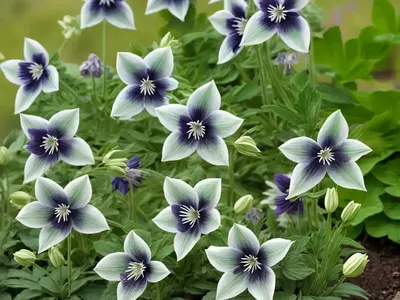
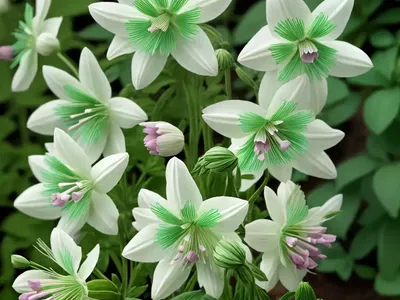
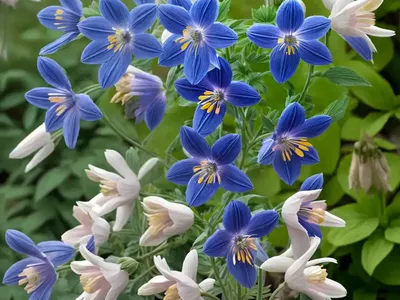
The Aquilegia Songbird ‘Nightingale’ is an exceptional variety of Columbine, renowned for its distinct features and remarkable performance in various garden settings. This perennial plant belongs to the Aquilegia Songbird series, characterized by its vibrant and elegant flowers, attracting both gardeners and pollinators alike. With its compact and bushy growth habit, the ‘Nightingale’ variety offers an enchanting display of colors and shapes, making it an ideal choice for garden borders, container plantings, rock gardens, and mixed borders.
Key Takeaways – Aquilegia Songbird ‘Nightingale’
Before delving into the specific aspects of the Aquilegia Songbird ‘Nightingale’, let’s briefly outline the key takeaways associated with this captivating plant:
- Culture: Understanding the cultural requirements for successful growth and development.
- Uses: Exploring the versatile uses of Aquilegia Songbird ‘Nightingale’ in different garden settings.
- Water: Optimizing the plant’s water needs for healthy and thriving growth.
- Sunlight: Determining the ideal sunlight conditions to enhance flowering and foliage.
- Fertilizer: Providing the necessary nutrients to support the plant’s vigor and resilience.
- Soil: Identifying the most suitable soil conditions for optimal performance.
- Pruning: Implementing proper pruning techniques to promote a tidy and attractive appearance.
- Propagation: Discovering effective methods for propagating the ‘Nightingale’ variety.
- Container Popularity: Exploring the appeal of growing Aquilegia Songbird ‘Nightingale’ in containers.
- Common Diseases: Recognizing potential diseases that may affect the plant and implementing appropriate measures for prevention and control.
- Common Pests: Identifying common pests that may pose a threat to the ‘Nightingale’ variety and implementing integrated pest management strategies.
- Botanist’s Tips: Gaining insights and recommendations from experienced botanists for successful cultivation.
- Fun Facts: Uncovering interesting and compelling facts about the Aquilegia Songbird ‘Nightingale’ to enrich your appreciation of this plant.
Now, let’s delve into each of these aspects in detail, providing comprehensive insights into the cultivation and care of Aquilegia Songbird ‘Nightingale’.
Culture
Cultivating the Aquilegia Songbird ‘Nightingale’ successfully requires an understanding of its cultural preferences and requirements. By providing the ideal growing conditions, you can ensure that the plant thrives and flourishes, showcasing its exquisite blooms and healthy foliage. The following cultural considerations are essential for nurturing the ‘Nightingale’ variety:
- Growing Zone: The Aquilegia Songbird ‘Nightingale’ is best suited for growing zones 3-8, thriving in temperate climates with moderate to cool temperatures. It exhibits excellent adaptability to various environmental conditions within these zones.
- Soil Type: Well-drained, fertile soil is crucial for the successful cultivation of the ‘Nightingale’ variety. A loamy soil texture enriched with organic matter promotes healthy root development and overall plant vigor.
- Moisture Requirements: While the ‘Nightingale’ variety prefers consistently moist soil, it is important to avoid waterlogged conditions, as excessive moisture can lead to root rot and other detrimental effects. Regular, moderate watering is recommended, particularly during periods of drought.
- Temperature Tolerance: The ‘Nightingale’ variety demonstrates resilience to moderate frosts and fluctuations in temperature, making it suitable for regions with varying climatic conditions.
- Companion Plants: When selecting companion plants for the Aquilegia Songbird ‘Nightingale’, consider species that thrive in similar growing conditions and complement the visual appeal of the Columbine blooms. This can create harmonious garden compositions and enhance the overall aesthetic charm.
Uses
The versatile nature of the Aquilegia Songbird ‘Nightingale’ allows for a wide range of uses in garden landscapes, with its striking flowers and compact growth habit making it a valuable addition to various settings. Understanding the potential uses of this plant enables gardeners to integrate it effectively into their outdoor spaces, maximizing its ornamental and ecological contributions.
- Garden Borders: The ‘Nightingale’ variety serves as a captivating border plant, adding a splash of vivid color and graceful form to garden edges and pathways. Its bushy growth habit and profusion of blooms create a charming border display, particularly when planted in groups or clusters.
- Container Plantings: Aquilegia Songbird ‘Nightingale’ thrives in containers, making it suitable for patio gardens, balconies, and smaller outdoor spaces. Its compact size and prolific flowering make it an excellent choice for adding visual interest to container arrangements.
- Rock Gardens: With its adaptability to well-drained, rocky soils, the ‘Nightingale’ variety excels in rock gardens, offering a delicate yet resilient presence amidst the rocky terrain. Its dainty flowers and fern-like foliage provide an enchanting contrast against the rugged backdrop of the rock garden.
- Mixed Borders: Integrating the ‘Nightingale’ variety into mixed borders allows for a dynamic interplay of colors and textures, enhancing the diversity and visual appeal of the overall garden composition. It complements a wide range of plants and lends an airy elegance to mixed border plantings.
- Wildlife Gardens: The abundant nectar and pollen of Aquilegia Songbird ‘Nightingale’ attract pollinators such as bees, butterflies, and hummingbirds, making it a valuable addition to wildlife-friendly gardens. By incorporating this plant, gardeners can contribute to the conservation of pollinator populations.
- Cut Flower Arrangements: The delicate blooms of the ‘Nightingale’ variety are suitable for cut flower arrangements, adding a touch of whimsical charm to floral displays. Their long, slender stems and vibrant hues make them an appealing choice for creating indoor floral accents.
Water
Appropriate watering plays a pivotal role in ensuring the health and vitality of the Aquilegia Songbird ‘Nightingale’, as it directly impacts the plant’s growth, blooming capacity, and overall resilience. By understanding the specific water needs of this variety, gardeners can optimize their watering practices to support the plant’s well-being.
- Moderate Moisture: Maintaining moderate moisture levels in the soil is essential for the ‘Nightingale’ variety, as it thrives in consistently moist conditions without being waterlogged. Regular monitoring of soil moisture and irrigation scheduling helps prevent the plant from experiencing prolonged dry spells.
- Watering Frequency: During periods of active growth and flowering, the ‘Nightingale’ variety benefits from regular watering, ensuring that the root zone remains adequately hydrated. Adjust the frequency of watering based on environmental factors such as temperature and precipitation, aiming to keep the soil consistently moist but not saturated.
- Drought Tolerance: While the ‘Nightingale’ variety appreciates consistent moisture, it also exhibits a degree of drought tolerance once established. During extended dry periods, supplementary watering can help sustain the plant and prevent stress-induced wilting.
- Watering Techniques: Directing irrigation at the base of the plant, avoiding wetting the foliage excessively, promotes efficient water uptake and reduces the risk of foliar diseases. Water in the early morning or late afternoon to minimize evaporation and ensure proper absorption by the roots.
Sunlight
Optimal exposure to sunlight is crucial for the growth, flowering, and overall performance of the Aquilegia Songbird ‘Nightingale’. By providing the appropriate sunlight conditions, gardeners can enhance the plant’s vigor and floral abundance, resulting in a visually stunning and resilient specimen.
- Light Requirements: The ‘Nightingale’ variety thrives in partial shade to full sun, with its ideal growth conditions encompassing 4-6 hours of direct sunlight per day. In regions with intense summer heat, partial shade during the hottest part of the day can help protect the plant from sunscald and excessive heat stress.
- Morning Sun Preference: In areas with hot climates, morning sunlight is preferable for the ‘Nightingale’ variety, as it allows the plant to benefit from the gentle warmth and light intensity without being subjected to the harsh midday sun. This sunlight exposure pattern supports healthy growth and flowering.
- Shade Tolerance: While the ‘Nightingale’ variety appreciates sunlight, it also exhibits a degree of shade tolerance, making it suitable for locations with dappled shade or filtered light. This adaptability enhances its versatility in diverse garden settings, accommodating areas with varying light levels.
- Sun-Soil Interaction: In regions with intense sunlight and high temperatures, providing a layer of organic mulch around the base of the plant helps insulate the soil, retain moisture, and moderate soil temperature. This interaction between sunlight, soil, and mulch contributes to the ‘Nightingale’ variety’s well-being and resilience.
Fertilizer
Supplying the appropriate nutrients through effective fertilization practices is essential for promoting the robust growth and blooming capacity of the Aquilegia Songbird ‘Nightingale’. By understanding the fertilizer requirements and application techniques, gardeners can optimize the plant’s nutrient uptake and overall performance.
- Balanced Fertilizer: A 10-10-10 balanced fertilizer or a similar formulation is suitable for feeding the ‘Nightingale’ variety, providing a well-rounded blend of essential macro and micronutrients. This balanced approach supports overall plant health, vigorous growth, and prolific flowering.
- Application Timing: Apply fertilizer to the soil in early spring before the onset of new growth, providing the ‘Nightingale’ variety with the necessary nutrients to support its seasonal development. Repeat the application in late spring or early summer if additional nourishment is warranted.
- Even Distribution: Spread the fertilizer evenly around the base of the plant, ensuring that it is distributed across the root zone. Gently work the fertilizer into the top layer of soil, followed by thorough watering to facilitate nutrient absorption.
- Avoid Overfertilization: Refrain from excessive or frequent applications of fertilizer, as this can lead to salt buildup in the soil and potential nutrient imbalances. Adhere to the recommended dosage and frequency specified on the fertilizer product label to prevent adverse effects on the ‘Nightingale’ variety.
Soil
The soil composition and quality significantly influence the growth, development, and overall health of the Aquilegia Songbird ‘Nightingale’. By ensuring that the plant is situated in an appropriate soil environment, gardeners can optimize its root establishment, nutrient uptake, and resilience to environmental stressors.
- Well-Drained Soil: The ‘Nightingale’ variety thrives in well-drained soil with good aeration, preventing water stagnation and root asphyxiation. Amending heavy clay soils with organic matter, such as compost or peat moss, improves drainage and enhances soil structure.
- Soil pH: A slightly acidic to neutral soil pH range of 6.0-7.0 is optimal for the ‘Nightingale’ variety, facilitating nutrient availability and root absorption. Conduct a soil pH test to determine the existing pH level and make appropriate adjustments using pH-modifying amendments if necessary.
- Organic Matter Content: Enrich the soil with organic matter, such as well-rotted compost, to enhance its fertility, moisture retention, and microbial activity. This organic amendment improves the overall quality of the soil, fostering an environment conducive to the ‘Nightingale’ variety’s growth and vitality.
Pruning
Pruning plays a crucial role in maintaining the attractive appearance and vigor of the Aquilegia Songbird ‘Nightingale’, allowing gardeners to remove spent flowers, control plant size, and promote new growth. By adopting proper pruning techniques, you can enhance the plant’s aesthetic appeal and overall health.
- Deadheading: Regularly deadhead faded flowers to prevent the formation of seeds and encourage continuous blooming. Snip off the spent blooms at their base using clean, sharp pruners, promoting the production of new flower buds and extending the bloom period.
- Tidying Up: Remove any discolored or damaged foliage, stems, or spent blooms to maintain a neat and tidy appearance. This tidying-up process also helps minimize the risk of disease spread and enhances the overall visual appeal of the ‘Nightingale’ variety.
- Size Management: If the ‘Nightingale’ variety exhibits excessive or unruly growth, selectively prune back the stems to control its size and shape. Focus on removing overgrown or crowded stems to maintain a balanced and well-proportioned plant structure.
Propagation
Propagating the Aquilegia Songbird ‘Nightingale’ allows gardeners to expand their plant collection, share specimens with other enthusiasts, or rejuvenate aging plants. By employing effective propagation methods, such as division and seed propagation, you can cultivate new ‘Nightingale’ varieties with confidence.
- Division: Propagate the ‘Nightingale’ variety through division in early spring or fall, carefully separating the plant’s root clumps into individual sections. Each new division should possess healthy roots and viable growth points, ensuring its potential for successful establishment.
- Seed Propagation: Collect mature seeds from the ‘Nightingale’ variety after the flowering period, sowing them in well-prepared seed-starting mix. Maintain consistent moisture and moderate warmth to facilitate germination, resulting in new seedlings that can be transplanted once they develop sufficient growth.
Container Popularity
The Aquilegia Songbird ‘Nightingale’ thrives in container plantings, offering a charming and versatile presence in various outdoor spaces. Growing this variety in containers provides numerous benefits, including mobility, space optimization, and visual impact, making it an appealing choice for container gardening enthusiasts.
- Container Selection: Choose well-drained containers with adequate drainage holes, allowing excess water to escape and preventing waterlogging. Consider the size of the container, ensuring that it accommodates the ‘Nightingale’ variety’s growth requirements while providing ample space for root expansion.
- Potting Mix: Utilize a high-quality potting mix with excellent drainage and aeration properties, optimizing the soil environment for robust root development and overall plant health. Combine the potting mix with organic matter to enrich its fertility and moisture retention capacity.
- Watering Management: Monitor the moisture level of the potting mix regularly, adjusting the frequency and volume of watering based on environmental conditions and the ‘Nightingale’ variety’s specific needs. Container-grown plants may require more frequent watering compared to those in the ground, as containers can dry out more rapidly.
- Placement Options: Select strategic locations for the containers, considering sunlight exposure, aesthetic appeal, and compatibility with surrounding plants. Position the containers to maximize the visual impact of the ‘Nightingale’ variety while ensuring that it receives the appropriate amount of sunlight for healthy growth and flowering.
Common Diseases
While the Aquilegia Songbird ‘Nightingale’ is generally resilient, it can be susceptible to certain diseases under unfavorable growing conditions. Recognizing common diseases affecting this variety enables gardeners to implement proactive measures for disease prevention and management.
Disease Diagnosis
- Powdery Mildew: This fungal disease manifests as a powdery white coating on the foliage, affecting the overall health and appearance of the ‘Nightingale’ variety. It thrives in humid conditions and can spread rapidly without intervention.
- Leaf Spot: Leaf spot diseases cause discoloration, spotting, or lesions on the foliage of the ‘Nightingale’ variety, compromising its vigor and aesthetic appeal. These diseases often result from environmental stressors or fungal pathogens.
Common Pests
The ‘Nightingale’ variety may encounter pests that can compromise its vitality and ornamental value. Identifying common pests and implementing integrated pest management strategies helps safeguard the plant from potential infestations and damage.
- Aphids: These sap-feeding insects can infest the tender new growth and flower buds of the ‘Nightingale’ variety, often clustering on the undersides of leaves. Aphid infestations can lead to distorted growth and the development of sooty mold.
- Spider Mites: Spider mites are tiny arachnids that feed on the foliage of the ‘Nightingale’ variety, causing stippling, discoloration, and webbing. Their presence can weaken the plant and reduce its overall vigor if left unchecked.
Botanist’s Tips
Drawing from the experience and insights of botanists and gardening experts can provide valuable guidance for cultivating and caring for the Aquilegia Songbird ‘Nightingale’. Consider the following tips to enhance your approach to growing this captivating variety:
- Encourage Pollinators: To attract and support pollinators such as bees and butterflies, incorporate a diverse selection of nectar-rich and pollen-producing plants in proximity to the ‘Nightingale’ variety. This promotes ecological balance and contributes to the health of local pollinator populations.
- Monitor Soil Moisture: Regularly evaluate the soil moisture levels around the ‘Nightingale’ variety, ensuring that it remains adequately moist without being overly saturated. Consistent monitoring enables you to adjust your watering practices to meet the plant’s specific needs.
- Deadhead Promptly: Promptly deadheading spent flowers of the ‘Nightingale’ variety encourages continuous blooming and prevents the development of self-sown seedlings that may vary in characteristics from the parent plant. This practice supports the plant’s long-term vitality and aesthetic appeal.
Fun Facts
Uncover fascinating and compelling facts about the Aquilegia Songbird ‘Nightingale’ that enrich your appreciation of this captivating plant:
- Historical Significance: The Columbine plant has a rich historical and cultural significance, with various species and varieties traditionally associated with symbolic meanings and folklore across different cultures.
- Fragrance Analysis: While the ‘Nightingale’ variety is renowned for its captivating visual appeal, it also emits a subtle fragrance that enhances the sensory experience of encountering its delicate blooms.
Links to External Resources
To further expand your knowledge and explore additional information about the Aquilegia Songbird ‘Nightingale’ and related topics, consider referencing the following external resources:
- American Horticultural Society: Aquilegia – Columbine
- Royal Horticultural Society: Columbines