Aquilegia Songbird ‘BlueBird’ (Columbine)
Plant Name: “Aquilegia Songbird ‘BlueBird’ (Columbine)” Key Takeaways – Aquilegia Songbird ‘BlueBird’ (Columbine) Scientific Name: Aquilegia caerulea.
Plant Name: “Aquilegia Songbird ‘BlueBird’ (Columbine)”
Key Takeaways – Aquilegia Songbird ‘BlueBird’ (Columbine)
- Scientific Name: Aquilegia caerulea ‘BlueBird’
- Common Name: Columbine ‘BlueBird’
- Family: Ranunculaceae
- Series: Songbird
- Category: Perennial
- Height: 18-24 inches
- Spread: 12-18 inches
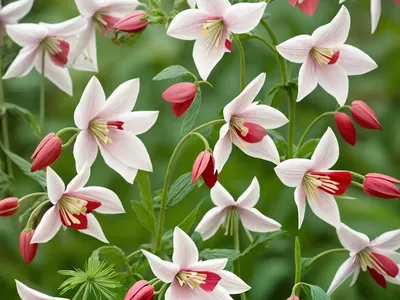
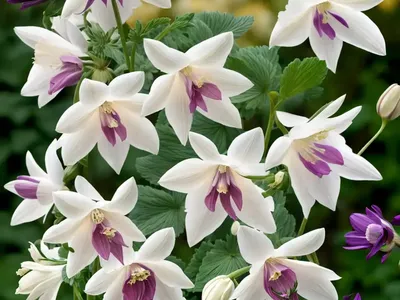
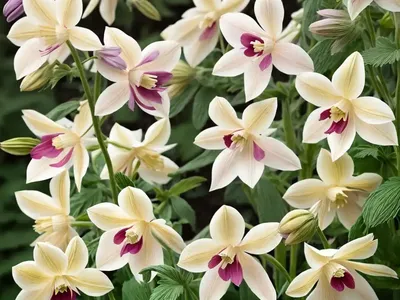
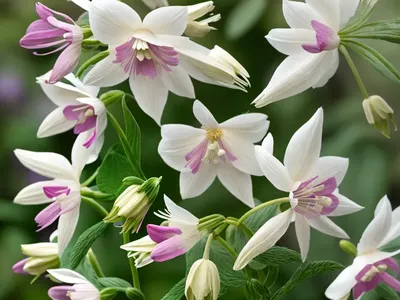
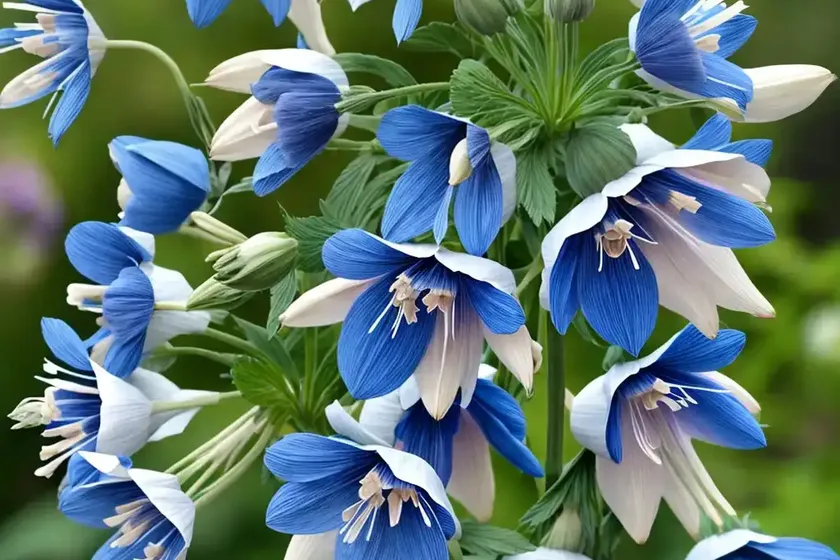
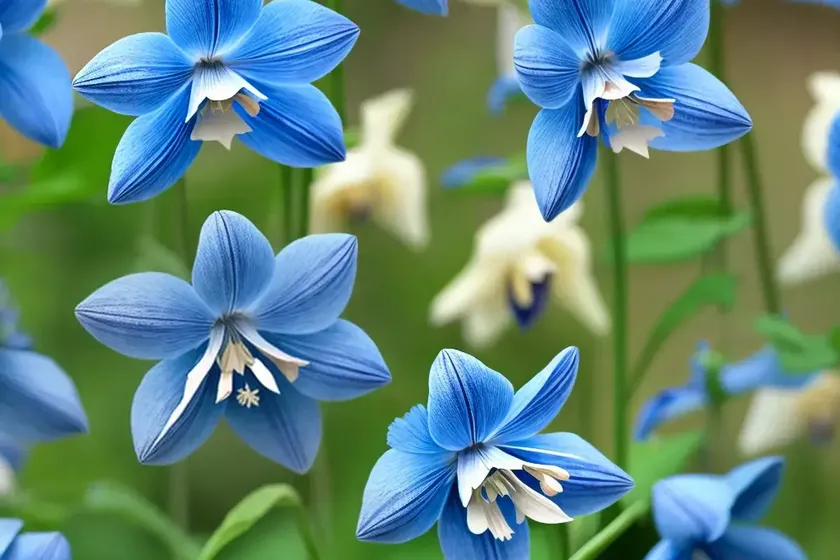
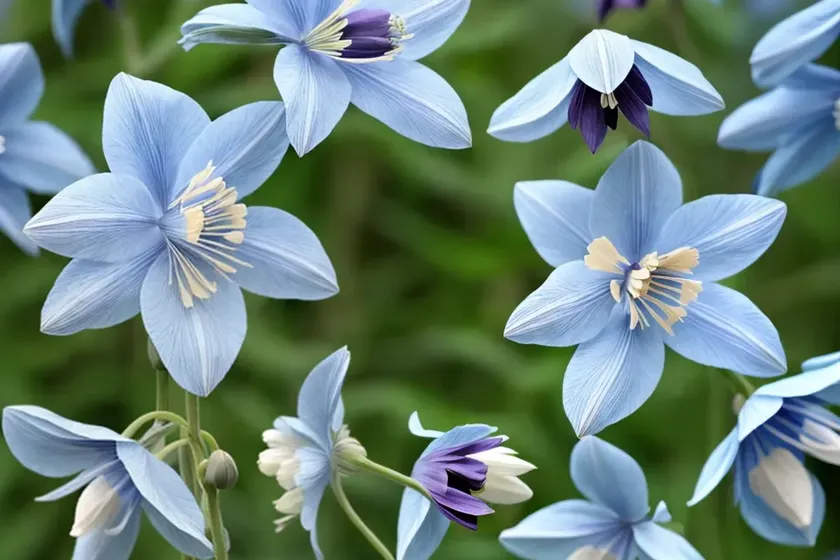
- Flower Color: Blue and white
- USDA Hardiness Zones: 3-8
- Blooming Period: Late spring to early summer
- Sunlight Requirement: Partial shade to full sun
- Watering: Average water needs
- Soil Type: Well-draining, fertile soil
- Uses: Borders, containers, rock gardens, and woodland gardens
Now, let’s delve deeper into the various aspects of the Aquilegia Songbird ‘BlueBird’, from its culture and uses to its care requirements and common pests.
Culture
The culture of the Aquilegia Songbird ‘BlueBird’ encompasses the environmental conditions it thrives in, its water and sunlight requirements, fertility needs, and more.
Water
As a fairly adaptive plant, the Columbine ‘BlueBird’ has average water needs. While it appreciates moist soil, it’s crucial to ensure proper drainage to prevent water stagnation, which can lead to root rot and other issues. Regular watering during dry spells and monitoring the soil moisture levels is essential for its overall health and vigor.
Sunlight
In terms of sunlight, the Aquilegia Songbird ‘BlueBird’ flourishes in partial shade to full sun. When planted in regions with hot summers, providing it with some afternoon shade can shield it from scorching heat and maintain the vividness of its blooms.
Soil
The ideal soil type for this Columbine variety is well-draining and fertile. Amending the soil with compost or organic matter can enhance its fertility and structure, offering an optimal growing environment for the plant.
Uses
The versatile nature of Aquilegia Songbird ‘BlueBird’ makes it a delightful addition to various settings, contributing to the aesthetic appeal of gardens and landscapes.
Garden Use
- Borders: The vibrant blue and white blooms of the Columbine ‘BlueBird’ serve as captivating border plants, injecting color and elegance into garden edges and pathways.
- Rock Gardens: Its compact growth habit and striking flowers make it a charming choice for rock gardens, where it can weave its way among the rocks and create an enchanting display.
- Woodland Gardens: With its partial shade tolerance, this Columbine variety thrives in woodland settings, adding a touch of allure to shaded areas.
Container Planting
Aquilegia Songbird ‘BlueBird’ is highly suitable for container planting, allowing individuals with limited garden space to enjoy its beauty on patios, balconies, and other outdoor areas.
Fertilizer
In terms of fertilization, the Columbine ‘BlueBird’ benefits from a balanced, slow-release fertilizer applied in spring. This provides the essential nutrients for healthy growth and abundant flowering without the risk of excessive nitrogen, which can lead to excessive foliage at the expense of flowers.
Pruning
Pruning Columbine ‘BlueBird’ primarily involves deadheading spent blooms to encourage continuous flowering and prevent self-seeding, which can lead to overcrowding and reduced vigor. Additionally, removing any yellowing or diseased foliage helps maintain the plant’s overall appearance and health.
Propagation
The Aquilegia Songbird ‘BlueBird’ can be propagated through various methods, including seed sowing, division, and stem cuttings.
Seed Sowing
- Collecting Seeds: Extract seeds from mature seed pods and store them in a cool, dry place until ready for sowing.
- Sowing Time: Sow seeds in late summer or early fall to allow them to overwinter and germinate naturally in spring.
- Germination: Lightly covering the seeds with a thin layer of soil and maintaining consistent moisture levels promotes successful germination.
Division
- Best Time for Division: Early spring or after blooming in early summer is the ideal time to divide mature Columbine plants.
- Process: Carefully lift the plant, ensuring to disturb the roots as little as possible, and separate the clumps with well-developed roots before replanting.
Stem Cuttings
- Preparation: Select healthy stems and take cuttings during the plant’s active growth phase, typically in spring or early summer.
- Rooting Medium: Use a well-draining rooting medium and provide the cuttings with consistent moisture and indirect light to encourage rooting.
Container Popularity
The Aquilegia Songbird ‘BlueBird’ has gained popularity as a container plant for multiple reasons:
- Its compact growth habit makes it well-suited for container cultivation.
- The alluring blue and white blooms add elegance to outdoor living spaces.
- It provides an opportunity for individuals with limited garden space to enjoy its charm.
Common Diseases
While the Columbine ‘BlueBird’ is generally resilient, it may be susceptible to certain diseases, requiring vigilance and appropriate measures for prevention and management.
Disease Diagnosis
Common diseases that may affect Aquilegia Songbird ‘BlueBird’ include:
- Powdery Mildew: Recognized by a white, powdery coating on the leaves, caused by fungal infections favored by high humidity and poor air circulation.
- Leaf Spot: Characterized by dark, water-soaked lesions on the leaves, often caused by various fungal pathogens.
- Botrytis Blight: Occurs as brown spots on foliage and flowers, caused by the Botrytis cinerea fungus, particularly in humid conditions.
Common Pests
In addition to diseases, the Columbine ‘BlueBird’ may encounter certain pests that can compromise its health and vigor.
Pests
- Aphids: These tiny, sap-sucking insects can cause distorted growth and yellowing of leaves.
- Columbine Leaf Miners: The larvae of certain flies, they create winding tunnels or blotches within the leaves, impacting the plant’s aesthetics.
- Slugs and Snails: These voracious feeders can cause significant damage to young Columbine shoots and foliage.
Botanist’s Tips
Tip 1: Cross-Pollination
Encourage cross-pollination among different Columbine varieties to enhance genetic diversity and potentially yield interesting seedlings with unique traits and characteristics.
Tip 2: Hydration
Monitor the Columbine ‘BlueBird’ during hot, dry periods to ensure it receives adequate moisture, as maintaining an optimum water supply contributes to healthy growth and flowering.
Fun Facts
- The name “Aquilegia” is derived from the Latin word “aquila,” which means “eagle,” owing to the shape of the flower petals resembling an eagle’s claw.
- Columbine flowers are known to attract hummingbirds and butterflies, contributing to the overall biodiversity of the garden.
Links to External Resources
For further information on Aquilegia Songbird ‘BlueBird’ and other related topics, consider exploring the following resources:
- Royal Horticultural Society: Columbines
- University of Minnesota Extension: Growing Columbine in the Garden
- North Carolina State University: Columbine
- American Society for the Prevention of Cruelty to Plants: Aquilegia and Semiaquilegia
In conclusion, the Aquilegia Songbird ‘BlueBird’ or Columbine ‘BlueBird’ stands out as an enchanting perennial plant that adds grace and allure to various garden settings. With proper care, attention to potential issues, and an appreciation for its unique characteristics, this beautiful Columbine variety can thrive and captivate all who encounter it.
It’s truly a testament to the diversity and splendor of the plant world, showcasing the intricate beauty and resilience of nature’s creations. Whether adorning borders, containers, or woodland nooks, the Aquilegia Songbird ‘BlueBird’ continues to enthrall and inspire with its captivating blooms and vibrant presence.
With its rich history, captivating folklore, and ecological significance, Aquilegia Songbird ‘BlueBird’ represents a living testament to the enduring appeal and boundless wonder of plants in our lives.
So, next time you encounter the charming blue and white blooms of the Columbine ‘BlueBird’, take a moment to appreciate its subtle elegance and the countless stories and ecological connections it represents and fosters.
Remember, in the intricate tapestry of the natural world, every plant, like the Aquilegia Songbird ‘BlueBird’, holds its own tale and contributes to the marvelous symphony of life that surrounds us.
Happy gardening and may the enchanting beauty of Aquilegia Songbird ‘BlueBird’ inspire and delight you in your horticultural endeavors!