Annual Yellow-Lupin (Lupinus Luteus)
Introduction Plants play a significant role in our lives, not just as a source of food and oxygen but also for their beauty and ability to add vibrancy to.
Introduction
Plants play a significant role in our lives, not just as a source of food and oxygen but also for their beauty and ability to add vibrancy to the environment. One such plant that stands out for its striking appearance and multiple benefits is the Annual Yellow-Lupin, scientifically known as Lupinus luteus. In this comprehensive guide, we will explore all aspects of this beautiful flowering plant, from its cultivation and care to its various uses in gardening and landscaping.
What is Annual Yellow-Lupin (Lupinus luteus)?
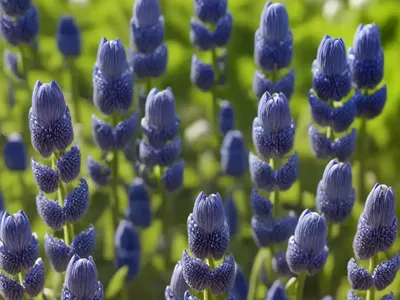
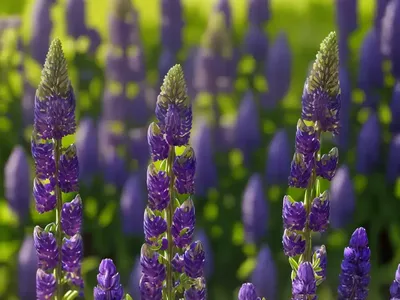
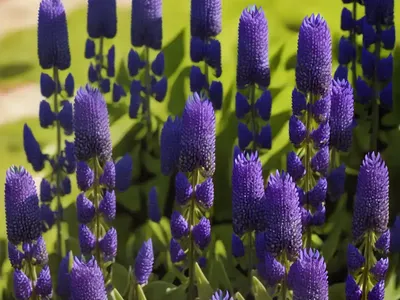
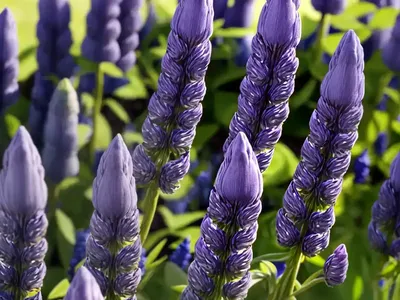
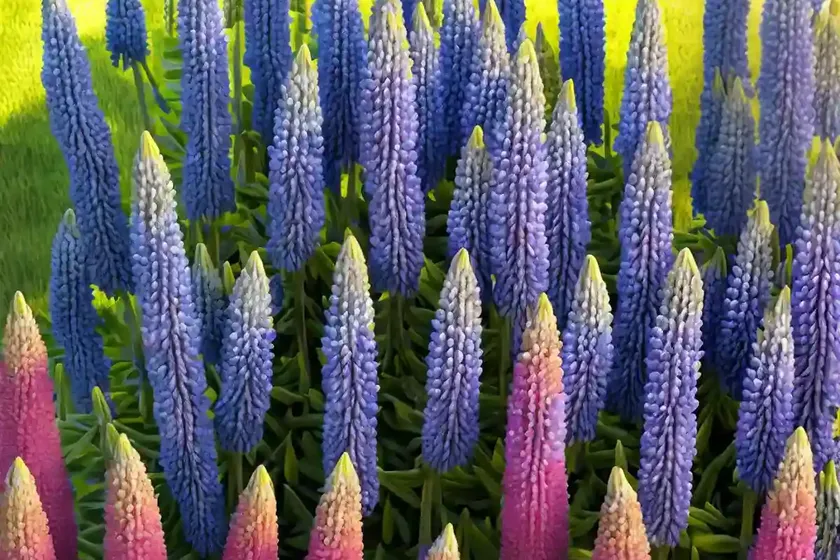
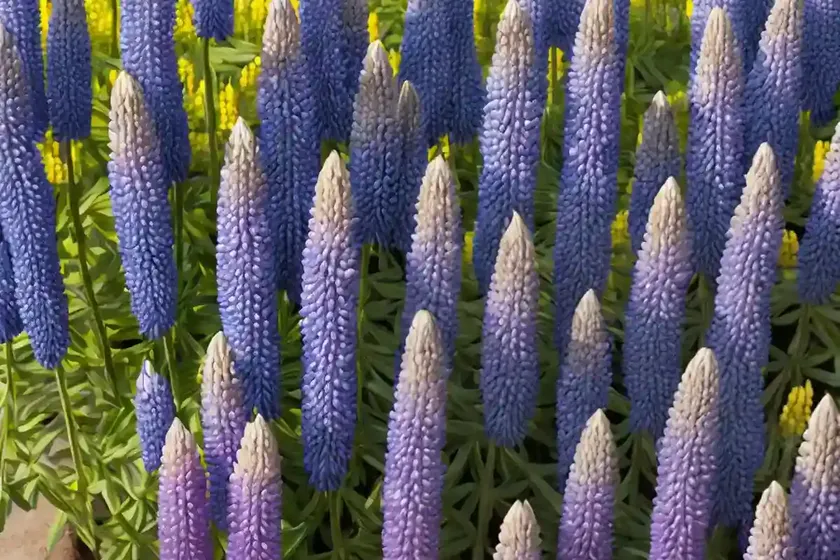
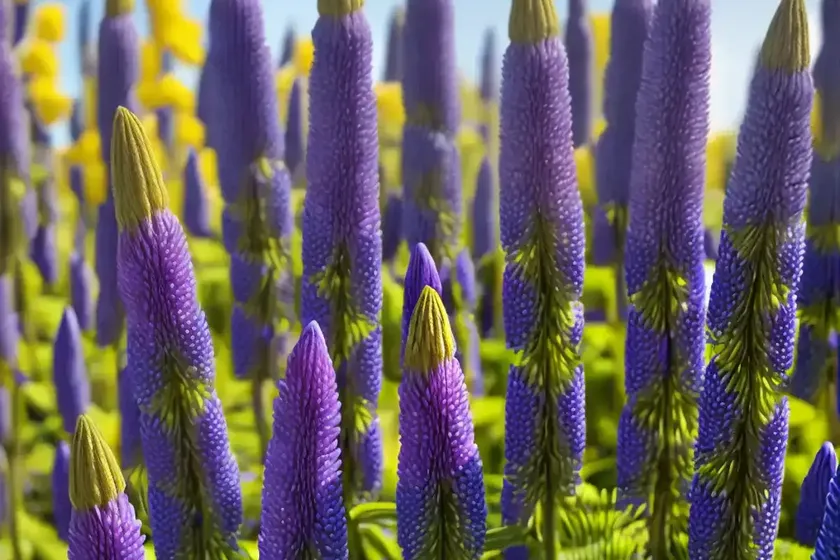
The Annual Yellow-Lupin, known as Lupinus luteus in botanical terms, is a member of the Fabaceae family. It is native to Southern Europe and is recognized for its vibrant yellow flowers and palmate foliage. This plant is an annual species and is favored for its ornamental value as well as its ability to enrich the soil through nitrogen fixation.
Key Takeaways – Annual Yellow-Lupin (Lupinus luteus)
Before delving into the specifics of cultivating and caring for Lupinus luteus, let’s highlight some key takeaways about this captivating plant.
- Botanical Name: Lupinus luteus
- Common Name: Annual Yellow-Lupin
- Plant Type: Annual flowering plant
- Flower Color: Vibrant yellow
- Foliage: Palmate leaves
- Special Feature: Nitrogen-fixing properties
- Uses: Ornamental gardening, soil improvement, wildlife habitat enhancement
Now that we have an overview of the Annual Yellow-Lupin, let’s explore the various aspects of its cultivation and care in detail.
Culture
Water
Annual Yellow-Lupins thrive in well-drained soil and generally have moderate water needs. When establishing the plant, it is crucial to provide adequate moisture, especially during the germination and early growth stages. Once the plant is established, it exhibits a degree of drought tolerance, making it suitable for regions with varying moisture levels. However, during extended dry periods, regular watering is recommended to support healthy growth and abundant flowering.
Sunlight
In terms of sunlight requirements, Annual Yellow-Lupins prefer full sun to partial shade. While they can tolerate some shade, they typically produce more prolific blooms when grown in full sunlight. It is essential to ensure that they receive at least 6-8 hours of direct sunlight each day for optimal growth and flowering.
Fertilizer
Annual Yellow-Lupins benefit from well-balanced fertilization, particularly in nutrient-deficient soils. A general-purpose fertilizer with balanced NPK (nitrogen, phosphorus, and potassium) ratios can be applied during the initial planting phase to encourage healthy establishment. Additionally, top-dressing with organic compost or a slow-release fertilizer can provide continuous nourishment throughout the growing season.
Soil
The ideal soil for Annual Yellow-Lupins is well-drained and slightly acidic to neutral in pH. They are known to adapt to a range of soil types, including sandy and loamy soils. Adequate drainage is crucial to prevent waterlogging, which can lead to root rot. Amending the soil with organic matter such as compost or well-rotted manure can improve its texture and fertility, creating an optimal growing environment for the plants.
Pruning
Pruning is not a major requirement for Annual Yellow-Lupins. However, deadheading spent flowers can prolong the blooming period and encourage the production of new blooms. Additionally, removing any damaged or diseased foliage helps maintain the overall health and appearance of the plant. Pruning can be performed as needed throughout the growing season to keep the plant tidy and promote continuous flowering.
Propagation
Propagation of Annual Yellow-Lupins can be carried out through seeds, which are typically sown directly in the garden or in containers. The seeds should be scarified or soaked in water prior to sowing to improve germination rates. The best time for sowing Lupinus luteus seeds is in early spring after the last frost has passed. Once established, the plants may self-seed, leading to the spontaneous growth of new plants in the surrounding area.
Container Popularity
Annual Yellow-Lupins are well-suited for container cultivation, making them a popular choice for balcony gardens, patios, and other small outdoor spaces. When growing in containers, it is essential to select a deep, well-draining pot to accommodate the plant’s taproot system. Adequate watering and regular fertilization are crucial for container-grown plants to ensure healthy growth and blooming.
Container Common Diseases
In container cultivation, Annual Yellow-Lupins may be susceptible to certain diseases that can impact their health and vigor. Common diseases that can affect container-grown Lupinus luteus include:
- Root Rot: Caused by overwatering and poor drainage, leading to the rotting of the plant’s roots.
- Powdery Mildew: A fungal disease that manifests as a powdery white coating on the leaves, typically due to high humidity and poor air circulation.
Proactive measures such as proper watering practices, well-draining soil mix, and adequate spacing between container plants can aid in disease prevention.
Disease Diagnosis
Diagnosing diseases in Annual Yellow-Lupins involves careful observation of the plant’s foliage, stems, and overall growth. Symptoms such as wilting, yellowing or browning of leaves, unusual spots or lesions, and stunted growth can indicate potential disease issues. Additionally, examining the soil for waterlogged conditions or signs of fungal growth can provide insights into the underlying causes of plant distress.
Common Pests
While Annual Yellow-Lupins are relatively resistant to pest infestations, they may still encounter certain common pests that can impact their growth and vitality. Some pests to watch out for include:
- Aphids: These small, soft-bodied insects feed on plant sap and can cause distortion of foliage.
- Spider Mites: These tiny arachnids can create fine webbing on the plant and cause stippling or discoloration of leaves.
Regular monitoring and prompt intervention using organic pest control methods can help mitigate pest damage and protect the health of the plants.
Botanist’s Tips
To ensure the successful cultivation and care of Annual Yellow-Lupins, consider the following botanist’s tips:
- Supportive Structures: Providing support such as stakes or trellises can help prevent stem breakage and promote upright growth, particularly in regions with strong winds.
- Mulching: Applying a layer of organic mulch around the base of the plants can conserve soil moisture, suppress weeds, and maintain a stable root zone temperature.
Fun Facts
Before we explore the various uses of Annual Yellow-Lupins, let’s uncover some intriguing fun facts about this captivating plant:
- The vibrant yellow flowers of Lupinus luteus make it a popular choice for attracting pollinators such as bees and butterflies to the garden.
- Annual Yellow-Lupins are often used as a cover crop in sustainable agricultural practices due to their nitrogen-fixing abilities, which enhance soil fertility.
- The plant’s seeds have been historically used for culinary purposes in some regions, adding a nutritious and protein-rich element to certain dishes.
Links to External Resources
For more detailed information on Annual Yellow-Lupin (Lupinus luteus) and related topics, explore the following external resources:
In conclusion, the Annual Yellow-Lupin (Lupinus luteus) stands out as a visually stunning and versatile plant with a range of applications in ornamental gardening, landscaping, and sustainable agriculture. By understanding its specific cultivation and care requirements, as well as its potential uses in various settings, enthusiasts and gardeners can harness the full potential of this remarkable plant. Whether it’s adding a pop of color to the garden or enhancing soil fertility, the Annual Yellow-Lupin continues to captivate with its beauty and practical benefits.
As we continue to explore the world of plants and their remarkable attributes, it is essential to recognize the invaluable contributions they make to our ecosystems and our lives as a whole. With a deeper understanding of plants like the Annual Yellow-Lupin, we can cultivate greater appreciation for the natural world and the wonders it has to offer.