Anise Sage (Salvia Guaranitica ‘black And Blue’)
Anise sage, scientifically known as Salvia guaranitica ‘Black and Blue’, is a stunning perennial plant that adds vibrant colors and anise-like fragrance to.
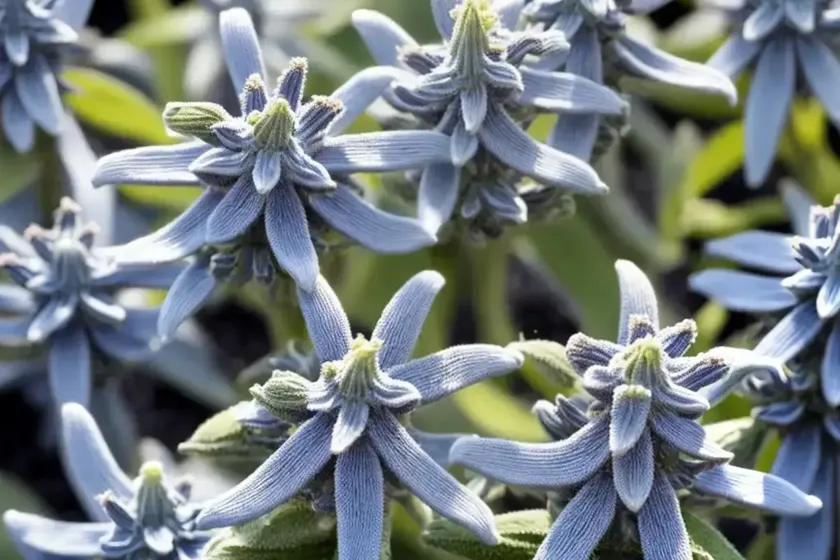
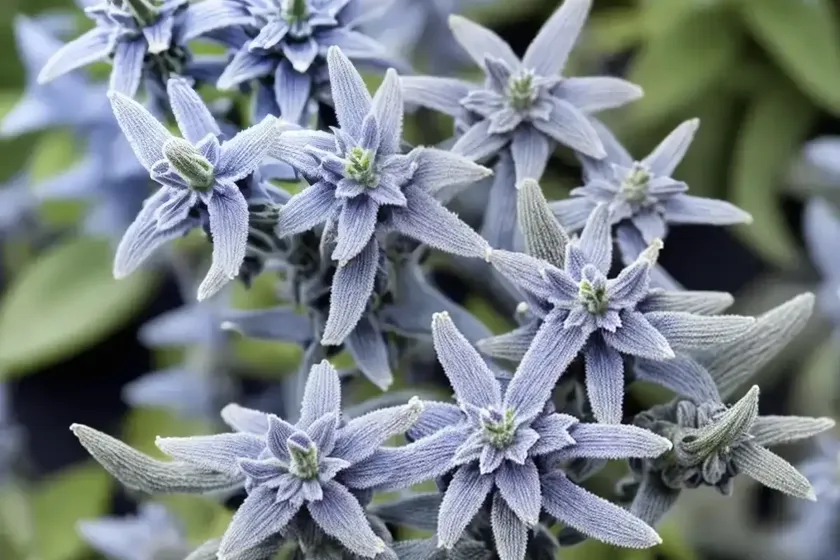
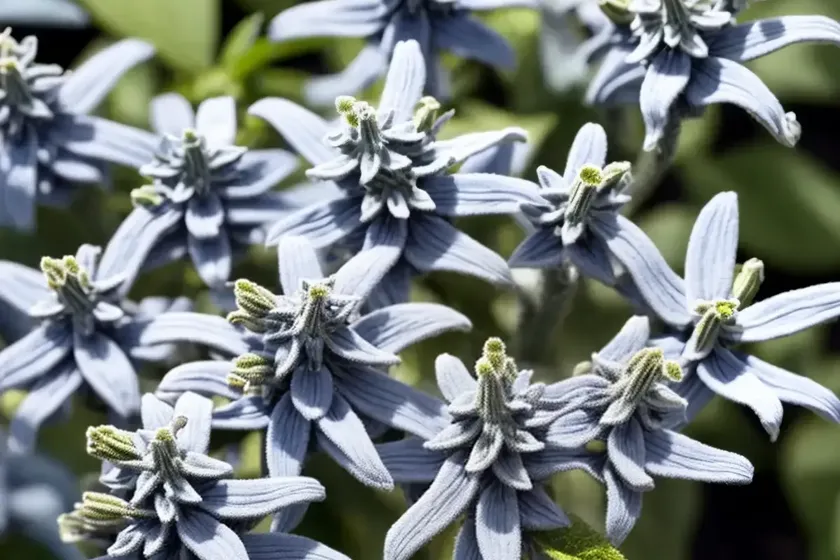
Anise sage, scientifically known as Salvia guaranitica ‘Black and Blue’, is a stunning perennial plant that adds vibrant colors and anise-like fragrance to gardens. This plant is a part of the larger Salvia genus, which encompasses over 900 species distributed across the globe. ‘Black and Blue’ is recognized for its deep blue flowers and black sepals, making it a highly sought-after addition to any garden or landscape. In this comprehensive guide, we will delve into the characteristics, care, cultivation, and various uses of the striking Anise sage.
Key Takeaways – Anise Sage (Salvia Guaranitica ‘Black And Blue’)
Before we delve into the specifics of Anise sage, let’s outline the key takeaways that we will be exploring in this guide:
- Culture: Understanding the cultural requirements of Anise sage, including its water, sunlight, fertilizer, and soil preferences.
- Uses: Exploring the various uses of Anise sage, including its ornamental, medicinal, and culinary applications.
- Propagation: Learning about the methods of propagating Anise sage to expand your garden or share with others.
- Container Popularity: Assessing the suitability of Anise sage for container gardening and its requirements in such settings.
- Common Diseases and Pests: Recognizing the potential diseases and pests that may affect Anise sage and methods for prevention and management.
- Botanist’s Tips: Gathering insightful tips and recommendations from botanists and experts for successfully growing and caring for Anise sage.
- Fun Facts: Uncovering interesting and lesser-known facts about Anise sage that add to its allure.
Now, let’s embark on a journey to delve deeper into the world of Anise sage and unravel the secrets to successfully cultivating and appreciating this captivating plant.
What is Anise Sage (Salvia Guaranitica ‘Black And Blue’)?
Anise sage, widely known by its scientific name Salvia guaranitica ‘Black and Blue’, is a herbaceous perennial plant native to South America, particularly Brazil, Paraguay, and Argentina. It belongs to the Lamiaceae family, which encompasses an array of aromatic plants commonly referred to as the mint family.
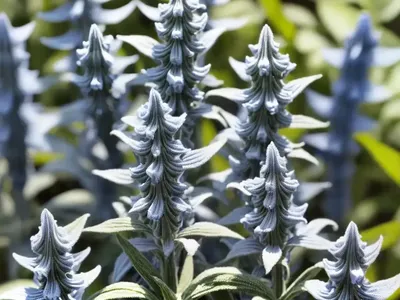
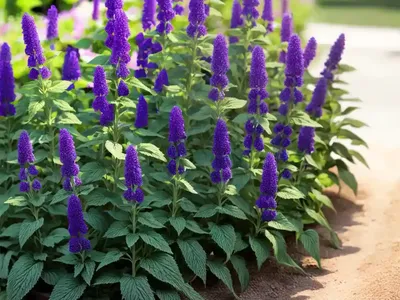
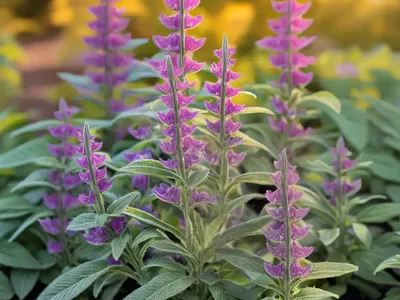
The ‘Black and Blue’ variety of Salvia guaranitica is celebrated for its striking appearance, characterized by vivid deep blue flowers that elegantly emerge from dark, almost black, sepals. This creates a visually captivating contrast and makes it a popular choice for adding intense color to gardens and landscapes.
Apart from enhancing the aesthetic appeal of outdoor spaces, Anise sage also holds significance in traditional and alternative medicine due to its aromatic foliage and potential therapeutic properties. Additionally, it attracts pollinators, making it a valuable addition to gardens aiming to support local ecosystems and encourage biodiversity.
Now, let’s delve into the specifics of cultivating and caring for Anise sage, starting with its cultural requirements.
Culture
Water
Anise sage, being a native of South America, demonstrates a preference for moderately moist to slightly dry soil conditions. It is essential to ensure that the plant is not subjected to waterlogged conditions, which can lead to root rot and other detrimental effects. Additionally, overwatering may also compromise the vigor and overall health of Anise sage, making it crucial to strike a balance in its watering regimen.
- Recommended Watering: Anise sage thrives when the soil is allowed to dry slightly between watering sessions. A watering schedule of once or twice per week, depending on the local climate and rainfall, is generally adequate to maintain optimal moisture levels for the plant.
Sunlight
Similar to many members of the Salvia genus, Anise sage flourishes in locations that receive ample sunlight. It is considered a sun-loving plant and is most likely to produce robust growth and bountiful blooms when provided with the appropriate exposure to sunlight.
- Sunlight Requirement: Anise sage ideally requires full sun exposure, which translates to approximately six to eight hours of direct sunlight per day. In regions with intense summer heat, it may benefit from partial afternoon shade to prevent stress and sunburn.
Fertilizer
Appropriate and timely fertilization is instrumental in promoting the healthy growth and flowering of Anise sage. A well-balanced fertilizer regimen helps provide essential nutrients that are beneficial for the plant’s overall vigor and ability to produce an abundance of blooms.
- Fertilization Frequency: Anise sage can be fertilized in spring and midsummer with a balanced, all-purpose fertilizer formulated for flowering perennials. Following the manufacturer’s recommendations regarding application rates and methods is advisable to prevent overfertilization and its potential adverse effects.
Soil
The quality and composition of the soil play a pivotal role in determining the overall health and performance of Anise sage. A well-draining and nutrient-rich growing medium is crucial for fostering robust growth and optimizing the plant’s blooming potential.
- Preferred Soil Type: Anise sage thrives in loamy, well-draining soil with a slightly acidic to neutral pH range. Incorporating organic matter such as compost or well-rotted manure into the soil prior to planting can enhance its structure and fertility, creating an ideal foundation for the plant’s development.
Uses
Ornamental
Anise sage, with its captivating blue flowers and aromatic foliage, serves as an enchanting ornamental addition to gardens, landscapes, and outdoor spaces. It possesses the ability to infuse vibrant color and visual interest into various settings, elevating the overall aesthetic appeal and creating focal points within the landscape.
- Landscape Applications: Anise sage can be utilized in flower borders, cottage gardens, and perennial beds to introduce a striking visual element and attract pollinators. It can also be incorporated into wildlife-friendly or pollinator gardens due to its ability to entice butterflies, bees, and hummingbirds.
Medicinal
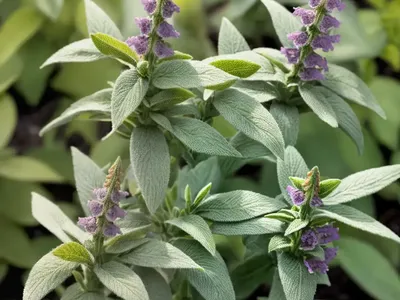
The aromatic foliage of Anise sage possesses potential medicinal properties that have been traditionally recognized and utilized for various purposes. The leaves of the plant are known for their distinct anise-like fragrance, which contributes to their applications in traditional medicine and herbal remedies.
- Medicinal Attributes: Anise sage leaves are often employed to prepare herbal infusions or tinctures that are believed to have soothing and calming properties. The plant is also reputed for its potential to alleviate respiratory discomfort and promote relaxation, making it a valuable component in herbal medicine and wellness practices.
Culinary
While the primary focus of Anise sage centers around its ornamental and potentially medicinal attributes, the plant’s aromatic foliage presents opportunities for culinary exploration. The leaves can be utilized as a flavoring agent in various culinary endeavors, adding a distinctive anise-like essence to dishes.
- Culinary Applications: Anise sage leaves can be used to impart a hint of anise flavor to teas, infusions, and culinary creations. They can be incorporated into herbal teas, fruit salads, and desserts to introduce a subtle and refreshing note that contributes to the complexity of the flavor profile.
Pruning
Anise sage benefits from regular pruning to maintain its compact form, encourage branching, and prolong the duration of its blooming period. Pruning also aids in removing spent flowers and promoting the development of new blooms, ensuring that the plant remains visually appealing and continues to thrive.
- Pruning Technique: When the flowers begin to fade, it is advisable to deadhead Anise sage by removing the spent blooms. This encourages the plant to produce additional flowers and prevents the energy from being redirected towards seed production.
Propagation
The propagation of Anise sage can be achieved through several methods, allowing gardeners and enthusiasts to expand their collection of these captivating plants or share them with others. Propagation techniques such as division, cuttings, and seed propagation can be employed to multiply Anise sage and introduce it to new settings.
-
Division: Anise sage can be propagated through division by carefully separating the plant’s root clumps and replanting them in suitable locations. This method is ideally performed during the early spring to ensure successful establishment and robust growth.
-
Cuttings: Stem cuttings can be utilized to propagate Anise sage, with the selected cuttings being rooted in a suitable growing medium to initiate new plant growth. This method enables the creation of genetically identical plants with the desirable characteristics of the parent plant.
-
Seed Propagation: Anise sage produces viable seeds that can be collected and sown in prepared seed-starting trays or pots. By providing the appropriate environmental conditions and care, the seeds will germinate and yield new plants, contributing to the expansion of Anise sage populations.
Container Popularity
Anise sage demonstrates versatility and adaptability when grown in containers, making it a popular choice for container gardening enthusiasts and individuals with limited outdoor space. Its striking appearance and low-maintenance nature contribute to its appeal in container settings, allowing it to thrive and flourish in confined environments.
-
Container Selection: When cultivating Anise sage in containers, it is advisable to choose a spacious pot or container that provides adequate room for root development and accommodates the plant’s mature size. Opting for containers with drainage holes facilitates proper moisture management and prevents waterlogging.
-
Growing Medium: Employing a well-draining potting mix formulated for perennial plants is instrumental in creating an optimal growing environment for Anise sage in containers. The growing medium should offer adequate aeration and moisture retention to support the plant’s growth and vitality.
-
Maintenance: Regular monitoring of the container-grown Anise sage is essential to ensure that the soil moisture levels remain appropriate and the plant receives sufficient sunlight. Adjustments may be necessary to accommodate the plant’s requirements and ensure its well-being in the container environment.
Common Diseases
Disease Diagnosis
Anise sage, like many other plants, is susceptible to certain diseases and ailments that can impact its health and vitality. Recognizing the symptoms and signs of common plant diseases is essential for implementing timely interventions and protecting Anise sage from potentially debilitating conditions.
-
Powdery Mildew: This fungal disease is characterized by the presence of powdery white patches on the leaves and stems of Anise sage. It can hinder the plant’s photosynthetic capabilities and weaken its vigor, necessitating prompt treatment to prevent its spread.
-
Botrytis Blight: Botrytis blight, caused by the fungus Botrytis cinerea, can affect Anise sage and manifest as grayish mold on the foliage and flowers. This can lead to the development of rot and deterioration of plant tissues, posing a threat to the plant’s overall health.
-
Preventive Measures: Implementing preventative measures such as providing adequate air circulation, avoiding overhead watering, and maintaining proper spacing between plants can help mitigate the risk of fungal diseases affecting Anise sage.
Common Pests
The presence of certain pests can pose a threat to the well-being and appearance of Anise sage, necessitating vigilant monitoring and potential intervention to safeguard the plant from the detrimental effects of pest infestations.
-
Aphids: These small, sap-sucking insects can colonize Anise sage and cause adverse effects on its growth and foliage. Aphids are known for their ability to weaken plants and transmit viruses, making it crucial to address infestations promptly.
-
Spider Mites: Spider mites are common pests that can afflict Anise sage, particularly in dry and warm conditions. They feed on plant tissues, leading to stippling, discoloration, and eventual decline in the plant’s overall vitality.
-
Integrated Pest Management: Employing integrated pest management strategies, which may include the use of beneficial insects, horticultural oils, or insecticidal soaps, can assist in managing pest populations and minimizing their impact on Anise sage.
Now that we have gained insights into the potential challenges and methods for preserving the health and appeal of Anise sage, let’s delve into a collection of botanist’s tips and fun facts that further enhance our understanding and appreciation of this remarkable plant.
Botanist’s Tips
-
Soil Conditions: Paying attention to the soil conditions and maintaining well-draining, fertile soil is pivotal for ensuring the robust growth and longevity of Anise sage. This includes periodic soil testing to monitor pH levels and nutrient content.
-
Deadheading: Regular deadheading of spent blooms is beneficial for stimulating continuous flowering and preventing the plant from expending energy on seed production. This practice contributes to the prolonged blooming period and overall visual appeal of Anise sage.
-
Overwintering: In regions with harsh winter conditions, providing adequate winter protection for Anise sage, such as mulching around the base of the plant, can aid in safeguarding it from cold temperatures and potential frost damage.
-
Sunlight Management: While Anise sage thrives in full sun, it may benefit from partial afternoon shade in extremely hot climates to prevent stress and maintain its vigor during the peak of summer.
Fun Facts
-
Anise sage, despite its name, does not belong to the true sage (Salvia officinalis) species, but rather to the broader Salvia genus, which encompasses a diverse array of species with unique characteristics and properties.
-
The intense blue flowers of Anise sage are known to attract a variety of pollinators, including butterflies, bees, and hummingbirds, contributing to the ecological value of the plant and its role in supporting local wildlife.
-
The leaves of Anise sage emit an anise-like fragrance when crushed or brushed, contributing to its appeal as an aromatic addition to gardens and outdoor spaces.
-
This plant is a favored subject for photographers and nature enthusiasts due to its captivating visual allure and the potential for creative and aesthetically pleasing compositions.
-
Anise sage is renowned for its resilience and adaptability, making it well-suited for various climate conditions and garden settings, from temperate regions to warm, subtropical environments.
Links to External Resources
The following external resources provide valuable insights, tips, and additional information on Anise sage (Salvia guaranitica ‘Black and Blue’) and the broader Salvia genus:
- Royal Horticultural Society – Growing Salvias
- Missouri Botanical Garden – Salvia Guaranitica ‘Black and Blue’
- North Carolina State University Extension – Salvias for the Garden
- University of Florida IFAS Extension – Salvia Guaranitica
In conclusion, Anise sage (Salvia guaranitica ‘Black and Blue’) stands out as a captivating and versatile plant with ornamental, medicinal, and culinary potential. By understanding and implementing the appropriate cultural practices, care, and propagation methods, individuals can cultivate and appreciate the beauty and functionality of this remarkable perennial, fostering its presence in diverse outdoor environments and contributing to the preservation and appreciation of botanical diversity.