Angelonia ‘Angelface Steel Blue’ (Summer Snapdragon)
When it comes to adding color and charm to a garden, few plants can rival the beauty and allure of Angelonia ‘Angelface Steel Blue’, also known as Summer.
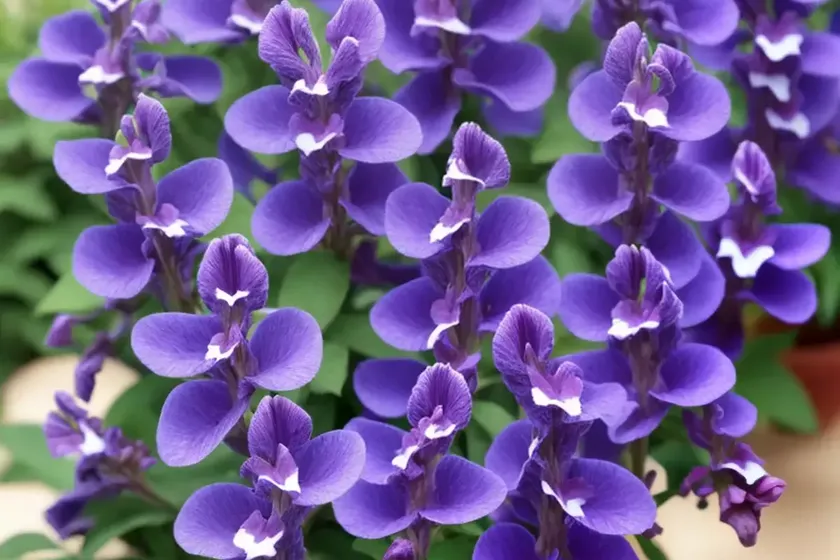
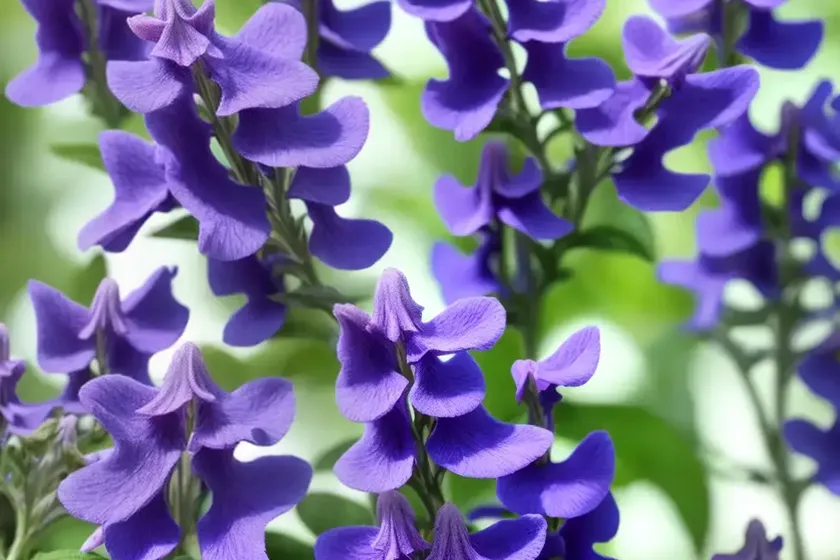
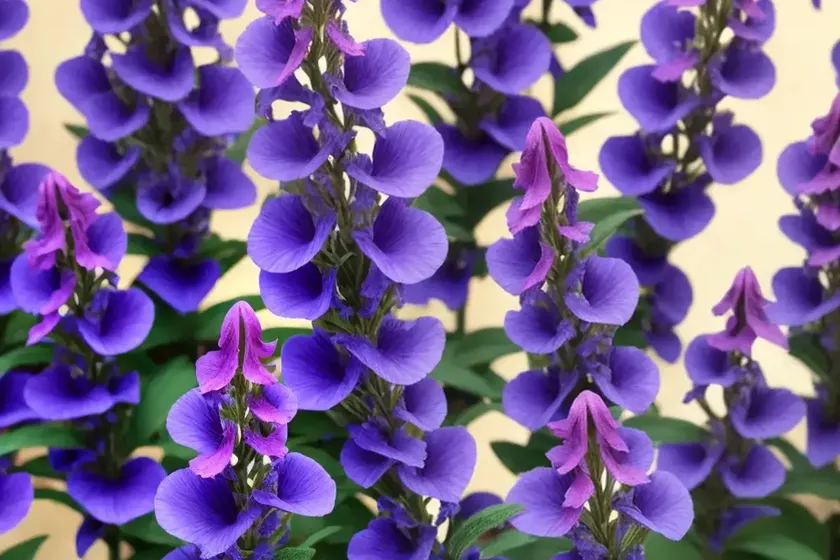
When it comes to adding color and charm to a garden, few plants can rival the beauty and allure of Angelonia ‘Angelface Steel Blue’, also known as Summer Snapdragon. This stunning plant is a favorite among gardeners for its vibrant blooms, easy maintenance, and versatility in various landscaping settings. In this comprehensive guide, we will delve into the various aspects of Angelonia ‘Angelface Steel Blue’, including its culture, uses, maintenance, and much more.
What is Angelonia ‘Angelface Steel Blue’?
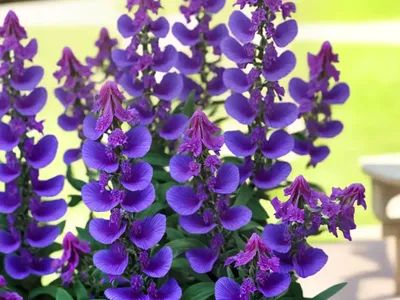
Angelonia ‘Angelface Steel Blue’ is a herbaceous perennial that belongs to the family Plantaginaceae. This stunning plant is native to Mexico and the West Indies and has gained immense popularity as an ornamental plant in many parts of the world. With its striking flower spikes and charming blue blooms, Angelonia ‘Angelface Steel Blue’ has become a sought-after addition to gardens, landscapes, and containers.
Key Takeaways – Angelonia ‘Angelface Steel Blue’ (Summer Snapdragon)
Before we delve deeper into the various aspects of Angelonia ‘Angelface Steel Blue’, let’s take a quick look at the key takeaways associated with this captivating plant:
- Plant Name: Angelonia ‘Angelface Steel Blue’ (Summer Snapdragon)
- Common Names: Summer Snapdragon, Angelface Steel Blue Angelonia
- Botanical Name: Angelonia angustifolia
- Plant Type: Herbaceous Perennial
- Hardiness Zone: 9-11
- Mature Size: 12-18 inches in height, 12-14 inches in spread
- Exposure: Full sun
- Bloom Time: Late spring to fall
- Watering: Moderate
- Soil Type: Well-drained, fertile soil
- Uses: Garden beds, borders, containers, landscaping
Now that we have an overview of Angelonia ‘Angelface Steel Blue’, let’s explore its culture, uses, maintenance, and more in detail.
Culture of Angelonia ‘Angelface Steel Blue’
Understanding the culture of Angelonia ‘Angelface Steel Blue’ is essential for ensuring its optimal growth and blooming. Here are the key aspects of its culture:
Water
Angelonia ‘Angelface Steel Blue’ thrives in moderately moist soil conditions. While it is essential to provide regular watering, it is crucial to avoid overwatering, as this can lead to root rot and other issues. During periods of intense heat, the plant may require more frequent watering to maintain its vitality and vigor.
Sunlight
One of the defining features of Angelonia ‘Angelface Steel Blue’ is its preference for full sunlight. It flourishes in bright, sunny conditions and may not perform well in shaded or partially shaded areas. When selecting a planting location for Angelonia ‘Angelface Steel Blue’, ensure that it receives at least 6-8 hours of direct sunlight per day for the best results.
Fertilizer
Proper fertilization plays a crucial role in enhancing the growth and blooming of Angelonia ‘Angelface Steel Blue’. Before planting, amending the soil with a balanced, slow-release fertilizer can provide the plant with essential nutrients for healthy development. Additionally, applying a diluted, balanced liquid fertilizer every 6-8 weeks during the growing season can further support its growth and flowering.
Soil
Angelonia ‘Angelface Steel Blue’ thrives in well-drained, fertile soil with a slightly acidic to neutral pH. A loamy soil with good moisture retention and adequate aeration is ideal for promoting the robust growth of this plant. Prior to planting, amending the soil with organic matter can improve its overall quality and provide an optimal growing environment for Angelonia ‘Angelface Steel Blue’.
Pruning and Maintenance
Pruning
Pruning plays a vital role in maintaining the compact and tidy appearance of Angelonia ‘Angelface Steel Blue’. Periodic deadheading – the removal of spent flowers – can encourage continuous blooming and prevent the formation of seed pods. Additionally, trimming back leggy or overgrown stems can promote bushier growth and enhance the plant’s overall aesthetics.
Propagation
Angelonia ‘Angelface Steel Blue’ can be propagated through stem cuttings, making it relatively easy to expand your plant collection. By taking 3-4 inch cuttings from healthy, established plants and rooting them in a well-draining propagation medium, you can create new Angelonia ‘Angelface Steel Blue’ plants that will inherit the desirable traits of the parent plant.
Container Gardening with Angelonia ‘Angelface Steel Blue’
Angelonia ‘Angelface Steel Blue’ is well-suited for container gardening and can add a captivating touch to patio gardens, balconies, and other outdoor spaces. When choosing a container for Angelonia ‘Angelface Steel Blue’, opt for a sturdy, well-drained pot that is large enough to accommodate the plant’s root system. Additionally, using a high-quality potting mix with good drainage properties is essential for the plant’s health and vigor.
Popularity and Uses
Angelonia ‘Angelface Steel Blue’ has gained widespread popularity among gardeners, landscapers, and floral enthusiasts due to its versatility and visual appeal. Here are some common uses and applications of this captivating plant:
- Garden Beds and Borders: Angelonia ‘Angelface Steel Blue’ makes a stunning addition to garden beds and borders, where its upright growth habit and vibrant blooms can create eye-catching displays.
- Container Gardens: Whether used alone or as part of a mixed container arrangement, Angelonia ‘Angelface Steel Blue’ adds a pop of color and elegance to container gardens, enhancing the visual impact of outdoor spaces.
- Landscaping: From residential landscapes to public parks and commercial properties, Angelonia ‘Angelface Steel Blue’ is often incorporated into landscaping designs to introduce a touch of charm and allure.
- Cut Flowers: The long-lasting cut flowers of Angelonia ‘Angelface Steel Blue’ make it a popular choice for floral arrangements and bouquets, adding a breath of fresh air to indoor spaces.
Common Diseases and Pest Control
Like all plants, Angelonia ‘Angelface Steel Blue’ is susceptible to certain diseases and pests, which can impact its health and appearance if not addressed promptly. Understanding these potential issues is essential for implementing appropriate preventive measures and treatments.
Common Diseases
-
Powdery Mildew: In humid and poorly ventilated conditions, Angelonia ‘Angelface Steel Blue’ may be susceptible to powdery mildew, a fungal disease that presents as a powdery, white growth on the leaves and stems. To prevent powdery mildew, ensure proper air circulation and avoid overhead watering.
-
Root Rot: Overwatering or poorly drained soil can lead to root rot, a condition that causes the plant’s roots to decay and weaken. Maintaining well-drained soil and avoiding excessive watering can help prevent root rot in Angelonia ‘Angelface Steel Blue’.
Disease Diagnosis
If you notice symptoms such as discolored or distorted leaves, powdery growth, or wilting, it is essential to inspect the plant carefully and identify the underlying issue. Prompt diagnosis of diseases can facilitate timely intervention and prevent the spread of the problem to other plants in the vicinity.
Common Pests
-
Aphids: These small, sap-sucking insects can infest the tender new growth of Angelonia ‘Angelface Steel Blue’, leading to distorted leaves and stunted growth. Regularly inspecting the plant and using insecticidal soaps or horticultural oils can help control aphid infestations.
-
Spider Mites: Spider mites are common pests that can affect Angelonia ‘Angelface Steel Blue’, particularly in dry and hot conditions. These pests cause stippled, discolored leaves and fine webbing on the plant. Applying a strong stream of water and using insecticidal treatments can help manage spider mite populations.
Botanist’s Tips for Growing Angelonia ‘Angelface Steel Blue’
To ensure the successful cultivation of Angelonia ‘Angelface Steel Blue’ and maximize its ornamental value, consider the following tips and recommendations from botanists and horticultural experts:
-
Site Selection: Choose a planting location that receives full sunlight and provides well-drained soil conditions to create an ideal environment for Angelonia ‘Angelface Steel Blue’.
-
Watering Practices: Maintain moderate soil moisture levels, allowing the soil to partially dry out between watering sessions to prevent waterlogged conditions.
-
Fertilization: Apply a balanced, slow-release fertilizer at the beginning of the growing season, followed by periodic applications of diluted liquid fertilizer to support the plant’s nutrient needs.
-
Pruning Techniques: Practice regular deadheading and light pruning to encourage continuous blooming and promote a compact, tidy growth habit in Angelonia ‘Angelface Steel Blue’.
-
Pest and Disease Management: Monitor the plant regularly for signs of pests and diseases, and take proactive measures to control infestations and prevent potential issues.
Fun Facts about Angelonia ‘Angelface Steel Blue’
Discover some intriguing and lesser-known facts about Angelonia ‘Angelface Steel Blue’ that highlight its unique characteristics and appeal as a garden favorite:
- The vibrant blue flowers of Angelonia ‘Angelface Steel Blue’ are known for their striking resemblance to those of true snapdragons, despite belonging to a different botanical family.
- While Angelonia ‘Angelface Steel Blue’ is widely recognized for its blue blooms, it is also available in other color variations, including pink, white, and lavender.
- This charming plant is renowned for its heat tolerance, making it an excellent choice for gardens in warmer climates and regions with intense summer temperatures.
- In addition to its ornamental value, Angelonia ‘Angelface Steel Blue’ has been identified as a pollinator-friendly plant, attracting beneficial insects such as bees and butterflies to the garden.
Links to External Resources
For additional information, inspiration, and insights on Angelonia ‘Angelface Steel Blue’ and its cultivation, uses, and more, explore the following resources from reputable sources:
- The American Horticultural Society – A comprehensive resource for gardening enthusiasts with valuable information on plant selection, care, and landscaping ideas.
- Royal Horticultural Society – The definitive source for gardening advice and inspiration, offering insights on plant varieties, cultivation tips, and seasonal gardening topics.
- University Cooperative Extension Services – Educational resources from leading universities and cooperative extension services, providing research-based guidance on horticulture and plant care.
In conclusion, Angelonia ‘Angelface Steel Blue’ (Summer Snapdragon) stands out as a captivating, low-maintenance plant with a wealth of ornamental and practical value. With its vibrant blue blooms, heat tolerance, and versatility in various landscapes and settings, it continues to enchant gardeners and plant enthusiasts worldwide, adding a touch of charm and allure to outdoor spaces.
With the insights and recommendations presented in this comprehensive guide, you can embark on a rewarding journey of growing and enjoying the beauty of Angelonia ‘Angelface Steel Blue’ while enhancing the visual appeal of your garden, landscape, or outdoor living spaces.