Anemone X Hybrida ‘Whirlwind’ (Japanese Anemone)
Plants bring life and vibrancy to any space, and one plant that can effortlessly add elegance and beauty to gardens is the Anemone x hybrida ‘Whirlwind’.

Plants bring life and vibrancy to any space, and one plant that can effortlessly add elegance and beauty to gardens is the Anemone x hybrida ‘Whirlwind’, also known as the Japanese Anemone. This stunning perennial is well-loved for its delicate flowers, resilient nature, and low maintenance requirements. Whether you are an experienced gardener or just beginning to explore the world of plants, the Japanese Anemone ‘Whirlwind’ is a captivating choice that can thrive in various settings. In this comprehensive care guide, we will delve into the culture, uses, growing conditions, care routine, and interesting facts about this mesmerizing plant.
What is Anemone x hybrida ‘Whirlwind’?
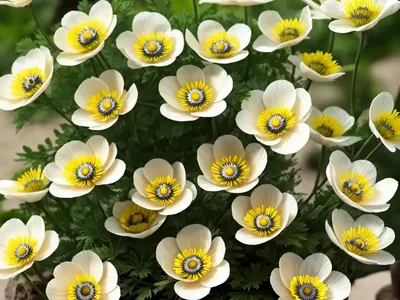
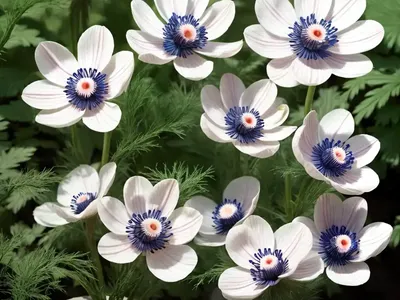
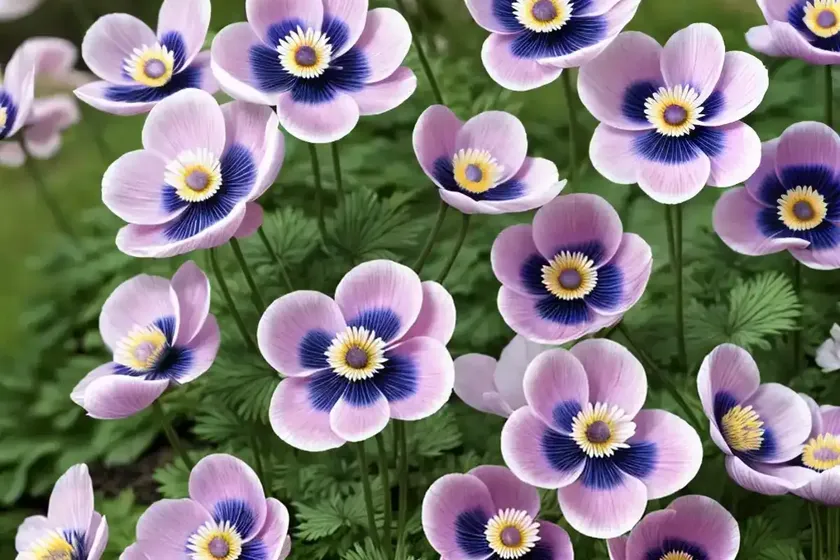
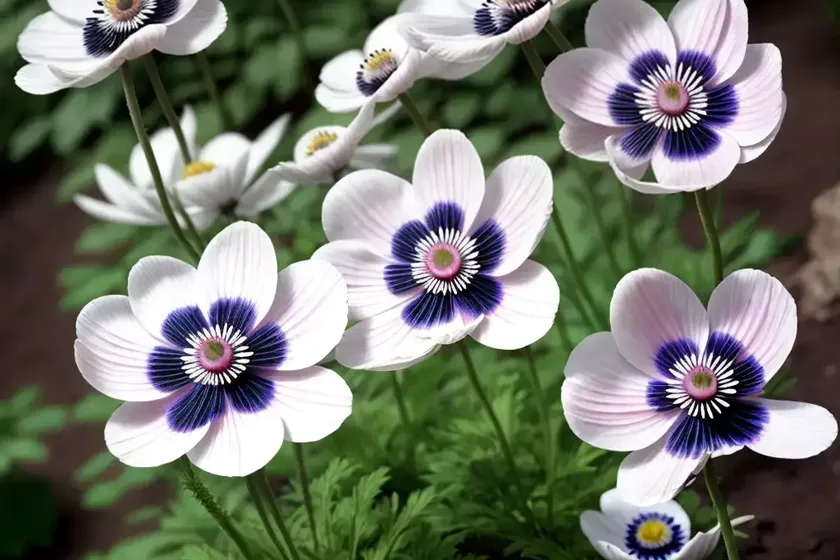
The Anemone x hybrida ‘Whirlwind’ is a herbaceous perennial plant that belongs to the Ranunculaceae family. It is a hybrid species that is a cross between several Anemone species, resulting in the stunning ‘Whirlwind’ variety. This plant is characterized by its graceful, saucer-shaped white flowers with contrasting yellow stamens, which bloom atop tall, slender stems. The foliage consists of deep green, lobed leaves that provide an attractive backdrop to the dazzling blooms.
Key Takeaways – Anemone x hybrida ‘Whirlwind’ (Japanese Anemone)
Before we dive into the specific care requirements and characteristics of the Anemone x hybrida ‘Whirlwind’, let’s highlight the key takeaways about this remarkable plant.
- Botanical Name: Anemone x hybrida ‘Whirlwind’
- Common Name: Japanese Anemone
- Plant Type: Herbaceous Perennial
- Flower Color: White
- Flowering Season: Late Summer to Fall
- Sunlight: Partial Shade to Full Sun
- Soil Type: Well-drained, fertile soil
- Watering: Regular watering, prefers consistently moist soil
- Maintenance: Low maintenance
- Hardiness Zone: 4 – 8
- Height: 36 – 48 inches
- Spread: 24 – 36 inches
- Uses: Borders, Cottage Gardens, Cut Flowers
Now that we have a general overview of the plant, let’s explore each aspect of its care and maintenance in detail.
Culture
Cultivating the Anemone x hybrida ‘Whirlwind’ involves understanding its cultural requirements, including its ideal growing conditions, watering needs, soil preferences, and sunlight exposure.
Uses
The Japanese Anemone ‘Whirlwind’ offers multifaceted uses in the garden and beyond. Here are some common uses of this captivating plant:
- Garden Borders: The tall, elegant stems and striking white flowers make the ‘Whirlwind’ variety an excellent choice for border plantings, adding vertical interest and visual appeal to garden edges and pathways.
- Cottage Gardens: Embrace a cottage garden aesthetic by incorporating Japanese Anemones into mixed plantings. Their charming blooms and graceful habit complement the informal and romantic style of cottage gardens.
- Cut Flowers: The long, wiry stems of the ‘Whirlwind’ Japanese Anemone make it a desirable cut flower, bringing a touch of natural elegance to floral arrangements and bouquets.
Water
Proper watering is essential for the health and vitality of the Anemone x hybrida ‘Whirlwind’. While it is crucial to maintain consistently moist soil, it is equally important to avoid waterlogged conditions that can lead to root rot.
- Watering Needs: The ‘Whirlwind’ Japanese Anemone prefers regular watering, especially during periods of dry weather. Ideally, the soil should be kept consistently moist but not waterlogged.
- Watering Schedule: During the active growing season, aim to water the plant deeply once or twice a week. Adjust the frequency based on the weather conditions and the moisture retention of the soil.
Sunlight
Understanding the sunlight requirements of the Anemone x hybrida ‘Whirlwind’ is vital for ensuring its overall health and flowering performance.
- Sun Exposure: Japanese Anemones thrive in partial shade to full sun. In regions with hot summers, providing afternoon shade can help prevent the plant from suffering from heat stress.
- Optimal Placement: When selecting a location for planting, prioritize spots that receive dappled sunlight or morning sun with partial afternoon shade. This balance typically offers the ideal lighting conditions for the ‘Whirlwind’ variety.
Fertilizer
Fertilizing the Anemone x hybrida ‘Whirlwind’ is a valuable practice that can support robust growth and prolific flowering. By providing the necessary nutrients, you can enhance the overall health and visual appeal of the plant.
- Fertilizer Type: Use a balanced, all-purpose fertilizer or a formula specifically formulated for flowering perennials.
- Application Timing: Apply a slow-release fertilizer or a liquid fertilizer in early spring as new growth emerges. Follow up with a second application in mid-summer to fuel the plant’s blooming phase.
- Avoid Overfertilization: Exercise caution to prevent overfertilization, as excessive nutrient levels can negatively impact the plant’s performance and lead to an imbalance in growth.
Soil
The soil composition plays a significant role in the growth, development, and overall well-being of the Anemone x hybrida ‘Whirlwind’.
- Soil Type: Japanese Anemones thrive in well-drained, fertile soil with a slightly acidic to neutral pH. Loamy, organically rich soils are ideal for promoting healthy root development and supporting robust foliage and flowering.
- Improving Soil: Prior to planting, amend the soil with organic matter such as compost or well-rotted manure to enhance its structure, moisture retention, and nutrient content.
- Mulching: Apply a layer of organic mulch around the base of the plant to conserve soil moisture, suppress weed growth, and insulate the roots during temperature fluctuations.
Pruning
Pruning is a fundamental aspect of maintaining the vitality, aesthetics, and longevity of the Anemone x hybrida ‘Whirlwind’. By adhering to proper pruning practices, you can encourage healthy growth, prevent overcrowding, and promote abundant flowering.
- Deadheading: Remove spent flowers to encourage continuous blooming and prevent the plant from directing energy towards seed production.
- Fall Cleanup: In late fall, after the plant has completed its blooming cycle, trim back the spent foliage and stems to ground level. This practice helps tidy up the garden and prepares the plant for the upcoming growing season.
- Division: Every few years, consider dividing mature clumps of Japanese Anemones to rejuvenate the plants, prevent overcrowding, and maintain their vigor. Division is typically performed in early spring or fall.
Propagation
Expanding your collection of Anemone x hybrida ‘Whirlwind’ plants or sharing the beauty of this variety with fellow gardeners can be achieved through propagation. The following methods can be utilized to propagate the Japanese Anemone:
- Divisions: Division involves separating the plant’s rhizomes or tuberous roots into individual segments, each containing viable buds or growth points. Replant the divisions in prepared soil, ensuring they are positioned at the correct depth and receive adequate moisture.
Container Popularity
While Anemone x hybrida ‘Whirlwind’ is commonly grown in garden borders and perennial beds, it can also thrive in containers, offering versatility in garden design and placement. Here are some considerations for growing the ‘Whirlwind’ Japanese Anemone in containers:
- Container Size: Select a spacious container with adequate drainage holes to accommodate the plant’s root system and allow for healthy growth.
- Growing Medium: Use a high-quality potting mix that offers excellent drainage and aeration. Adding organic matter can enhance the moisture retention and nutrient levels within the soil.
- Watering: Containers generally require more frequent watering than plants grown in the ground. Monitor the soil moisture closely and irrigate as needed to maintain consistent soil moisture.
Common Diseases
While the Anemone x hybrida ‘Whirlwind’ is relatively resilient, it is important to be aware of potential diseases that can affect this plant. By recognizing the symptoms and implementing appropriate measures, you can protect the health and vigor of the Japanese Anemone.
- Powdery Mildew: This fungal disease can manifest as a white, powdery coating on the plant’s leaves, diminishing their aesthetics and potentially impacting their photosynthetic capability. To address powdery mildew, provide adequate air circulation, avoid overhead watering, and consider applying fungicidal treatments if necessary.
Disease Diagnosis
When diagnosing potential diseases that may affect the Anemone x hybrida ‘Whirlwind’, consider the following visual cues and symptoms:
- Foliage Discoloration: Monitor the foliage for discoloration, spotting, or unusual patterns that may indicate the presence of a disease.
- Deformities: Be observant of any deformities in the leaves or flowers, as these can be indicative of disease or pest infestation.
- Stunted Growth: If the plant exhibits stunted growth or a decline in vigor, investigate potential disease factors that may be contributing to these symptoms.
Common Pests
Pests can pose a threat to the well-being of the Anemone x hybrida ‘Whirlwind’, potentially causing damage to the foliage, flowers, and overall vitality of the plant. Vigilance and preventive measures are essential in managing or deterring common pests.
- Aphids: These small, sap-sucking insects can congregate on the undersides of leaves, causing distorted growth and honeydew secretion. Employ natural predators, insecticidal soap, or horticultural oils to control aphid populations.
- Spider Mites: Spider mites are minute arachnids that can infest the plant, leading to stippled or discolored foliage. Regularly hose down the plant to deter spider mites and consider using predatory mites as a biological control method.
Botanist’s Tips
To ensure the successful cultivation and care of the Anemone x hybrida ‘Whirlwind’, consider implementing the following botanist’s tips:
- Encourage Beneficial Insects: Foster a thriving ecosystem within your garden by selecting plants that attract pollinators and beneficial insects, which can aid in pest control and overall plant health.
- Observation and Monitoring: Regularly inspect the plant for signs of stress, pest infestations, or disease development. Early intervention can significantly impact the plant’s resilience and recovery.
Fun Facts
Get to know the Anemone x hybrida ‘Whirlwind’ through these fascinating fun facts:
- Medicinal History: In traditional medicine, certain Anemone species were utilized for their therapeutic properties, with uses ranging from pain relief to wound treatment.
- Symbolic Significance: Anemones are often associated with various symbolic meanings, including anticipation, protection, and dedication, making them a meaningful choice in bouquets and floral arrangements.
- Wildlife Interaction: Japanese Anemones can attract beneficial pollinators such as bees and butterflies, contributing to the biodiversity and ecological balance within a garden.
Now that we have covered the essential aspects of caring for the Anemone x hybrida ‘Whirlwind’, let’s explore some valuable external resources that provide additional insights, tips, and inspiration related to this captivating plant.
Links to External Resources
- Royal Horticultural Society – Anemone x hybrida ‘Whirlwind’: Explore comprehensive information and guidance on the cultivation and care of the ‘Whirlwind’ Japanese Anemone from the Royal Horticultural Society. RHS – Anemone x hybrida ‘Whirlwind’
- University of Maryland Extension – Perennials: Anemone x hybrida (Japanese Anemone): Delve into the characteristics, growing conditions, and landscape uses of the Anemone x hybrida, including the ‘Whirlwind’ variety, with insights from the University of Maryland Extension. UMD Extension – Anemone x hybrida (Japanese Anemone)
- American Society for the Prevention of Cruelty to Animals (ASPCA) – Toxic and Non-Toxic Plants: Anemone: Gain valuable knowledge about the potential toxicity of Anemone species to pets and livestock, along with the Anemone x hybrida ‘Whirlwind’, from the ASPCA. ASPCA – Anemone Plants
In conclusion, the Anemone x hybrida ‘Whirlwind’, or Japanese Anemone, presents a captivating blend of elegance, resilience, and natural charm that can enrich gardens, landscapes, and floral arrangements. By embracing the cultural needs, growing conditions, and maintenance practices outlined in this guide, you can foster the optimal health and beauty of this remarkable plant. Whether you are drawn to its enchanting blooms, its contribution to ecological diversity, or its historical significance, the ‘Whirlwind’ Japanese Anemone undoubtedly holds a special place in the world of ornamental plants, offering a timeless allure that continues to captivate plant enthusiasts and gardeners alike.