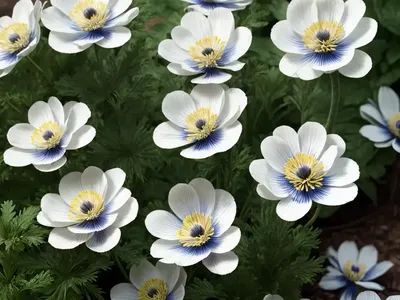
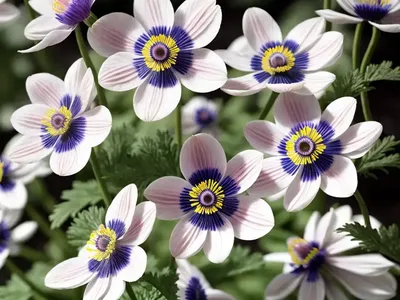
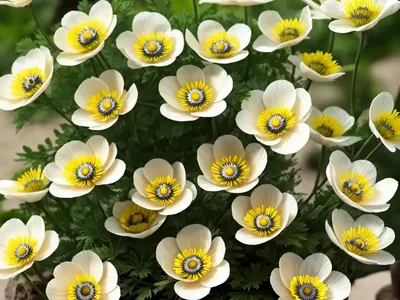
Anemone X Hybrida ‘Honorine Jobert’ (Japanese Anemone)
Introduction Anemone x hybrida ‘Honorine Jobert’, commonly known as the Japanese Anemone ‘Honorine Jobert’, is a breathtaking perennial plant known for its.
Introduction
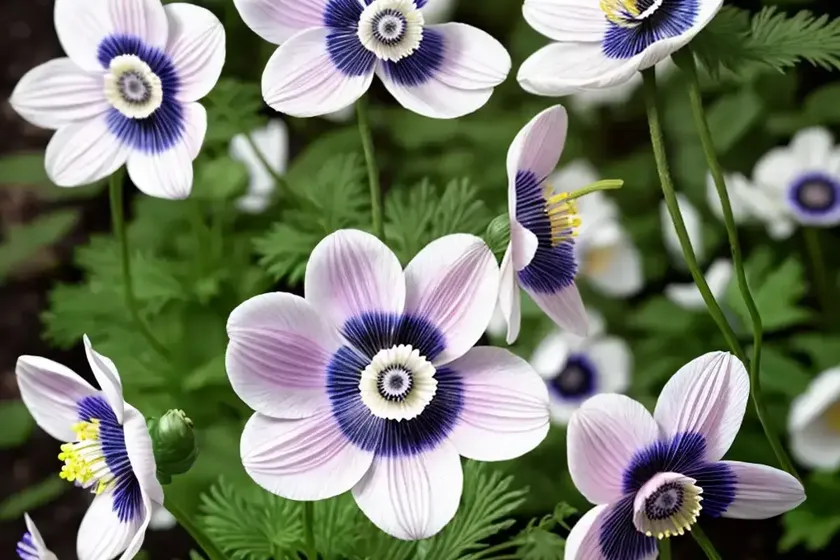
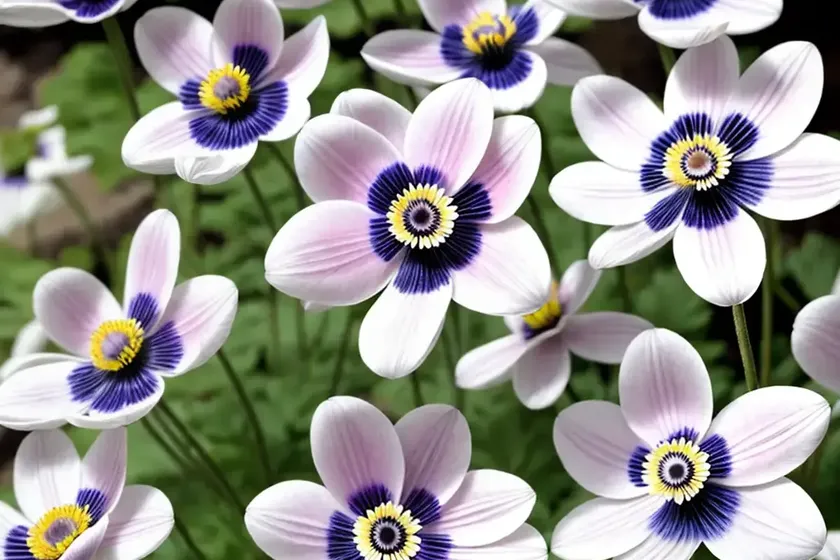
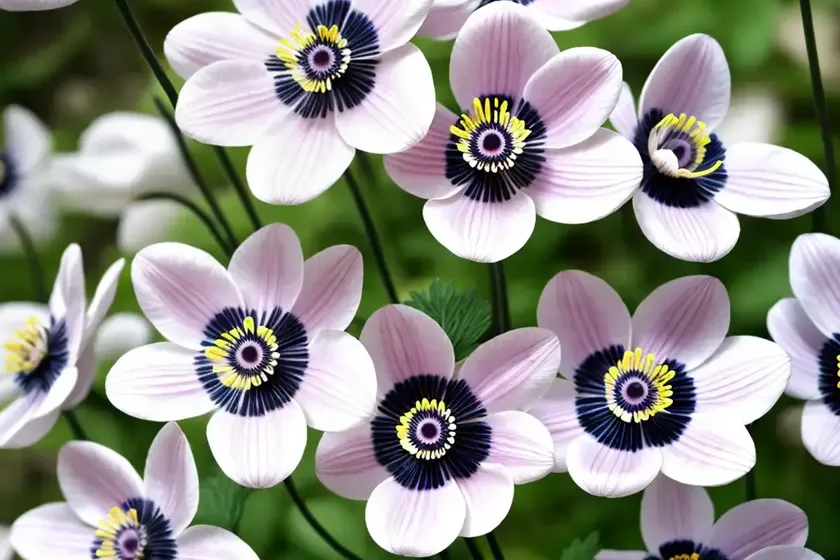
Anemone x hybrida ‘Honorine Jobert’, commonly known as the Japanese Anemone ‘Honorine Jobert’, is a breathtaking perennial plant known for its charming white flowers and graceful presence in the garden. This elegant plant is valued for its long-lasting blooms and its ability to thrive in a variety of garden settings. In this comprehensive guide, we will explore the cultivation, maintenance, and unique characteristics of Anemone x hybrida ‘Honorine Jobert’, providing valuable insights for both seasoned gardeners and beginners alike.
Key Takeaways – Anemone x hybrida ‘Honorine Jobert’ (Japanese Anemone)
- Scientific Name: Anemone x hybrida ‘Honorine Jobert’
- Common Name: Japanese Anemone ‘Honorine Jobert’
- Family: Ranunculaceae
- Origin: Garden hybrid
- Hardiness Zone: 4-8
- Mature Height: 3-4 feet
- Mature Spread: 1-2 feet
- Bloom Time: Late summer to early fall
- Exposure: Partial shade to full sun
- Soil: Well-draining, fertile soil
- Watering: Regular watering, soil should not dry out completely
Through the course of this guide, we will delve into the cultural significance, uses, maintenance requirements, common pests and diseases, and propagation techniques for this stunning plant, as well as provide additional botanist’s tips and fun facts to deepen your understanding of Anemone x hybrida ‘Honorine Jobert’.
What is Anemone x hybrida ‘Honorine Jobert’?
Anemone x hybrida ‘Honorine Jobert’ is a herbaceous perennial that belongs to the Ranunculaceae family. It is a garden hybrid resulting from the crossing of several Anemone species, leading to the development of this exceptional ornamental plant. Known for its vigorous growth and profuse flowering, this Japanese Anemone variety is a popular choice in gardens and landscapes, adding elegance and beauty with its striking white blossoms and lush foliage.
Culture
When it comes to the culture of Anemone x hybrida ‘Honorine Jobert’, providing the right conditions is crucial for its growth and flowering. Let’s explore the essential aspects of cultivating this stunning plant.
Uses
The versatile nature of Anemone x hybrida ‘Honorine Jobert’ makes it an excellent addition to various garden styles and landscaping designs. Here are some common uses of this plant:
-
Garden Borders: The tall, swaying stems and delightful white flowers of Anemone x hybrida ‘Honorine Jobert’ make it well-suited for border plantings, adding a touch of grace and charm to the garden.
-
Cottage Gardens: With its old-fashioned appeal and long-lasting blooms, this Japanese Anemone variety complements the informal and whimsical style of cottage gardens.
-
Woodland Gardens: The ability of Anemone x hybrida ‘Honorine Jobert’ to thrive in partial shade makes it an ideal choice for woodland gardens, where it can brighten up shaded areas with its elegant presence.
-
Cut Flower Displays: The long stems and enduring flowers of Japanese Anemone ‘Honorine Jobert’ make it a wonderful addition to cut flower arrangements, providing a touch of sophistication to indoor floral displays.
-
Pollinator Gardens: The nectar-rich flowers of Anemone x hybrida ‘Honorine Jobert’ attract a variety of pollinators, including bees and butterflies, making it valuable for pollinator-friendly garden designs.
Water
Anemone x hybrida ‘Honorine Jobert’ thrives in moist soil conditions and benefits from regular watering, especially during dry spells. However, it is essential to ensure that the soil is well-draining, as waterlogged conditions can lead to root rot and other issues. Adequate moisture is particularly crucial during the establishment phase and throughout the growing season, as the plant works to produce its stunning blooms.
Sunlight
This Japanese Anemone variety flourishes in partial shade to full sun, making it a versatile choice for a range of garden settings. While it can tolerate partial shade, providing ample sunlight encourages robust growth and profuse blooming. In hotter regions, some afternoon shade can be beneficial to protect the plant from the harsh midday sun.
Fertilizer
Anemone x hybrida ‘Honorine Jobert’ benefits from a balanced, slow-release fertilizer applied in early spring as new growth emerges. Incorporating organic matter into the soil during planting provides an added nutrient boost, aiding in the establishment of the plant. Avoid over-fertilization, as excessive nutrients can lead to lush foliage at the expense of flower production.
Soil
Well-draining, fertile soil is essential for the successful cultivation of Anemone x hybrida ‘Honorine Jobert’. Amending the soil with organic matter, such as compost or well-rotted manure, improves its structure and fertility, creating an optimal environment for the plant’s roots to thrive. A slightly acidic to neutral soil pH range is suitable for this Japanese Anemone variety.
Pruning
Proper pruning plays a key role in the maintenance and rejuvenation of Anemone x hybrida ‘Honorine Jobert’. Here are some essential pruning guidelines for this plant:
-
Spring Pruning: In early spring, remove any dead or damaged foliage from the previous season, trimming the plant down to ground level.
-
Deadheading: Regular deadheading of spent flowers promotes continuous blooming and prevents self-seeding, helping the plant to direct its energy towards new growth and flower production.
-
Rejuvenation Pruning: Every few years, consider lifting and dividing mature clumps of Anemone x hybrida ‘Honorine Jobert’ to invigorate the plant and maintain its vigor. Dividing the plant also allows for the creation of new specimens for propagation.
Propagation
The propagation of Anemone x hybrida ‘Honorine Jobert’ can be accomplished through division or root cuttings. Here’s how you can propagate this Japanese Anemone variety:
-
Division: Divide established clumps of Anemone x hybrida ‘Honorine Jobert’ in early spring or early fall. Carefully dig up the plant, ensuring that each division has a healthy portion of roots and vigorous growth. Replant the divisions at the desired location, ensuring adequate spacing and optimal growing conditions.
-
Root Cuttings: In early spring, take 4-6 inch root cuttings from healthy, established plants. Plant the cuttings in a moist, well-draining growing medium, ensuring that they receive indirect light and consistent moisture. Once rooted, transplant the young plants to their permanent locations.
Container Popularity
Anemone x hybrida ‘Honorine Jobert’ is well-suited for container cultivation, where its graceful form and charming blossoms can be showcased on patios, balconies, or within outdoor living spaces. When growing this Japanese Anemone variety in containers, ensure that the pot provides ample room for root development and is equipped with drainage holes to prevent waterlogging. Choose a high-quality, well-draining potting mix to provide the necessary support and nutrients for the plant.
Common Diseases and Pests
Understanding the potential diseases and pests that can affect Anemone x hybrida ‘Honorine Jobert’ is essential for maintaining the plant’s health and vitality. By recognizing and addressing these issues promptly, gardeners can ensure the continued well-being of this captivating Japanese Anemone variety.
Disease Diagnosis
Some common diseases that can impact Anemone x hybrida ‘Honorine Jobert’ include:
-
Powdery Mildew: This fungal disease presents as a white, powdery coating on the foliage of the plant, potentially leading to decreased vigor and aesthetic degradation. Adequate air circulation and mildew-resistant cultivars can help mitigate the impact of powdery mildew.
-
Leaf Spot: Leaf spot diseases can cause dark, irregularly-shaped lesions on the leaves of Anemone x hybrida ‘Honorine Jobert’, potentially leading to leaf drop and reduced photosynthetic capacity. Avoid overhead watering and remove and destroy affected plant debris to minimize the spread of leaf spot diseases.
-
Crown Rot: Excessive moisture and poorly drained soil can contribute to crown rot, leading to the decay of the plant’s crown and root system. Ensuring proper soil drainage and avoiding overwatering are critical to preventing this damaging disease.
Common Pests
Anemone x hybrida ‘Honorine Jobert’ may be susceptible to certain pests, including:
-
Aphids: These small, sap-sucking insects can cluster on the tender shoots and buds of the plant, potentially causing stunted growth and distorted foliage. Insecticidal soaps or horticultural oils can help control aphid populations while minimizing harm to beneficial insects.
-
Spider Mites: Spider mites are tiny arachnids that can cause stippling and discoloration on the leaves of Anemone x hybrida ‘Honorine Jobert’. Regular inspection and the application of targeted miticides can help manage spider mite infestations.
Botanist’s Tips
We have gathered some valuable tips to help you successfully cultivate and enjoy the beauty of Anemone x hybrida ‘Honorine Jobert’:
-
Mulching: Apply a layer of organic mulch around the base of the plant to conserve soil moisture, regulate soil temperature, and suppress weed growth. Organic mulches also contribute to soil health as they break down over time.
-
Spring Maintenance: In early spring, monitor the plant for any signs of winter damage and remove any remaining foliage from the previous season. This helps the plant to channel its resources towards new growth and flowering.
-
Companion Planting: Pair Anemone x hybrida ‘Honorine Jobert’ with other shade-tolerant perennials, such as hostas, astilbes, and ferns, to create visually appealing and harmonious garden compositions.
-
Observation: Regularly observe the plant for any signs of stress, disease, or pest activity, taking proactive measures to address any issues and maintain the plant’s health and vigor.
Fun Facts
To further enrich your appreciation for this captivating plant, here are some intriguing and delightful facts about Anemone x hybrida ‘Honorine Jobert’:
-
Butterfly Magnet: The nectar-rich blossoms of this Japanese Anemone variety attract butterflies, adding lively movement and color to the garden as these delightful pollinators visit the flowers.
-
Longevity: Anemone x hybrida ‘Honorine Jobert’ can live for many years under the right growing conditions, providing enduring beauty and charm in the garden for seasons to come.
-
Symbolism: In the language of flowers, Anemone species are often associated with anticipation and relaxation, adding a layer of symbolism and meaning to the presence of the Japanese Anemone ‘Honorine Jobert’ in the garden.
Links to External Resources
For additional information and resources on Anemone x hybrida ‘Honorine Jobert’, I recommend exploring the following links:
Conclusion
Anemone x hybrida ‘Honorine Jobert’, with its captivating white flowers and resilient nature, stands as a remarkable addition to gardens and landscapes. By understanding its cultural requirements, maintenance needs, and unique characteristics, you can harness the full potential of this exceptional Japanese Anemone variety, adding elegance and beauty to your outdoor spaces. Whether planted in borders, containers, or woodland settings, the enduring allure of ‘Honorine Jobert’ Japanese Anemone creates a memorable and enchanting presence, captivating the hearts of gardeners and nature enthusiasts alike. Embrace the grace and vitality of Anemone x hybrida ‘Honorine Jobert’, and let its delicate blooms weave a tale of timeless beauty in your garden.