Anemone Nemorosa ‘Royal Blue’ (Wood Anemone)
As a plant scientist, I find immense joy in studying and understanding various plant species. Today, I am thrilled to delve into the captivating world of.
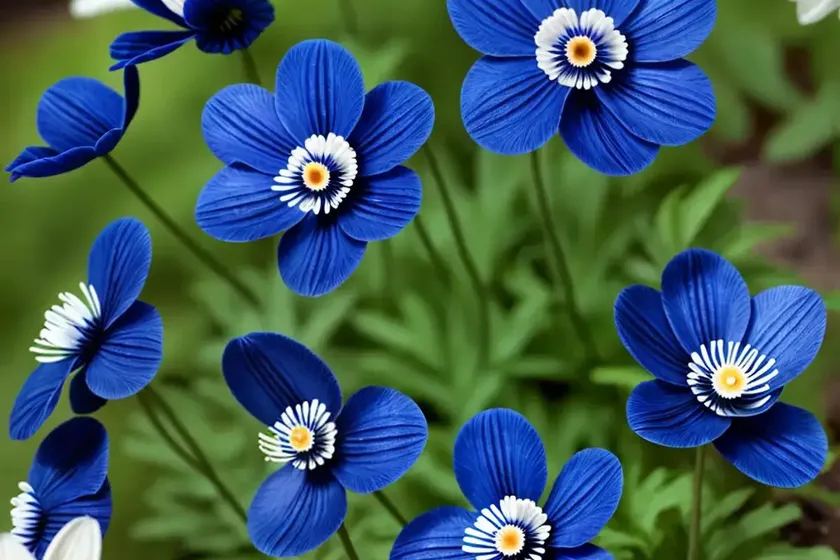
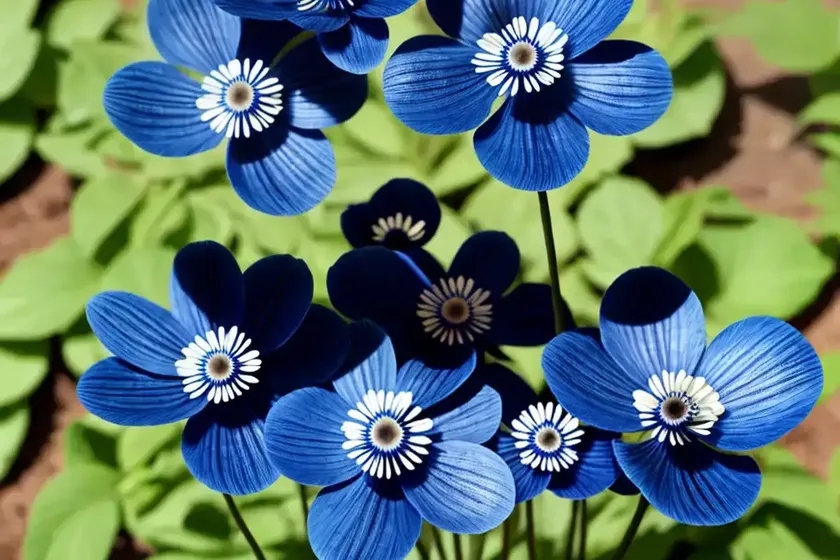
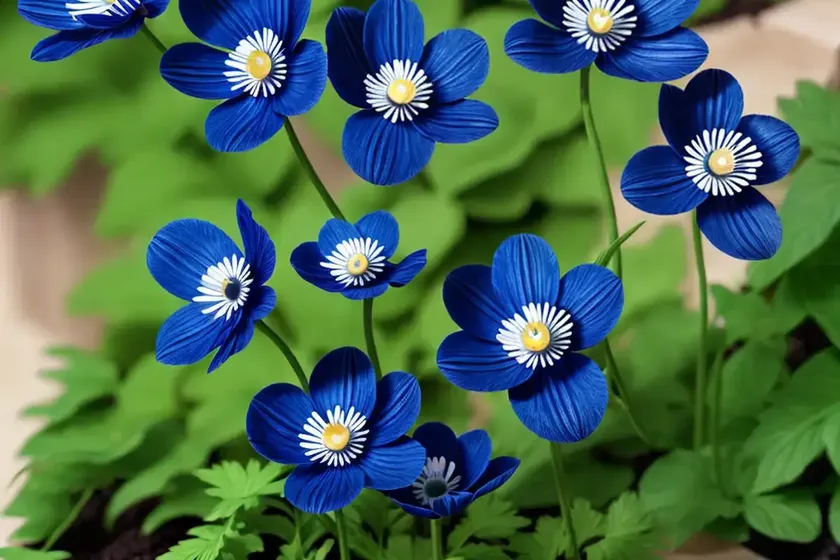
As a plant scientist, I find immense joy in studying and understanding various plant species. Today, I am thrilled to delve into the captivating world of Anemone nemorosa ‘Royal Blue’, also known as the Wood Anemone. This enchanting plant has garnered attention for its stunning royal blue flowers and its diverse uses in horticulture and landscaping. Join me on this exploration as we uncover the intriguing characteristics, cultural requirements, uses, and care guidelines for the Anemone nemorosa ‘Royal Blue’.
What is Anemone nemorosa ‘Royal Blue’?
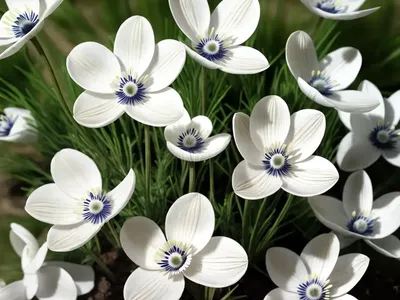
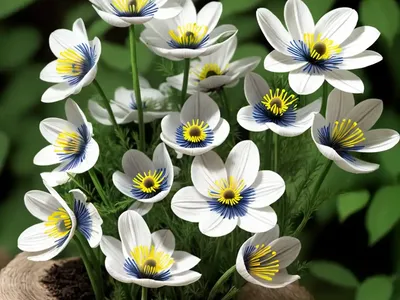
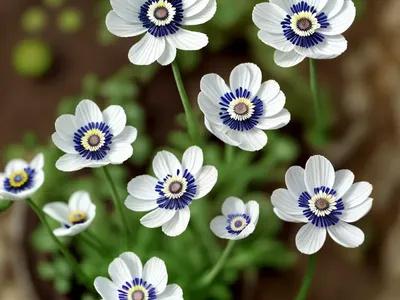
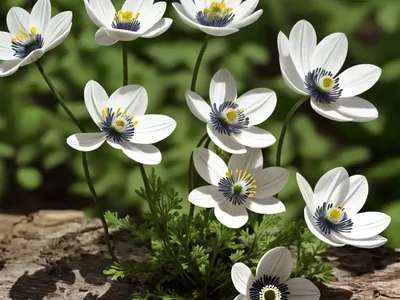
Anemone nemorosa ‘Royal Blue’ is a delightful perennial plant that belongs to the Ranunculaceae family. It is native to Europe and is particularly prevalent in deciduous woodlands, making it a popular choice for shaded garden areas. The plant is esteemed for its delicate, deeply lobed leaves and enchanting royal blue flowers that adorn its compact stems in early spring.
The distinctive charm of Anemone nemorosa ‘Royal Blue’ lies in its ability to naturalize and form captivating carpets of blue blossoms in woodland settings. Its resilience and adaptability make it a sought-after choice for both casual and formal garden designs.
Key Takeaways – Anemone nemorosa ‘Royal Blue’
Before delving into the specifics of Anemone nemorosa ‘Royal Blue’, let’s highlight some key takeaways about this captivating plant:
- Wood Anemone ‘Royal Blue’ is a perennial plant with striking royal blue flowers.
- It thrives in shaded woodland environments and is ideal for naturalistic garden settings.
- The plant is known for its early spring blooming and ability to form ethereal blue carpets in the landscape.
- Anemone nemorosa ‘Royal Blue’ exhibits low maintenance requirements, making it an excellent choice for novice and seasoned gardeners alike.
Now, let’s explore the various facets of this charming woodland plant in detail.
Culture
Uses
The versatile nature of Anemone nemorosa ‘Royal Blue’ makes it an invaluable addition to a wide array of horticultural and landscaping endeavors. Some of its primary uses include:
-
Woodland Gardens: The plant’s natural affinity for woodland settings makes it an ideal candidate for creating enchanting woodland gardens. Its ability to naturalize and form expansive blue colonies contributes to the creation of captivating and ethereal landscapes.
-
Shaded Borders: Anemone nemorosa ‘Royal Blue’ thrives in the dappled shade provided by trees and large shrubs, making it a superb choice for creating visually appealing borders in shaded garden areas.
-
Rock Gardens: Its delicate foliage and charming blue flowers make it an attractive addition to rock gardens, where it can add a touch of elegance and color to the rugged landscape.
-
Container Planting: The compact nature of this plant makes it suitable for container cultivation, allowing it to grace patios, decks, and shaded outdoor spaces with its captivating beauty.
Water
Anemone nemorosa ‘Royal Blue’ exhibits moderate water needs, particularly during its active growth period in the spring. While it appreciates consistently moist soil, it is crucial to ensure that the soil is well-draining to prevent waterlogging, which can be detrimental to the plant’s health. Adequate moisture levels are essential for promoting robust growth and prolific blooming.
Sunlight
One of the defining characteristics of Anemone nemorosa ‘Royal Blue’ is its preference for partial to full shade. In its native woodland habitats, the plant thrives under the dappled sunlight that filters through the tree canopy. When cultivated in garden settings, it is important to replicate these conditions by providing the plant with ample shade, especially during the intense midday sun. Excessive exposure to direct sunlight can result in leaf scorch and reduced flowering.
Fertilizer
Anemone nemorosa ‘Royal Blue’ does not have high fertilizer requirements, especially when cultivated in nutrient-rich woodland soils. However, for optimal performance, a light application of a balanced, organic fertilizer in early spring can provide the plant with the necessary nutrients to support vigorous growth and abundant flowering.
Soil
The plant displays a preference for humus-rich, well-draining soil with a slightly acidic to neutral pH range. It thrives in soils that mimic its native woodland environment, characterized by a loose, moisture-retentive texture that offers ample aeration to the plant’s root system. Additionally, incorporating organic matter into the soil before planting can enhance its fertility and structure, creating an ideal growing medium for Anemone nemorosa ‘Royal Blue’.
Pruning
Anemone nemorosa ‘Royal Blue’ requires minimal pruning, making it an excellent choice for low-maintenance landscapes. Following its spring blooming period, the plant may benefit from the removal of spent flowers to promote prolonged flowering and prevent the development of seed pods, which can divert the plant’s energy away from vegetative growth. Additionally, removing any diseased or damaged foliage can help maintain the plant’s overall health and appearance.
Propagation
The propagation of Anemone nemorosa ‘Royal Blue’ can be achieved through various methods, including division, seeds, and rhizome cuttings. Here are some insights into these propagation techniques:
-
Division: Division is an effective method for propagating Anemone nemorosa ‘Royal Blue’. It involves carefully separating the plant’s rhizomes in the early spring or fall, ensuring that each division has viable roots and shoots, and replanting them in suitable locations.
-
Seeds: Collecting and sowing seeds is another viable method for propagating the plant. The collected seeds can be sown in a prepared seedbed in late summer to early autumn, allowing them to germinate and establish before being transplanted to their permanent positions.
-
Rhizome Cuttings: In late summer, rhizome cuttings can be taken from established plants and planted in individual pots filled with well-draining potting mix. These cuttings can develop into new plants with proper care and maintenance.
Container Popularity
Anemone nemorosa ‘Royal Blue’ enjoys popularity as a container plant due to its compact growth habit and ornamental value. When grown in containers, it can serve as a captivating addition to shaded patios, balconies, and outdoor living spaces, infusing these areas with a touch of woodland charm and natural elegance.
Common Diseases
While Anemone nemorosa ‘Royal Blue’ is generally robust and disease-resistant, it can occasionally be affected by certain fungal diseases and issues related to overwatering and poor air circulation. Some common diseases that may affect the plant include:
-
Powdery Mildew: High humidity and inadequate air circulation can create conditions conducive to powdery mildew development, leading to the appearance of powdery white patches on the plant’s foliage.
-
Leaf Spot: Prolonged periods of wet foliage can contribute to the development of leaf spot diseases, characterized by the presence of dark or discolored spots on the leaves.
To mitigate the risk of these diseases, it is essential to promote good air circulation, avoid overhead watering, and maintain proper sanitation practices by removing and disposing of any diseased plant material promptly.
Disease Diagnosis
Diagnosing diseases in Anemone nemorosa ‘Royal Blue’ involves careful observation of the plant’s foliage and overall appearance. Signs such as unusual spots, discoloration, or powdery coatings on the leaves can indicate potential disease issues. Additionally, assessing the environmental conditions, such as moisture levels and air circulation, can provide insights into the potential causes of disease development.
Common Pests
Anemone nemorosa ‘Royal Blue’ is relatively resistant to pest infestations, owing to its natural resilience and the protective mechanisms present in its foliage. However, it can still be susceptible to certain pests, including:
-
Aphids: These small, sap-sucking insects can colonize the plant’s tender shoots and buds, leading to distorted growth and reduced vigor.
-
Slugs and Snails: These mollusks can feed on the plant’s foliage and flowers, causing unsightly damage and compromising the plant’s aesthetic appeal.
Implementing appropriate pest management strategies, such as the use of insecticidal soaps for aphid control and physical barriers or organic pest control methods for slugs and snails, can help safeguard Anemone nemorosa ‘Royal Blue’ from pest-related damage.
Botanist’s Tips
As a botanist with a deep appreciation for the natural world, I highly recommend considering the following tips for cultivating and caring for Anemone nemorosa ‘Royal Blue’:
-
Shaded Environments: Ensure that the plant is situated in a partially to fully shaded location, mimicking its native woodland habitat, to promote healthy growth and abundant flowering.
-
Moisture Management: Maintain adequate soil moisture levels, avoiding waterlogging and prolonged dry spells, to provide the plant with the necessary hydration for sustained vitality.
-
Mulching: Apply a layer of organic mulch, such as leaf litter or wood chips, around the plant to conserve soil moisture, suppress weed growth, and enhance the overall health of the growing environment.
-
Regular Monitoring: Routinely inspect the plant for signs of disease, pest activity, or any cultural issues, taking proactive measures to address any concerns and maintain the plant’s well-being.
-
Naturalization Opportunities: Consider incorporating Anemone nemorosa ‘Royal Blue’ into naturalistic garden schemes and woodland landscapes to harness its innate ability to form captivating blue carpets and enrich the visual appeal of the environment.
-
Companion Planting: Explore the potential for pairing Anemone nemorosa ‘Royal Blue’ with complementary shade-tolerant species to create harmonious and captivating plant combinations in garden settings.
Fun Facts
Uncovering intriguing and captivating facts about plants adds depth to the appreciation of their beauty and significance. Here are some compelling fun facts about Anemone nemorosa ‘Royal Blue’ that are sure to enhance your understanding and admiration for this enchanting woodland plant:
- The plant’s species name, nemorosa, is derived from the Latin word nemorosus, meaning “wooded” or “full of trees,” reflecting its natural habitat and inclination toward woodland environments.
- Anemone nemorosa has a long history of folklore and symbolism, often associated with themes of protection, anticipation, and the arrival of spring in various cultural traditions.
- Wood Anemone ‘Royal Blue’ serves as a valuable food source for early pollinators such as bees and flies, playing a vital role in supporting the ecological balance of woodland ecosystems.
Links to External Resources
As an avid proponent of continuous learning and exploration, I am delighted to direct you to some valuable external resources that further illuminate the captivating world of Anemone nemorosa ‘Royal Blue’:
- Royal Horticultural Society – Anemone nemorosa
- Missouri Botanical Garden – Wood Anemone
- University of Wisconsin – Anemone nemorosa ‘Royal Blue’ Fact Sheet
- Gardeners’ World – Anemone nemorosa Growing Guide
These resources offer a wealth of in-depth information, practical insights, and expert guidance on cultivating, caring for, and appreciating the enchanting attributes of Anemone nemorosa ‘Royal Blue’.
In conclusion, the allure of Anemone nemorosa ‘Royal Blue’ extends far beyond its striking royal blue flowers and captivating woodland charm. This resilient and adaptable plant embodies the enchanting spirit of woodlands, enriching garden landscapes with its ethereal beauty and natural grace. Whether embraced for its naturalistic appeal in woodland gardens, shaded borders, or container plantings, the Wood Anemone ‘Royal Blue’ stands as a testament to the captivating wonders of the plant kingdom.
I hope this comprehensive guide has sparked your curiosity and appreciation for the delightful Anemone nemorosa ‘Royal Blue’, inspiring a deeper connection with nature and the enchanting world of plants.
Happy gardening, and may the allure of woodland beauty continue to grace your outdoor spaces with the enchanting presence of Anemone nemorosa ‘Royal Blue’.