Anemone Coronaria ‘Sylphide’)
Plants are essential elements of the natural world and are found in various shapes, colors, and sizes, each with its unique growth habits and requirements..
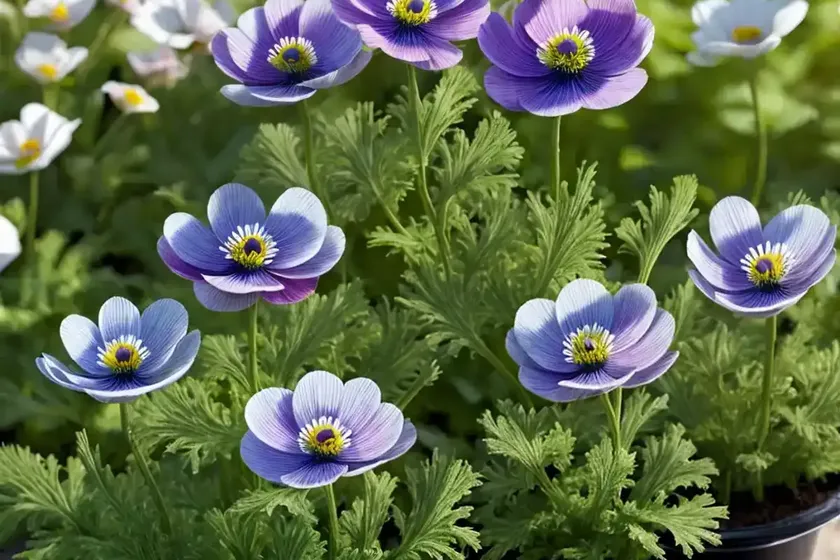
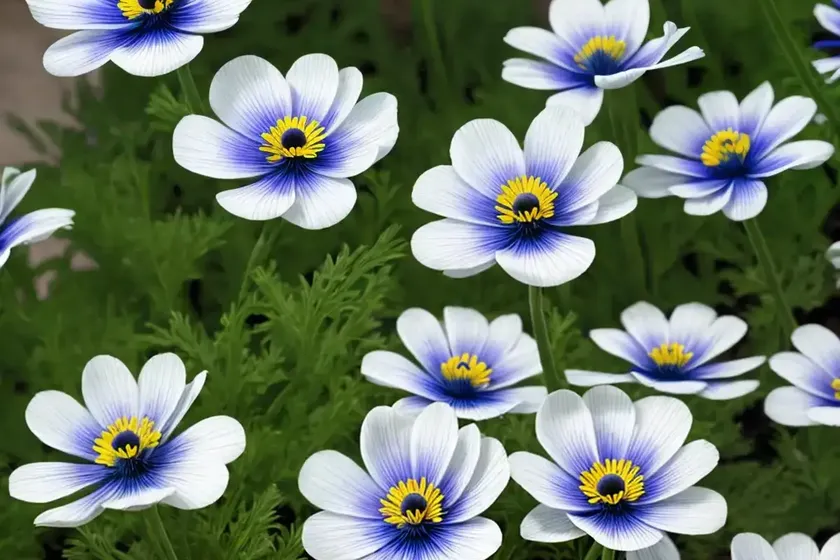
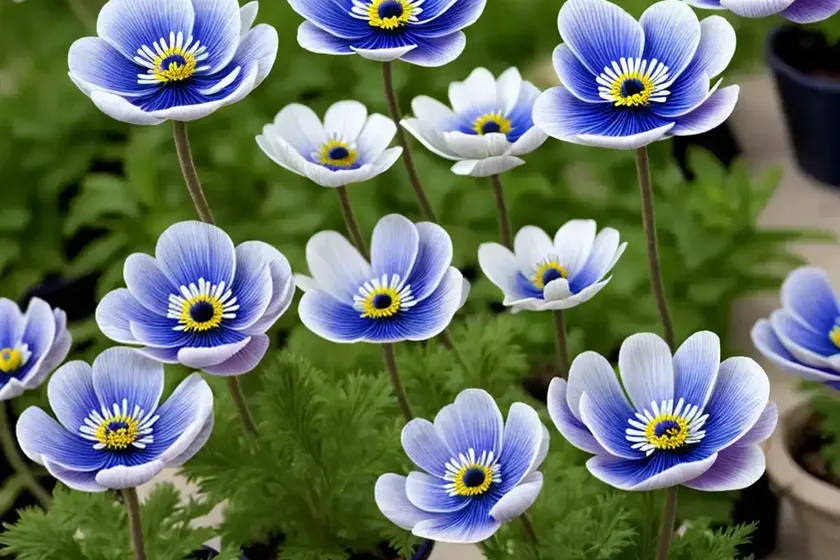
Plants are essential elements of the natural world and are found in various shapes, colors, and sizes, each with its unique growth habits and requirements. In this comprehensive guide, we will specifically dive into the vibrant and charming Anemone coronaria ‘Sylphide’. This blog will provide a wealth of information about the care and cultivation of this species, covering all aspects from planting to maintenance, and including its uses, common diseases, and pests.
What is Anemone coronaria ‘Sylphide’?
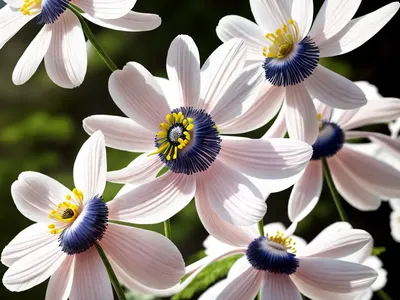
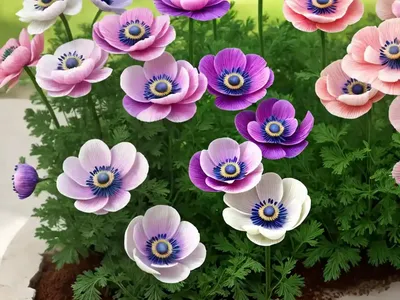
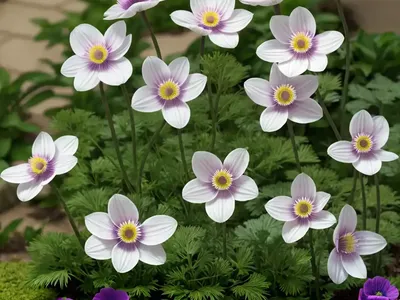
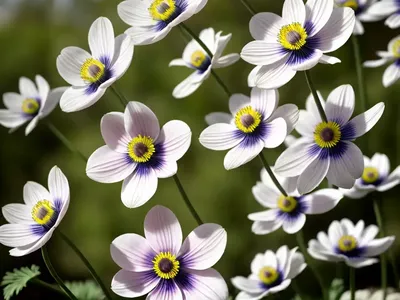
Anemone coronaria ‘Sylphide’ is a herbaceous perennial plant, known for its striking and delicate flowers. With its origins in the Mediterranean region, ‘Sylphide’ is a variety of Anemone coronaria, which belongs to the Ranunculaceae family.
Key Takeaways
- Scientific Name: Anemone coronaria ‘Sylphide’
- Plant Type: Herbaceous perennial
- Family: Ranunculaceae
- Common Name: Poppy Anemone
- Native Region: Mediterranean
‘Anemone coronaria’ derives its name from the Greek word ‘anemos’, meaning wind, which is a fitting name considering the windy regions where these flowers are commonly found. The ‘Sylphide’ variety is particularly admired for its large, showy flowers, and its ability to brighten up any garden or landscape.
‘Anemone coronaria’ is also known for its cultural and medicinal significance, making it not only a stunning ornamental plant but also a valuable species with various uses.
Culture
Cultivating Anemone coronaria ‘Sylphide’ requires understanding its specific cultural needs, including water, sunlight, fertilizer, soil, and pruning.
Uses
The ‘Sylphide’ variety of Anemone coronaria has several uses, both practical and ornamental:
- Ornamental Use: The vibrant and brightly colored flowers of ‘Sylphide’ make it a popular choice for ornamental plantings in gardens and landscapes.
- Cut Flowers: The long stems and attractive blooms of ‘Sylphide’ make it ideal for creating stunning cut flower arrangements, adding a touch of charm to indoor spaces.
- Medicinal Purposes: Historically, various parts of the Anemone coronaria plant have been used for medicinal purposes, such as in traditional herbal remedies. However, it is essential to consult a healthcare professional before using it for medicinal purposes.
Water
Proper watering is essential for the health and vitality of Anemone coronaria ‘Sylphide’. Here are some guidelines for watering this plant:
- Watering Needs: ‘Sylphide’ prefers well-drained soil and regular watering, especially during periods of active growth and flowering.
- Watering Frequency: Water the plant deeply when the top inch of soil feels dry. Avoid overwatering, as it can lead to root rot and other issues.
- Seasonal Adjustments: Adjust the watering frequency based on the weather and the specific needs of the plant during different seasons.
Sunlight
Full sun to partial shade is ideal for the growth and flowering of Anemone coronaria ‘Sylphide’. Here are some specifics regarding sunlight requirements:
- Sun Exposure: ‘Sylphide’ thrives in full sun to partial shade. Ensure it receives at least 6-8 hours of sunlight daily for optimal growth and flowering.
- Shade Considerations: In regions with intense summer heat, providing some afternoon shade can help protect the plant from stress and sunburn.
Fertilizer
Feeding Anemone coronaria ‘Sylphide’ with the right fertilizer can significantly enhance its growth and flowering. Consider the following when fertilizing this plant:
- Fertilizer Type: Use a balanced, all-purpose fertilizer or a fertilizer designed specifically for flowering plants.
- Application Timing: Apply fertilizer in early spring as new growth emerges and again in early summer to support continuous flowering.
- Dilution and Application: Follow the instructions on the fertilizer package for proper dilution and application, and avoid over-fertilization, which can lead to excessive foliage growth at the expense of flowers.
Soil
The right soil composition is crucial for the successful cultivation of ‘Sylphide’. Consider the following soil requirements:
- Well-Draining Soil: Ensure the soil is well-draining to prevent waterlogging, which can cause root rot and other issues.
- Soil pH: Aim for a slightly acidic to neutral soil pH, around 6.5-7.0, for optimal nutrient uptake by the plant.
- Soil Amendments: Incorporating organic matter such as compost into the soil before planting can help improve its structure, fertility, and drainage.
Pruning
Pruning Anemone coronaria ‘Sylphide’ is an essential part of its maintenance to promote healthy growth and prolonged flowering. Here are some key aspects to consider when pruning this plant:
- Deadheading: Regularly remove spent flowers to encourage the plant to produce more blooms.
- Trimming Foliage: Lightly trim back any yellowing or damaged foliage to maintain the plant’s overall appearance and health.
- Post-Flowering Pruning: After the blooming period, cut back the stems to ground level and allow the plant to rest until the next growing season.
Propagation
There are several methods for propagating Anemone coronaria ‘Sylphide’, including division, seeds, and tuber offsets. Here are some insights into propagating this delightful plant:
- Dividing Clumps: In early spring, carefully divide established clumps of ‘Sylphide’ and replant the divisions in suitable locations. Ensure each division has healthy roots and shoots for successful establishment.
- Growing from Seeds: ‘Sylphide’ can also be grown from seeds, although this method requires patience and careful attention to environmental conditions for successful germination and growth.
- Tuber Offsets: When the plant’s tubers produce offsets, these can be carefully separated from the parent plant and planted in individual locations to develop into new plants.
Container Popularity
Anemone coronaria ‘Sylphide’ is a popular choice for container gardening due to its compact growth, vibrant flowers, and ease of care. When growing this plant in containers, ensure the following:
- Container Size: Select a container that provides ample space for the plant’s roots to grow and develop. A depth of at least 12 inches is recommended.
- Drainage Holes: Use containers with drainage holes to prevent water from accumulating at the bottom, which can lead to root rot.
- Quality Potting Mix: Use a well-draining potting mix that provides essential nutrients and allows for proper aeration of the roots.
Common Diseases
Like many plants, Anemone coronaria ‘Sylphide’ is susceptible to certain diseases, and understanding these can help in prevention and management. Some common diseases that may affect ‘Sylphide’ include:
- Powdery Mildew: This fungal disease appears as a powdery white coating on the leaves, often caused by high humidity and poor air circulation. Use fungicidal treatments and appropriate cultural practices to prevent and manage this disease.
- Botrytis Blight: Also known as gray mold, this disease can affect the flowers and foliage, causing browning and wilting. Prune affected parts and improve air circulation to reduce the risk of infection.
- Root Rot: Overwatering and poorly draining soil can lead to root rot, characterized by wilting, yellowing, and stunted growth. Ensure the soil has good drainage and adjust the watering practices to prevent this disease.
Disease Diagnosis
Diagnosing diseases in Anemone coronaria ‘Sylphide’ involves keen observation of the plant’s symptoms and understanding the environmental conditions that may contribute to disease development. Here are some steps to diagnose diseases in this plant:
- Symptom Identification: Look for specific symptoms such as leaf spots, discoloration, wilting, or unusual growth patterns that may indicate a disease.
- Cultural and Environmental Assessment: Consider factors such as watering practices, sunlight exposure, and air circulation that may influence disease development.
- Consultation and Treatment: If unsure about the diagnosis, seek guidance from horticultural experts or plant pathologists to identify the disease and determine appropriate treatment measures.
Common Pests
Various pests can pose a threat to Anemone coronaria ‘Sylphide’, and being aware of these pests can help in early detection and pest management. Some common pests that may affect ‘Sylphide’ include:
- Aphids: These small, sap-sucking insects can cluster on the new growth of the plant, causing deformities and yellowing. Use insecticidal soaps or neem oil to manage aphid infestations.
- Slugs and Snails: These mollusks can feed on the foliage and flowers of ‘Sylphide’, leaving behind characteristic slime trails. Employ physical barriers or bait traps to control slug and snail populations.
- Spider Mites: These tiny arachnids can cause stippling and webbing on the leaves of the plant, leading to weakened growth. Use miticides and ensure adequate humidity to deter spider mites.
Botanist’s Tips
The successful cultivation of Anemone coronaria ‘Sylphide’ is based on a combination of knowledge, observation, and care. Here are some expert tips for ensuring the health and vigor of this charming plant:
- Observation: Regularly observe the plant for any signs of stress, disease, or pest infestations, and take prompt action as needed.
- Soil Preparation: Prior to planting, ensure the soil is well-drained and enriched with organic matter to create the ideal growing environment for ‘Sylphide’.
- Pruning Technique: When deadheading or pruning the plant, use clean and sharp tools to prevent damage and disease transmission.
- Integrated Pest Management: Practice integrated pest management (IPM) techniques, combining cultural, biological, and chemical control methods to manage pests effectively while minimizing environmental impact.
Fun Facts
Anemone coronaria ‘Sylphide’ is not only a delightful plant to grow but also has some intriguing and delightful aspects worth exploring:
- Symbolism: In various cultures, anemones, including ‘Sylphide’, are associated with symbols of anticipation, protection against evil, and love and affection.
- Historical Significance: Anemone coronaria has been mentioned in ancient Greek and Roman mythology and literature, linking the plant to stories of love, gods, and natural beauty.
- Naturalizing Beauty: When provided with suitable growing conditions, ‘Sylphide’ has the potential to naturalize in a garden setting, forming charming drifts of colorful blooms over time.
Links to External Resources
For further information and resources on Anemone coronaria ‘Sylphide’, consider exploring the following links:
- Royal Horticultural Society – Anemone coronaria care guide
- The Spruce – How to Grow and Care for Anemone Flowers
- University of Florida IFAS Extension – Anemone Diseases
In this comprehensive guide, we’ve delved into the captivating world of Anemone coronaria ‘Sylphide’, providing insights into its culture, uses, propagation, common diseases, and practical tips for successful care. Whether you’re a seasoned gardener or a novice enthusiast, ‘Sylphide’ can add a touch of natural elegance and vibrant beauty to any garden or landscape. With the right care and attention, this enchanting plant can thrive and reward you with an abundance of colorful blooms, brightening your surroundings and captivating hearts.