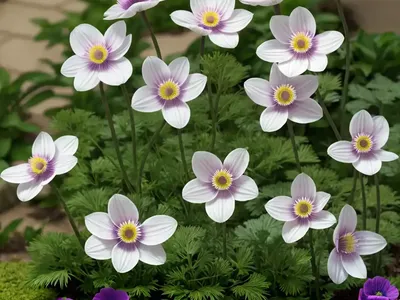
Anemone ‘Dreaming Swan’ (Japanese Anemone)
Anemone ‘Dreaming Swan’, also known as Japanese Anemone ‘Dreaming Swan’, is a delightful perennial plant that belongs to the Ranunculaceae family. Renowned.



Anemone ‘Dreaming Swan’, also known as Japanese Anemone ‘Dreaming Swan’, is a delightful perennial plant that belongs to the Ranunculaceae family. Renowned for its elegant nodding flowers and graceful demeanor, this plant is a popular choice among gardeners and landscaping enthusiasts. The name “Anemone” is derived from the Greek word “anemos,” which means wind, underscoring the plant’s association with the delicate movement of its blooms in the gentlest of breezes.
Key Takeaways – Anemone ‘Dreaming Swan’ (Japanese Anemone)
Culture
Being a perennial, Anemone ‘Dreaming Swan’ displays perennial characteristics, returning year after year. It thrives in temperate climate zones and is recognized for its remarkable ability to withstand cold conditions.
Uses
Anemone ‘Dreaming Swan’ serves as a captivating addition to various outdoor spaces, including garden beds, borders, and even containers. Due to its alluring aesthetic appeal, this plant is favored for landscaping and ornamental purposes.
Water
This plant exhibits moderate water requirements, necessitating consistent moisture levels in the soil without being waterlogged. Adequate drainage is crucial to prevent water stagnation, which can prove detrimental to the plant’s health.
Sunlight
Anemone ‘Dreaming Swan’ flourishes in partial shade to full sun exposure. While it appreciates sunlight, especially in cooler climates, providing some shade during the intense heat of the day can be beneficial in preserving its delicate blooms.
Fertilizer
A balanced, all-purpose fertilizer can support the optimal growth and development of Anemone ‘Dreaming Swan’. Applying fertilizer during the plant’s active growing periods can help maintain its vigor and enhance its overall appearance.
Soil
Well-drained, fertile soil with a neutral to slightly acidic pH is ideal for cultivating Anemone ‘Dreaming Swan’. Amending the soil with organic matter like compost or leaf mold can contribute to its health and vitality.
Pruning
Pruning after the flowering season concludes can help rejuvenate the plant and manage its growth. Removing spent blooms and any damaged or withered foliage can promote a tidy appearance while encouraging new growth.
Propagation
This plant can be propagated through division in spring or fall. Separating the plant into smaller sections with healthy roots and shoots can facilitate the establishment of new Anemone ‘Dreaming Swan’ specimens.
Container Popularity
Anemone ‘Dreaming Swan’ is well-suited for container cultivation, offering a charming accent to balconies, patios, and other compact outdoor spaces. Its elegant blooms and graceful foliage make it a standout in container arrangements or as a standalone feature.
In the subsequent sections, we will delve deeper into the care, characteristics, landscape uses, and propagation of Anemone ‘Dreaming Swan’ (Japanese Anemone) and explore common diseases and pests that can afflict this plant, along with the diagnosis, management, and botanist’s tips.
Anemone ‘Dreaming Swan’ (Japanese Anemone) Care
The successful cultivation of Anemone ‘Dreaming Swan’ hinges on meticulous attention to its specific care requirements. By comprehensively addressing its needs, you can ensure the plant thrives and flourishes in your garden or landscape.
Watering Tips
- Consistent Moisture: Anemone ‘Dreaming Swan’ demands moderate and consistent moisture levels. Although it does not tolerate waterlogging, it is essential to prevent the soil from drying out completely.
- Deep Watering: Ensure thorough watering sessions, enabling the moisture to penetrate the soil deeply and promote robust root development.
- Mulching: Applying a layer of organic mulch around the plant can help retain moisture, regulate soil temperature, and suppress weeds.
Sunlight Requirements
- Partial to Full Sun: Position Anemone ‘Dreaming Swan’ in a site that receives partial shade to full sun exposure. In warmer regions, providing some shade during the intense midday sun can prevent excessive wilting.
Fertilization Guidelines
- Balanced Fertilizer: Select a balanced, all-purpose fertilizer and administer it during the plant’s active growth phases, such as spring and early summer.
- Dilution and Frequency: Dilute the fertilizer according to the manufacturer’s instructions and apply it at regular intervals to support consistent and healthy growth.
Soil Needs
- Well-Drained and Fertile: Ensure the soil is well-drained, fertile, and possesses a neutral to slightly acidic pH. Incorporating organic matter during planting or as a top dressing can enrich the soil and elevate its quality.
Pruning Techniques
- Post-Flowering Pruning: Once the flowering period concludes, engage in thorough pruning to remove spent blooms, withered foliage, and any excess or unwanted growth.
- Division: Consider dividing the plant in spring or fall to propagate new Anemone ‘Dreaming Swan’ specimens and manage its size and vigor.
Pest and Disease Management
- Vigilant Monitoring: Regularly inspect the plant for signs of pests or diseases, such as leaf discoloration, wilting, or unusual markings.
- Integrated Pest Management: Employ preventive measures, including proper sanitation, cultural practices, and, if necessary, targeted treatments to manage potential issues effectively.
Container Cultivation Tips
- Selecting Containers: Opt for containers with adequate drainage holes and an appropriate size to accommodate the plant’s root system.
- Potting Mix: Utilize a well-draining potting mix that fosters healthy root growth and provides essential nutrients.
In the subsequent sections, we will continue to explore the characteristics, landscape uses, propagation, and popular varieties of Anemone ‘Dreaming Swan’ (Japanese Anemone) while investigating its susceptibility to common diseases and pests.
Anemone ‘Dreaming Swan’ (Japanese Anemone) Characteristics
Anemone ‘Dreaming Swan’ possesses an array of captivating characteristics that contribute to its appeal and desirability in various horticultural settings. Understanding these traits enables a more comprehensive appreciation of the plant’s unique attributes.
Floral Display
- Nodding Flowers: The blossoms of Anemone ‘Dreaming Swan’ have a pleasant nodding quality, enhancing their allure and imparting an elegant aesthetic to the plant.
- Color Range: The flowers can showcase a spectrum of colors, including white, pink, and subtle blush tones, adorning the garden with a soft, enchanting palette.
Foliage
- Textural Foliage: This plant features foliage characterized by its fine texture and attractive, deeply incised leaflets, contributing to a graceful and refined appearance.
- Deciduous Nature: Anemone ‘Dreaming Swan’ sheds its foliage during the winter, reemerging with fresh growth as the temperatures warm in the following spring.
Growth Habit
- Clumping Form: The plant tends to form compact clumps, gradually expanding its presence through the growth of additional stems and foliage. This growth habit adds a sense of fullness and dimension to the plant’s visual appeal.
Height and Spread
- Moderate Stature: Anemone ‘Dreaming Swan’ typically reaches a moderate height and spread, making it well-suited for various garden settings, including borders, rock gardens, and mixed perennial beds.
Blooming Period
- Extended Bloom Time: The flowering season of Anemone ‘Dreaming Swan’ extends for a considerable duration, providing an extended period of floral interest and charm in the garden.
Landscape Uses and Design
Anemone ‘Dreaming Swan’ embodies versatility and adaptability, making it an excellent candidate for diverse landscape designs and applications. Leveraging its ornamental appeal and enduring qualities, the plant can be integrated into an array of landscape compositions.
Garden Borders
- Front or Mid-Border Placement: Position Anemone ‘Dreaming Swan’ toward the front or middle sections of garden borders, enabling its floral display and foliage to create a refined and enchanting border effect.
Mixed Perennial Beds
- Complementary Pairing: Combine Anemone ‘Dreaming Swan’ with other perennial selections to form mixed beds and borders, fostering a harmonious blend of colors, textures, and forms that engage the senses and enhance visual interest.
Rock Gardens
- Softening Effect: Introduce Anemone ‘Dreaming Swan’ to rock gardens to infuse a softening and textural element amidst the rugged and coarse features of rocks and boulders, imbuing the landscape with a sense of delicacy and grace.
Cottage Gardens
- Quaint Charm: Incorporate Anemone ‘Dreaming Swan’ within cottage garden settings, where its nostalgic appeal and evocative presence contribute to the quaint, idyllic character of these traditional garden styles.
In the subsequent sections, we will further explore the propagation methods, seasonal attributes, and outdoor and indoor cultivation considerations for Anemone ‘Dreaming Swan’ (Japanese Anemone), as well as its potential for container cultivation and floral arrangements.
Propagation Techniques
Propagating Anemone ‘Dreaming Swan’ presents an opportunity to expand your plant collection, share specimens with fellow enthusiasts, or rejuvenate and renew the existing growth. Familiarizing yourself with effective propagation methods ensures successful and rewarding outcomes.
Division
- Optimal Timing: Engage in division during the plant’s dormant or semi-dormant phases, such as early spring or late fall, when its growth is minimal, and the roots are more amenable to separation.
- Root and Shoot Selection: Carefully divide the plant into smaller sections, ensuring each division possesses healthy roots and shoots that can propel the development of new plants.
Seed Propagation
- Seeding Process: Collect mature seeds post-flowering and prepare them for sowing by scarifying or stratifying, according to the specific requirements of the Anemone ‘Dreaming Swan’ seeds.
- Germination Conditions: Provide the seeds with optimal conditions for germination, including consistent moisture, suitable temperatures, and adequate light or darkness, as dictated by the seed’s preferences.
Seasonality and Outdoor Cultivation
Understanding the seasonal attributes and requirements of Anemone ‘Dreaming Swan’ is pivotal in orchestrating its successful growth and development. Tailoring your cultivation practices to suit the distinct phases of the seasons ensures the plant thrives in its outdoor environment.
Spring Cultivation
- Emerging Growth: As the temperatures rise and daylight hours lengthen, Anemone ‘Dreaming Swan’ resumes active growth, unfurling new leaves and initiating its flowering process.
- Pruning and Maintenance: Undertake pruning and maintenance tasks during the early stages of spring, addressing any winter damage and preparing the plant for the upcoming growth spurt.
Summer Care
- Flowering Season: Embrace the exquisite blooms of Anemone ‘Dreaming Swan’ as they unfurl throughout the summer, showcasing their nodding beauty and delicate allure.
- Watering and Hydration: Provide consistent moisture, especially during periods of prolonged heat and dryness, to sustain the plant’s resilience and vitality.
Fall Preparation
- Declining Growth: As autumn approaches, Anemone ‘Dreaming Swan’ begins to transition into dormancy, reducing its growth and focusing its resources on preparing for the ensuing winter.
- Division and Propagation: Fall presents an opportune time for engaging in division and propagation activities, harnessing the plant’s readiness for these processes.
Winter Dormancy
- Maintenance and Protection: Undertake necessary measures to safeguard Anemone ‘Dreaming Swan’ during the winter, insulating it from harsh temperatures, frost, and excessive moisture that can compromise its well-being.
Indoor Cultivation Considerations
Bringing Anemone ‘Dreaming Swan’ indoors enables you to appreciate its captivating presence even in confined or controlled environments. By adhering to specific cultivation considerations, you can successfully integrate the plant into your indoor spaces.
Light Requirements
- Indirect Sunlight: Position Anemone ‘Dreaming Swan’ near windows or under bright, partially shaded conditions that emulate its outdoor lighting preferences.
- Light Duration: Ensure the plant receives adequate daily light exposure while avoiding direct, intense sunbeams that can scorch its delicate foliage.
Temperature and Humidity
- Moderate Temperatures: Maintain ambient temperatures ranging between 60-70°F (16-21°C) to emulate the plant’s favored thermal conditions.
- Humidity Management: Enhance indoor humidity levels by utilizing a humidifier or placing a tray filled with water and pebbles near the plant.
Water and Moisture
- Consistent Irrigation: Adhere to the plant’s moderate water requirements, allowing the soil to slightly dry out between watering sessions to avoid waterlogging or excessive dryness.
- Misting: Periodically mist the foliage to promote a conducive humid microenvironment and deter dust accumulation.
In the subsequent sections, we will delve into the nuanced considerations of cultivating Anemone ‘Dreaming Swan’ in containers, identifying suitable companion plants, and the potential for incorporating it into aesthetic floral arrangements.
Container Cultivation Guide
Embracing Anemone ‘Dreaming Swan’ in container cultivation offers a wealth of opportunities to infuse charm and elegance into petite outdoor spaces or indoor settings.
Container Selection
- Size and Drainage: Choose containers with adequate drainage holes and a size that accommodates the plant’s root system while allowing room for growth.
- Material and Aesthetics: Opt for containers crafted from durable, lightweight materials with aesthetic appeal that enhances the presentation of the plant.
Potting Mix
- Well-Draining Medium: Utilize a nutrient-rich, well-draining potting mix that enables optimal root growth and fosters the plant’s overall health and vitality.
Watering and Maintenance
- Hydration Requirements: Monitor the soil moisture and provide consistent hydration to meet the plant’s moderate water needs.
- Pruning and Grooming: Engage in regular pruning and grooming to maintain the plant’s appearance and manage its growth within the confines of the container.
Companion Plant Selection
Pairing Anemone ‘Dreaming Swan’ with compatible companion plants can enrich the visual tapestry of your garden or container compositions while fostering mutually beneficial relationships among the cohabiting species.
Perennial Companions
- Astilbe:* Cultivate the ethereal beauty of Astilbe alongside Anemone ‘Dreaming Swan’ to contribute a blend of colors, textures, and heights within the same setting.
Foliage Accents
- Heuchera: Embrace the varied foliage hues and intricate leaf patterns of Heuchera to complement and accentuate the elegant blooms of Anemone ‘Dreaming Swan’.
Bulbous Additions
- Lilies: Introduce the regal presence and fragrant blooms of lilies to form a striking contrast and an expansive display of floral allure alongside Anemone ‘Dreaming Swan’.
Floral Arrangements
Incorporating Anemone ‘Dreaming Swan’ into floral arrangements provides an opportunity to infuse indoor spaces and special occasions with the charm and sophistication of its blossoms.
Floral Combinations
- Mixed Bouquets: Integrate Anemone ‘Dreaming Swan’ blooms into mixed bouquets, where their unique nodding quality and soft colors imbue the arrangements with an element of understated elegance.
Focal Point Displays
- Singular Showcases: Feature Anemone ‘Dreaming Swan’ as a focal point in arrangements, allowing its distinct blossoms to take center stage amidst complementary flowers and foliage accents.
Seasonal Themes
- Festive Celebrations: Embrace the inherent charm and allure of Anemone ‘Dreaming Swan’ in seasonal and festive arrangements, capturing the essence of different occasions with its delicate blooms.
Adornments and Additions
- Wreaths and Garlands: Assemble exquisite wreaths and garlands incorporating Anemone ‘Dreaming Swan’ blooms for an engaging and nuanced display of natural beauty.
In the subsequent sections, we will explore common diseases and pests that can afflict Anemone ‘Dreaming Swan’, discuss effective disease diagnosis, management options, and valuable botanist’s tips, and conclude with a collection of fun facts and external resources.
Common Diseases
Anemone ‘Dreaming Swan’ can be susceptible to various diseases and ailments that can affect its health and vigor, compromising its ornamental and horticultural value.
Fungal Infections
- Powdery Mildew: This fungal disease presents as a white, powdery coating on the leaves, compromising their function and overall appearance.
- Leaf Spot: Manifesting as dark or colored spots on the foliage, leaf spot diseases can progressively affect the plant’s health if left unaddressed.
Bacterial Concerns
- Crown Gall: Characterized by the development of swollen, tumor-like growths on the plant’s crown and roots, this bacterial infection can impede the plant’s growth and vigor.
Viral Afflictions
- Yellow Mosaic Virus: Inducing discoloration and distortion of the leaves, this viral disease can weaken the plant and diminish its visual appeal.
Disease Diagnosis and Management
Diagnosing and managing diseases affecting Anemone ‘Dreaming Swan’ are critical aspects of preserving the plant’s health and vitality, ensuring its sustained beauty and ornamental value.
Vigilant Observation
- Symptom Recognition: Familiarize yourself with the typical symptoms and signs of diseases that can afflict Anemone ‘Dreaming Swan’ to promptly identify potential issues.
Integrated Pest Management
- Preventive Measures: Implement cultural and preventive practices, such as providing adequate air circulation, removing and disposing of diseased plant material, and maintaining overall plant health.
Targeted Treatments
- Fungicidal Sprays: If fungal infections are detected, utilize appropriate fungicidal sprays to effectively manage and suppress the spread of the disease.
Professional Consultation
- Diagnostic Assistance: Seek professional guidance and assistance from horticulturists or plant pathology experts to accurately diagnose and address complex disease issues.
Common Pests
Anemone ‘Dreaming Swan’ can fall prey to a range of common pests that recognize the plant as a suitable host for their feeding and reproductive activities.
Aphids
- Feeding Damage: Aphids can inflict damage to the plant by sucking sap from the foliage, causing leaf curling, wilting, and the development of sticky honeydew on the leaves.
Slugs and Snails
- Foliage Consumption: Slugs and snails can consume the tender foliage of Anemone ‘Dreaming Swan’, leaving behind unsightly damage and compromising the plant’s aesthetic appeal.
Spider Mites
- Fine Webbing: Infestations of spider mites can result in the formation of fine webbing on the plant, along with stippling and discoloration of the leaves due to their feeding activity.
Botanist’s Tips for Success
Drawing upon the expertise of botanists and horticultural professionals can provide valuable insights and recommendations for successfully cultivating Anemone ‘Dreaming Swan’ and addressing potential challenges.
- Proper Soil Preparation: Prior to planting, enrich the soil with organic matter to bolster its fertility and ensure optimal growing conditions for the plant.
- Regular Monitoring: Consistently monitor the plant for signs of stress, disease, or pest activity, allowing for prompt intervention and resolution.
- Year-Round Care: Engage in year-round care practices, including pruning, fertilization, and seasonal preparation, to uphold the plant’s health and vigor.
- **