American Holly (Ilex opaca ‘Delia Bradley’): A Comprehensive Guide for Plant Enthusiasts
American holly is a beautiful and iconic plant that has been a staple of American landscapes for centuries. Its vibrant, glossy leaves and striking red berries make it a popular choice for both practical and ornamental uses. In this comprehensive guide, we will delve into the various aspects of American holly (Ilex opaca ‘Delia Bradley’), exploring its culture, uses, care requirements, diseases, pests, propagation, and much more.
What is American Holly (Ilex opaca ‘Delia Bradley’)?
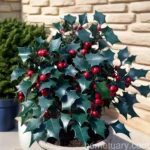
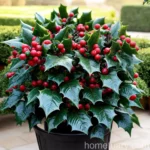
American Holly (Ilex opaca ‘Delia Bradley’) is a cultivar of the native American holly, Ilex opaca. This evergreen tree or shrub is known for its dense, spiny leaves and bright red berries, which make it a sought-after plant for landscaping and decorative purposes. The ‘Delia Bradley’ cultivar specifically is prized for its vibrant foliage and abundant berry production, making it a popular choice for gardens and natural areas across the United States.
Key Takeaways – American Holly (Ilex opaca ‘Delia Bradley’)
Before diving into the details, let’s summarize the essential points for quick reference:
- Culture
- Hardy in USDA Zones 5-9
- Thrives in well-drained, acidic soil
-
Tolerant of urban pollution and coastal conditions
-
Uses
- Landscaping and ornamental purposes
- Berries are valuable food sources for wildlife
-
Woodworking and decorative crafts
-
Water
- Regular watering, especially during the establishment phase
-
Mulching to retain soil moisture
-
Sunlight
- Prefers full sun to partial shade
-
Tolerates varying light conditions
-
Fertilizer
- Minimal fertilization required
-
Use a balanced, slow-release fertilizer in spring
-
Soil
- Acidic, well-drained soil
-
Organic mulch to improve soil quality
-
Pruning
- Minimal pruning for shaping and maintenance
-
Best done in late winter or early spring
-
Propagation
- Seeds for species variation
-
Softwood cuttings for cultivar propagation
-
Container Popularity
- Suitable for container gardening
-
Ideal for holiday decorations and winter displays
-
Common Diseases
- Leaf spot
- Phytophthora root rot
-
Holly leaf blight
-
Common Pests
- Spider mites
- Scales
- Holly leaf miner
Now, let’s explore each of these aspects in detail to better understand how to cultivate and care for American holly.
Culture of American Holly (Ilex opaca ‘Delia Bradley’)
USDA Hardiness Zones
American holly, including the ‘Delia Bradley’ cultivar, is well-suited for growth in USDA Hardiness Zones 5-9. It can tolerate a wide range of temperatures and environmental conditions within this zone range.
Soil Requirements
When it comes to soil, American holly prefers acidic, well-drained soils. A pH range of 5.0 to 6.5 is ideal for optimal growth. Incorporating organic matter into the soil during planting can improve the overall soil structure and drainage, promoting healthier root development.
Watering Needs
Established American holly plants are relatively drought-tolerant. However, regular watering, especially during dry spells, is essential for maintaining the plant’s overall health and promoting steady growth. Mulching around the base of the plant can assist in retaining soil moisture, particularly in warmer climates or during periods of low rainfall.
Sunlight Requirements
American holly thrives in full sun to partial shade. While it prefers full sunlight for the best berry production and overall growth, it can adapt to varying light conditions, making it a versatile choice for different landscape settings.
Tolerant of Urban and Coastal Conditions
One of the remarkable features of American holly is its ability to thrive in urban environments with various pollutants and coastal regions with salt exposure. This makes it a resilient and versatile plant for a wide range of planting locations.
Uses of American Holly (Ilex opaca ‘Delia Bradley’)
Landscaping and Ornamental Purposes
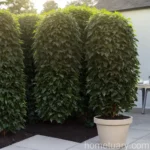
American holly, with its glossy, dark-green leaves and vibrant red berries, is a beloved choice for landscaping and ornamental purposes. From standalone specimens to hedges and border plantings, ‘Delia Bradley’ and other American holly varieties offer aesthetic appeal throughout the year, particularly during the winter months when the bright berries stand out against the foliage.
Wildlife Habitat and Food Source
The berries of American holly are an essential food source for various wildlife, including birds and small mammals. By planting American holly, you can contribute to the ecological diversity of your landscape and provide nourishment for local wildlife.
Woodworking and Decorative Crafts
The fine-grained, pale-colored wood of American holly is prized for woodworking and decorative crafts. It is often used to make small specialty items, inlay work, and turnery, thanks to its ease of workability and attractive appearance.
Care Requirements for American Holly (Ilex opaca ‘Delia Bradley’)
Fertilization
American holly generally requires minimal fertilization. However, applying a balanced, slow-release fertilizer in the spring can support healthy growth and berry production, especially for younger plants and those grown in less fertile soils.
Pruning
Pruning of American holly, including the ‘Delia Bradley’ cultivar, is generally minimal and is mainly done for shaping and maintenance purposes. It is best to prune in late winter or early spring before the start of the new growth cycle.
Propagation of American Holly (Ilex opaca ‘Delia Bradley’)
Seed Propagation
If you want to grow American holly from seeds, selecting high-quality, fresh seeds will increase the likelihood of successful germination and healthy plant establishment. However, keep in mind that seed-grown plants may exhibit considerable variation in characteristics compared to the parent plant.
Softwood Cuttings for Cultivar Propagation
For maintaining the specific traits of the ‘Delia Bradley’ cultivar, softwood cuttings from a healthy, established plant can be rooted to produce genetically identical replicas. This method ensures that the propagated plants retain the desired features of the original cultivar.
American Holly (Ilex opaca ‘Delia Bradley’) in Containers
Container Gardening
American holly, including the ‘Delia Bradley’ cultivar, can thrive in containers, adding a touch of festive charm to outdoor spaces in the winter months. Additionally, container-grown hollies are versatile for use in various holiday decorations and winter displays, contributing to their popularity in urban and suburban settings.
Common Diseases and Pests of American Holly (Ilex opaca ‘Delia Bradley’)
Common Diseases
- Leaf Spot: Characterized by dark, round spots on the leaves, leaf spot can affect the overall appearance of the plant if left untreated. Applying fungicidal treatments can help manage this issue.
- Phytophthora Root Rot: This soil-borne disease can lead to root rot and eventually cause the decline of the plant. Proper soil drainage and avoiding overwatering can help prevent this disease.
- Holly Leaf Blight: This fungal disease can result in the browning and defoliation of leaves. Pruning affected branches and applying appropriate fungicides are typical control measures.
Common Pests
- Spider Mites: These tiny pests can cause stippling and discoloration of leaves. Regular monitoring and insecticidal soaps can help manage spider mite infestations.
- Scales: Scale insects can affect the health of American holly by feeding on the sap, leading to yellowing and wilting of foliage. Using horticultural oils or insecticidal soaps is an effective method of control.
- Holly Leaf Miner: The larvae of this pest create blotch mines within the leaves, impacting the aesthetic appeal of the plant. Pruning and targeted insecticides are commonly used to manage holly leaf miner infestations.
Botanist’s Tips for Growing American Holly (Ilex opaca ‘Delia Bradley’)
- Soil Testing: Conduct regular soil tests to monitor the pH and nutrient levels, ensuring that the soil conditions remain within the ideal range for American holly.
- Mulching: Apply organic mulch around the base of the plant to conserve soil moisture, regulate soil temperature, and suppress weed growth.
- Watering: During prolonged dry periods, provide supplemental watering to ensure the plant’s vitality, especially for younger holly specimens.
- Berry Removal: If desired, pruning can be used to control the abundance of berries, as excessive fruit production can divert energy away from vegetative growth.
Fun Facts about American Holly (Ilex opaca ‘Delia Bradley’)
- A single holly tree can bear both male and female flowers, but only female trees produce the iconic red berries.
- American holly wood is used in the production of piano keys, engraving blocks, and high-end cabinetry due to its attractive color and fine texture.
- In addition to its ecological importance as a food source for wildlife, American holly plays a part in various cultural and religious traditions, especially during the holiday season.
Links to External Resources
For further information on American holly, its care, and uses, you can explore the following resources:
- The American Holly Society
- USDA Plant Guide: American Holly
- University of Florida IFAS Extension: Holly Diseases
In conclusion, American holly, including the ‘Delia Bradley’ cultivar, is a versatile and valuable plant with a rich cultural and ecological significance. By understanding its cultural requirements and implementing proper care practices, you can ensure the vibrant beauty and enduring vitality of this iconic species in your landscape.
So whether you’re drawn to its ornamental appeal, ecological contributions, or woodworking potential, American holly stands as a timeless symbol of natural beauty and resilience in diverse environments.
Remember to share the joy and knowledge of cultivating American holly with fellow plant enthusiasts, and let the iconic red berries and glossy foliage of this beloved plant continue to grace landscapes and inspire generations to come.
Keywords: American holly plant, Ilex opaca ‘Delia Bradley’, Holly shrub, Planting American holly, American holly tree, Holly plant care, Ilex opaca varieties, Delia Bradley holly, Holly landscaping ideas, Holly plant diseases, American holly characteristics, Holly plant pruning, American holly zone, Ilex opaca ‘Delia Bradley’ care, Holly plant species, American holly cultivation, Holly plant maintenance, Ilex opaca ‘Delia Bradley’ characteristics, Holly plant propagation, American holly foliage, Holly varieties, American holly landscape design, Holly plant uses, Ilex opaca ‘Delia Bradley’ size, American holly planting tips, Holly plant pests, American holly growth rate, Holly plant benefits, Ilex opaca ‘Delia Bradley’ pruning, American holly flower, Holly plant symbolism, Ilex opaca ‘Delia Bradley’ landscape, American holly seasonal changes, Holly plant shade tolerance, American holly soil requirements, Holly plant ornamental features, Ilex opaca ‘Delia Bradley’ pollination, American holly wildlife habitat, Holly plant container gardening, Ilex opaca ‘Delia Bradley’ winter care, American holly companion plants, Holly plant sun exposure, American holly berries, Holly plant water requirements, Ilex opaca ‘Delia Bradley’ disease resistance, American holly autumn color, Holly plant hedge, Ilex opaca ‘Delia Bradley’ pruning techniques, American holly landscaping tips, Holly plant wildlife attraction