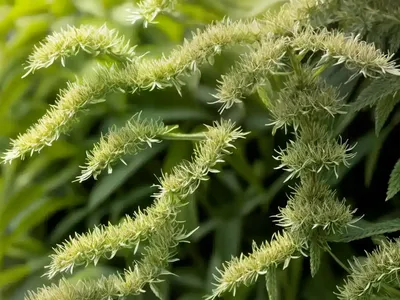
American Dogweed (Verbesina Encelioides)
What is American Dogweed (Verbesina Encelioides)? American Dogweed (Verbesina encelioides) is a fascinating plant species with a long history of.
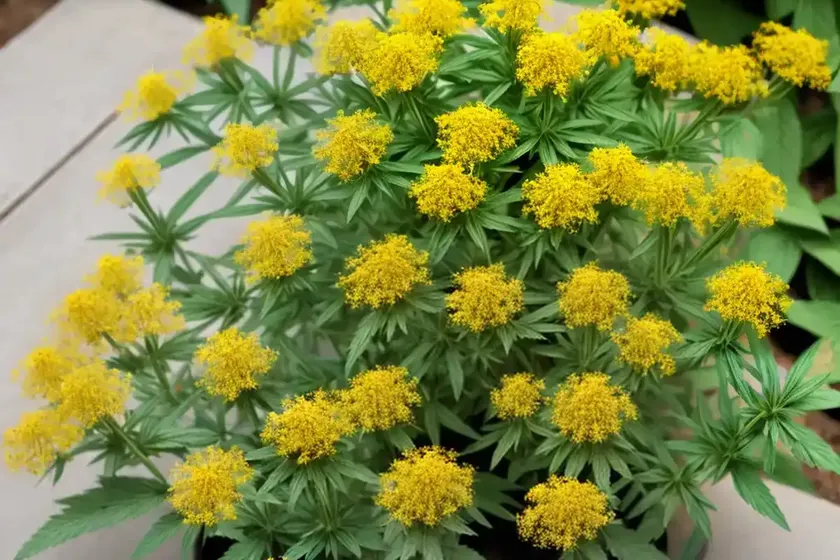
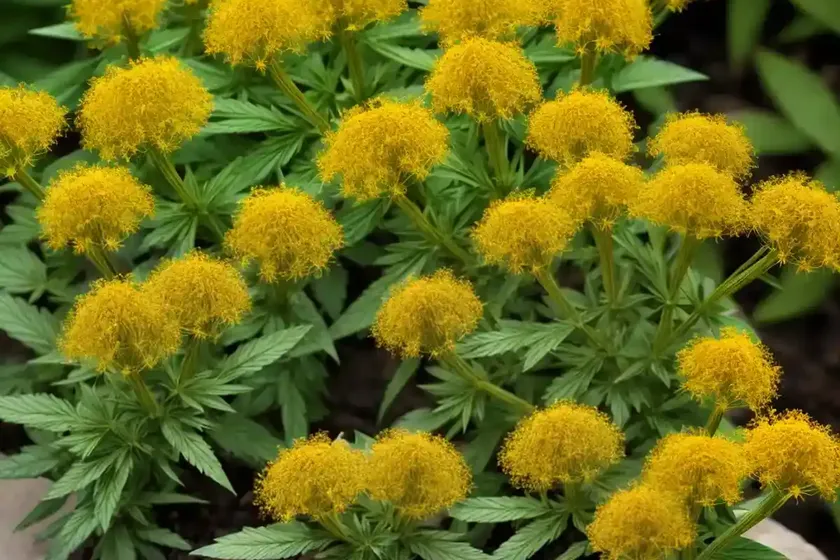
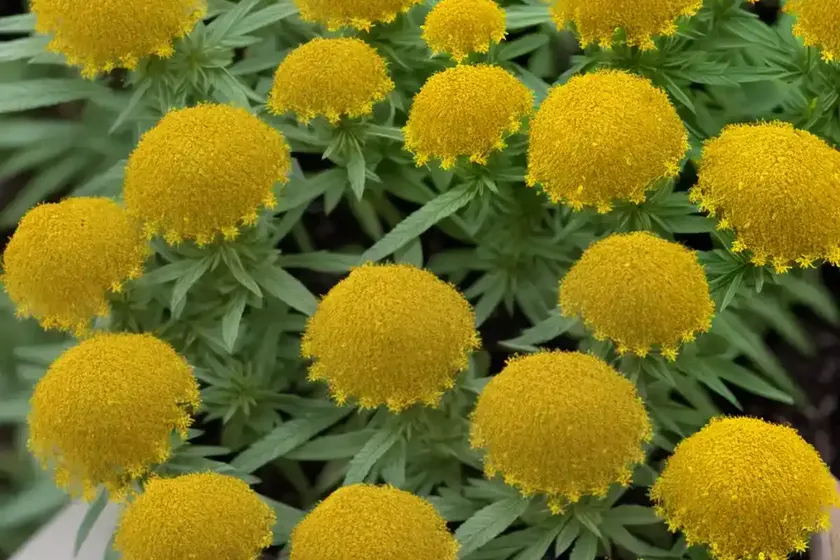
What is American Dogweed (Verbesina Encelioides)?
American Dogweed (Verbesina encelioides) is a fascinating plant species with a long history of traditional uses and ecological importance. This resilient plant, also known as cowpen daisy, golden crownbeard, and wild sunflower, is native to the Americas and belongs to the Asteraceae family.
This blog post will delve into the intrinsic characteristics, growth habits, cultivation tips, uses in landscaping, medicinal properties, ecological importance, natural remedies, and folklore and myths associated with American Dogweed. We will also explore the role of American Dogweed in supporting wildlife, as well as its adaptive traits and ecological role.
Key Takeaways – American Dogweed (Verbesina Encelioides)
Before delving into the details, let’s glance through the key takeaways associated with American Dogweed:
-
Cultural Significance: American Dogweed has a rich cultural significance and has been used in traditional medicine and folklore for centuries.
-
Ecological Importance: This plant plays a vital role in supporting wildlife and is essential for habitat restoration and erosion control.
-
Gardening Tips: Understanding its growth habits, drought tolerance, and soil preferences is crucial for effectively caring for American Dogweed in a garden setting.
-
Disease Resistance: While American Dogweed is relatively resistant to diseases, it is important to be aware of potential pests that may affect its growth.
-
Conservation Efforts: Due to its ecological importance and role in habitat restoration, efforts to conserve and preserve American Dogweed’s natural habitats are essential.
Culture
Uses
-
Landscaping: American Dogweed is valued for its attractive and vibrant yellow flowers, making it a popular choice for landscaping and garden design.
-
Traditional Medicine: The plant has been historically used in traditional medicine for various ailments due to its purported medicinal properties.
Water
- American Dogweed exhibits moderate drought tolerance once established, making it suitable for landscapes with varying water availability.
Sunlight
- This plant thrives in full sunlight and can tolerate a wide range of light conditions.
Fertilizer
- American Dogweed generally does not require heavy fertilization. However, adding a balanced, slow-release fertilizer during the growing season can support its optimal growth.
Soil
- Well-drained soils are preferred for American Dogweed. It can adapt to various soil types, including sandy and loamy soils.
Pruning
- Minimal pruning is required, focusing on the removal of dead or damaged plant parts to maintain its health and aesthetics.
Propagation
- American Dogweed can be propagated through both seeds and cuttings. Propagation from seeds is the most common method and can be achieved by sowing the seeds directly into the soil.
Container Popularity
- While American Dogweed is primarily grown in garden and landscape settings, it can thrive in containers, providing an appealing addition to patio or balcony gardens.
Common Diseases
- American Dogweed is generally resistant to major diseases, but it is important to monitor the plant for signs of powdery mildew and root rot under certain environmental conditions.
Disease Diagnosis
- Symptoms such as white powdery spots on leaves and wilting can indicate a potential disease issue. Proper diagnosis and timely intervention are crucial for managing such conditions.
Common Pests
- While American Dogweed is relatively resistant to pests, it may occasionally face challenges from aphids and spider mites, particularly during dry and hot periods.
Botanist’s Tips
Fun Facts
-
American Dogweed is known for its ability to support pollinators, such as bees and butterflies, due to its abundant nectar and pollen.
-
In some regions, American Dogweed has been naturalized and may display invasive tendencies, impacting local plant biodiversity.
Links to External Resources
Now that we have explored the basic aspects of American Dogweed, let’s delve deeper into its unique characteristics, growth habits, medicinal properties, and ecological significance, among other key aspects.
American Dogweed Uses
Traditional Medicine
American Dogweed has a rich history of traditional uses in medicinal practices. Various cultures have utilized different parts of the plant for their purported healing properties. The seeds, leaves, and flowers of American Dogweed have been employed in herbal remedies for conditions such as fevers, skin irritations, gastrointestinal issues, and respiratory ailments.
The plant’s traditional uses in ethnobotany are rooted in its perceived anti-inflammatory, antipyretic, and analgesic properties, which have been harnessed by indigenous communities for generations.
Landscaping
Its vibrant golden-yellow blossoms and its ability to thrive in diverse soil and light conditions have made American Dogweed a sought-after addition to landscapes, gardens, and naturalistic plantings. Its visual appeal, coupled with its ability to attract pollinators, makes it a valuable asset in landscaping and gardening endeavors.
Verbesina Encelioides Benefits
Medicinal Properties
The potential medicinal properties of American Dogweed have piqued the interest of researchers and herbalists. Studies have explored its bioactive compounds and their potential applications in pharmaceutical and therapeutic contexts.
Wildlife Support
The nectar and pollen of American Dogweed serve as important food sources for a variety of pollinators, including honeybees, native bees, and butterflies. By providing nourishment for these vital insects, the plant contributes to the biodiversity and resilience of ecosystems.
American Dogweed Characteristics
American Dogweed possesses several distinct characteristics that contribute to its ecological and practical significance.
Flower Morphology
The plant’s striking, daisy-like flowers feature vibrant yellow petals, creating a visually appealing display. These flowers are particularly attractive to pollinators, supporting the broader ecosystem’s biodiversity.
Leaf Structure
The leaves of American Dogweed are lanceolate to ovate in shape and are typically hairy, contributing to the plant’s adaptive traits in varying environmental conditions.
Verbesina Encelioides Growth Habits
Pollination and Seed Dispersal
As a flowering species, American Dogweed relies on pollinators for sexual reproduction. Once fertilized, the plant produces seeds, which are dispersed by various mechanisms, including wind, animals, and human activity.
Root System
The plant’s root system plays a crucial role in its ability to thrive in arid and semi-arid environments, helping it access water and nutrients while providing stability in the soil.
American Dogweed Cultivation Tips
Drought Tolerance
Due to its natural habitat in dry, arid regions, American Dogweed has developed significant drought tolerance. This characteristic makes it an excellent choice for landscapes and gardens in water-limited environments.
Soil Preferences
While adaptable to various soil types, American Dogweed thrives in well-drained soils. It prefers soils with moderate fertility, demonstrating its ability to grow in diverse soil conditions.
Native Habitat
The plant’s native range includes regions with semi-arid and arid climates, reflecting its adaptation to dry conditions. Understanding its native habitat is essential for recreating suitable growing conditions in cultivation settings.
Verbesina Encelioides Care Instructions
Pruning
Minimal pruning is generally sufficient to maintain American Dogweed’s health and shape. Trimming dead or damaged branches promotes its vigor and aesthetic appeal.
Pest Control
Vigilance against potential pest infestations is crucial, particularly during periods of environmental stress. Regular monitoring and appropriate pest management practices support the plant’s long-term health.
American Dogweed Medicinal Properties
Ethnobotanical Uses
Traditional cultures have long revered American Dogweed for its medicinal properties. The plant has been employed for its anti-inflammatory, anti-pyretic, and analgesic properties, with various preparations used to address specific health concerns.
Natural Remedies
The plant’s bioactive compounds have sparked interest in potential natural remedies for modern ailments. Research into its phytochemical composition and therapeutic applications continues to uncover its potential benefits.
Verbesina Encelioides Ecological Importance
Wildlife Habitat
In its native habitats, American Dogweed is a vital component of ecosystems, providing essential resources for pollinators and supporting the broader food web. Its role in sustaining wildlife populations underscores its ecological importance.
Habitat Restoration
American Dogweed’s adaptability and resilience make it valuable for habitat restoration initiatives, particularly in degraded or disturbed environments. Its ability to thrive in challenging conditions contributes to ecosystem recovery efforts.
American Dogweed Folklore and Myths
Cultural Significance
The plant holds cultural significance in various traditions, with folklore and myths often intertwined with its use in traditional medicine and as a symbol of beauty and resilience in the natural world.
Traditional Uses
Communities have historically utilized American Dogweed for its purported healing properties, incorporating it into rituals and remedies that reflect their deep connection to the land and its resources.
Verbesina Encelioides Pest Control
Invasive Species Concerns
In some regions, American Dogweed has exhibited invasive tendencies, posing challenges to native plant communities and ecosystems. Effective pest control measures and ecological management strategies help mitigate its disruptive impact.
Weed Management
Managing the spread of American Dogweed in non-native habitats is essential to prevent its encroachment on indigenous plant species and the alteration of ecological dynamics.
American Dogweed Gardening Tips
Erosion Control
The plant’s deep root system and adaptability to dry conditions make it an excellent choice for erosion control in landscapes and restoration projects, stabilizing soils and preventing soil loss.
Adaptive Traits
American Dogweed possesses adaptive traits that enable it to thrive in diverse environments, making it a valuable addition to garden designs focused on resilience and sustainability.
Verbesina Encelioides Conservation Efforts
Climate Change Resilience
Given its tolerance for arid conditions, American Dogweed holds potential as a species resilient to the effects of climate change, making it relevant to conservation efforts in altering environmental landscapes.
Ecological Role
Understanding American Dogweed’s ecological role in supporting biodiversity and ecosystem functioning is imperative for conservation strategies aimed at preserving native plant communities and habitats.
American Dogweed Native Habitat
American Dogweed originaADVERTISEMENTtes from regions characterized by semi-arid and arid climates, thriving in open, sunny environments with well-drained soils. Its native habitat provides valuable insights into its specific ecological requirements.
Verbesina Encelioides Wildlife Support
Pollinators
The plant’s abundance of nectar and pollen attracts a diverse array of pollinators, including bees, butterflies, and other insects, contributing to the reproductive success of various plant species in its ecosystem.
Flowers and Pollination
Understanding the intricate relationship between American Dogweed’s flowers and pollinators sheds light on its role in supporting the broader ecological community and ecosystem health.
American Dogweed Seed Dispersal
Ecology
American Dogweed’s seed dispersal mechanisms play a crucial role in its persistence and propagation in diverse habitats, influencing its spatial distribution and population dynamics.
Habitat Restoration
The species’ natural seed dispersal aids in habitat restoration efforts, enabling the plant to colonize and stabilize degraded areas, contributing to ecosystem recovery and biodiversity enhancement.
Verbesina Encelioides Ecology
Habitat Restoration
The plant’s ecological traits, including its adaptability to challenging environments and its wildlife support, position it as a valuable species for habitat restoration initiatives in diverse ecosystems.
Ecological Role
Understanding American Dogweed’s interactions with other organisms and ecological processes provides insights into its broader ecological role and functional significance within its native habitats.
American Dogweed Weed Management
Invasive Species Concerns
Managing American Dogweed’s potential invasiveness is crucial for protecting native plant communities and preserving ecosystem dynamics and biodiversity.
Conservation Efforts
Incorporating effective weed management strategies as part of conservation practices plays a key role in safeguarding the ecological integrity of natural landscapes.
Verbesina Encelioides Conservation Efforts
Naturalized Areas
As American Dogweed has naturalized in certain regions, efforts to understand and manage its presence contribute to responsible land stewardship and conservation.
Climate Change
Considering the plant’s potential responsiveness to changing climate conditions, conservation efforts focused on American Dogweed align with broader climate change adaptation strategies.
American Dogweed Adaptive Traits
Drought Tolerance
The plant’s ability to thrive in water-limited environments, coupled with its resilience to dry conditions, highlights its adaptive traits in diverse ecological contexts.
Natural Habitat Destruction
Understanding American Dogweed’s response to habitat alteration and degradation enhances conservation efforts aimed at preserving its native range and ecological significance.
Verbesina Encelioides Natural Habitat Destruction
Ecological Resilience
In the face of natural habitat destruction, American Dogweed’s adaptability underscores its potential to persist and contribute to ecosystem recovery in altered landscapes.
Ecological Role
Studying the species’ response to habitat destruction provides insights into its ecological resilience and capacity to support ecosystem functioning in changing environments.
American Dogweed Seed Germination
Propagation
Understanding the plant’s seed germination process is vital for successful propagation and cultivation, supporting landscape and restoration projects.
Plant Taxonomy
American Dogweed’s taxonomic classification provides a framework for understanding its genetic diversity and evolutionary history, informing conservation and management strategies.
Verbesina Encelioides Plant Family
Evolutionary History
Exploring the plant’s place within the Asteraceae family enhances our understanding of its taxonomic relationships and evolutionary trajectory, contributing to broader botanical knowledge.
Natural Range
The plant’s natural range offers valuable insights into its ecological requirements and the factors shaping its distribution, providing critical information for conservation efforts.
American Dogweed Links to External Resources
In conclusion, American Dogweed (Verbesina encelioides) stands as a multifaceted plant with cultural, ecological, and practical significance. From its traditional uses in medicine to its role in supporting pollinators and stabilizing habitats, this resilient species continues to captivate botanists, conservationists, and garden enthusiasts alike. Understanding its characteristics, cultivation tips, and ecological role fosters a deeper appreciation for American Dogweed and the critical role it plays in natural and managed landscapes. As we navigate the intricate web of traditional knowledge, ecological interactions, and management practices associated with American Dogweed, we are better equipped to conserve and celebrate this remarkable species.
The journey of discovery and conservation for American Dogweed is ongoing, with new insights and opportunities emerging to deepen our understanding and stewardship of this remarkable plant.