American Brooklime: A Comprehensive Guide
Plants are an integral part of the natural world, providing a myriad of benefits to the environment and human life. They contribute to the air we breathe, the food we eat, and the landscapes we admire. One such fascinating plant species is the American Brooklime (Veronica Americana), which possesses unique characteristics and offers various cultural, medicinal, and ecological benefits. In this comprehensive guide, we will delve into the diverse aspects of the American Brooklime plant, exploring its description, uses, habitat, care tips, and much more.
Chapter 1: American Brooklime Description
American Brooklime (Veronica Americana) Plant
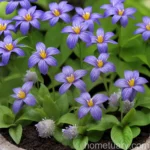
The American Brooklime, scientifically known as Veronica Americana, is a versatile perennial plant belonging to the Plantaginaceae family. This species is native to North America and is well-known for its preference for wetland habitats such as stream banks, wet meadows, and marshes. It is characterized by its slender, creeping stems and vibrant blue flowers, which bloom in clusters and create a visually appealing spectacle in its natural habitat.
American Brooklime Characteristics
-
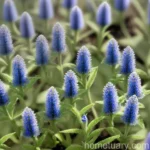
Flower Characteristics: The American Brooklime displays small, bright blue or violet flowers that form dense spikes, typically blooming from late spring to early summer. The flowers serve as attractive features for pollinator species, including bees and butterflies.
-
Foliage Color: The plant’s foliage features vibrant green leaves that are lance-shaped and arranged opposite each other along the stem. The lustrous greenery adds a refreshing hue to the wetland landscapes it inhabits.
-
Growth Rate: American Brooklime is considered to have a moderate growth rate, displaying steady development under favorable conditions.
-
Habitat: As a wetland plant, American Brooklime thrives in moist, waterlogged environments, playing a significant role in wetland conservation and restoration efforts.
Veronica Americana Species
The species Veronica Americana is renowned for its adaptability to aquatic and semi-aquatic environments, making it a valuable component of wetland ecosystems. Its ecological significance extends beyond its aesthetic appeal, contributing to the sustenance of diverse wildlife and the overall health of wetland communities.
Chapter 2: American Brooklime Uses
The American Brooklime is highly valued for its diverse array of uses, ranging from cultural to medicinal and ecological applications. Understanding these uses can provide insights into the plant’s significance and its potential contributions to various aspects of human life and environmental sustainability.
Water
-
Habitat Enrichment: American Brooklime plays a crucial role in enhancing the ecological integrity of aquatic and riparian habitats, contributing to the overall biodiversity and water quality of wetland areas.
-
Water Garden Plant: The plant’s adaptability to aquatic environments makes it a popular choice for water gardens, where it can thrive and add a touch of natural beauty to man-made aquatic landscapes.
Sunlight
- Sunlight Requirements: American Brooklime thrives in partial to full sun exposure, displaying optimal growth and flowering when provided with sufficient sunlight. However, it can also tolerate partial shade, making it adaptable to a range of light conditions.
Fertilizer
- Minimal Fertilization Needs: Due to its preference for wetland habitats, American Brooklime has relatively low fertilizer requirements. In natural settings, it obtains essential nutrients from the aquatic environment and does not necessitate additional fertilization.
Soil
- Wetland Soil Adaptability: The plant exhibits a heightened tolerance for waterlogged soils, making it well-suited for cultivation in wetland restoration projects and landscapes with fluctuating water levels.
Pruning
- Pruning for Maintenance: While American Brooklime generally requires minimal pruning, periodic removal of spent flower spikes can promote prolonged flowering and maintain the plant’s aesthetic appeal.
Propagation
-
Seed Propagation: American Brooklime can be propagated from seeds, with successful germination occurring in moist soil conditions, ideally mimicking its natural wetland habitat.
-
Vegetative Propagation: The plant can also be propagated through stem cuttings, enabling the production of genetically identical clones and the expansion of its population in suitable environments.
Container Popularity
- Aquatic Containers: American Brooklime’s suitability for aquatic settings makes it a popular choice for container gardening in water features such as ponds, water gardens, and bog planters.
Medicinal Properties
- Traditional Uses: Historically, American Brooklime has been utilized in traditional herbal medicine for its purported medicinal properties, which include remedies for various ailments.
Conservation
- Wetland Conservation: The presence of American Brooklime is indicative of a healthy wetland ecosystem, signifying its value as a conservation indicator species for wetland restoration initiatives.
Wildlife Habitat
- Ecological Role: The plant serves as a valuable habitat and food source for a wide array of wildlife, including insects, amphibians, and waterfowl, supporting the biodiversity of wetland areas.
Chapter 3: American Brooklime Growing Conditions
Habitat
-
Native Habitat: American Brooklime is indigenous to North American wetlands, where it thrives in the presence of ample water and nutrient-rich soil. It is often found along stream banks, in marshes, and on the edges of wet meadows.
-
Ecological Role: In its natural habitat, American Brooklime contributes to the structural and functional complexity of wetland ecosystems, promoting diverse plant and animal communities.
Care Tips
-
Water Requirements: A consistent supply of moisture is essential for the successful cultivation of American Brooklime, mirroring its natural habitat conditions. Adequate watering helps sustain its growth and flowering capacity.
-
Soil Requirements: The plant favors permeable, humus-rich soil with high moisture retention capabilities. Wetland soils or loamy substrates that simulate natural wetland conditions are conducive to its development.
-
Sunlight Exposure: While partial to full sun exposure supports healthy growth, American Brooklime can tolerate partial shade, especially in warm climates, providing versatility in terms of planting locations.
-
Fertilization Consideration: Limited fertilization is necessary, as the plant is adapted to nutrient-rich aquatic environments. Excessive fertilization should be avoided to prevent detrimental effects on water quality and the surrounding ecosystem.
Chapter 4: Common Diseases and Pests
Disease Diagnosis
- Fungal Diseases: American Brooklime may be susceptible to fungal infections in excessively moist conditions. Common fungal diseases include leaf spot and powdery mildew, which can affect the plant’s foliage.
Common Pests
- Insect Infestations: Despite its resilience, American Brooklime can be vulnerable to aphid and caterpillar infestations, particularly in areas with high pest activity.
Chapter 5: Botanist’s Tips
Cultivation
-
Adaptability: Cultivating American Brooklime in wetland gardens or restoration projects can help support the conservation of native plant species and contribute to the preservation of wetland ecosystems.
-
Ecosystem Enhancement: By integrating American Brooklime into wetland landscapes, botanists and ecologists can foster the restoration of degraded habitats, promoting ecological balance and wildlife conservation.
Fun Facts
-
Ethnobotanical Significance: American Brooklime has historically been used by indigenous cultures for various purposes, reflecting its cultural and ethnobotanical importance.
-
Landscape Design Element: With its striking blue flowers and wetland adaptability, American Brooklime serves as an appealing element in landscape designs, particularly in water gardens and naturalistic plantings.
Chapter 6: Links to External Resources
For further information on American Brooklime and related topics, explore the following external resources:
-
National Wetland Plant List – The National Wetland Plant List provides comprehensive information on wetland plant species, including American Brooklime, aiding in wetland conservation and restoration efforts.
-
Wetland Plants and Plant Communities – The U.S. Fish and Wildlife Service’s resource offers insights into wetland plants and their ecological roles in sustaining healthy wetland environments.
-
Ethnobotany Resources – Explore ethnobotanical resources to gain a deeper understanding of the cultural and traditional uses of plants, including American Brooklime.
-
North American Native Plant Societies – Connect with native plant enthusiast groups and organizations to learn about native plant species, habitat conservation, and gardening tips specific to North American ecosystems.
In conclusion, the American Brooklime (Veronica Americana) emerges as a plant of diverse significance, embodying ecological resilience, cultural ties, and medicinal potential. Its adaptability to wetland environments and its contributions to habitat enrichment and conservation underline its intrinsic value in the natural world. By understanding and promoting the cultivation of this remarkable plant, we can contribute to the preservation of wetland ecosystems, biodiversity, and the broader tapestry of North American flora.
Keywords: American Brooklime description, Veronica Americana plant, American Brooklime uses, American Brooklime characteristics, Veronica Americana species, American Brooklime benefits, American Brooklime growing conditions, Veronica Americana habitat, American Brooklime care tips, American Brooklime medicinal properties, American Brooklime cultivation, Veronica Americana facts, American Brooklime gardening, American Brooklime propagation, American Brooklime native habitat, Veronica Americana planting, American Brooklime wildlife, American Brooklime conservation, Veronica Americana natural habitat, American Brooklime native plant species, American Brooklime ecology, American Brooklime seeds, Veronica Americana flowering period, American Brooklime soil requirements, American Brooklime wetland plant, American Brooklime wildlife habitat, Veronica Americana for landscaping, American Brooklime water requirements, American Brooklime natural remedies, Veronica Americana plant family, American Brooklime growth rate, American Brooklime wetland conservation, Veronica Americana plant description, American Brooklime perennial plant, American Brooklime gardening tips, Veronica Americana flower characteristics, American Brooklime ecosystem role, American Brooklime traditional uses, Veronica Americana foliage color, American Brooklime aquatic plant, American Brooklime ethnobotany, Veronica Americana herbal medicine, American Brooklime pollinator species, American Brooklime landscape design, Veronica Americana wildlife attractant, American Brooklime water garden plant, American Brooklime sustainable gardening, Veronica Americana native plant garden, American Brooklime wetland restoration, American Brooklime for wetland mitigation.