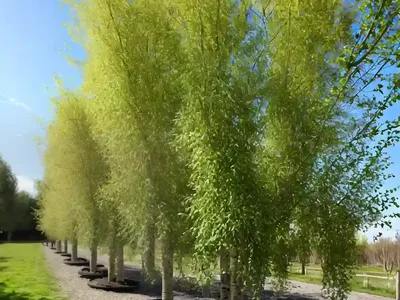
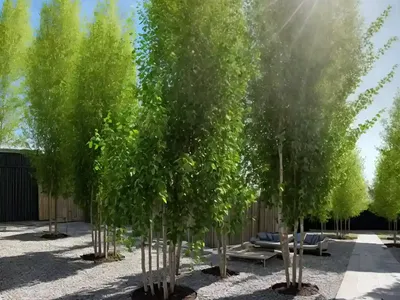
American Aspen (Populus Tremuloides)
As a plant scientist, I am thrilled to delve into the fascinating world of American aspen ( Populus tremuloides ). In this extensive guide, we will explore.



As a plant scientist, I am thrilled to delve into the fascinating world of American aspen (Populus tremuloides). In this extensive guide, we will explore the culture, uses, ideal growing conditions, as well as common diseases and pests that affect the American aspen. Furthermore, we will touch on the tree’s ecological significance, conservation efforts, and some interesting fun facts. By the end of this comprehensive guide, you will have a deep understanding of this remarkable tree and how to care for it.
What is American Aspen (Populus tremuloides)?
The American aspen, scientifically known as Populus tremuloides, is a deciduous tree native to North America. It is commonly referred to as quaking aspen, trembling aspen, or simply aspen. This species is part of the willow family (Salicaceae) and is recognized for its iconic white bark, whispering leaves, and its ability to thrive in diverse ecological conditions. The American aspen is also celebrated for its ecological importance, serving as a crucial species in various ecosystems.
Key Takeaways
Before diving into the specifics of the American aspen, let’s briefly outline the major takeaways that we will cover in this comprehensive guide.
- American Aspen (Populus tremuloides)
- What is American aspen and its significance in ecology
- It is a prominent species in North American forests, known for its unique visual appeal and ecological contributions
- The tree’s characteristic trembling leaves are a defining feature
- The bark of the American aspen is smooth and marked with distinctive black scars
Now, let’s move on to exploring the culture, uses, and ideal growing conditions for the American aspen.
Culture
Uses
The American aspen (Populus tremuloides) has a rich history of cultural, ecological, and practical uses. Let’s delve into some of the key uses of this remarkable species.
-
Historical and Cultural Significance: The American aspen holds cultural and historical significance for various indigenous communities across North America. Native American tribes utilized the tree for a range of cultural practices, including crafting tools, ceremonial items, and traditional medicine.
-
Wood and Timber: The wood of the American aspen is valued for its versatility and lightness. It is used in crafting furniture, plywood, and paper products. The timber’s workability and suitability for a variety of applications make it a sought-after material in the woodworking industry.
-
Landscaping and Shade: Due to its graceful appearance and rapid growth, the American aspen is popular in landscaping. It is often planted in parks, gardens, and along streets to provide shade and visual appeal.
-
Wildlife Habitat: The aspen tree plays a crucial role in providing habitat and sustenance for a diverse array of wildlife. It serves as a food source for various herbivores, while also offering nesting sites for birds and shelter for small mammals.
-
Environmental Significance: As a keystone species, the American aspen has significant ecological value. Its root systems contribute to soil stabilization, erosion control, and nutrient cycling. Moreover, the tree’s seasonal changes, such as the vibrant yellow foliage in autumn, contribute to the visual appeal of natural landscapes.
Water
Watering Requirements
The American aspen thrives in moist, well-drained soils. When establishing new trees, it is important to ensure consistent moisture levels. For mature trees, a healthy watering regimen, particularly during dry periods, is crucial for maintaining vigor and promoting robust growth.
Sunlight
Sun Requirements
The American aspen is a light-demanding species, thriving in full sun to partial shade. When selecting a planting site, prioritize locations with ample sunlight, ensuring that the tree receives the necessary light to support its growth and development.
Fertilizer
Fertilization Tips
While the American aspen is relatively low-maintenance, incorporating a balanced fertilizer into the soil during the tree’s early years can support healthy growth. Look for a fertilizer with a balanced N-P-K (nitrogen, phosphorus, and potassium) ratio, and apply it according to the manufacturer’s guidelines.
Soil
Soil Preferences
The American aspen demonstrates adaptability to a range of soil types, including sandy loam, clay, and mixed soils. However, it is imperative to ensure that the chosen soil offers good drainage, preventing the risk of waterlogging, which can be detrimental to the tree’s health.
Pruning
Pruning Guidelines
Pruning is generally minimal for the American aspen. However, periodic maintenance to remove dead or diseased branches, particularly in the tree’s early years, can promote overall tree health and maintain an attractive shape. When pruning, utilize sharp, clean tools to minimize damage and ensure rapid wound healing.
Propagation
Propagation Techniques
The American aspen can be propagated through various methods, including:
- Seed Propagation: Collecting and germinating aspen seeds can be a rewarding method for propagating new trees. Ensure that the seeds undergo a cold stratification period before sowing to promote successful germination.
- Root Cuttings: Propagating the aspen through root cuttings is another viable technique. Select healthy, young roots and follow established propagation guidelines for best results.
Container Popularity
The American aspen is a popular choice for container planting, particularly for individuals and landscapers seeking to enhance outdoor spaces with its graceful appearance and aesthetic appeal.
Common Diseases
The American aspen is susceptible to various diseases, some of which include:
- Cytospora Canker: This fungal disease can manifest as cankers on the trunk or branches, leading to dieback and decline in affected areas.
- Leaf Spot: Leaf spot diseases can affect the foliage of aspen trees, resulting in the formation of unsightly spots and potential leaf drop.
- Marssonina Leaf Blight: This fungal disease can cause significant defoliation, impacting the overall health and vigor of the tree.
Disease Diagnosis
When diagnosing potential diseases affecting the American aspen, it is crucial to observe the tree’s symptoms and patterns of decline. Consulting with a plant health specialist or arborist can aid in accurate diagnosis and the development of an appropriate treatment plan.
Common Pests
Pests can also pose a threat to the health of the American aspen. Some common pests include:
- Aphids: These small, sap-feeding insects can cause damage to the foliage and stems of the aspen tree, affecting its overall health.
- Leaf Miners: The larvae of leaf-mining insects can create unsightly patterns on the leaves, impacting the tree’s aesthetic appeal and potentially reducing its vigor.
Botanist’s Tips
Tips for Successful Cultivation
To ensure successful cultivation of the American aspen, consider the following tips:
- Planting Location: Select a site with well-drained soil and ample sunlight to support healthy growth.
- Watering: Maintain consistent soil moisture, particularly during the tree’s establishment phase and dry periods.
- Pruning: Conduct minimal pruning to remove dead or diseased branches and promote overall tree health.
Fun Facts
To round off our exploration of the American aspen, let’s uncover some captivating fun facts about this iconic tree:
- Iconic Visual Appeal: The striking white bark of the American aspen is not only visually appealing, but it also serves as a protective adaptation, particularly in winter, reflecting sunlight and minimizing heat loss.
- Largest Organism: In certain regions, the American aspen forms extensive root systems that connect individual trees, creating massive underground colonies. These interconnected trees can be considered a single organism, potentially making the American aspen one of the largest living organisms on Earth.
- Whispering Leaves: The fluttering and trembling leaves of the American aspen are a result of flattened petioles that allow the leaves to move easily in the slightest breeze, creating a distinct sound. This unique visual and auditory characteristic has contributed to the tree’s cultural significance and symbolism.
Links to External Resources
For further exploration and in-depth information on the American aspen, I recommend consulting the following external resources:
- United States Department of Agriculture (USDA) – Populus tremuloides
- The Morton Arboretum – Aspen Tree Conservation
- National Wildlife Federation – Wildlife Habitat and Aspen Trees
- Colorado State Forest Service – Aspen Tree Management
- North American Insects and Spiders – Aspen Tree Pests
As a plant scientist deeply passionate about trees and their ecological significance, the American aspen holds a special place in my heart. Its cultural, ecological, and practical uses, combined with its striking visual appeal, make it a truly remarkable species. I hope that this comprehensive guide has provided you with valuable insights into the world of the American aspen and how to care for these iconic trees.
References
Please refer to the following links to explore more about the American aspen:
- USDA Plants Profile. Available at: https://plants.usda.gov/plantguide/pdf/pg_potr4.pdf
- The Morton Arboretum. Available at: https://www.mortonarb.org/trees-plants/tree-plant-descriptions/quaking-aspen
- National Wildlife Federation. Available at: https://www.nwf.org/Educational-Resources/Wildlife-Guide/Plants-and-Fungi/Aspen
- Colorado State Forest Service. Available at: https://csfs.colostate.edu/2019/11/06/aspen/
- North American Insects and Spiders. Available at: https://www.cirrusimage.com/tree_aspen_populus_pests.htm