American Arborvitae (Thuja Occidentalis ‘Degroot’s Spire’)
What is American Arborvitae (Thuja occidentalis ‘Degroot’s Spire’)? American arborvitae, scientifically known as Thuja occidentalis ‘Degroot’s Spire’ , is.
What is American Arborvitae (Thuja occidentalis ‘Degroot’s Spire’)?
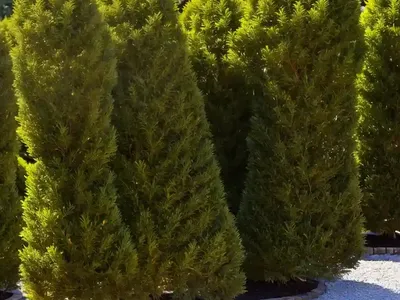
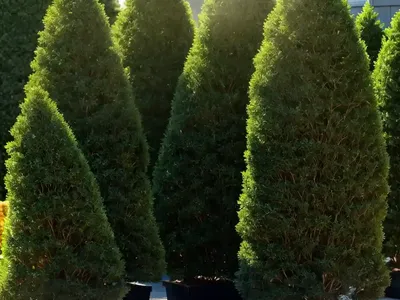
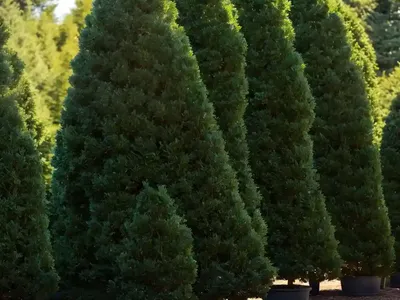
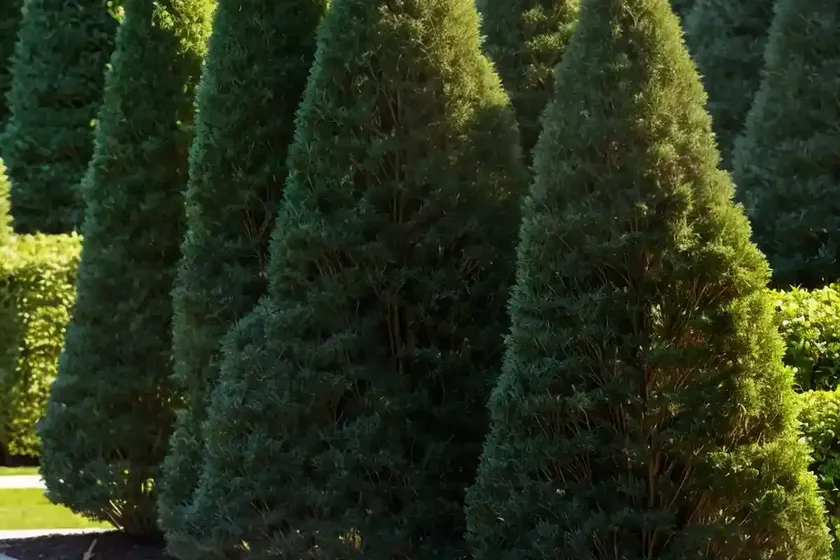
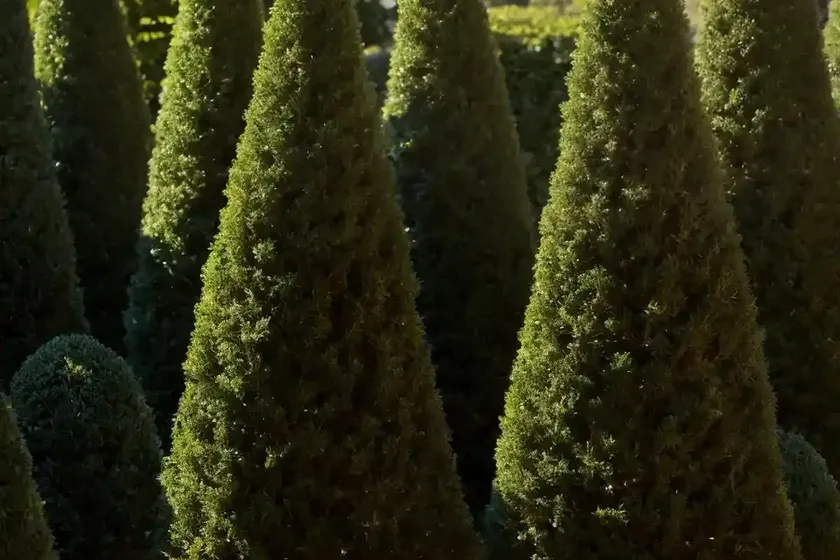
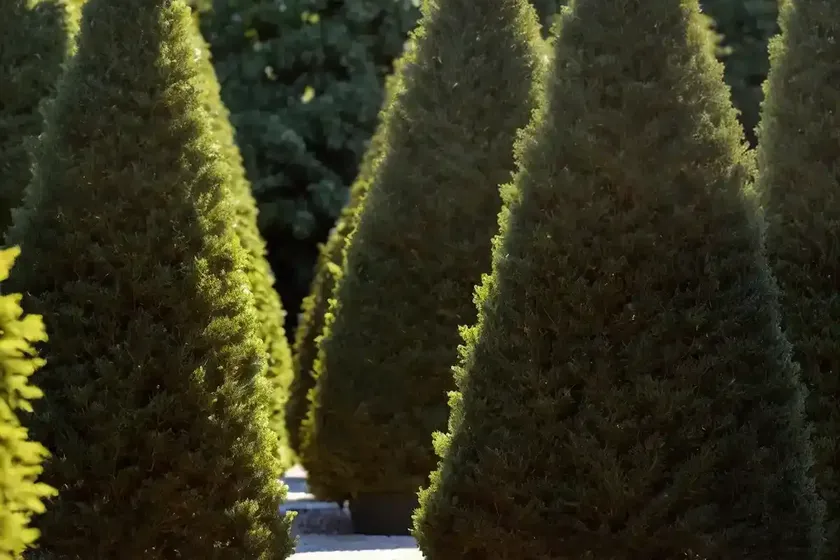
American arborvitae, scientifically known as Thuja occidentalis ‘Degroot’s Spire’, is a popular evergreen coniferous tree that is cultivated for its ornamental and landscape value. It is a narrow upright arborvitae with a columnar growth habit, making it an excellent choice for creating privacy screens, hedges, and as a vertical accent plant in gardens and landscapes. This cold-hardy and low-maintenance shrub is native to North America and is widely favored for its versatility and year-round appeal.
American arborvitae ‘Degroot’s Spire’ is well-regarded for its dense foliage, disease and pest resistance, and ability to thrive in various climatic conditions. It is a popular choice for formal gardens, foundation plantings, and as a windbreak or salt-tolerant shrub. With its vibrant winter color, graceful form, and medicinal properties, this versatile plant has secured a prominent place in the realm of landscaping and horticulture.
In this comprehensive guide, we will delve into the various aspects of American arborvitae (Thuja occidentalis ‘Degroot’s Spire’), covering its cultural requirements, uses, maintenance, propagation, common diseases and pests, as well as interesting facts about this remarkable plant.
Key Takeaways – American Arborvitae (Thuja occidentalis ‘Degroot’s Spire’)
Before we embark on a detailed exploration of American arborvitae ‘Degroot’s Spire’, let’s summarize some key takeaways about this fascinating plant:
- Thuja occidentalis ‘Degroot’s Spire’ is a narrow upright arborvitae with a columnar growth habit, making it an ideal choice for vertical accent plantings and privacy screens.
- This coniferous tree is well-suited for landscaping due to its versatility, low-maintenance nature, vibrant year-round foliage, and disease resistance.
- American arborvitae ‘Degroot’s Spire’ is a favored choice for creating formal gardens, foundation plantings, and windbreaks, and it is known for its suitability in a wide range of climatic conditions.
- The plant’s dense foliage, evergreen nature, and fragrance make it a valuable addition to gardens and landscapes.
- Its adaptability to various soil types, moisture levels, and sunlight conditions enhances its appeal as both a decorative and functional plant.
With these key points in mind, let’s delve deeper into the specific aspects of cultivating and caring for American arborvitae (Thuja occidentalis ‘Degroot’s Spire’).
Culture
Cultivating and caring for American arborvitae ‘Degroot’s Spire’ involves understanding its specific cultural requirements, including water, sunlight, soil, and other factors that contribute to its optimal growth and development.
Water
American arborvitae ‘Degroot’s Spire’ generally requires moderate watering, especially during its establishment phase. Once established, it exhibits good drought tolerance, although regular watering is essential during prolonged dry spells, particularly in warmer climates. Proper irrigation is vital for maintaining the plant’s vibrant green foliage and overall health. Here’s a recommended watering guide based on the plant’s age and environmental conditions:
- Newly Planted Arborvitae: Water young plants deeply 2-3 times per week during the first growing season to encourage strong root development.
- Established Arborvitae: In well-drained soil, established plants may only require watering during extended dry periods. Ensure deep, thorough watering to penetrate the root zone effectively.
Sunlight
American arborvitae ‘Degroot’s Spire’ thrives in full to partial sunlight. In regions with hot summers, providing some shade during the hottest part of the day can benefit the plant, especially in protecting it from potential sunburn and heat stress.
- Full Sun: Ideally, the plant should receive at least 6 hours of direct sunlight daily for optimal growth and density of foliage.
- Partial Sun: While it can tolerate partial shade, it may lead to slightly looser growth and reduced density of foliage.
Fertilizer
Fertilizing American arborvitae ‘Degroot’s Spire’ is essential to ensure healthy growth and vibrant foliage. A balanced, slow-release fertilizer specifically formulated for evergreen trees is recommended. Application frequency may vary based on the specific product used, but a general guideline includes fertilizing in spring before new growth emerges.
- Early Spring: Apply a granular, slow-release fertilizer at the plant’s drip line, following the manufacturer’s instructions for the appropriate dosage.
Soil
The plant prefers well-drained soil that is slightly acidic to neutral. The following soil conditions are conducive to the optimal growth of American arborvitae ‘Degroot’s Spire’:
- Well-Drained Soil: Ensure that the soil provides good drainage to prevent waterlogging, which can lead to root rot and other issues.
- Soil pH: A pH range between 6.0 and 7.0 is suitable for promoting the plant’s overall health and vigor.
Pruning
Pruning American arborvitae ‘Degroot’s Spire’ is an essential aspect of its maintenance, contributing to its shape, density, and overall aesthetic appeal. Regular pruning helps manage the plant’s size, maintain its desired form, and remove any dead or damaged foliage.
- Timing: Generally, the best time for pruning is in early spring before new growth appears. However, minimal pruning can also be carried out lightly throughout the growing season as needed.
- Techniques: Ensure the use of sharp, clean pruning tools to make precise cuts and avoid causing unnecessary damage to the plant. Trim selective branches to maintain the desired shape and density, while also removing any brown or dead foliage.
Pruning Tips
- Maintain Natural Shape: When pruning, aim to preserve the natural shape and form of the plant while removing any overgrown or awkwardly placed branches.
- Sanitize Tools: Before and after pruning, ensure that pruning tools are sanitized to reduce the risk of disease transmission.
Propagation
American arborvitae ‘Degroot’s Spire’ can be propagated through several methods, including softwood cuttings, layering, and seed propagation. Each method offers unique advantages and requires specific techniques to achieve successful propagation.
Softwood Cuttings
Softwood cuttings provide a reliable method for propagating American arborvitae ‘Degroot’s Spire’, especially during the plant’s active growth period in late spring or early summer. Follow these steps for successful softwood cutting propagation:
- Select Healthy Cuttings: Identify healthy, non-flowering shoots and take 6-8 inch cuttings from the tips of the branches. Ensure that the cuttings are taken from the current season’s growth.
- Prepare Cuttings: Remove the lower leaves from the cuttings and dip the cut ends in a rooting hormone to enhance rooting success. Plant the cuttings in a sterile, well-draining potting mix.
- Provide Optimal Conditions: Place the potted cuttings in a warm, bright location with consistent moisture and high humidity. Enclose the pot with a clear plastic bag to create a mini-greenhouse environment.
- Monitor Growth: Monitor the cuttings for root development, ensuring that the soil remains consistently moist but not waterlogged. Once roots have established, transplant the young arborvitae to larger containers or into the garden.
Layering
Layering is another effective method for propagating American arborvitae ‘Degroot’s Spire’, involving the establishment of roots on a stem while it is still attached to the parent plant. Follow these steps for successful layering propagation:
- Select a Suitable Stem: Identify a suitable low-growing, flexible stem on the parent plant and make a shallow, slanting cut on the underside of the stem.
- Encourage Rooting: Apply rooting hormone to the wounded area and bury it in a prepared trench or container filled with a suitable rooting medium, such as a mixture of peat moss and perlite.
- Secure the Layered Stem: Ensure that the layered stem is securely anchored and cover it with soil. Water thoroughly and maintain consistent moisture levels.
- Monitor Progress: Over time, the layered stem will develop roots. Once a strong root system has formed, it can be separated from the parent plant and transplanted to its desired location.
Seed Propagation
While less commonly used for propagating Thuja occidentalis ‘Degroot’s Spire’, seed propagation is another viable option, particularly for those interested in growing a large number of plants. However, it is essential to note that seed-grown plants may show genetic variation from the parent plant.
- Seed Collection: Collect mature cones from the American arborvitae ‘Degroot’s Spire’ and extract the seeds from the cones.
- Seed Preparation: Stratify the seeds by refrigerating them for a period to simulate winter conditions, which helps break seed dormancy and enhances germination.
- Sowing Seeds: Sow the prepared seeds in a seed-starting mix in containers or seed trays. Cover the seeds lightly with the growing medium and water gently.
- Provide Ideal Conditions: Place the containers in a warm, bright location and maintain consistent moisture levels. Germination may take several weeks to months, so patience is key in seed propagation.
Container Popularity
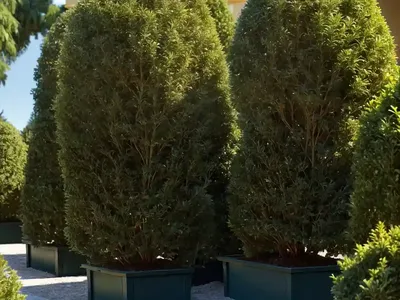
American arborvitae ‘Degroot’s Spire’ is highly popular as a container plant, offering versatility and ornamental charm to patios, balconies, and small gardens. Its narrow, upright growth habit makes it an ideal choice for adding vertical interest and greenery to compact spaces.
- Versatility: Thriving in containers, the plant can be utilized as a standalone specimen or in group plantings to create an appealing visual impact.
- Vertical Accent: Its columnar growth habit makes it an excellent choice for providing a vertical accent in container gardens, complementing a wide range of other ornamental plants.
Container Cultivation Tips
- Well-Draining Soil: Use a high-quality potting mix that provides excellent drainage to prevent waterlogging in the container.
- Appropriate Container Size: Select a large enough container that accommodates the plant’s root system and allows for unrestricted growth.
- Regular Watering: Container-grown arborvitae may require more frequent watering, especially during hot and dry periods, to ensure that the soil remains consistently moist but not overly saturated.
Common Diseases
American arborvitae ‘Degroot’s Spire’ exhibits good resistance to many common diseases, but it is essential to monitor the plant for signs of potential issues and take proactive measures to maintain its health and vigor. Several diseases can affect arborvitae, and understanding their symptoms and management strategies is crucial for disease prevention and control.
Disease Diagnosis
Common diseases that may affect American arborvitae ‘Degroot’s Spire’ include:
- Arborvitae Needle Blight: Caused by various fungal pathogens, needle blight can lead to browning, dieback, and eventual shedding of foliage. Monitor the plant for discolored or browning needles and implement cultural and, if necessary, chemical control measures to manage the disease.
- Kabatina Tip Blight: This fungal disease can cause browning and dieback of branch tips, affecting the overall appearance of the plant. Pruning affected areas and promoting good air circulation can aid in managing this disease.
- Root Rot: Excessive moisture or poorly drained soil can contribute to root rot, leading to yellowing, wilting, and deterioration of the plant. Proper drainage and ensuring appropriate soil moisture levels can help prevent root rot.
Disease Management
- Cultural Practices: Regular inspection, proper irrigation, and adequate spacing to promote good air circulation are vital in preventing and managing diseases.
- Sanitation: Promptly remove any diseased or dead foliage from the plant and the surrounding area to minimize the spread of pathogens.
- Fungicidal Treatments: In severe cases, fungicidal treatments may be necessary to manage certain fungal diseases. Consult with a local horticulture professional for appropriate fungicide recommendations and application guidelines.
Common Pests
While American arborvitae ‘Degroot’s Spire’ has good resistance to many pests, it can still be susceptible to certain insect pests that may impact its overall health and appearance. Keeping a vigilant eye on the plant and recognizing potential pest infestations are integral to maintaining its well-being.
Common Pests
- Bagworms: These caterpillars construct spindle-shaped bags on the arborvitae, feeding on foliage and potentially causing significant defoliation.
- Spider Mites: These tiny pests can cause stippling and bronzing of foliage, leading to a decline in the plant’s appearance.
- Scale Insects: Scale insects can attach themselves to the plant’s twigs and foliage, feeding on sap and impacting the plant’s overall vigor.
Pest Management
- Mechanical Control: Hand-picking or pruning off visible pests and egg masses can help manage minor infestations.
- Horticultural Oils: Applying horticultural oils to the plant can effectively smother and control certain pests like mites and scales.
- Biological Control: Introducing natural predators or parasites that target specific pests can aid in maintaining a balanced ecosystem and controlling pest populations.
Botanist’s Tips
As a plant scientist, I offer the following expert tips for cultivating and caring for American arborvitae ‘Degroot’s Spire’, drawing from both scientific understanding and practical experience:
- Proper Placement: Ensure that the plant is positioned in a location that provides adequate sunlight and accommodates its mature size without overcrowding.
- Regular Monitoring: Regularly inspect the plant for signs of pests, diseases, or environmental stresses, allowing for early intervention when necessary.
- Pruning Best Practices: Follow proper pruning techniques to maintain the plant’s form and health, avoiding excessive pruning that may compromise its natural shape.
- Integrated Pest Management: Employing integrated pest management practices, including biological control, cultural strategies, and judicious use of pesticides when necessary, can help safeguard the plant’s well-being.
Fun Facts about Thuja occidentalis ‘Degroot’s Spire’
- Wildlife-Friendly: American arborvitae ‘Degroot’s Spire’ provides valuable habitat and food sources for various wildlife, including birds and small mammals, making it an asset in wildlife-friendly gardens.
- Fragrant Foliage: The plant’s foliage possesses a distinctive fragrance when crushed, adding sensory appeal to gardens and landscapes.
- Winter Interest: Its vibrant green foliage persists throughout the winter, providing visual interest and color during the colder months.
Links to External Resources
For further information on American arborvitae ‘Degroot’s Spire’, the following external resources provide valuable insights and additional details:
- The American Arborvitae – Thuja occidentalis
- Cultivating Arborvitae in the Landscape
- Pest and Disease Management in Arborvitae
In conclusion, American arborvitae ‘Thuja occidentalis ‘Degroot’s Spire’ is a versatile and resilient plant that offers a myriad of benefits for landscaping, gardens, and urban environments. Understanding its cultural requirements, maintenance practices, disease and pest management, and propagation methods empowers enthusiasts and horticulturists to maximize the plant’s potential and showcase its many attributes.
Through dedicated care and appreciation for its unique characteristics, American arborvitae ‘Degroot’s Spire’ continues to be a beloved choice for adding elegance and functionality to diverse outdoor settings, enriching landscapes with its timeless charm and enduring appeal.