Amelanchier Utahensis (Utah Serviceberry)
Amelanchier utahensis, commonly known as Utah Serviceberry, is a resilient and versatile plant that offers a myriad of benefits to gardens and natural.


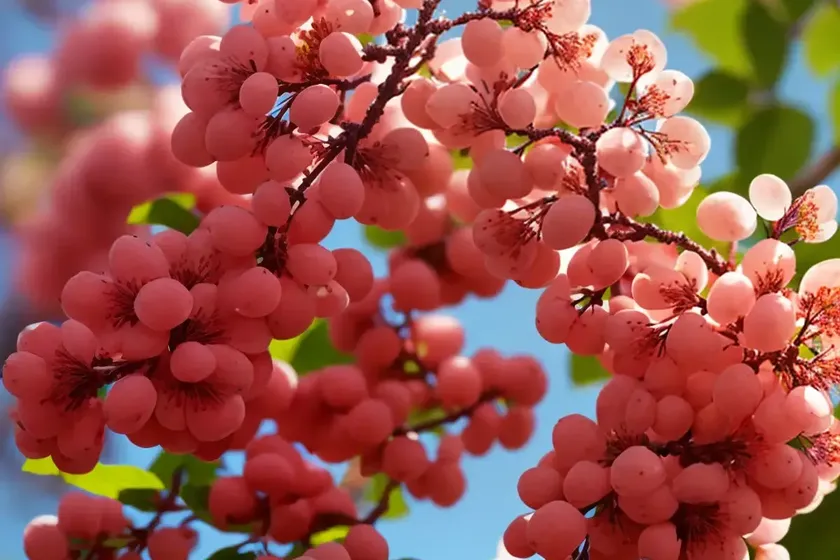
Amelanchier utahensis, commonly known as Utah Serviceberry, is a resilient and versatile plant that offers a myriad of benefits to gardens and natural habitats. This plant, belonging to the Rosaceae family, is native to North America and is celebrated for its beautiful appearance, edible berries, and its ability to attract wildlife. In this comprehensive guide, we will delve into the characteristics, cultivation, and uses of Amelanchier utahensis, providing valuable insights for both amateur and experienced gardeners.
What is Amelanchier utahensis?
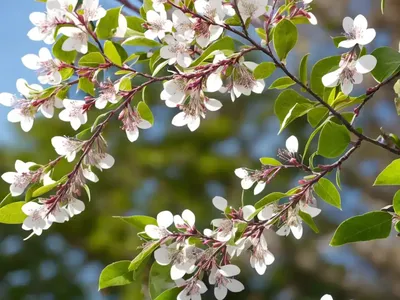
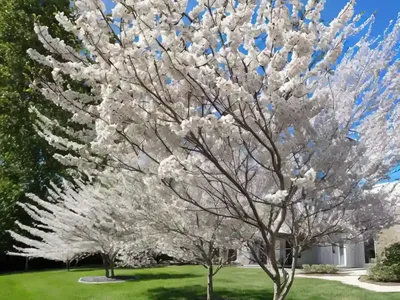
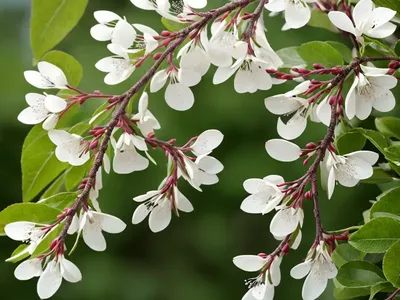
Amelanchier utahensis is a deciduous shrub or small tree that typically reaches a height between 8 to 20 feet. It is known for its stunning display of white flowers in the spring, followed by small, edible purplish-black berries in early summer. The foliage of Amelanchier utahensis transitions from vibrant greens in the summer to striking shades of red, orange, and gold in the fall, contributing to its ornamental value throughout the seasons.
Key Takeaways – Amelanchier utahensis
- Scientific Name: Amelanchier utahensis
- Common Name: Utah Serviceberry
- Family: Rosaceae
- Type: Deciduous shrub or small tree
- Height: 8 to 20 feet
- Flowering: Spring
- Fruit: Edible purplish-black berries
- Foliage: Vibrant greens transitioning to red, orange, and gold in fall
Now, let’s explore the intricate details of cultivating and nurturing Amelanchier utahensis to maximize its potential in various settings.
Culture
Uses
Utah Serviceberry has a wide array of uses, making it a valuable addition to various landscapes and gardens. Some common uses include:
– Ornamental purposes in residential and commercial landscapes
– Providing habitat and food for wildlife
– Edible fruit production for human consumption
Botanist’s Tips
- Plant Amelanchier utahensis in well-draining soil to prevent waterlogging, which can lead to root rot.
- Regular pruning is essential to maintain the desired shape and size of the plant, as well as to encourage healthy growth.
Fun Facts
- Amelanchier utahensis is also referred to as “Utah Juneberry” due to the ripening of its fruits in early summer.
- Indigenous communities in North America have historically used the berries of Amelanchier utahensis for culinary and medicinal purposes.
Now that we have covered the fundamental aspects of Amelanchier utahensis, let’s explore its characteristics in more detail and provide practical tips for its successful cultivation.
Amelanchier utahensis Characteristics
Amelanchier utahensis is characterized by several distinctive features that make it a valuable plant for both ornamental and practical purposes.
Native Range
Utah Serviceberry is native to the Western United States, primarily found in regions such as Utah, Nevada, and Idaho. It thrives in a variety of habitats, from mountain slopes to stream banks, and is well-adapted to different soil types and moisture levels.
Landscape Uses
- Amelanchier utahensis adds visual interest to landscapes with its spring blossoms, summer fruit, and stunning fall foliage.
- It can be used as an attractive standalone specimen, a hedge, or incorporated into mixed shrub borders for a diverse and visually appealing landscape.
Wildlife Benefits
Utah Serviceberry plays a vital role in supporting wildlife populations. Its flowers attract bees and other pollinators, while the berries serve as a valuable food source for birds and small mammals.
Medicinal Uses
Historically, various Native American tribes utilized the bark, leaves, and berries of Amelanchier species for medicinal purposes, including treatments for colds, diarrhea, and other ailments.
Utah Serviceberry Plant: Care Tips
Growing Amelanchier utahensis
When planting Utah Serviceberry, it is important to choose a location with well-draining soil and adequate sunlight. Ensure that the plant has enough space to reach its mature size, which can vary between 8 to 20 feet in height.
Pruning Guide
Regular pruning of Amelanchier utahensis is essential to remove dead or diseased wood, maintain a pleasing shape, and encourage robust growth. Pruning is typically performed during the dormant season in late winter or early spring.
Varieties
Several cultivars of Amelanchier utahensis and related species are available, offering variations in size, fruit production, and fall foliage colors. Popular cultivars include ‘Canaan Serviceberry’ and ‘Western Juneberry’.
Landscaping Ideas
Utah Serviceberry can be integrated into a range of landscapes, from naturalized woodland areas to formal garden settings. Its versatility allows it to complement various design styles, from native plant gardens to contemporary landscapes.
Utah Serviceberry Plant: Native Range and Environmental Benefits
Native Range
Amelanchier utahensis thrives in the climate and soils of the Western United States, where it contributes to the ecological balance and biodiversity of its native habitats.
Wildlife Habitat Plant
The berries of Amelanchier utahensis provide essential sustenance for a wide array of wildlife, including songbirds, game birds, and small mammals. By planting Utah Serviceberry, gardeners can attract and support diverse wildlife populations in their local environments.
Pollination Requirements
Bees and other pollinators are attracted to the fragrant blossoms of Amelanchier utahensis, facilitating cross-pollination and contributing to the overall health of the plant and surrounding flora.
Berries for Wildlife
The edible berries of Utah Serviceberry are eagerly consumed by many bird species, making it a valuable food source, especially during the critical period of early summer when other forage may be limited.
Utah Serviceberry Plant: Site and Maintenance Considerations
Water Requirements
Amelanchier utahensis benefits from regular watering, especially during its establishment phase. Once established, the plant exhibits good drought tolerance, but consistent moisture is beneficial for optimal growth and fruit production.
Soil Requirements
Utah Serviceberry thrives in well-draining, slightly acidic to neutral soils. It is adaptable to various soil types, including sandy, loamy, and clay soils, as long as proper drainage is maintained.
Sun Requirements
Amelanchier utahensis prefers full sun to partial shade. While it can tolerate some shade, optimal fruit production and vibrant fall colors are achieved in sunnier locations.
Pruning Techniques
Pruning should focus on removing dead, damaged, or crowded branches to maintain an open and healthy growth habit. Additionally, thinning out excessive growth can improve air circulation and light penetration within the canopy.
Utah Serviceberry Plant: Challenges and Considerations
Disease Resistance
Utah Serviceberry is generally resistant to most common plant diseases. However, monitoring for potential issues such as powdery mildew and leaf spot is beneficial, especially during periods of high humidity.
Drought-Tolerant Plant
Once established, Amelanchier utahensis exhibits excellent drought tolerance, making it a suitable choice for landscapes with periodic water restrictions or arid climates.
Soil pH Preferences
While Amelanchier utahensis is adaptable to a range of soil pH levels, it tends to thrive in slightly acidic to neutral soils. Regular soil testing can help ensure that the plant’s nutritional needs are met.
Shade Tolerance
Utah Serviceberry can tolerate partial shade, but it may experience reduced fruit production and less vibrant fall foliage colors in shadier conditions.
Utah Serviceberry Plant: Ornamental Qualities and Seasonal Interest
Spring Blooming
The profusion of white blossoms in the spring creates a captivating display, attracting pollinators and providing a visually stunning start to the growing season.
Summer Foliage
The lush green foliage of Amelanchier utahensis serves as an attractive backdrop in the summer landscape, providing a cooling effect and contributing to the overall aesthetic appeal.
Autumn Landscape
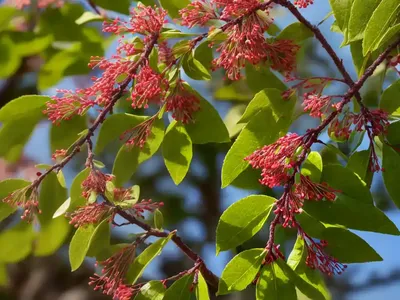
As fall approaches, the leaves of Utah Serviceberry transform into an array of striking colors, ranging from fiery reds to brilliant oranges and rich golds, enhancing the visual interest of the landscape.
Winter Appearance
Even in winter, the gracefully arching branches of Amelanchier utahensis add an architectural element to the garden, especially when dusted with snow or frost.
Utah Serviceberry Plant: Propagation and Maintenance
Seed Propagation
Amelanchier utahensis can be propagated from seeds, which should be collected from ripe fruits and stratified before planting. While seed propagation is an option, it may take several years for seed-grown plants to reach maturity and fruit-bearing age.
Seedling Care
If starting Utah Serviceberry plants from seeds, providing consistent moisture, adequate sunlight, and protection from pests and diseases during the initial growth stages is essential for healthy seedling development.
Seasonal Interest
Amelanchier utahensis offers seasonal interest throughout the year, from the delicate blossoms of spring to the vibrant foliage of fall, ensuring visual appeal and ecological benefits across the seasons.
Utah Serviceberry Plant: Container Gardening and Urban Landscapes
Container Gardening
Amelanchier utahensis can thrive in large containers, making it an excellent choice for patio gardens, urban landscapes, and other confined spaces. Choose a well-draining potting mix and ensure adequate water and sunlight for container-grown plants.
Landscape Maintenance
Regular maintenance practices such as pruning, mulching, and monitoring for pests and diseases are essential to uphold the health and visual appeal of Utah Serviceberry in urban gardens and other landscaped areas.
Native Plant Benefits
In both rural and urban settings, incorporating native plants like Amelanchier utahensis contributes to the ecological well-being and resilience of local ecosystems, supporting native wildlife and promoting biodiversity.
Wildlife Conservation
By providing food, shelter, and nesting sites, Amelanchier utahensis plays a crucial role in urban wildlife conservation efforts, offering valuable support to birds, beneficial insects, and other wildlife species.
Utah Serviceberry Plant: Navigating Challenges in Landscape Design
Urban Gardening
Utah Serviceberry is well-suited to urban environments, where its adaptable nature and wildlife-attracting qualities make it a valuable asset for community gardens, green spaces, and residential landscapes.
Drought-Tolerant Plant
In regions prone to drought or water restrictions, selecting plants with excellent drought tolerance like Amelanchier utahensis helps conserve water resources while maintaining attractive and sustainable landscapes.
Landscape Uses
From street plantings to urban parks, Utah Serviceberry can be utilized in diverse landscape designs, providing aesthetic appeal, ecological benefits, and resilience in challenging urban environments.
Utah Serviceberry Plant: Additional Considerations and Resources
External Resources
For further information on Amelanchier utahensis, consider exploring the following resources:
– USDA Plant Guide for Amelanchier utahensis
– Wildflower Center – Amelanchier utahensis
– University of California Agriculture and Natural Resources – Amelanchier utahensis
In summary, Amelanchier utahensis, or Utah Serviceberry, stands as an exceptional plant with a host of benefits for both natural and cultivated landscapes. Its ornamental beauty, wildlife support, and adaptability to various environmental conditions make it a valuable addition to gardens, urban landscapes, and natural habitats.
By understanding the characteristics, care requirements, and ecological contributions of Amelanchier utahensis, gardeners and conservationists can work towards creating sustainable and biodiverse environments that support native plant species and wildlife populations.
So whether you are planning to add a charming native shrub to your garden, or seeking to enhance the ecological value of your urban landscape, consider the many virtues of Amelanchier utahensis and the positive impact it can have on your surroundings.
Remember that by nurturing plants like Utah Serviceberry, we not only create visually captivating landscapes but also contribute to the conservation and restoration of natural ecosystems, fostering a healthier and more vibrant environment for generations to come.