Juneberry (Amelanchier Lamarckii)
Plants have always held a special place in the hearts of nature enthusiasts. The diversity and beauty of the plant world never fail to captivate our minds.
Introduction
Plants have always held a special place in the hearts of nature enthusiasts. The diversity and beauty of the plant world never fail to captivate our minds and hearts. Among the vast array of plants, the Juneberry (Amelanchier lamarckii) holds a special place due to its ornamental, culinary, and ecological significance. In this comprehensive guide, we will delve into every aspect of the Juneberry plant, from its cultural requirements to its uses, maintenance, and interesting facts. By the end of this article, you will have gained a deep understanding of this remarkable plant, equipping you with the knowledge to grow and appreciate it in your own garden.
What is the Juneberry (Amelanchier lamarckii)?
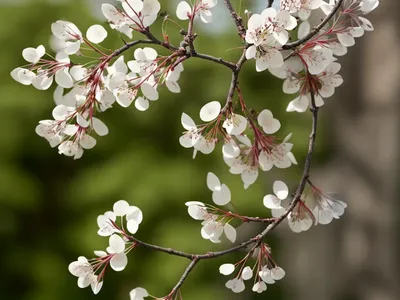
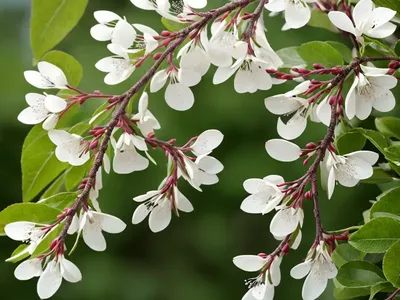
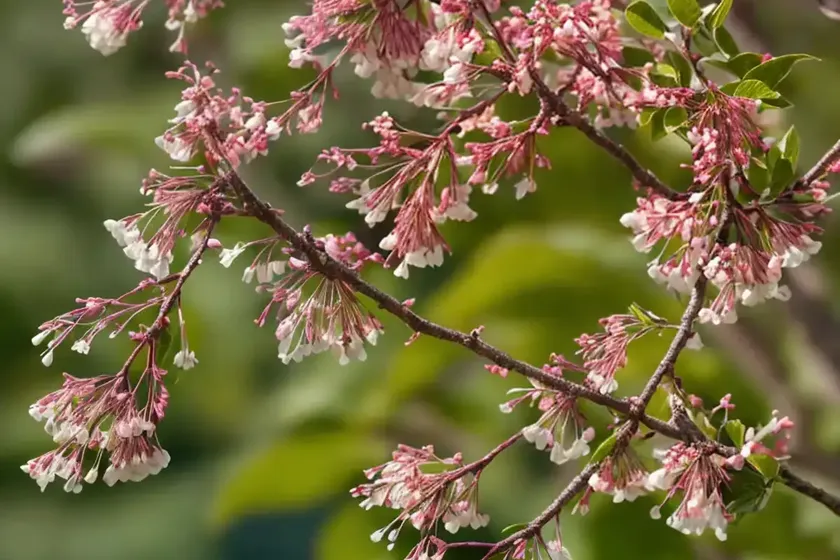
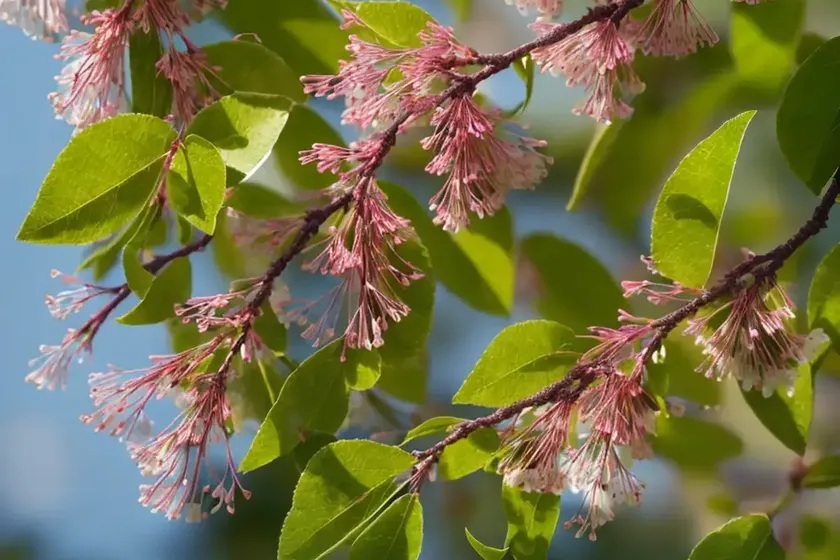
The Juneberry, scientifically known as Amelanchier lamarckii, is a deciduous shrub or small tree that belongs to the Rosaceae family. This plant is native to North America and is recognized for its delicate white flowers, edible berries, and stunning autumn foliage. It is widely cultivated as an ornamental plant in gardens and landscapes due to its aesthetic appeal and relatively low maintenance requirements. The name “Juneberry” is derived from the fact that the fruit of this plant is typically ripe for harvesting in the month of June, and it is often mistaken for blueberries due to their similar appearance.
Key Takeaways – Juneberry (Amelanchier lamarckii)
- Scientific Name: Amelanchier lamarckii
- Common Name: Juneberry, Serviceberry
- Family: Rosaceae
- Type: Deciduous shrub/small tree
- Native: North America
- Uses: Ornamental, Culinary
- Notable Features: White flowers, edible berries, autumn foliage
Now, let’s explore various aspects of the Juneberry in detail.
Culture
The culture of the Juneberry involves understanding its environmental requirements, planting conditions, and growth habits to ensure its optimal development and health.
Uses
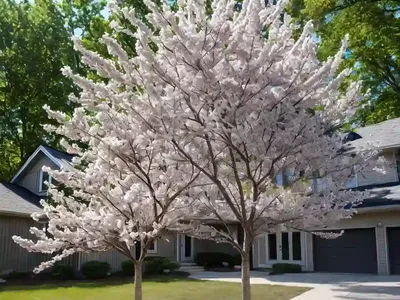
- Ornamental: Juneberry is frequently grown for its ornamental value, adding a touch of elegance to gardens and landscapes. The delicate white flowers that bloom in spring and the radiant hues of the leaves in autumn make it a picturesque addition to any setting.
- Culinary: The berries of the Juneberry are not only visually appealing but also edible, boasting a delightful taste that is likened to blueberries. They can be used in various culinary creations, including jams, pies, and desserts.
Water
- Watering Needs: Juneberry plants require regular watering, especially during dry spells. Adequate moisture is crucial for the establishment of young plants and ensuring the development of juicy, flavorful berries.
Sunlight
- Light Requirements: Juneberry thrives in full sun to partial shade. A location with at least 6 hours of direct sunlight per day is ideal for promoting healthy growth and abundant flowering.
Fertilizer
- Fertilization: Applying a balanced fertilizer in spring, before new growth appears, can provide the necessary nutrients for robust development and bountiful fruiting.
Soil
- Soil Type: Well-drained, slightly acidic soils are optimal for Juneberry cultivation. A soil pH range of 5.5 to 6.5 is conducive to the plant’s overall health and productivity.
Pruning
- Pruning Schedule: Prune Juneberry plants during late winter or early spring to remove dead or damaged branches and shape the plant. This practice encourages vigorous growth and enhances the plant’s aesthetic appeal.
Propagation
- Propagation Methods: Juneberry can be propagated through seeds, softwood cuttings, or suckers. Each method has its own requirements and techniques, but proper care and attention are essential to ensure successful propagation.
Container Popularity
- Container Gardening: The compact nature of Juneberry shrubs makes them suitable for container gardening, allowing individuals with limited space to enjoy the beauty and fruitfulness of this plant.
Common Diseases
Like all plants, Juneberries are susceptible to certain diseases, which can significantly impact their vitality and fruit production.
Disease Diagnosis
- Powdery Mildew: A common fungal disease characterized by a powdery white growth on leaves, causing them to become distorted and stunted.
- Rust: This disease manifests as orange or rust-colored spots on the leaves, often leading to premature defoliation and weakened plant vigor.
Common Pests
Certain pests may pose a threat to Juneberry plants, requiring vigilant monitoring and timely intervention to mitigate their impact.
Botanist’s Tips
As a plant scientist, I have gathered valuable insights and recommendations for the successful cultivation of Juneberries, ensuring their thriving growth and productivity. Here are a few tips to consider:
- Companion Planting: Pair Juneberry with plants like azaleas, rhododendrons, or other acid-loving species to create visually appealing and ecologically beneficial combinations in the garden.
- Mulching: Apply a layer of mulch around the base of the plant to conserve moisture, regulate soil temperature, and suppress weed growth. Organic mulches, such as wood chips or shredded bark, are particularly effective.
- Pollination: While many Juneberry varieties are self-fertile, planting multiple specimens can enhance fertilization and fruit set. Bees and other pollinators are crucial for ensuring bountiful harvests.
Fun Facts
To deepen your appreciation for the Juneberry, here are some fascinating and noteworthy facts about this remarkable plant:
- The berries of the Juneberry are not only enjoyed by humans but also serve as a valuable food source for various wildlife species, including birds and small mammals.
- In addition to its edible berries, the Juneberry showcases beautiful spring flowers that attract pollinators and add a delightful touch to the landscape.
- The autumn foliage of the Juneberry is a sight to behold, as the leaves transition to vibrant shades of red, orange, and yellow, creating a stunning visual display.
Now, as we’ve covered various aspects of the Juneberry, let’s explore some external resources that could further enhance your understanding and knowledge of this exceptional plant.
Links to External Resources
- Juneberry Plant Care and Cultivation Guide
- Growing Juneberry in Your Garden – Tips and Tricks
- Amelanchier Lamarckii: A Planting Guide for Spectacular Results
- The Best Companion Plants for Juneberry
- Juneberry Fruit Characteristics and Culinary Uses
- Amelanchier Lamarckii Landscape Design Ideas
- Juneberry: Native Habitat, Wildlife Uses, and Ecological Significance
By delving into these resources, you can gain further insights and expert advice on cultivating, utilizing, and appreciating the Juneberry in your natural surroundings.
In conclusion, the Juneberry (Amelanchier lamarckii) stands as an exceptional plant that excels in both ornamental beauty and culinary value. Its adaptability, coupled with its many uses and aesthetic qualities, makes it a cherished addition to diverse landscapes and gardens. Whether you seek to enhance the visual appeal of your outdoor space, indulge in delicious homegrown fruits, or support local wildlife, the Juneberry offers a multitude of benefits and opportunities. With the right care and attention, you can cultivate a thriving and fruitful Juneberry plant, enriching your natural environment and enjoying its many rewards.
Make sure to reference the notes and resources provided in this guide to further your understanding and appreciation of the Juneberry. As you embark on your journey of Juneberry cultivation, may the beauty and bounty of this remarkable plant bring joy and fulfillment to your gardening endeavors!
Happy Gardening!