Amelanchier Alnifolia ‘Regent’ (Serviceberry)
Amelanchier alnifolia ‘Regent,’ commonly known as Serviceberry, is a versatile and attractive plant with a myriad of benefits and uses. This native North.
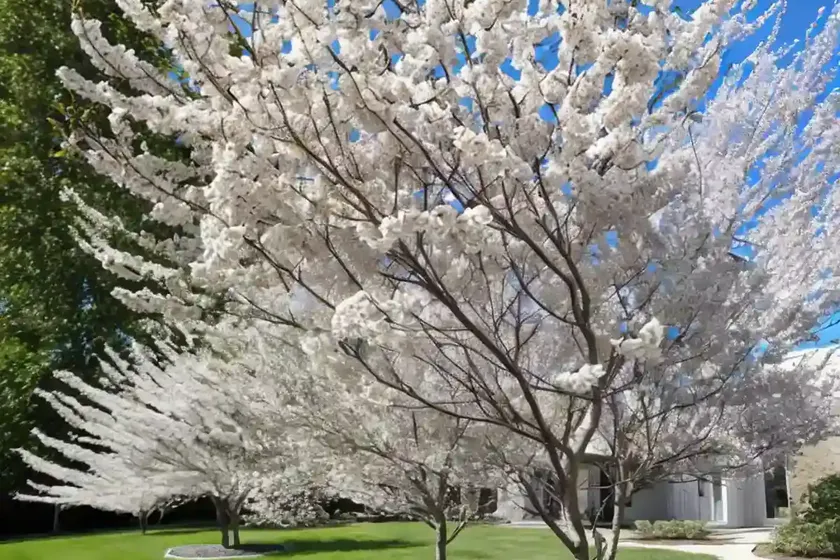
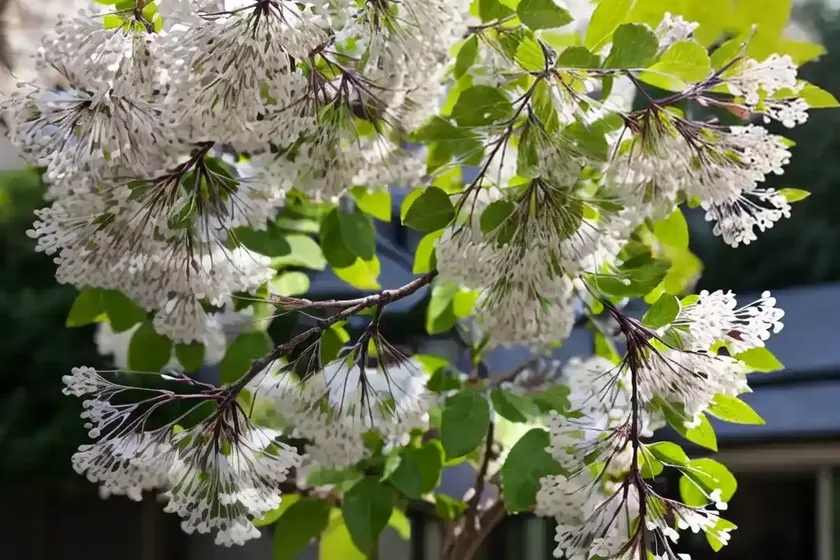
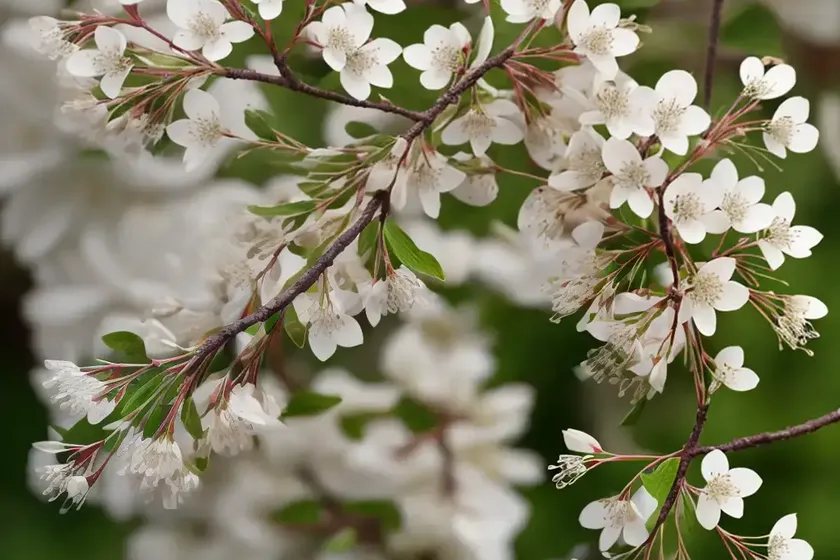
Amelanchier alnifolia ‘Regent,’ commonly known as Serviceberry, is a versatile and attractive plant with a myriad of benefits and uses. This native North American shrub is noted for its ornamental features, wildlife-friendly characteristics, and its edible berries. In this comprehensive guide, we will delve deeply into the various aspects of Amelanchier alnifolia ‘Regent,’ including its characteristics, cultural requirements, uses, diseases, pests, and much more.
What is Amelanchier alnifolia ‘Regent’ (Serviceberry)?
Amelanchier alnifolia ‘Regent’ is a deciduous, multi-stemmed shrub that belongs to the Rosaceae family. It is native to North America, specifically found in regions from Alaska to California and as far east as Nebraska and Texas. This hardy shrub typically grows in a variety of habitats, including woodlands, dry hillsides, and along stream banks.
Key Takeaways – Amelanchier alnifolia ‘Regent’ (Serviceberry)
Before we delve deeper into the intricacies of this fascinating plant, let’s take a quick look at the key takeaways that will be covered in this guide:
- Characteristics: A detailed overview of the physical attributes and growth habits of Amelanchier alnifolia ‘Regent.’
- Culture: The optimal growing conditions, including water, sunlight, fertilizer, soil, and pruning requirements.
- Uses: A look at the various uses of the Serviceberry plant, including landscaping, wildlife habitat, and edible fruit production.
- Common Diseases and Pests: Identification and management of common diseases and pests that affect the plant.
- Botanist’s Tips: Expert tips and suggestions for the successful cultivation of Amelanchier alnifolia ‘Regent.’
Now, let’s explore each of these aspects in detail.
Characteristics of Amelanchier alnifolia ‘Regent’
Amelanchier alnifolia ‘Regent’ is appreciated for its appealing aesthetic attributes and its ecological benefits. Here are the key characteristics of this species:
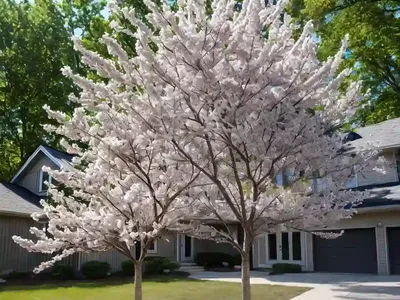
- Size and Shape: Serviceberry typically grows to a height of 6-18 feet with a spread of 4-8 feet, forming an upright, multi-stemmed shrub. However, there are dwarf cultivars available which are generally smaller in size.
- Foliage: The foliage consists of ovate to lance-shaped leaves with serrated edges. The leaves emerge in spring with a bronze tinge, turning to a deep green color in the summer. The fall foliage often displays vibrant shades of yellow, orange, and red, adding to its ornamental value.
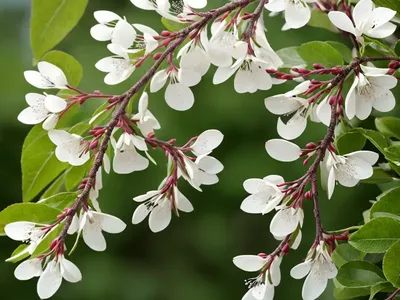
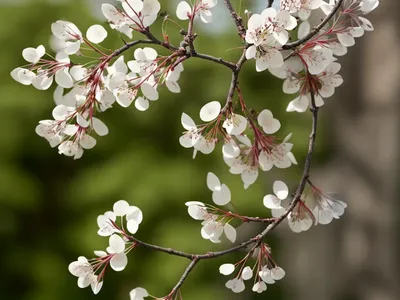
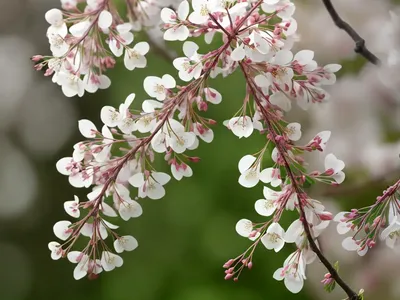
- Flowers: Clusters of white, fragrant flowers bloom in early spring before the leaves emerge, creating a beautiful display. The flowers are highly attractive to pollinators, such as bees and butterflies, making it a valuable addition to a wildlife-friendly garden.
- Fruit: The plant produces small, round, edible berries that ripen from green to red and finally deep purple to black. The berries are sweet and flavorful, often used in jams, jellies, pies, and beverages by both humans and wildlife.
Culture of Amelanchier alnifolia ‘Regent’
Cultivating Amelanchier alnifolia ‘Regent’ successfully involves providing the right growing conditions and carrying out appropriate care practices. Let’s delve into the specific cultural requirements encompassing water, sunlight, fertilizer, soil, and pruning.
Water
- Water Needs: Serviceberry plants prefer consistently moist, well-drained soil. During the establishment phase, regular watering is essential to ensure the roots develop properly. Once established, the plant displays good drought tolerance, but it appreciates supplemental irrigation during dry spells, especially in summer.
Sunlight
- Sun Exposure: Amelanchier alnifolia ‘Regent’ thrives in full sun to partial shade. While it can tolerate partial shade, it typically produces more abundant blooms and fruit when grown in a sunny location.
Fertilizer
- Fertilization: Serviceberry plants do not usually require heavy fertilization. A balanced, slow-release fertilizer can be applied in spring, following the manufacturer’s instructions, to support healthy growth and fruit production.
Soil
- Soil Preferences: The Serviceberry shrub prefers slightly acidic to neutral soil with good drainage. It can adapt to various soil types, including sandy loam, clay loam, and loam, but it does not tolerate waterlogged or extremely compacted soils.
Pruning
- Pruning Requirements: Serviceberry plants benefit from minimal pruning to remove dead, damaged, or crossing branches. It is best to carry out pruning tasks in late winter or early spring before new growth emerges. This promotes better air circulation, encourages a more open canopy, and enhances the overall form and structure of the plant.
Propagation of Amelanchier alnifolia ‘Regent’
Propagation is a key aspect of expanding the presence of Serviceberry plants in a garden or landscape. There are several methods of propagating Amelanchier alnifolia ‘Regent,’ including:
- Seed Propagation: The seeds from ripe Serviceberry fruits can be collected, cleaned, and sown in a prepared seedbed or containers. Stratification may be required for germination, typically involving a period of cold, moist conditions to break seed dormancy.
- Cutting Propagation: Semi-hardwood cuttings taken from the current season’s growth can be rooted under controlled conditions to produce new plants.
Container Popularity
Serviceberry plants can also be grown in containers, making them versatile options for patios, balconies, and small gardens. Here are a few considerations when growing Amelanchier alnifolia ‘Regent’ in a container:
- Container Size: Choose a large container that provides ample room for root growth and stability for the plant.
- Soil Mix: Use a well-draining potting mix formulated for woody plants to ensure proper aeration and moisture retention.
- Watering: Container-grown Serviceberry plants may require more frequent watering compared to those planted in the ground, especially during hot, dry periods.
Common Diseases of Amelanchier alnifolia ‘Regent’
While Serviceberry plants are relatively resistant to many diseases, they can still be susceptible to certain issues under specific conditions. Common diseases that may affect Amelanchier alnifolia ‘Regent’ include:
- Fire Blight: This bacterial disease can cause wilting and dieback of branches. Prune out infected parts and avoid overhead watering to manage the spread of the disease.
- Powdery Mildew: White powdery patches on the leaves are indicative of powdery mildew. Providing good air circulation and avoiding overhead watering can help prevent this fungal issue.
Disease Diagnosis
Diagnosing diseases affecting Amelanchier alnifolia ‘Regent’ involves careful observation of the symptoms and signs. If you notice any abnormal changes in the foliage, stems, or fruit, it is crucial to investigate the issue promptly to determine the appropriate course of action. Extension services, plant clinics, and professional arborists can provide valuable assistance in diagnosing and managing plant diseases.
Common Pests Affecting Amelanchier alnifolia ‘Regent’
In addition to diseases, Serviceberry plants may also face challenges from various pests. Some of the common pests that can affect Amelanchier alnifolia ‘Regent’ include:
-
Aphids: These small, soft-bodied insects can cluster on the foliage and stems, sucking plant juices and causing distorted growth. Insecticidal soaps or horticultural oils can be effective for controlling aphid populations.
-
Sawfly Larvae: Larvae of sawflies can feed on the leaves, leading to defoliation. Handpicking the larvae and using insecticidal treatments can help manage this pest.
Botanist’s Tips for Growing Amelanchier alnifolia ‘Regent’
To ensure the successful cultivation of Amelanchier alnifolia ‘Regent’ and leverage its full potential, consider the following expert tips and suggestions:
-
Selecting a Planting Site: Choose a location that provides the optimal sunlight exposure and well-drained soil, taking into account the mature size of the plant.
-
Mulching: Apply a layer of mulch around the base of the plant to conserve soil moisture, moderate soil temperatures, and inhibit weed growth.
-
Promoting Wildlife Habitat: Serviceberry plants provide food and shelter for a range of wildlife, including birds and small mammals. Consider incorporating them in wildlife-friendly gardens and naturalized landscapes.
-
Harvesting and Using Berries: When harvesting the edible berries, ensure they are fully ripe and use them in various culinary applications, such as jams, syrups, and baked goods.
Fun Facts about Amelanchier alnifolia ‘Regent’
Adding some interesting tidbits to your knowledge about Serviceberry can spark further interest and appreciation for this remarkable plant:
- The name “Serviceberry” is believed to have originated from the resemblance of the fruit to the European “sarvis” or “sarvisberry.” Over time, it evolved into “Serviceberry.”
- Native American tribes across North America have historically utilized the berries, as well as other parts of the plant, for food, medicinal, and ceremonial purposes.
- The fall coloration of Serviceberry foliage, displaying vibrant shades of red, orange, and yellow, adds visual interest to landscapes.
Links to External Resources
For further exploration and in-depth information about Amelanchier alnifolia ‘Regent’ and related topics, consider visiting the following external resources:
- USDA Plant Guide: Amelanchier alnifolia (Serviceberry) – Provides extensive botanical details, distribution maps, and ecological information.
- The Morton Arboretum: Amelanchier alnifolia – Offers insights into the cultivation, ornamental features, and landscape uses of the Serviceberry plant.
- Extension Fact Sheet: Growing Serviceberries in Montana – Focuses on the practical aspects of growing Serviceberries, including site selection, planting, and maintenance.
In conclusion, Amelanchier alnifolia ‘Regent’ (Serviceberry) epitomizes the beauty, versatility, and ecological benefits of native plants. Its striking aesthetic attributes, edible berries, and wildlife-friendly nature make it a prized addition to gardens, naturalized landscapes, and conservation efforts. By understanding its cultural requirements, uses, and management practices, enthusiasts and horticulturists can maximize the potential of this outstanding plant, enriching both the environment and human experiences.
Remember to consider the unique charm and benefits that Amelanchier alnifolia ‘Regent’ can bring to your green spaces, and explore the various ways it can contribute to a vibrant and sustainable natural world.
Happy gardening and happy exploring with Amelanchier alnifolia ‘Regent’!