Amelanchier Lamarckii (Juneberry)
The plant kingdom is a treasure trove of diverse and fascinating species, each with its unique characteristics and potential uses. In this blog post, we.
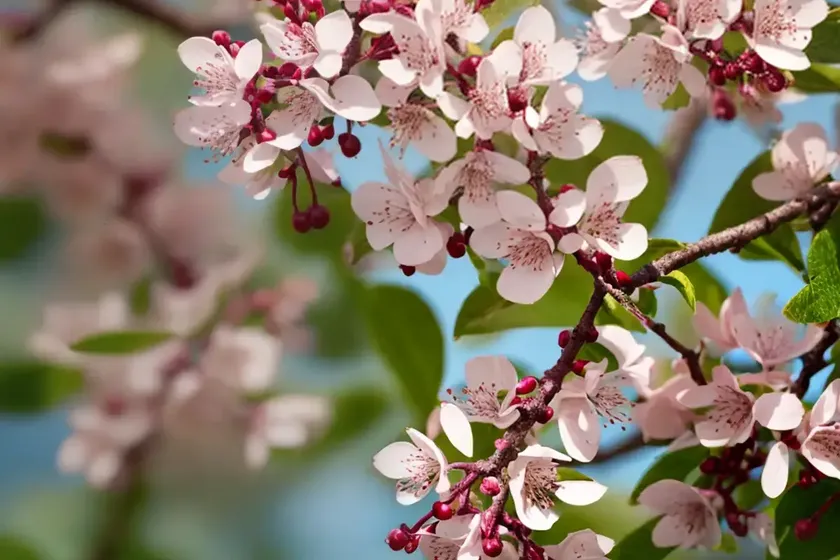
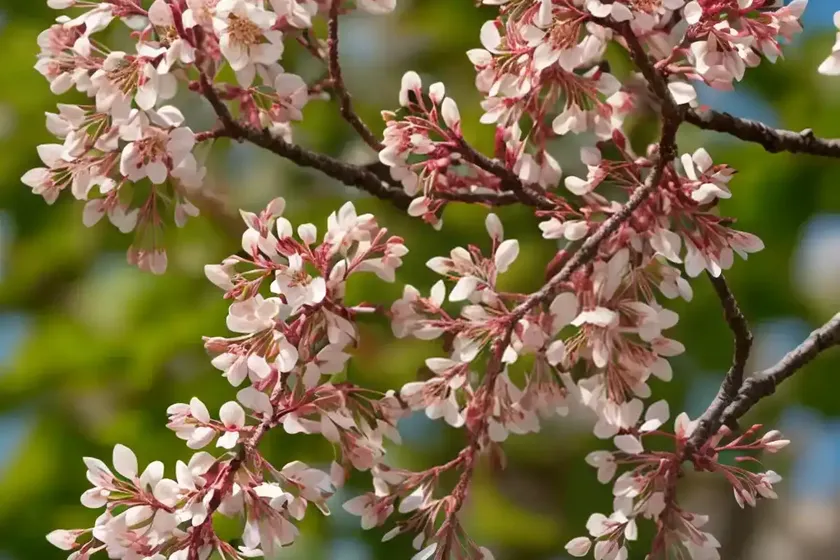
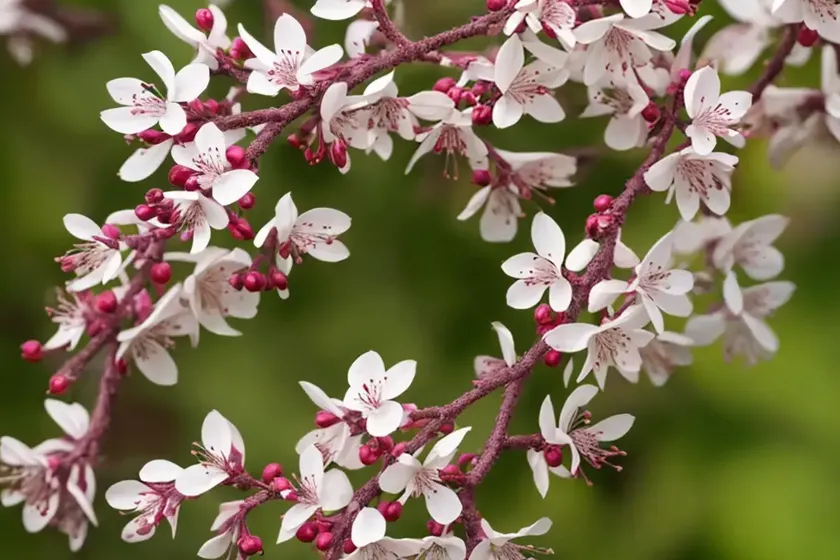
The plant kingdom is a treasure trove of diverse and fascinating species, each with its unique characteristics and potential uses. In this blog post, we will delve into the intricate world of Amelanchier lamarckii, commonly known as Juneberry, and explore its culture, uses, maintenance, and much more from a plant scientist’s viewpoint.
What is Amelanchier Lamarckii (Juneberry)?
Amelanchier lamarckii, also known as Juneberry, serviceberry, or shadbush, is a deciduous, multi-stemmed shrub or small tree that belongs to the Rosaceae family. It is native to North America and can be found in various habitats, including woodlands, open areas, and rocky slopes. This plant is renowned for its ornamental beauty and edible fruits, making it a valuable addition to both natural landscapes and cultivated gardens.
Key Takeaways – Amelanchier Lamarckii (Juneberry)
Before we dive into the specifics of Amelanchier lamarckii, let’s glance at the key takeaways that will be covered in this blog post:
- Cultivation of Amelanchier lamarckii including its cultural preferences such as water, sunlight, fertilizer, and soil requirements.
- Pruning techniques and propagation methods for maintaining and expanding Juneberry plants.
- Issues related to common diseases and pests that affect Amelanchier lamarckii.
- Interesting fun facts and tips from botanists about Juneberry plants.
- External resources for further exploration of Amelanchier lamarckii.
Now, let’s embark on an in-depth exploration of the enchanting world of Amelanchier lamarckii.
Culture
Water
Amelanchier lamarckii prefers well-drained soil and moderate moisture levels. While it is crucial to ensure that the soil is not waterlogged, adequate irrigation is necessary, especially during dry spells or in containers.
Sunlight
This versatile plant thrives in a wide range of light conditions, from full sun to partial shade. However, it tends to produce the best fruit yield when receiving full sun.
Fertilizer
In terms of fertilizer, it is advisable to apply a balanced, slow-release fertilizer in early spring to support healthy growth and fruit development. Prior to applying any fertilizers, it is recommended to conduct a soil test to determine specific nutrient requirements.
Soil
Amelanchier lamarckii displays adaptability to various soil types, including loamy, sandy, and clay soils. However, it flourishes in well-drained, slightly acidic to neutral soils. Amending the soil with organic matter can enhance its fertility and structure, promoting optimal growth.
Uses
Ornamental Value
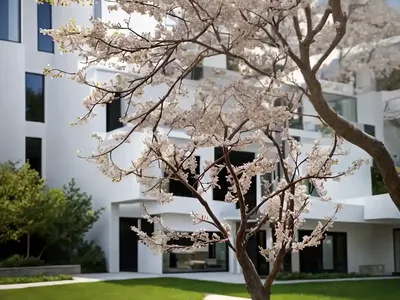
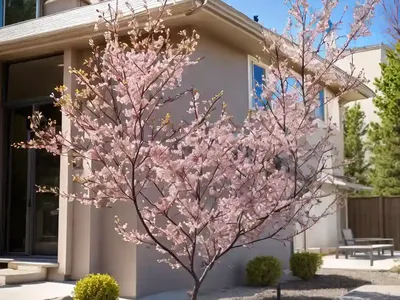
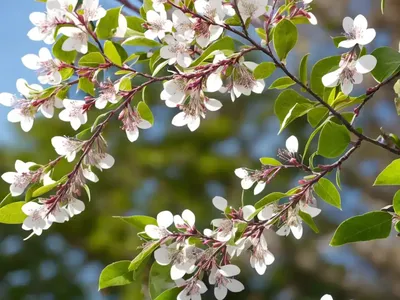
Amelanchier lamarckii is highly esteemed for its ornamental features, including delicate white flowers in spring, vibrant foliage in autumn, and small, edible fruits that attract wildlife. Its graceful appearance makes it an excellent choice for landscaping, providing seasonal interest and visual appeal.
Edible Fruits
The delicious, deep purple to black fruits of Amelanchier lamarckii are not only a treat for wildlife but also for human consumption. They can be utilized in an array of culinary creations, including jams, jellies, pies, and smoothies, owing to their sweet, yet tangy flavor.
Pruning
Pruning is an essential aspect of maintaining the health and aesthetics of Amelanchier lamarckii. It is advisable to carry out pruning during the dormant season to remove any dead, damaged, or crossing branches, thereby promoting better air circulation and overall plant vigor.
Propagation
Amelanchier lamarckii can be propagated through various methods, such as seed sowing, softwood cuttings, and division. Each method offers unique advantages and challenges, and the choice of propagation technique depends on the specific goals and conditions of the gardener or cultivator.
Container Popularity
The compact size and aesthetic appeal of Amelanchier lamarckii make it a sought-after choice for container gardening. This allows individuals with limited outdoor space to enjoy the ornamental beauty and delectable fruits of Juneberry plants.
Common Diseases
Disease Diagnosis
Amelanchier lamarckii is susceptible to several diseases, including powdery mildew, fire blight, and rust. Identification of these diseases and prompt implementation of appropriate control measures are crucial to ensure the plant’s health and vitality.
Common Pests
Pests such as aphids, sawflies, and caterpillars can pose a threat to Amelanchier lamarckii. Regular monitoring and the use of natural predators or insecticidal measures can aid in managing pest populations and safeguarding the plant.
Botanist’s Tips
Fun Facts
- The genus name Amelanchier is derived from the French word amelanche, which refers to the European service tree.
- Juneberries are a favorite food source for birds, contributing to the creation of wildlife-friendly environments.
- Amelanchier lamarckii has a fascinating history of folklore and traditional uses across diverse cultures.
Links to External Resources
For those seeking further exploration and insights into Amelanchier lamarckii, the following external resources offer valuable information and guidance:
- The Royal Horticultural Society – Amelanchier Growing Guide
- University of Missouri Extension – Juneberry for Gardens and Landscapes
- Missouri Botanical Garden – Amelanchier lamarckii Plant Profile
- North Carolina State University – Juneberry Production Guide
By delving into these resources, plant enthusiasts can gain a comprehensive understanding of the cultivation, uses, and maintenance of Amelanchier lamarckii, and expand their horticultural knowledge.
As we conclude our journey into the world of Amelanchier lamarckii (Juneberry), I hope this blog post has provided an enriching and insightful perspective from a plant scientist’s viewpoint. Whether in natural landscapes, urban gardens, or containers, the allure of Juneberry plants truly captivates the hearts and minds of plant aficionados and nature enthusiasts alike.