Amaryllis ‘Red Pearl’ (Hippeastrum)
Amaryllis ‘Red Pearl’, scientifically known as Hippeastrum, is a stunning flowering plant known for its vibrant and eye-catching blooms. This plant has.
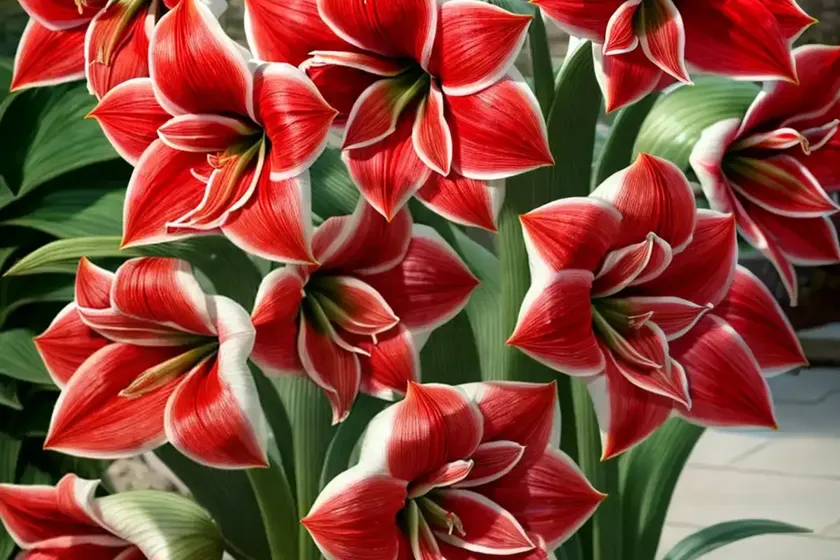
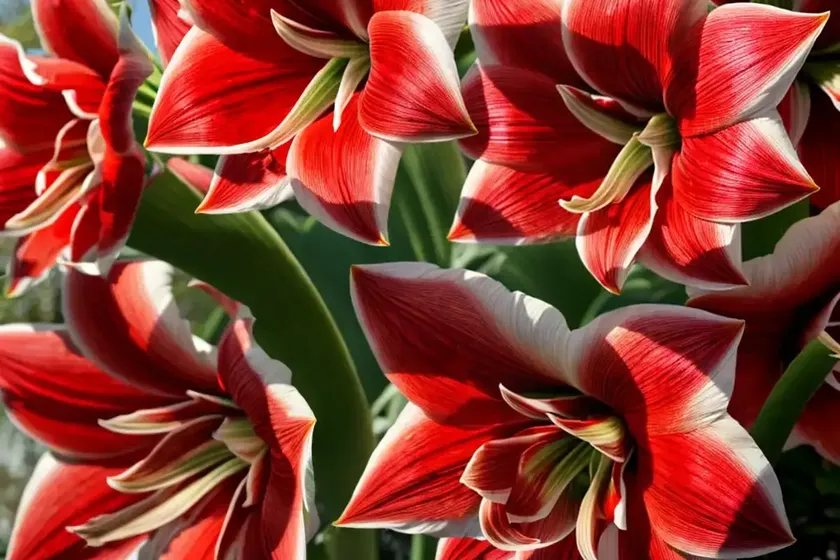
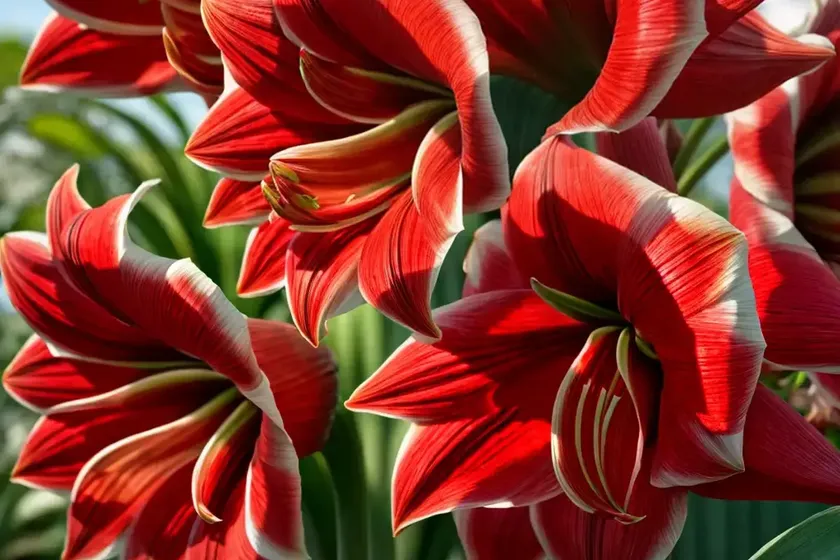
Amaryllis ‘Red Pearl’, scientifically known as Hippeastrum, is a stunning flowering plant known for its vibrant and eye-catching blooms. This plant has gained popularity among both experienced gardeners and beginners due to its relatively easy care requirements and the reward of beautiful, large flowers. In this comprehensive guide, we will delve into the various aspects of caring for Amaryllis ‘Red Pearl’, including its culture, uses, water and sunlight needs, fertilizer and soil requirements, pruning, propagation, common diseases, pests, and much more.
What is Amaryllis ‘Red Pearl’ (Hippeastrum)?
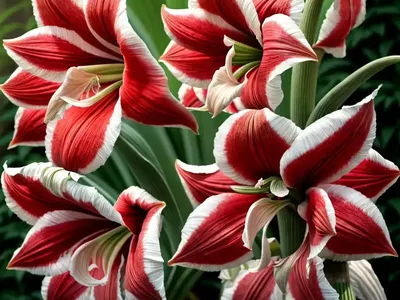
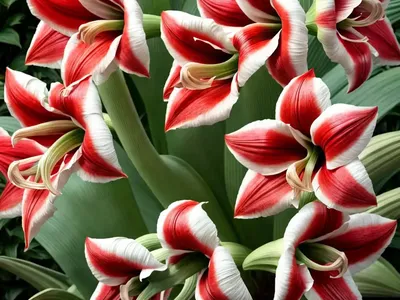
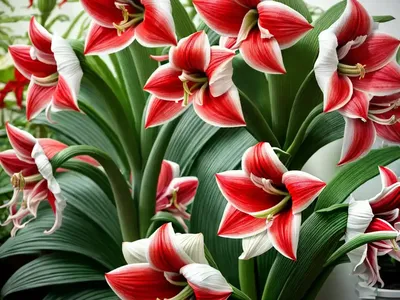
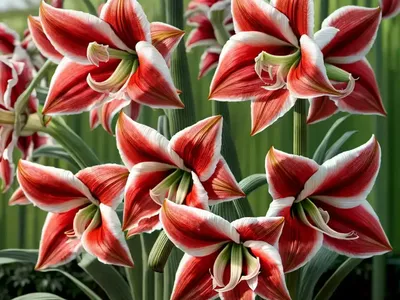
Amaryllis ‘Red Pearl’ is a flowering bulbous plant native to the tropical and subtropical regions of the Americas. It belongs to the genus Hippeastrum, which is a part of the Amaryllidaceae family. This plant produces large, showy blooms that come in a variety of colors, with the ‘Red Pearl’ variety featuring striking red flowers. The trumpet-shaped blooms of Amaryllis ‘Red Pearl’ make it a popular choice for indoor and outdoor cultivation, particularly during the winter months when its vibrant flowers bring cheer and color to homes and gardens.
Key Takeaways – Amaryllis ‘Red Pearl’ (Hippeastrum)
Before we delve into the specifics of caring for Amaryllis ‘Red Pearl’, let’s take a look at the key takeaways of this plant:
- Scientific Name: Hippeastrum ‘Red Pearl’
- Common Name: Amaryllis ‘Red Pearl’
- Family: Amaryllidaceae
- Origin: Tropical and subtropical regions of the Americas
- Growth Habit: Bulbous perennial
- Flower Color: Red
- Blooming Season: Typically blooms in late winter to early spring
- Uses: Ornamental, suitable for indoor and outdoor cultivation
- Popularity: Widely favored for its striking blooms and ease of care
Now, let’s explore the various aspects of caring for Amaryllis ‘Red Pearl’ in detail.
Culture
Understanding the cultural requirements of Amaryllis ‘Red Pearl’ is essential for its successful growth and blooming. This encompasses a range of factors including water, sunlight, fertilizer, soil, and pruning.
Uses
Amaryllis ‘Red Pearl’ is primarily cultivated for its ornamental value. Its large, vibrant blooms make it a popular choice for adding a splash of color to indoor spaces, such as homes, offices, and public areas. Additionally, it is well-suited for outdoor cultivation, where it can be grown in gardens, containers, or as part of mixed plantings.
Water
Proper watering is crucial for the health and vitality of Amaryllis ‘Red Pearl’. Here are some key considerations for watering this plant:
-
Watering Frequency: During the active growth period, water the plant thoroughly whenever the top inch of the soil feels dry to the touch. As the plant transitions to dormancy after blooming, gradually reduce watering to allow the foliage to wither naturally.
-
Watering Technique: When watering, ensure that the water reaches the root zone of the plant. Waterlogged conditions should be avoided as they can lead to root rot.
Sunlight
Adequate sunlight is essential for encouraging blooming and overall growth in Amaryllis ‘Red Pearl’. Consider the following tips for providing optimal sunlight conditions:
-
Light Requirements: Amaryllis ‘Red Pearl’ thrives in bright, indirect light. Position the plant in a location where it receives at least 6 hours of sunlight per day, such as near a south- or west-facing window.
-
Avoid Direct Sun: While the plant enjoys bright light, direct sunlight, especially during the hottest part of the day, should be avoided as it can cause sunburn on the leaves.
Fertilizer
Proper fertilization is key to supporting the growth, blooming, and overall vigor of Amaryllis ‘Red Pearl’. Consider the following guidelines for fertilizing this plant:
-
Fertilization Schedule: Start fertilizing when new growth emerges in the spring. Use a balanced, water-soluble fertilizer with a formulation such as 10-10-10 or 20-20-20. Apply the fertilizer at half strength every 2 to 4 weeks until the end of the blooming period.
-
Reduced Fertilization: As the plant transitions to dormancy after blooming, reduce fertilizer application and cease feeding altogether when the foliage begins to yellow and wither.
Soil
The right soil composition is vital for providing a well-draining, nutrient-rich medium for Amaryllis ‘Red Pearl’ to thrive. Consider the following soil considerations for this plant:
-
Well-Draining Medium: Plant the bulbs in a well-draining potting mix that provides good aeration for the roots. A typical potting mix suitable for Amaryllis ‘Red Pearl’ consists of a blend of peat moss, perlite, and coarse sand.
-
Container Requirements: Use a container with drainage holes to prevent waterlogging, which can lead to root rot. The container should be slightly larger than the bulb to allow for ample root growth.
Pruning
Pruning plays a role in maintaining the health and appearance of Amaryllis ‘Red Pearl’. Here are some tips for pruning this plant:
-
Deadheading: After blooming, remove spent flowers to encourage the plant to focus its energy on bulb development rather than producing seeds.
-
Foliage Care: Allow the foliage to continue growing after flowering, as it helps replenish the bulb for the following blooming season. Trim any yellowing or withering foliage as the plant enters dormancy.
Now that we have covered the cultural aspects of caring for Amaryllis ‘Red Pearl’, let’s move on to propagation…
Read More
Propagation
Propagating Amaryllis ‘Red Pearl’ allows you to expand your collection of these beautiful plants or share them with friends and fellow gardeners. There are several methods of propagation, including offsets, seeds, and bulb division.
Offset Propagation
A common method of propagating Amaryllis ‘Red Pearl’ is through offsets, also known as bulblets, that form at the base of the parent bulb. Here are the basic steps for offset propagation:
-
Wait until the plant has finished blooming and the foliage starts to yellow, indicating the onset of dormancy.
-
Carefully dig up the bulb and separate the offsets from the parent bulb, ensuring that each offset has some root tissue attached.
-
Plant the offsets in individual pots filled with well-draining potting mix, ensuring that the upper one-third of the bulb remains above the soil line.
-
Water the newly planted offsets and place them in a location with bright, indirect light. Resume regular watering and fertilization as the offsets establish themselves.
Seed Propagation
While seed propagation of Amaryllis ‘Red Pearl’ is possible, it is a more time-consuming method compared to offset propagation. Here’s an overview of seed propagation for this plant:
-
Harvest seeds from the mature seed capsules that develop after the blooming period.
-
Sow the seeds in a seed-starting tray or individual containers filled with a well-draining seed-starting mix.
-
Maintain consistent moisture and provide bright, indirect light for the seedlings as they germinate and grow.
-
Transplant the seedlings into individual pots once they have developed a few sets of true leaves, and continue to care for them as mature plants.
Bulb Division
Bulb division is another method that can be used to propagate Amaryllis ‘Red Pearl’. As the plant matures and develops multiple bulbs, it may be divided to create new plants. Here’s how to propagate through bulb division:
-
Wait until the plant enters dormancy, signaled by yellowing and withering foliage.
-
Gently lift the plant from its container and carefully separate the bulbs, ensuring that each division has healthy roots attached.
-
Replant the divided bulbs in individual pots with fresh potting mix, allowing the upper portion of the bulb to remain above the soil level.
-
Care for the divided bulbs as you would for mature plants, providing ample light, water, and periodic fertilization.
By propagating Amaryllis ‘Red Pearl’ using these methods, you can expand your collection of these beautiful plants and share them with fellow enthusiasts.
Read More
Container Popularity
Amaryllis ‘Red Pearl’ is a popular choice for container gardening due to its beautiful blooms and relatively low maintenance requirements. Growing this plant in containers allows for easy mobility, making it an ideal choice for indoor cultivation. Additionally, containers provide excellent drainage and aeration for the plant’s roots, contributing to its overall health and vitality.
Container Size
When selecting a container for Amaryllis ‘Red Pearl’, it is important to choose one that accommodates the size of the bulb and allows for root development. Here are some guidelines for choosing an appropriate container size:
-
Bulb Size: Select a container that provides approximately 1-2 inches of space around the sides of the bulb. This allows ample room for root growth and expansion.
-
Drainage Holes: Ensure that the container has drainage holes to prevent waterlogging, as excess moisture can lead to root rot.
-
Depth: Choose a container with sufficient depth to accommodate the length of the roots as well as provide stability for the plant.
Container Material
Containers for Amaryllis ‘Red Pearl’ are available in a variety of materials, each with its own advantages. Consider the following container materials and their respective features:
-
Terracotta: Terracotta pots are porous, allowing for air and moisture exchange with the surrounding environment. They provide stability for the plant and can help regulate soil moisture.
-
Plastic: Plastic containers are lightweight and durable, making them easy to move and resistant to breakage. They are also available in various colors and styles.
-
Ceramic: Ceramic pots are available in a wide range of designs and colors, adding aesthetic appeal to the display of Amaryllis ‘Red Pearl’. They are typically glazed, retaining moisture well.
-
Fiberglass: Fiberglass containers are lightweight and offer excellent insulation for the plant’s roots. They are available in different shapes and sizes and are resistant to cracking and fading.
With the right container size and material, Amaryllis ‘Red Pearl’ can thrive in a container garden, adding a vibrant touch to indoor and outdoor spaces.
Read More
Common Diseases
While Amaryllis ‘Red Pearl’ is relatively resistant to diseases, it is susceptible to a few common ailments that can impact its growth and appearance. Being aware of these diseases and their symptoms is essential for early detection and appropriate treatment.
Disease Diagnosis
Here are some of the common diseases that can affect Amaryllis ‘Red Pearl’ and their associated symptoms:
-
Leaf Scorch: Symptoms include brown or yellow patches on the leaves, usually caused by exposure to intense sunlight or heat. To remedy this, move the plant to a location with filtered light and ensure adequate watering.
-
Botrytis Blight: This fungal disease presents as brown spots on the leaves, stems, and flowers. To prevent botrytis blight, avoid overhead watering and provide good air circulation around the plant.
-
Leaf Tip Necrosis: Characterized by browning and drying of leaf tips, this condition can result from a buildup of salts in the soil, leading to root damage. Flush the soil thoroughly with water to remove excess salts and adjust the plant’s watering regimen.
-
Cymbidium Mosaic Virus: This viral disease may cause mottled or streaked patterns on the leaves. Unfortunately, there is no cure for viral diseases, so infected plants should be isolated and discarded to prevent further spread.
Disease Prevention
To minimize the risk of diseases affecting Amaryllis ‘Red Pearl’, several preventive measures can be implemented:
-
Proper Watering: Avoid overwatering, as it can create conditions favorable for fungal diseases. Water the plant at the base, directly on the soil, to keep the foliage dry.
-
Good Air Circulation: Ensure adequate air circulation around the plant by providing space between multiple plants and avoiding overcrowding.
-
Sanitary Practices: Sterilize pruning tools before using them on the plant, and promptly remove and dispose of any diseased or dead plant material to prevent the spread of pathogens.
By being vigilant and implementing good cultural practices, it is possible to minimize the incidence of diseases in Amaryllis ‘Red Pearl’ and maintain its health and vibrancy.
Read More
Common Pests
Amaryllis ‘Red Pearl’ is generally resistant to most pests, but there are a few common insects and mites that may pose a threat to the plant. Recognizing the signs of pest infestations and employing appropriate control measures is essential for preserving the plant’s health.
Pest Identification
Here are some of the common pests that may affect Amaryllis ‘Red Pearl’ and their associated signs:
-
Aphids: These small, soft-bodied insects cluster on the undersides of leaves and feed on plant sap. They may cause distortion of new growth and the development of sticky honeydew on the plant.
-
Spider Mites: These tiny arachnids may cause stippling, webbing, and yellowing of the leaves. They thrive in dry, dusty conditions and are more likely to infest indoor plants.
-
Mealybugs: Mealybugs appear as white, cottony masses on the plant, particularly in leaf axils and on new growth. They may cause wilting and yellowing of the foliage.
-
Thrips: Thrips are slender insects that may cause silvery or bronze stippling on the leaves, as well as distorted flower buds and petals.
Pest Control
Controlling pests on Amaryllis ‘Red Pearl’ involves the following measures:
-
Manual Removal: For light infestations, mechnical control, such as spraying pests off with water or physically removing them, can be effective.
-
Insecticidal Soap: A solution of insecticidal soap applied to the affected parts of the plant can help control aphids, spider mites, and mealybugs.
-
Neem Oil: Neem oil is an organic option for controlling pests. It acts as a repellent and insect growth regulator and is effective against a wide range of pests.
-
Horticultural Oil: Horticultural oils suffocate pests by blocking their respiratory system. They can be effective against aphids, mites, and mealybugs.
Regular monitoring of Amaryllis ‘Red Pearl’ for signs of pest activity and prompt intervention can help mitigate pest damage and maintain the plant’s health.
Read More
Botanist’s Tips
As a botanist, I have gathered valuable tips for successfully growing and caring for Amaryllis ‘Red Pearl’. These tips are based on scientific knowledge and practical experience and can help you achieve beautiful blooms and healthy plant growth.
Quick Tips for Success
Here are some helpful tips for successful cultivation of Amaryllis ‘Red Pearl’:
-
Choose Quality Bulbs: Start with high-quality bulbs from reputable sources to ensure healthy and vigorous plants.
-
Provide Ample Light: Place the plant in a location where it receives bright, indirect light for optimal blooming and foliage growth.
-
Avoid Overwatering: Allow the soil to dry out slightly between waterings to prevent waterlogged conditions and potential root rot.
-
Promote Dormancy: After blooming, gradually reduce watering and cease fertilization to allow the plant to enter dormancy and conserve energy.
-
Monitor for Pests and Diseases: Regularly inspect the plant for signs of pests and diseases, and take prompt action to address any issues.
-
Rotate the Pot: Rotate the pot occasionally to ensure even exposure to light and promote symmetrical growth of the plant.
By following these tips, you can enhance the overall health and beauty of your Amaryllis ‘Red Pearl’ plants and enjoy a rewarding gardening experience.
Read More
Fun Facts
Lastly, let’s explore some fun and interesting facts about Amaryllis ‘Red Pearl’ that showcase its unique characteristics and appeal as a garden and indoor plant:
-
Amaryllis ‘Red Pearl’ is a popular choice for holiday gift-giving due to its ability to bloom indoors during the winter months, bringing cheer and color to homes.
-
The name “Amaryllis” is derived from a shepherdess in ancient Greek poetry, representing pastoral beauty.
-
Amaryllis ‘Red Pearl’ bulbs can be stored and replanted for subsequent years, allowing for the enjoyment of its beautiful blooms over multiple seasons.
-
Cultivating Amaryllis ‘Red Pearl’ from seed allows for the development of unique color variations and hybrids, adding to the diversity of this plant species.
-
The trumpet-shaped blooms of Amaryllis ‘Red Pearl’ can measure up to 8 inches in diameter, creating a stunning display of color and form.
-
Due to its ease of care and striking blooms, Amaryllis ‘Red Pearl’ has become a popular choice for both novice and experienced gardeners, adding beauty to a range of indoor and outdoor settings.
With its rich history, diverse colors, and remarkable beauty, Amaryllis ‘Red Pearl’ continues to captivate plant enthusiasts and bring joy to gardening enthusiasts around the world.
Read More
Links to External Resources
For further information and resources related to Amaryllis ‘Red Pearl’ care, propagation, and cultivation, consider exploring the following links:
- Royal Horticultural Society – Growing Amaryllis
- University of Florida IFAS Extension – Hippeastrum Production
- American Society for the Prevention of Cruelty to Animals – Amaryllis Toxicity
- Peninsula Horticultural Society – Amaryllis Care Guide
These resources provide valuable insights, guidelines, and research-based information on Amaryllis ‘Red Pearl’, enhancing your understanding and care of this captivating plant.
In conclusion, Amaryllis ‘Red Pearl’ (Hippeastrum) is a striking and rewarding plant that offers an abundance of beautiful blooms and relatively straightforward care requirements. Whether grown indoors or outdoors, this plant adds vibrancy and elegance to any setting, making it a popular choice for gardeners and plant enthusiasts. By understanding its cultural needs, propagation methods, and best practices for care, you can cultivate thriving Amaryllis ‘Red Pearl’ plants and enjoy their stunning flowers year after year.
Remember that the key to