Amaryllis ‘Rosalie’ (Hippeastrum)
Plants have always been an inseparable part of human culture and lifestyle. Whether for their aesthetic appeal or ecological benefits, plants have an.
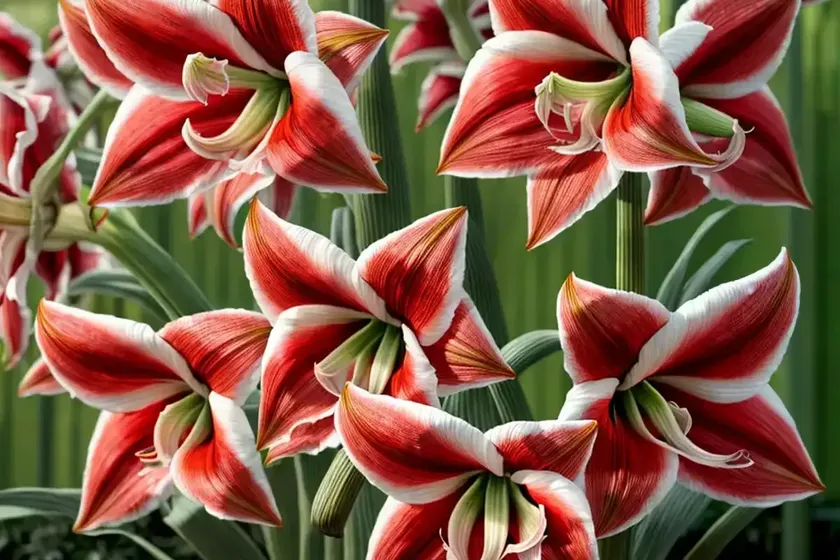
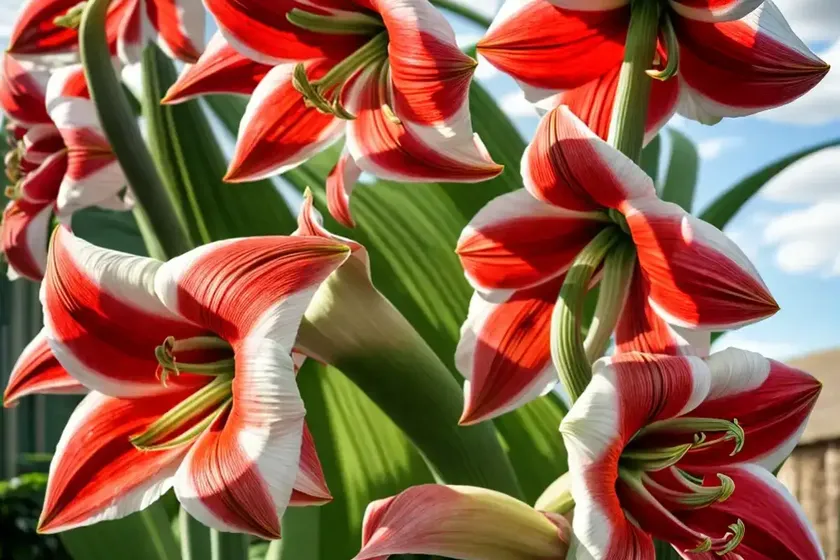
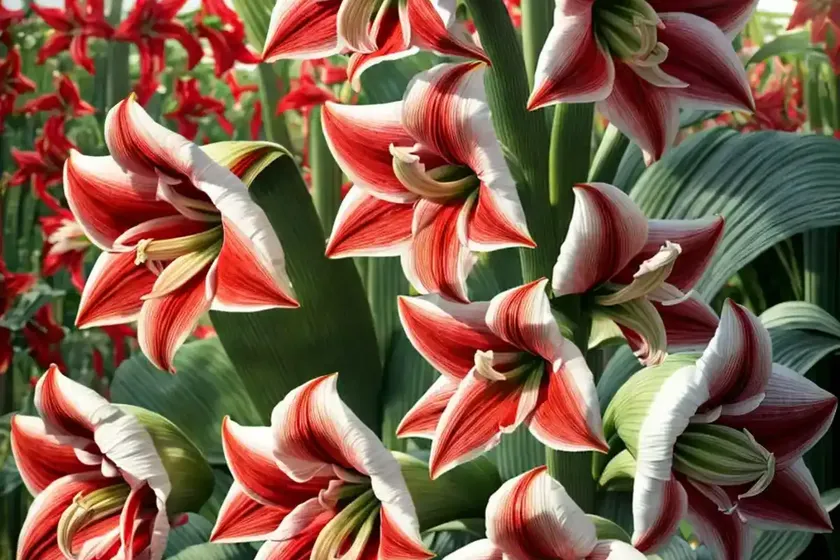
Plants have always been an inseparable part of human culture and lifestyle. Whether for their aesthetic appeal or ecological benefits, plants have an irreplaceable role in our lives. One such plant that has garnered attention for its stunning beauty and relatively simple care requirements is the Amaryllis ‘Rosalie’ (Hippeastrum). In this comprehensive guide, we will delve into the nuances of caring for the Amaryllis ‘Rosalie’, covering its culture, uses, care requirements, common diseases, pests, propagation, and more.
What is Amaryllis ‘Rosalie’ (Hippeastrum)?
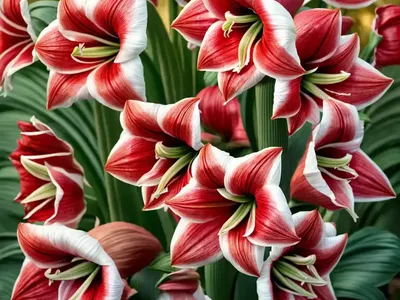
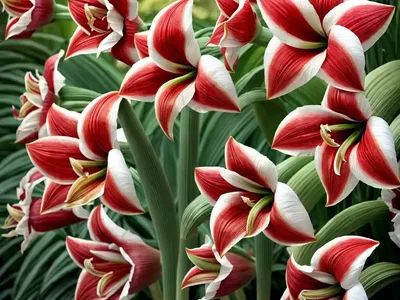
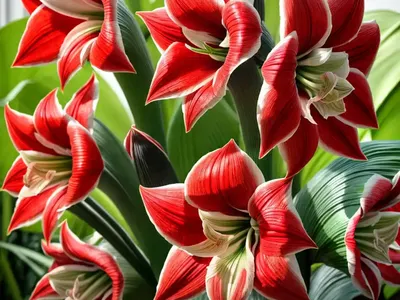
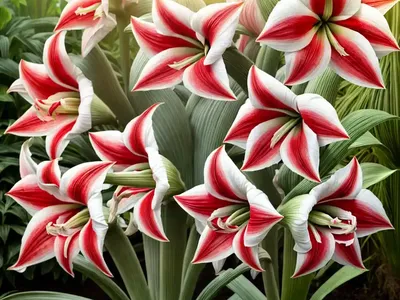
The Amaryllis ‘Rosalie’ (Hippeastrum) is a perennial bulbous plant that belongs to the Amaryllidaceae family. It is native to the tropical and subtropical regions of the Americas, particularly Argentina and Brazil. Known for its striking, trumpet-shaped flowers, the Amaryllis ‘Rosalie’ is a popular choice for both indoor and outdoor cultivation. The genus name “Hippeastrum” is of Greek origin, meaning “knight’s star” or “knight’s flower,” which aptly describes the majestic blooms it produces.
Key Takeaways – Amaryllis ‘Rosalie’ (Hippeastrum)
To provide a comprehensive overview of the Amaryllis ‘Rosalie’ and its care requirements, it is crucial to understand its key characteristics and the factors that influence its growth and well-being. The following key takeaways will guide our exploration of this beautiful plant:
Amaryllis ‘Rosalie’ Care
– Understanding the specific care needs, including watering, sunlight, fertilization, and soil requirements.
– Exploring the propagation methods and container gardening considerations for Amaryllis ‘Rosalie’.
– Identifying its natural habitat, mature size, and hardiness zones.
– Discovering the uses, landscape applications, and cultural significance of Amaryllis ‘Rosalie’.
By addressing these key takeaways, we can equip plant enthusiasts and cultivators with the knowledge necessary to nurture and appreciate the Amaryllis ‘Rosalie’ to its fullest potential.
Now, let’s embark on a detailed exploration of the culture, care, and interesting facts surrounding the Amaryllis ‘Rosalie’ (Hippeastrum).
Culture: Amaryllis ‘Rosalie’
Cultivating the Amaryllis ‘Rosalie’ encompasses an appreciation for its natural habitat, its adaptability to human environments, and the preferences that dictate its optimal growth. Understanding the cultural context of this plant is integral to providing it with the care it requires.
Uses
The Amaryllis ‘Rosalie’ is primarily sought after for its aesthetic appeal. Its large, showy flowers make it an ideal choice for decoration and ornamentation. They are often grown indoors to brighten up living spaces during the winter months, and their elegance and vibrancy make them a popular choice for gifting and floral arrangements.
In addition to its ornamental uses, the Amaryllis ‘Rosalie’ also holds cultural significance in various traditions and celebrations. From symbolizing love and beauty to being associated with the festive spirit, the uses of Amaryllis ‘Rosalie’ extend beyond mere adornment.
Water
Proper watering is crucial for the health and vitality of the Amaryllis ‘Rosalie’. As a general guideline, the soil should be kept consistently moist but not waterlogged, especially during the growing season. Avoid overwatering, as this can lead to rotting of the bulbs. On the other hand, allowing the soil to dry out completely may hinder the plant’s growth and flowering.
Amaryllis ‘Rosalie’ Watering Requirements:
– Maintain slightly moist soil during the growing season.
– Reduce watering after flowering and allow the soil to dry out to induce dormancy.
– Gradually resume watering when new growth appears to initiate the next blooming cycle.
Sunlight
The Amaryllis ‘Rosalie’ thrives in bright, indirect light. While it can tolerate some direct sunlight, prolonged exposure to intense sun rays may cause leaf scorching. As a primarily indoor plant, it is essential to position the Amaryllis ‘Rosalie’ where it can receive ample natural light without being subjected to harsh, direct rays for extended periods.
Amaryllis ‘Rosalie’ Sunlight Preferences:
– Place in a well-lit area with indirect sunlight, such as near a south or west-facing window.
– Rotate the plant periodically to promote even growth and prevent leaning towards the light source.
– Provide light shade during the hottest hours of the day to prevent sun damage.
Fertilizer
To support its vigorous growth and blooming potential, the Amaryllis ‘Rosalie’ benefits from regular fertilization during its active phases. A balanced, water-soluble fertilizer with a higher phosphorus content is recommended to encourage robust flowering and bulb development.
Hippeastrum ‘Rosalie’ Fertilizing Needs:
– Begin fertilizing in early spring as new growth emerges.
– Use a diluted, balanced fertilizer every two to four weeks during the growing season.
– Gradually reduce fertilization as the plant enters its dormancy phase.
Soil
The soil requirements for Amaryllis ‘Rosalie’ center around providing adequate drainage while retaining sufficient moisture and nutrients. A well-draining potting mix with a slightly acidic to neutral pH range is favorable for optimal growth. The use of organic matter in the soil mix aids in moisture retention and root development.
Amaryllis ‘Rosalie’ Potting Soil:
– Choose a well-draining potting mix that is rich in organic matter, such as peat moss or compost.
– Incorporate perlite or coarse sand to improve drainage and aeration.
– Avoid waterlogged or compacted soil, as this can lead to root rot and other fungal diseases.
Pruning
Proper pruning is essential for maintaining the health and aesthetics of the Amaryllis ‘Rosalie’. While this plant does not require extensive pruning, occasional removal of spent flowers and brown, withered foliage helps redirect its energy towards new growth and flowering.
Amaryllis ‘Rosalie’ Pruning:
– Deadhead spent flowers to promote continuous blooming.
– Trim yellowing or dried leaves close to the base of the plant to prevent disease spread.
– Avoid cutting back green, healthy foliage, as this can hinder the plant’s ability to photosynthesize and store energy in the bulbs.
Propagation
The propagation of Amaryllis ‘Rosalie’ is commonly achieved through offsets or bulb division. This allows for the creation of new plants that retain the genetic traits and characteristics of the parent plant. By understanding the propagation methods, enthusiasts can expand their collection of Amaryllis ‘Rosalie’ and share its beauty with others.
Amaryllis ‘Rosalie’ Propagation Methods:
– Separate bulblets or offsets from the parent bulb when repotting or dividing.
– Ensure that each offset has its own roots and is viable for independent growth.
– Plant the offsets in individual containers with suitable soil and provide the same care as mature plants.
Container Gardening
Growing Amaryllis ‘Rosalie’ in containers offers practical benefits, especially for indoor cultivation. The use of containers allows for greater control over the plant’s environment and enables versatile placement throughout living spaces. Selecting the appropriate container and understanding its role in the plant’s growth are vital aspects of container gardening for the Amaryllis ‘Rosalie’.
Amaryllis ‘Rosalie’ Container Size Requirements:
– Choose a container that provides ample room for root growth and stability.
– Ensure that the container has drainage holes to prevent water accumulation.
– Utilize well-draining soil to promote healthy root development and prevent waterlogging.
Popularity
The Amaryllis ‘Rosalie’ has gained significant popularity among enthusiasts and novice gardeners alike due to its stunning blooms and relatively low maintenance requirements. Its ability to thrive in indoor environments, combined with the visual impact of its flowers, has positioned it as a favored choice for those seeking to introduce a touch of natural elegance into their homes.
Common Diseases
Concerns about potential diseases affecting the Amaryllis ‘Rosalie’ prompt the need for vigilance and preventive measures. By identifying and understanding common diseases that may afflict the plant, cultivators can take proactive steps to maintain its health and vitality.
Amaryllis ‘Rosalie’ Common Diseases:
– Red Blotch: A fungal disease characterized by reddish-brown lesions on leaves and stems.
– Bulb Rot: Caused by excessive soil moisture, leading to the rotting of bulbs and roots.
– Leaf Scorch: Resulting from prolonged exposure to intense sunlight, leading to yellowing and browning of foliage.
Disease Diagnosis
Through careful observation and prompt intervention, the early diagnosis of diseases in the Amaryllis ‘Rosalie’ is crucial for effective treatment. Vigilance and knowledge of disease symptoms enable timely action to mitigate the impact of diseases and prevent their spread.
Diagnosing Amaryllis ‘Rosalie’ Diseases:
– Monitor changes in foliage color, texture, and vigor.
– Inspect the bulbs and roots for signs of decay or discoloration.
– Seek professional guidance if unfamiliar or severe symptoms manifest in the plant.
Common Pests
Pests, though less common, may occasionally target the Amaryllis ‘Rosalie’. Being aware of potential pests and their impact on the plant empowers cultivators to implement targeted pest control measures and safeguard the plant’s well-being.
Hippeastrum ‘Rosalie’ Common Pests:
– Spider Mites: Tiny arachnids that infest the undersides of leaves, causing stippling and webbing.
– Aphids: Small, sap-sucking insects that congregate on new growth, leading to leaf distortion and stunted growth.
– Mealybugs: Soft-bodied insects that secrete a powdery, waxy substance and weaken the plant through sap extraction.
Botanist’s Tips
Key insights from botanists and experienced growers provide valuable guidance for nurturing the Amaryllis ‘Rosalie’ to its full potential. These tips encompass anecdotal observations, practical advice, and scientific knowledge that contribute to the overall understanding and care of this remarkable plant.
Fun Facts
- While often associated with the winter season, the Amaryllis ‘Rosalie’ can be induced to bloom at various times throughout the year, depending on its growth cycle and environmental conditions.
- The Amaryllis ‘Rosalie’ is not a true Amaryllis in the botanical sense, as it belongs to the Hippeastrum genus. True Amaryllis plants are classified under the genus Amaryllis in the Amaryllidaceae family.
Links to External Resources
For individuals seeking further information and resources on Amaryllis ‘Rosalie’ and related topics, the following external links provide additional insights and perspectives from reputable sources:
- Royal Horticultural Society – Hippeastrum care guide
- University of Florida IFAS Extension – Amaryllis care and propagation
- American Society for the Prevention of Cruelty to Amaryllis – ASPCA guide to Amaryllis safety for pets
- Missouri Botanical Garden – Hippeastrum plant profile
- North Carolina State University – Amaryllis as a cut flower
In the next section, we will delve into the in-depth exploration of additional aspects surrounding the Amaryllis ‘Rosalie’ and further expand our understanding of this captivating plant. Stay tuned as we unravel more about its significance in gardening, natural habitat, and health benefits.
Stay tuned for the next part of our Amaryllis ‘Rosalie’ (Hippeastrum) care guide, where we explore its significance in gardening, natural habitat, and health benefits.
This blog post aims to provide comprehensive insights and guidance on the Amaryllis ‘Rosalie’ (Hippeastrum) plant, covering various aspects of its culture, care, uses, and interesting facts. To ensure a thorough understanding of this captivating plant, we will continue our exploration in the subsequent section.