Amaryllis ‘Lagoon’ (Hippeastrum)
The Amaryllis ‘Lagoon’ (Hippeastrum) is a stunning flowering plant that is popular for its large, trumpet-shaped flowers. As a plant scientist, I am highly.
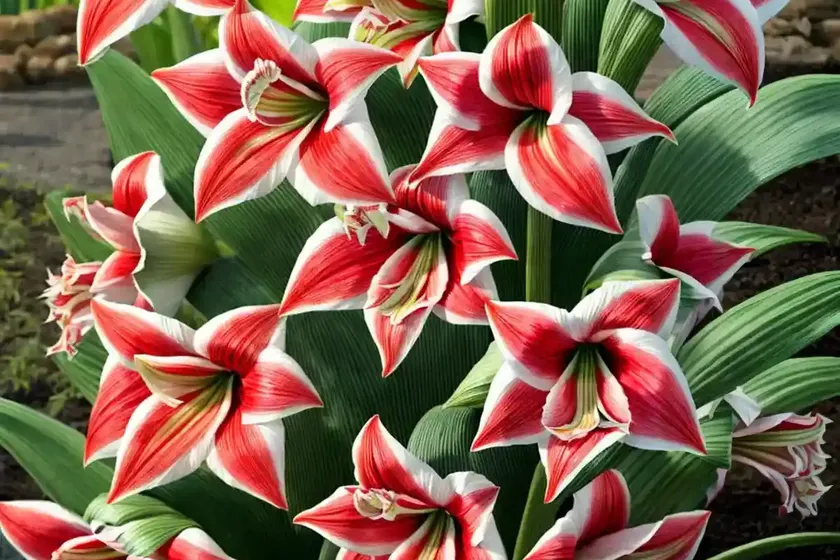
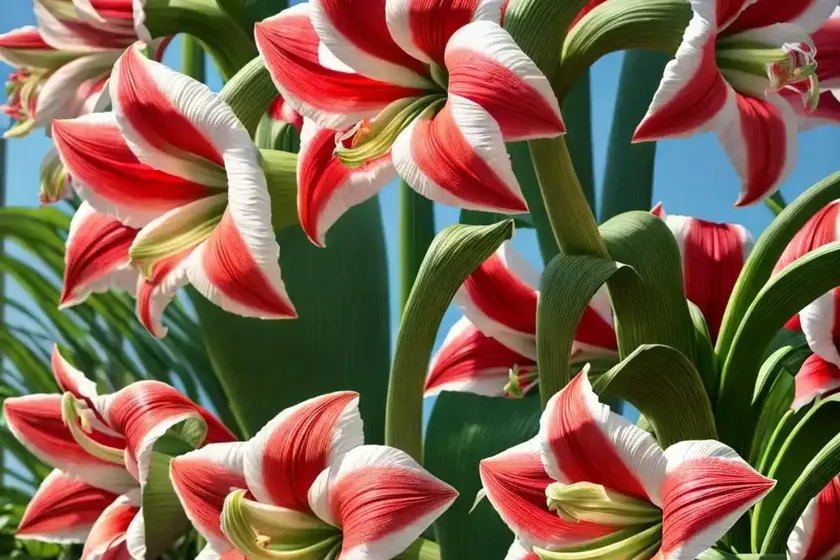
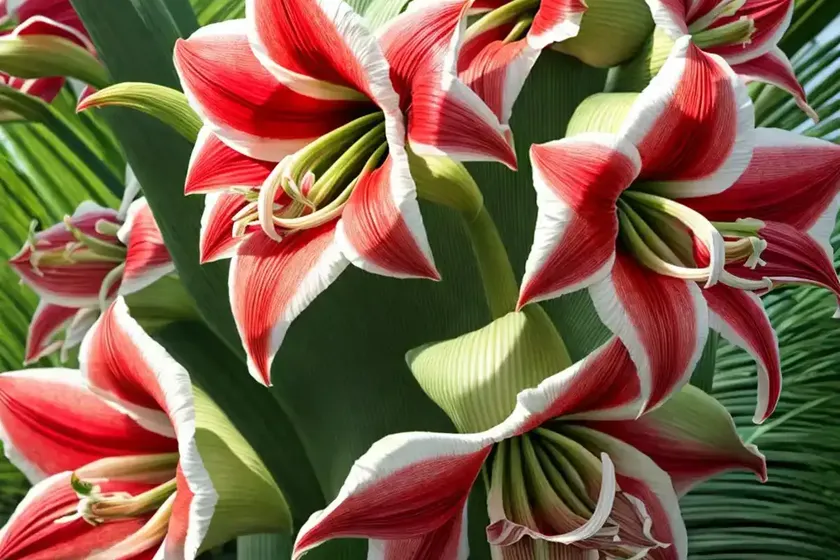
The Amaryllis ‘Lagoon’ (Hippeastrum) is a stunning flowering plant that is popular for its large, trumpet-shaped flowers. As a plant scientist, I am highly fascinated by the intricacies of this beautiful plant. In this comprehensive guide, I will provide you with a wealth of information on the care, cultivation, and management of Amaryllis ‘Lagoon’ (Hippeastrum). By the end of this guide, you will be equipped with the knowledge and skills to grow and nurture this remarkable plant effectively.
What is Amaryllis ‘Lagoon’ (Hippeastrum)?
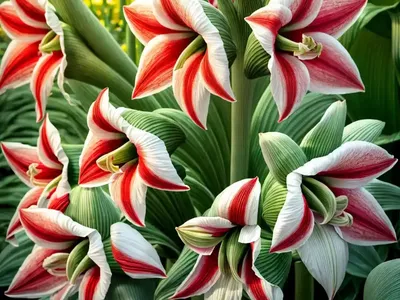
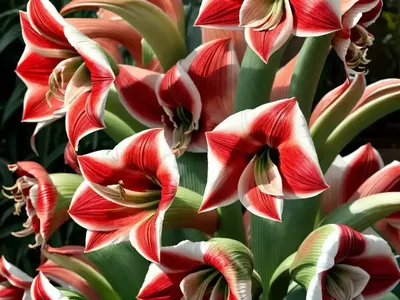
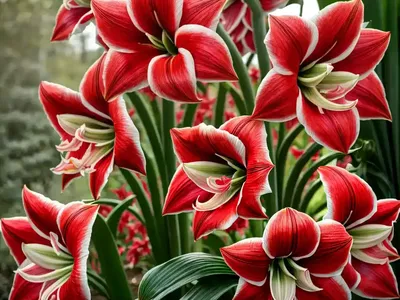
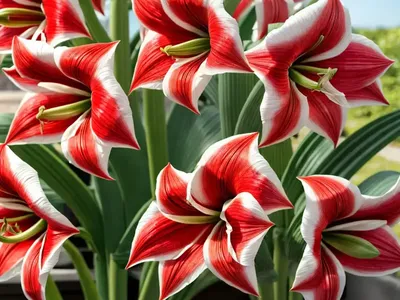
The Amaryllis ‘Lagoon’ (Hippeastrum) is a bulbous flowering plant that belongs to the Amaryllidaceae family. It is renowned for its striking blooms, which come in a variety of shades including red, pink, white, and bi-colored variations. The plant produces tall, elegant flower stalks that bear multiple blooms, making it a popular choice for indoor and outdoor gardens.
Plant Specifications:
– Common Name: Amaryllis ‘Lagoon’
– Botanical Name: Hippeastrum
– Plant Type: Perennial bulb
– Flower Color: Red, pink, white, bi-colored
– Bloom Time: Winter to early spring
– USDA Hardiness Zones: 8-10
– Native Habitat: Central and South America
Key Takeaways – Amaryllis ‘Lagoon’ (Hippeastrum)
Before delving into the specific care requirements of the Amaryllis ‘Lagoon’ (Hippeastrum), let’s explore the key takeaways that will provide a comprehensive overview of the plant.
Culture
- The Amaryllis ‘Lagoon’ (Hippeastrum) is primarily grown for its spectacular flowers, making it a popular choice for both indoor and outdoor cultivation.
- The plant is relatively low-maintenance and can thrive in a range of environments, provided that its basic needs are met.
Uses
- A popular choice for adding vibrant color and elegance to indoor spaces, including homes and offices.
- Well-suited for outdoor garden beds, borders, and containers, especially during the winter and early spring when it blooms.
Now, let’s explore the specific care requirements for the successful cultivation of Amaryllis ‘Lagoon’ (Hippeastrum).
Water
Proper watering is essential for the health and vitality of Amaryllis ‘Lagoon’ (Hippeastrum). Here are some important considerations for watering this plant:
- Soil Moisture: Amaryllis ‘Lagoon’ (Hippeastrum) prefers well-draining soil to prevent waterlogging, which can lead to root rot. Ensure that the soil is moist but not waterlogged.
- Watering Frequency: During the active growing season, water the plant thoroughly when the top inch of soil feels dry to the touch. Allow excess water to drain away, and avoid letting the plant sit in standing water.
- Reduced Watering: Once the plant has finished flowering, gradually reduce the frequency of watering to allow the bulbs to enter a dormant phase. During dormancy, water sparingly to prevent the bulbs from rotting.
Sunlight
When it comes to sunlight requirements, the Amaryllis ‘Lagoon’ (Hippeastrum) has specific needs that should be met for optimal growth and flowering:
- Light Exposure: The plant thrives in bright, indirect light. Place it near a window where it can receive ample sunlight without being exposed to direct midday sun, which may scorch the leaves.
- Outdoor Cultivation: In outdoor garden beds or containers, choose a location that provides partial shade, especially during the hottest part of the day. Protect the plant from intense afternoon sun to prevent leaf damage.
Fertilizer
Proper fertilization is crucial for promoting healthy growth and abundant flowering in Amaryllis ‘Lagoon’ (Hippeastrum):
- Fertilizer Type: Use a balanced, water-soluble fertilizer with an N-P-K ratio of 10-10-10 or similar formulation. This will provide the plant with essential nutrients for strong foliage and vibrant blooms.
- Fertilization Schedule: Begin fertilizing the plant in early spring as soon as new growth emerges. Continue to fertilize every 2-4 weeks throughout the active growing season. Cease fertilization as the plant enters dormancy.
Now that we have covered the essential care requirements for watering, sunlight, and fertilization, let’s shift our focus to soil, pruning, propagation, and container gardening for Amaryllis ‘Lagoon’ (Hippeastrum).
Soil
The choice of soil is pivotal in ensuring the health and vigor of Amaryllis ‘Lagoon’ (Hippeastrum). Here’s what you need to know about selecting and preparing the right soil for this plant:
- Well-Draining Soil: Amaryllis ‘Lagoon’ (Hippeastrum) thrives in well-draining, fertile soil. Choose a high-quality potting mix that is specifically formulated for bulbs or amend the soil with organic matter to enhance drainage.
- Pot Size: Select a pot with adequate drainage holes to prevent waterlogging. The pot should allow for some room for the bulbs to grow and expand.
- Soil pH: A slightly acidic to neutral soil pH in the range of 6.0-7.0 is favorable for Amaryllis ‘Lagoon’ (Hippeastrum). Test the soil pH if necessary and make adjustments using suitable amendments.
Pruning
Understanding the principles of pruning is valuable for maintaining the appearance and vitality of Amaryllis ‘Lagoon’ (Hippeastrum):
- Flower Stalk Removal: After the plant has finished flowering, carefully trim the spent flower stalks to prevent seed formation. This encourages the plant to redirect its energy towards bulb development and the growth of new foliage.
- Leaf Maintenance: It is essential to retain healthy green foliage on the plant throughout the growing season. Remove any yellowing or withering leaves with clean, sharp scissors to maintain the plant’s vigor.
Propagation
While Amaryllis ‘Lagoon’ (Hippeastrum) is primarily propagated from bulbs, it is also possible to propagate the plant through offsets or seeds:
- Bulb Division: When the plant becomes crowded or produces multiple offsets, the bulbs can be carefully divided and replanted to create new plants. Ensure that each division has sufficient roots and viable growth points.
- Offset Removal: If the plant produces offsets or “pups,” carefully separate them from the parent bulb once they have developed their own roots and shoots. This allows for the propagation of multiple plants from a single parent.
Container Gardening
Amaryllis ‘Lagoon’ (Hippeastrum) is well-suited for container cultivation, whether indoors or in outdoor settings. Consider the following tips for successful container gardening with this plant:
- Container Selection: Choose a sturdy, well-draining container that accommodates the size and growth habits of the plant. Ensure that the container has sufficient drainage holes to prevent water accumulation.
- Potting Mix: Use a high-quality, well-draining potting mix formulated for bulbs or incorporate perlite and coarse sand to improve drainage and aeration.
- Indoor Placement: For indoor cultivation, place the container near a window that receives bright, indirect light. Rotate the container periodically to promote even growth and prevent leaning towards the light source.
Now that we have covered the core aspects of care and cultivation for Amaryllis ‘Lagoon’ (Hippeastrum), let’s delve into its popularity, common diseases, pests, and additional insights from a botanist’s perspective.
Popularity
The Amaryllis ‘Lagoon’ (Hippeastrum) is celebrated for its exceptional beauty and versatility, contributing to its widespread popularity among plant enthusiasts and horticulturists alike:
- Indoor Décor: The plant is a favorite choice for adding a touch of elegance and color to indoor spaces, including homes, offices, and public areas.
- Gift Plant: Amaryllis ‘Lagoon’ (Hippeastrum) is often selected as a thoughtful and enduring gift due to its striking blooms and relatively low maintenance requirements.
Common Diseases
While Amaryllis ‘Lagoon’ (Hippeastrum) is generally resilient, it is important to be vigilant for signs of common diseases that may affect the plant:
- Gray Mold (Botrytis cinerea): This fungal disease can cause browning and wilting of foliage and flowers, especially in humid conditions. Improve air circulation and avoid overwatering to prevent the development of gray mold.
- Leaf Blight (Stagonospora curtisii): Leaf blight can manifest as irregular brown spots on the foliage, potentially leading to leaf dieback. Remove affected leaves and consider applying a fungicidal treatment if the condition persists.
Disease Diagnosis
Prompt diagnosis and intervention are pivotal in the management of plant diseases. Here are some key steps for effectively diagnosing and addressing potential diseases in Amaryllis ‘Lagoon’ (Hippeastrum):
- Symptom Observation: Monitor the plant regularly for any changes in foliage color, texture, or structure. Look for spots, lesions, wilting, or abnormal growth patterns.
- Pathogen Identification: If disease symptoms are observed, carefully examine the affected plant parts and, if possible, submit samples to a horticultural extension service or diagnostic laboratory for pathogen identification.
Common Pests
Amaryllis ‘Lagoon’ (Hippeastrum) may be susceptible to certain pests that can affect its growth and overall health. Understanding these pests and their management is essential for ensuring the well-being of the plant:
- Aphids: These small, sap-sucking insects can infest the foliage and flower buds, causing distortion and wilting. Use a forceful stream of water to dislodge aphids or apply insecticidal soap as a targeted treatment.
- Spider Mites: Spider mites are tiny arachnids that can cause stippling and webbing on the foliage. Increase humidity and periodically mist the plant to deter spider mites. Consider using insecticidal oils as a control measure.
Now that we have explored the management of common diseases and pests, let’s glean insights from a botanist’s perspective, uncover fun facts about Amaryllis ‘Lagoon’ (Hippeastrum), and provide additional resources to enrich your understanding of this remarkable plant.
Botanist’s Tips
As a plant scientist with a passion for Amaryllis ‘Lagoon’ (Hippeastrum), I offer the following tips to enhance your success in cultivating and enjoying this captivating plant:
- Dormancy Care: During the plant’s dormant phase, withhold watering and allow the foliage to naturally wither and yellow. This period of rest is essential for the bulbs to replenish energy for the next flowering cycle.
- Year-Round Maintenance: While the plant blooms in winter to early spring, it requires consistent care throughout the year. Regularly assess the plant’s watering, sunlight, and fertilization needs to foster strong growth and flowering.
Fun Facts
Delving into the world of Amaryllis ‘Lagoon’ (Hippeastrum) unveils fascinating insights and unique attributes that contribute to its allure:
- Historical Significance: The term “Amaryllis” has ancient Greek origins and is associated with pastoral poetry and lovelorn shepherdesses.
- Cultural Symbolism: Amaryllis ‘Lagoon’ (Hippeastrum) is often linked to themes of pride, determination, and radiant beauty, adding depth to its symbolism in various cultures.
Links to External Resources
To further enrich your knowledge and appreciation of Amaryllis ‘Lagoon’ (Hippeastrum), consider exploring the following external resources:
- American Horticultural Society
- The Royal Horticultural Society
- The American Phytopathological Society
In conclusion, the Amaryllis ‘Lagoon’ (Hippeastrum) stands as a captivating and rewarding plant to cultivate, offering exquisite blooms and an array of cultivation possibilities. By understanding and implementing the care guidelines presented in this guide, you can embark on a journey of successful Amaryllis ‘Lagoon’ (Hippeastrum) cultivation, whether indoors or in the outdoor garden. As you engage with this remarkable plant, may its vibrant blooms and enduring beauty bring joy and inspiration to your horticultural pursuits.
Keywords: Amaryllis ‘Lagoon’ (Hippeastrum) care guide, Growing Amaryllis ‘Lagoon’ (Hippeastrum) indoors, Amaryllis ‘Lagoon’ (Hippeastrum) plant profile, How to care for Amaryllis ‘Lagoon’ (Hippeastrum) bulbs, Amaryllis ‘Lagoon’ (Hippeastrum) planting tips, Amaryllis ‘Lagoon’ (Hippeastrum) propagation methods, Amaryllis ‘Lagoon’ (Hippeastrum) flowering season, Amaryllis ‘Lagoon’ (Hippeastrum) sunlight requirements, Amaryllis ‘Lagoon’ (Hippeastrum) watering tips, Amaryllis ‘Lagoon’ (Hippeastrum) fertilization techniques, Amaryllis ‘Lagoon’ (Hippeastrum) pest and disease management, Amaryllis ‘Lagoon’ (Hippeastrum) potting and repotting guide, Amaryllis ‘Lagoon’ (Hippeastrum) leaf care, Amaryllis ‘Lagoon’ (Hippeastrum) blooming stages, Amaryllis ‘Lagoon’ (Hippeastrum) winter care tips, Amaryllis ‘Lagoon’ (Hippeastrum) humidity preferences, Amaryllis ‘Lagoon’ (Hippeastrum) pruning techniques, Amaryllis ‘Lagoon’ (Hippeastrum) companion plants, Amaryllis ‘Lagoon’ (Hippeastrum) container gardening ideas, Amaryllis ‘Lagoon’ (Hippeastrum) bulb storage methods, Amaryllis ‘Lagoon’ (Hippeastrum) pot selection guide, Amaryllis ‘Lagoon’ (Hippeastrum) repurposing ideas, Amaryllis ‘Lagoon’ (Hippeastrum) decorative uses, Amaryllis ‘Lagoon’ (Hippeastrum) garden landscaping ideas, Amaryllis ‘Lagoon’ (Hippeastrum) indoor-outdoor transition tips, Amaryllis ‘Lagoon’ (Hippeastrum) pruning for better blooms, Amaryllis ‘Lagoon’ (Hippeastrum) foliage variations, Amaryllis ‘Lagoon’ (Hippeastrum) drought-tolerant strategies, Amaryllis ‘Lagoon’ (Hippeastrum) root care techniques, Amaryllis ‘Lagoon’ (Hippeastrum) color combinations, Amaryllis ‘Lagoon’ (Hippeastrum) disease-resistant varieties, Amaryllis ‘Lagoon’ (Hippeastrum) seed starting methods, Amaryllis ‘Lagoon’ (Hippeastrum) humidity-loving plants, Amaryllis ‘Lagoon’ (Hippeastrum) seasonal maintenance tips, Amaryllis ‘Lagoon’ (Hippeastrum) resilient features, Amaryllis ‘Lagoon’ (Hippeastrum) best planting time, Amaryllis ‘Lagoon’ (Hippeastrum) flower size variations, Amaryllis ‘Lagoon’ (Hippeastrum) cutting propagation steps, Amaryllis ‘Lagoon’ (Hippeastrum) soil composition suggestions, Amaryllis ‘Lagoon’ (Hippeastrum) natural pest control methods, Amaryllis ‘Lagoon’ (Hippeastrum) temperature preferences, Amaryllis ‘Lagoon’ (Hippeastrum) companion plants for shade, Amaryllis ‘Lagoon’ (Hippeastrum) fragrant varieties, Amaryllis ‘Lagoon’ (Hippeastrum) maintenance calendar, Amaryllis ‘Lagoon’ (Hippeastrum) leaf discoloration solutions, Amaryllis ‘Lagoon’ (Hippeastrum) flower arrangement ideas, Amaryllis ‘Lagoon’ (Hippeastrum) pet-friendly plant options, Amaryllis ‘Lagoon’ (Hippeastrum) winter storage tips, Amaryllis ‘Lagoon’ (Hippeastrum) repotting frequency, Amaryllis ‘Lagoon’ (Hippeastrum) blooming factors