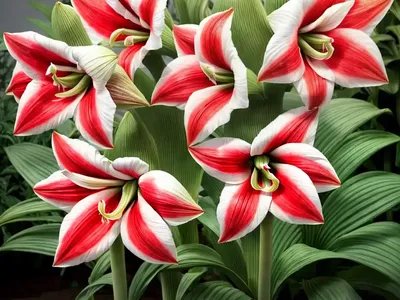
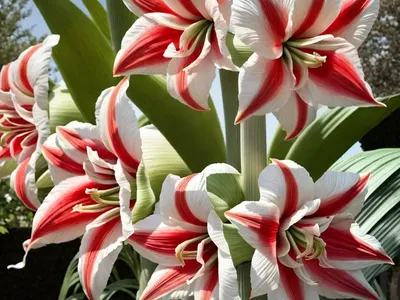
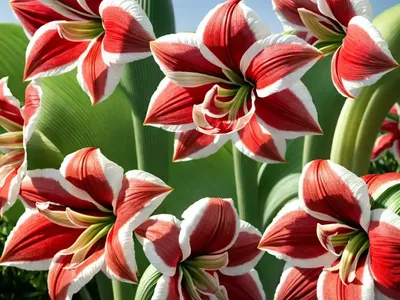
Amaryllis ‘Minerva’ (Hippeastrum)
Amaryllis ‘Minerva’ (Hippeastrum) is a striking flowering plant renowned for its large, showy blooms and ease of care. In this comprehensive guide, we will.
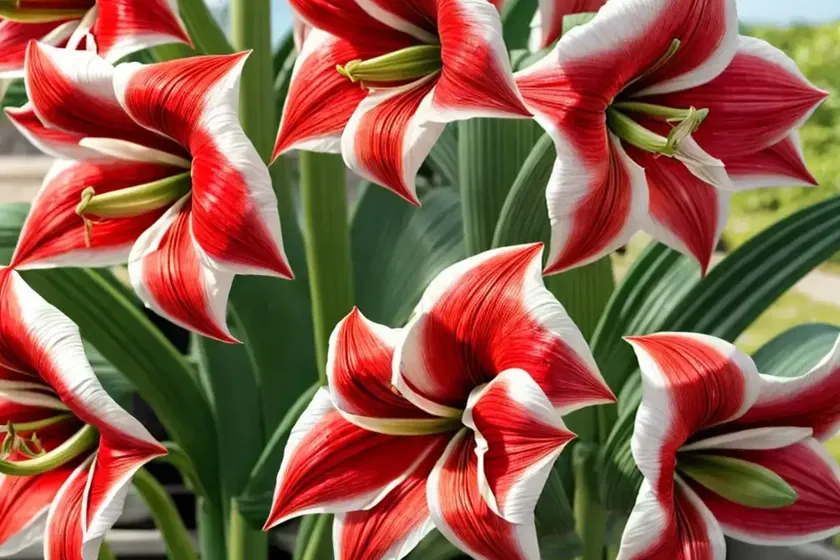

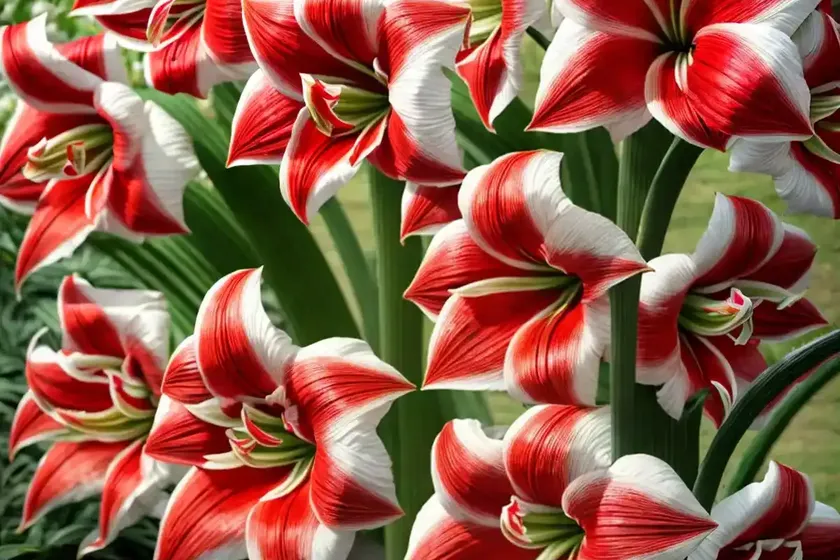
Amaryllis ‘Minerva’ (Hippeastrum) is a striking flowering plant renowned for its large, showy blooms and ease of care. In this comprehensive guide, we will explore every aspect of this beautiful plant, including its cultural requirements, uses in landscaping and containers, water and sunlight needs, soil and fertilizer recommendations, pruning techniques, propagation methods, common diseases and pests, and much more. Whether you are a seasoned plant enthusiast or a beginner looking to add a touch of natural beauty to your surroundings, this article will equip you with the knowledge to successfully cultivate and enjoy the majestic Amaryllis ‘Minerva’.
What is Amaryllis ‘Minerva’ (Hippeastrum)?
Amaryllis ‘Minerva’ is a cultivar of the Hippeastrum genus, known for its splendid trumpet-shaped flowers that come in vibrant shades of red, white, and green. This plant, native to South America and the Caribbean, belongs to the Amaryllidaceae family and is a popular choice for both indoor and outdoor cultivation. With the right care, Amaryllis ‘Minerva’ can grace your living spaces with its spectacular blossoms and lush foliage.
Key Takeaways – Amaryllis ‘Minerva’ (Hippeastrum)
Before delving into the specific care and cultivation requirements of Amaryllis ‘Minerva’, let’s take a look at the key takeaways that will guide our exploration of this remarkable plant:
- Culture: Understanding the ideal cultural conditions for Amaryllis ‘Minerva’ is essential for its successful growth and blooming.
- Uses: Exploring the versatile uses of Amaryllis ‘Minerva’ in landscaping, containers, and indoor settings.
- Water: Discussing the appropriate watering practices to maintain the health and vigor of Amaryllis ‘Minerva’.
- Sunlight: Highlighting the sunlight preferences of this plant and the impact of light on its growth and flowering.
- Fertilizer: Identifying the suitable fertilization regime to support the overall development and blooming of Amaryllis ‘Minerva’.
- Soil: Examining the optimal soil composition and structure for cultivating healthy Amaryllis ‘Minerva’ plants.
- Pruning: Learning about the importance of pruning and the techniques to shape and rejuvenate Amaryllis ‘Minerva’.
- Propagation: Exploring the methods for propagating Amaryllis ‘Minerva’ and expanding your plant collection.
- Container: Discovering the considerations for growing Amaryllis ‘Minerva’ in containers and the suitable container options.
- Popularity: Understanding the popularity of Amaryllis ‘Minerva’ and its appeal to plant enthusiasts.
- Common Diseases: Identifying the prevalent diseases that affect Amaryllis ‘Minerva’ and their management.
- Disease Diagnosis: Developing the skills to diagnose and address diseases in Amaryllis ‘Minerva’.
- Common Pests: Recognizing the common pests that can infest Amaryllis ‘Minerva’ and the control measures to implement.
- Botanist’s Tips: Obtaining valuable insights and tips from experienced botanists for the successful cultivation of Amaryllis ‘Minerva’.
- Fun Facts: Uncovering interesting and lesser-known facts about Amaryllis ‘Minerva’ to deepen your appreciation for this plant.
With these key takeaways as our guide, let’s embark on an in-depth exploration of Amaryllis ‘Minerva’ and equip ourselves with the knowledge to nurture and enjoy the beauty of this captivating plant.
Culture
Amaryllis ‘Minerva’ thrives under specific cultural conditions that mimic its natural habitat. Understanding these cultural requirements is crucial for ensuring the plant’s vigor and blooming potential. Here’s an overview of the cultural considerations for Amaryllis ‘Minerva’:
Climate Requirements
Amaryllis ‘Minerva’ is well-suited to USDA hardiness zones 8-11, indicating its preference for moderately warm to tropical climates. It responds favorably to temperatures that range from 60°F to 75°F (15°C to 24°C) during the daytime, while slightly cooler temperatures at night promote healthy growth. When grown in regions with cooler climates, the plant can thrive as an indoor specimen, enjoying the warmth and protection offered by the indoor environment.
Soil pH and Drainage
The soil pH level plays a critical role in the growth and blooming of Amaryllis ‘Minerva’. A slightly acidic to neutral pH range of 6.0 to 7.0 is optimal for this plant, allowing it to efficiently absorb essential nutrients from the soil. Additionally, well-draining soil is essential to prevent waterlogging and the associated risks of root rot. A loamy or sandy soil with good drainage properties and aeration promotes healthy root development and overall plant vitality.
Watering Needs
Efficient watering practices are paramount for the well-being of Amaryllis ‘Minerva’. The plant appreciates moderate and consistent moisture, with the soil being allowed to dry out partially between waterings. Overly soggy conditions can lead to root rot, while prolonged dry spells can stress the plant and impede its blooming. The watering frequency should be adjusted based on the environmental conditions, with reduced watering during cooler periods and increased hydration during warmer months.
Sunlight Preferences
Amaryllis ‘Minerva’ exhibits a preference for bright, indirect sunlight, making it an ideal candidate for well-lit indoor locations or partially shaded outdoor settings. In indoor environments, placing the plant near east or west-facing windows provides the ideal balance of light exposure without subjecting it to harsh direct sunlight. Outdoors, positioning Amaryllis ‘Minerva’ where it receives filtered sunlight or partial shade shields it from intense midday sun while allowing it to benefit from ample natural light.
Fertilizer Recommendations
Providing balanced nutrition through judicious fertilization supports the growth, vigor, and flowering capacity of Amaryllis ‘Minerva’. Incorporating a 10-10-10 NPK (Nitrogen-Phosphorus-Potassium) fertilizer or a specialized bloom-boosting fertilizer during the growing season enhances the plant’s blooming potential. The fertilizer should be applied according to the manufacturer’s instructions, ensuring that it enriches the soil with essential nutrients without leading to nutrient imbalances or salt buildup.
Winter Care
As the temperatures cool during the winter months, Amaryllis ‘Minerva’ undergoes a period of dormancy marked by reduced growth and blooming activity. During this time, it is essential to reduce watering and fertilization, allowing the plant to enter a natural resting phase. In regions where outdoor cultivation is feasible, providing protection from frost and excessive moisture safeguards the plant from cold-related damage, ensuring its resurgence in the following growing season.
Equipped with an understanding of the cultural requirements of Amaryllis ‘Minerva’, you are now ready to cultivate and care for this plant with confidence, supporting its growth and blooming with precision and attentiveness.
Uses
The versatility of Amaryllis ‘Minerva’ extends beyond its ornamental allure, encompassing a range of uses in landscaping, container gardening, and indoor plant displays. Understanding the varied applications of Amaryllis ‘Minerva’ allows you to harness its beauty and appeal in diverse settings. Let’s explore the uses of this captivating plant:
Landscaping
In the landscape, Amaryllis ‘Minerva’ makes a stunning statement with its bold, eye-catching flowers and upright, elegant foliage. The plant’s tall flower stalks, adorned with multiple blossoms, create a focal point in garden beds, borders, or along walkways. The vibrant hues of ‘Minerva’ blooms, featuring a striking combination of red, white, and green, add visual interest and color contrast to the outdoor environment, enhancing the overall aesthetic appeal of the landscape.
Container Gardening
Amaryllis ‘Minerva’ thrives as a container plant, gracing patios, balconies, and outdoor living spaces with its picturesque blooms. Selecting spacious, well-draining containers allows the plant to flourish and produce an abundance of flowers. Container gardening offers the flexibility to position the plant in different locations to optimize its light exposure and visual impact. Additionally, the portability of container-grown Amaryllis ‘Minerva’ enables you to protect it from adverse weather conditions and create captivating floral displays.
Indoor Display
As an indoor specimen, Amaryllis ‘Minerva’ adds an element of natural splendor to interior spaces, brightening up living rooms, offices, and entryways with its captivating blooms. When grown as a potted plant, ‘Minerva’ benefits from the warmth and shelter of the indoor environment, promoting its growth and blooming. Placing the plant in well-lit areas or near windows allows it to thrive and showcase its vibrant flowers, becoming a focal point that uplifts the ambiance of the indoor setting.
Floral Arrangements
The resplendent blooms of Amaryllis ‘Minerva’ are coveted by floral designers for their visual impact and longevity as cut flowers. The large, showy blossoms, when incorporated into floral arrangements, impart a sense of elegance and sophistication to bouquets and centerpieces. Whether used as standalone blooms or combined with complementary floral elements, ‘Minerva’ flowers elevate the aesthetic appeal of floral compositions, making them an ideal choice for special occasions and decorative purposes.
Wildlife Attraction
Amaryllis ‘Minerva’ also serves as a source of attraction for pollinators, including bees and butterflies, that are drawn to its nectar-rich blossoms. By fostering a healthier ecosystem and providing sustenance for beneficial insects, ‘Minerva’ contributes to the conservation of biodiversity and the natural balance of the surrounding environment. Observing the interactions between pollinators and Amaryllis ‘Minerva’ adds an enriching dimension to the plant’s appeal, creating a harmonious bond with the natural world.
Understanding the diverse applications of Amaryllis ‘Minerva’ empowers you to harness its beauty and charm in a multitude of settings, enriching the landscape, invigorating interior spaces, and contributing to the allure of floral arrangements.
Water
The water requirements of Amaryllis ‘Minerva’ play a pivotal role in sustaining its health and vitality, influencing its growth, blooming, and overall performance. Establishing a balanced watering regimen that caters to the plant’s moisture needs while averting the risks of overwatering and underwatering is essential for its well-being. In this section, we will delve into the precise watering practices that promote the optimal development and blooming of Amaryllis ‘Minerva’.
Watering Frequency
Moderation is the key when it comes to watering Amaryllis ‘Minerva’. The plant benefits from consistent moisture, with the soil being allowed to dry out partially between waterings. During the active growing season, typically from spring to late summer, regular watering is essential to sustain its blooming potential. Care should be taken to avoid waterlogging, as excessively wet conditions can lead to root rot and other detrimental effects on the plant’s health.
Soil Moisture Levels
Monitoring the moisture levels of the soil is crucial in gauging the watering needs of Amaryllis ‘Minerva’. The top layer of the soil should be allowed to dry out slightly before administering the next round of watering, promoting the development of a healthy root system and preventing the onset of water-related issues. While the plant appreciates adequate moisture, it is equally important to prevent the soil from becoming excessively dry for extended periods, which can stress the plant and impede its growth and blooming.
Watering Considerations for Containers
In container gardening, the watering needs of Amaryllis ‘Minerva’ may differ slightly from those of plants grown directly in the ground. Containers, particularly those made of porous materials such as terracotta, may lead to faster moisture evaporation, necessitating more frequent watering. Additionally, the presence of drainage holes in containers ensures proper water release and prevents water accumulation, contributing to the overall health of container-grown ‘Minerva’ plants.
Winter Watering
As the cooler months approach and Amaryllis ‘Minerva’ enters its dormant phase, adjustments in watering practices become imperative. With reduced growth and blooming activity, the plant’s water requirements diminish, calling for a gradual reduction in watering frequency and volume. Care should be taken to avoid overwatering during the winter, as the plant’s reduced metabolic processes limit its ability to utilize excess moisture, making it susceptible to root rot and related issues.
Signs of Water Stress
Vigilance to signs of water stress in Amaryllis ‘Minerva’ guides the adjustment of watering practices to cater to the plant’s immediate needs. Symptoms such as wilting, yellowing or browning of leaves, and diminished flowering can indicate instances of both overwatering and underwatering. By promptly addressing these indicators of water stress, you can mitigate the impacts of water-related issues and ensure the sustained well-being of your ‘Minerva’ plants.
Mastering the art of watering Amaryllis ‘Minerva’ is instrumental in sustaining its robust growth, vibrant blooming, and ornamental appeal. By aligning your watering practices with the plant’s moisture needs and seasonal variations, you provide the foundation for a thriving and beautiful ‘Minerva’ specimen.
Sunlight
The sunlight preferences of Amaryllis ‘Minerva’ influence its growth, blooming, and overall performance, making it essential to understand the plant’s light requirements to provide an optimal environment for its cultivation. By accommodating ‘Minerva’s’ need for the right balance of sunlight, you can foster its health and vitality, nurturing it to produce the iconic, captivating blooms it is renowned for. Here, we will delve into the sunlight preferences of Amaryllis ‘Minerva’ and the implications of light exposure on its growth and blooming.
Light Intensity
Amaryllis ‘Minerva’ thrives in bright, indirect sunlight, benefiting from ample natural light without being subjected to direct, intense sun rays. When grown indoors, placing the plant near east or west-facing windows provides the ideal balance of light exposure, promoting robust growth and flowering. Outdoors, positioning ‘Minerva’ in locations that receive filtered sunlight or partial shade shields it from the harsh midday sun while allowing it to capitalize on the luminous glow of natural light.
Indoor Light Considerations
In indoor settings, the quality and intensity of light play a crucial role in sustaining the vigor and blooming potential of Amaryllis ‘Minerva’. When choosing the plant’s location indoors, prioritize spots that receive bright, indirect light throughout the day, promoting healthy photosynthesis and overall plant vitality. By leveraging natural illumination, you can enhance the growth and floral display of ‘Minerva’, creating an enchanting presence within your indoor environment.
Sunlight Duration
Amaryllis ‘Minerva’ generally benefits from 6 to 8 hours of sunlight exposure daily, encompassing the optimal range for sustaining its growth and flowering capacity. Monitoring the duration and intensity of sunlight received by the plant allows you to gauge its light requirements and make adjustments as needed to ensure consistent access to the light it thrives in. For outdoor cultivation, positioning ‘Minerva’ in locations that receive the ideal balance of sunlight and shade throughout the day supports its robust development and blooming.
Seasonal Light Variations
As the seasons transition, the availability of sunlight fluctuates, necessitating adaptations in the light exposure for Amaryllis ‘Minerva’. During the spring and summer months, the longer days and increased sunlight intensity promote vigorous growth and blooming. In contrast, the shorter days and reduced light intensity of fall and winter call for strategies to maintain the plant’s light requirements, such as repositioning indoor specimens to optimize light exposure or providing additional protection for outdoor ‘Minerva’ plants during adverse weather conditions.
Effects of Insufficient Light
Insufficient light can have detrimental effects on the growth and blooming of Amaryllis ‘Minerva’, leading to weakened plants, diminished flowering, and susceptibility to stress-related issues. Symptoms of inadequate light exposure may include elongated, leggy growth, reduced leaf and flower production, and a general decline in plant vigor. By addressing instances of insufficient light promptly and adjusting the plant’s environment, you can revitalize ‘Minerva’ and reinvigorate it to resume its optimal growth and blooming trajectory.
By aligning Amaryllis ‘Minerva’s’ light preferences with its environmental conditions, you lay the groundwork for its sustainable growth and blooming, creating an environment that harnesses the transformative power of natural light to elevate the plant’s ornamental appeal.
Fertilizer
Fertilization forms a cornerstone of the comprehensive care regimen for Amaryllis ‘Minerva’, providing essential nutrients that bolster its growth, blooming, and overall vigor. By strategically administering fertilizers that address the plant’s specific nutritional needs, you can foster the development of lush foliage and prolific blossoms, setting the stage for a resplendent ‘Minerva’ display. In this section, we will explore the fertilizer regimen that supports the optimal growth and blooming of Amaryllis ‘Minerva’ and the considerations for effectively nourishing your plants.
Nutrient Composition
Balanced nutrition is pivotal for Amaryllis ‘Minerva’, with an emphasis on the primary macronutrients—Nitrogen (N), Phosphorus (P), and Potassium (K)—as well as essential micronutrients. A balanced fertilizer, such as a 10-10-10 NPK formulation, provides the fundamental nutrients required for robust growth and flowering. Select fertilizers may also feature higher phosphorus content to specifically bolster ‘Minerva’s’ blooming potential, catering to its distinct nutritional requirements.
Fertilization Timing
Timing the application of fertilizers aligns with the distinct growth phases of Amaryllis ‘Minerva’, optimizing the absorption and utilization of essential nutrients. During the active growing season, spanning from spring to late summer, regular fertilization every 4 to 6 weeks reinforces the plant’s growth and bloom development. As the plant enters its dormant phase during fall and winter, a gradual reduction in fertilization supports the natural ebb in its metabolic processes, allowing it to rest and recharge for the upcoming blooming season.
Application Methods
The application of fertilizers to Amaryllis ‘Minerva’ can take various forms, including liquid fertilizers, granular formulations, and slow-release fertilizers. Liquid fertilizers afford quick nutrient uptake and are particularly beneficial when administered during the plant’s active growth periods, delivering an immediate nutritional boost. Granular and slow-release fertilizers provide sustained nutrient release over an extended period, catering to the long-term nutrient requirements of ‘Minerva’ and simplifying the maintenance of a consistent fertilization schedule.
Dilution and Diligence
Diluting concentrated fertilizers to half the recommended strength prevents the risk of overfertilization and safeguard’s ‘Minerva’s’ root system from potential damage. Diligence in adhering to the prescribed fertilizer dilution ratios and application frequencies promotes balanced nutrition without the risk of nutrient imbalances or salt buildup in the soil. Careful calibration and attentive administration of fertilizers reinforce the plant’s health and blooming potential, ensuring its sustained ornamental appeal.
Organic Fertilizer Considerations
Organic fertilizers offer a natural and sustainable approach to nourishing Amaryllis ‘Minerva’, enriching the soil with organic matter and fostering the development of a biologically active and nutrient-rich growing medium. Compost, well-rotted manure, and organic amendments can be incorporated into