Amaryllis ‘Magic Green’ (Hippeastrum)
Introduction to Amaryllis ‘Magic Green’ (Hippeastrum) The Amaryllis ‘Magic Green’ (Hippeastrum) is a mesmerizing flowering plant that boasts stunning.
Introduction to Amaryllis ‘Magic Green’ (Hippeastrum)
The Amaryllis ‘Magic Green’ (Hippeastrum) is a mesmerizing flowering plant that boasts stunning blooms and lush, green foliage. With its vibrant and exotic appearance, it is no wonder that the Amaryllis ‘Magic Green’ has become a popular choice for both indoor and outdoor gardens. In this comprehensive care guide, we will delve into the various aspects of nurturing and maintaining this beautiful plant, from its cultural requirements to its propagation methods and common pests and diseases.
Key Takeaways – Amaryllis ‘Magic Green’ (Hippeastrum)
Before we explore the detailed care guide for the Amaryllis ‘Magic Green’, let’s take a brief look at the key takeaways that we will cover in this comprehensive guide:
- Culture: Understanding the cultural requirements of the Amaryllis ‘Magic Green’ to ensure optimal growth and blooming.
- Uses: Exploring the versatile uses of this striking plant, from ornamental purposes to gifting and floral arrangements.
- Water: Learning about the watering needs of the Amaryllis ‘Magic Green’ to maintain its health and vibrancy.
- Sunlight: Identifying the ideal sunlight conditions for this plant to thrive and bloom prolifically.
- Fertilizer: Understanding the role of fertilization in promoting the growth and flowering of the Amaryllis ‘Magic Green’.
- Soil: Exploring the best soil composition and quality for cultivating this exquisite flowering plant.
- Pruning: Knowing the right pruning techniques to maintain the Amaryllis ‘Magic Green’ and enhance its overall appearance.
- Propagation: Delving into the methods of propagating the Amaryllis ‘Magic Green’ to expand your collection.
- Container: Understanding the suitability of containers for growing and displaying this captivating plant.
- Popularity: Unveiling the popularity of the Amaryllis ‘Magic Green’ in the realm of gardening and horticulture.
- Common Diseases: Identifying and addressing the common diseases that may affect this plant.
- Disease Diagnosis: Learning how to diagnose and treat potential diseases to ensure the well-being of the Amaryllis ‘Magic Green’.
- Common Pests: Understanding the common pests that may pose a threat to the health of this plant.
- Botanist’s Tips: Gaining insights and tips from botanists to nurture and appreciate the Amaryllis ‘Magic Green’.
- Fun Facts: Uncovering interesting and intriguing facts about this captivating flowering plant.
What is Amaryllis ‘Magic Green’ (Hippeastrum)?
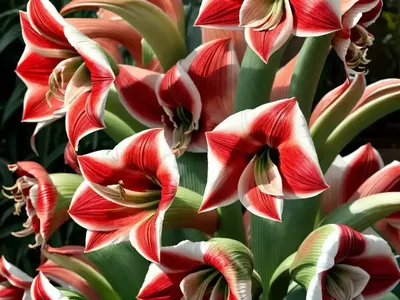
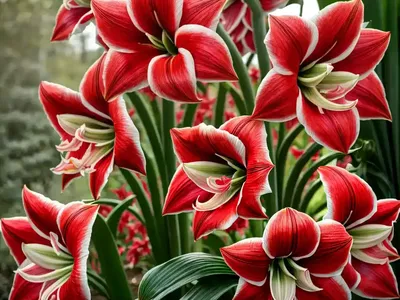
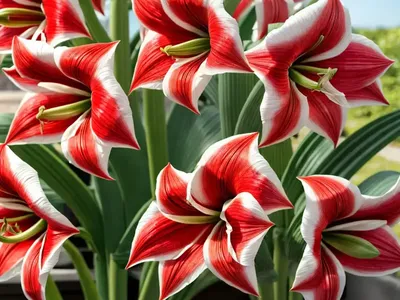
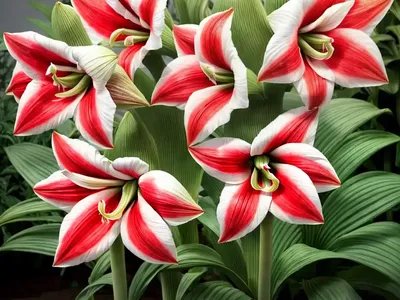
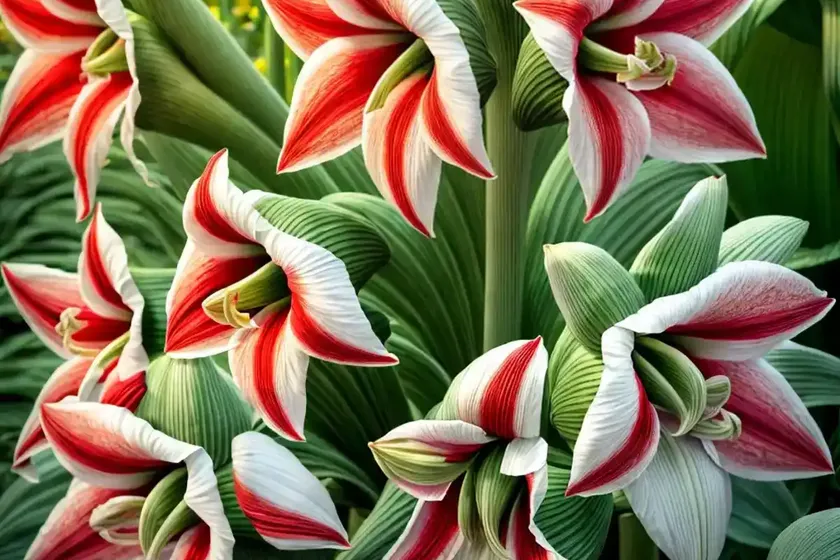
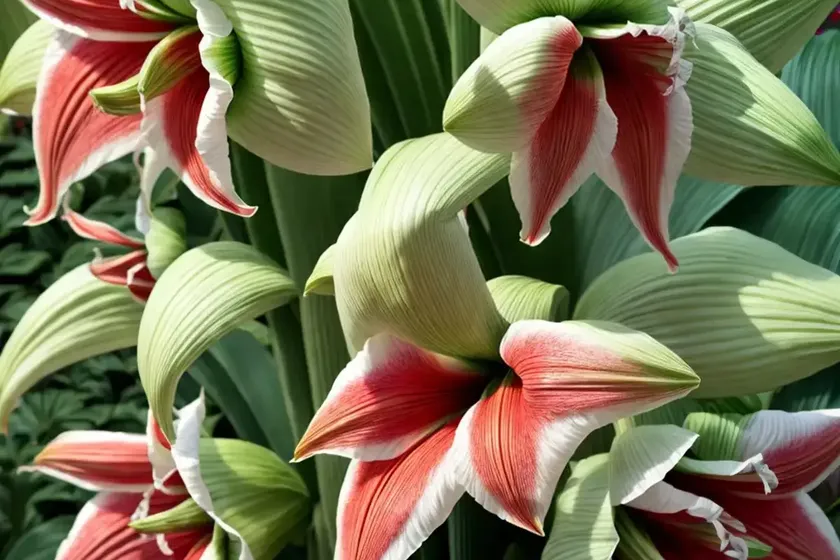
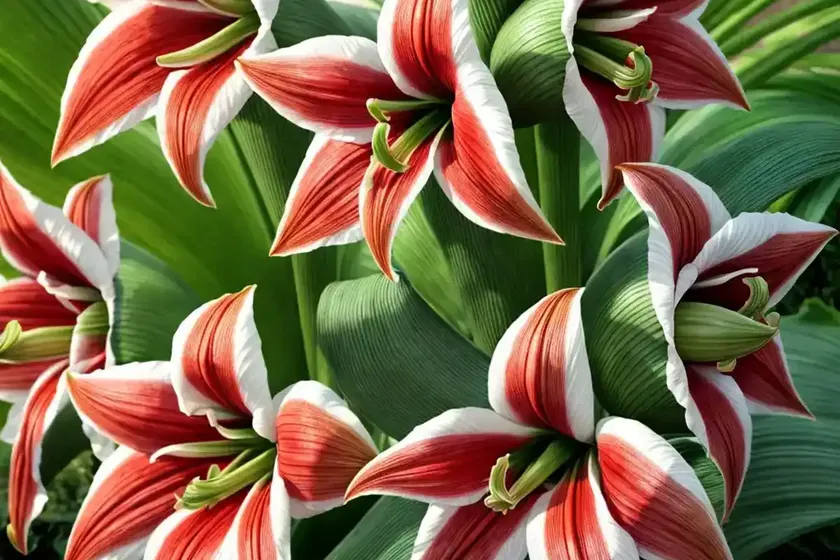
The Amaryllis ‘Magic Green’, scientifically known as Hippeastrum, is a genus of flowering bulbs that belong to the Amaryllidaceae family. This stunning plant originates from the tropical and subtropical regions of the Americas, where it thrives in warm and humid climates. The Amaryllis ‘Magic Green’ is renowned for its exquisite blooms, which come in an array of captivating colors, ranging from bold reds and pinks to soft whites and greens.
The Amaryllis ‘Magic Green’ is particularly prized for its large, trumpet-shaped flowers and glossy, strappy leaves, which add a touch of elegance and vibrancy to any garden or indoor space. It is a popular choice for both casual gardeners and avid plant enthusiasts, thanks to its relatively easy care requirements and the spectacular visual impact it offers.
The name “Magic Green” aptly describes the enchanting allure of this particular cultivar, which features striking green-hued blooms that exude a sense of mystery and fascination. The Amaryllis ‘Magic Green’ is often sought after for its unique and captivating appearance, making it a prized addition to collections of flowering plants and a standout feature in floral displays and arrangements.
Culture
Cultural practices play a pivotal role in ensuring the healthy growth, development, and flowering of the Amaryllis ‘Magic Green’. By understanding the specific cultural requirements of this plant, you can create an environment that allows it to thrive and showcase its full splendor. Let’s delve into the essential cultural aspects of nurturing the Amaryllis ‘Magic Green’:
Uses
The Amaryllis ‘Magic Green’ boasts versatile uses that make it a valuable addition to any garden or indoor space. Understanding its varied applications can help you appreciate the plant’s significance and explore creative ways to incorporate it into your gardening endeavors. Here are some common uses of the Amaryllis ‘Magic Green’:
- Ornamental Purposes: The striking and vibrant blooms of the Amaryllis ‘Magic Green’ make it an ideal choice for ornamental planting. Whether grown in garden beds, raised planters, or containers, this plant adds a pop of color and elegance to any landscape.
- Gifting: The Amaryllis ‘Magic Green’ is often presented as a thoughtful and enchanting gift. Its captivating blooms and symbolic meaning make it a cherished present for various occasions, such as birthdays, holidays, and special celebrations.
- Floral Arrangements: The large and striking flowers of the Amaryllis ‘Magic Green’ lend themselves beautifully to floral arrangements. Whether used in bouquets, centerpieces, or decorative displays, they create a captivating focal point and add a touch of sophistication to any floral composition.
Water
Proper watering is crucial for maintaining the health and vigor of the Amaryllis ‘Magic Green’. By understanding its specific water requirements, you can prevent issues such as overwatering or underwatering and promote optimal growth and blooming. Here’s what you need to know about watering the Amaryllis ‘Magic Green’:
- Watering Needs: The Amaryllis ‘Magic Green’ requires regular and consistent watering to support its growth and blooming cycles. During the active growing season, it is essential to keep the soil evenly moist, allowing it to dry out slightly between watering sessions. This helps prevent waterlogged conditions and root rot while ensuring adequate hydration for the plant.
- Avoid Overwatering: Overwatering can be detrimental to the Amaryllis ‘Magic Green’, leading to root suffocation and potential fungal issues. Therefore, it is crucial to avoid excessive watering and ensure proper drainage in the growing containers or planting beds.
- Monitoring Moisture Levels: Regularly check the moisture levels of the soil to determine the plant’s watering needs. Adjust the frequency and volume of watering based on environmental conditions, such as temperature, humidity, and seasonal changes.
Sunlight
As a sun-loving plant, the Amaryllis ‘Magic Green’ thrives in bright, indirect sunlight and requires ample light exposure to support its growth and blooming. Understanding its sunlight needs is essential for creating an optimal growing environment for this captivating plant. Here’s what you need to know about providing the ideal sunlight conditions for the Amaryllis ‘Magic Green’:
- Light Requirements: The Amaryllis ‘Magic Green’ flourishes in bright, indirect sunlight. It is best suited to locations with partial to full sun exposure, where it can receive several hours of gentle sunlight each day. Position the plant near a south- or west-facing window to ensure it receives adequate light without being exposed to harsh, direct sun rays for extended periods.
- Avoiding Direct Sun: While the Amaryllis ‘Magic Green’ benefits from ample light, it is important to protect it from direct, intense sunlight, especially during the peak hours of the day. Direct sun exposure can lead to leaf scorching and heat stress, so it is advisable to provide filtered light or partial shade to ensure the plant’s well-being.
Fertilizer
Fertilization plays a crucial role in supporting the growth, flowering, and overall health of the Amaryllis ‘Magic Green’. By providing the right nutrients at the appropriate times, you can enhance the plant’s vigor and encourage prolific blooming. Here’s what you need to know about fertilizing the Amaryllis ‘Magic Green’:
- Fertilizer Type: Use a balanced, water-soluble fertilizer with a formulation such as 10-10-10 or 20-20-20 to provide essential nutrients to the Amaryllis ‘Magic Green’. These fertilizers contain a balanced ratio of nitrogen (N), phosphorus (P), and potassium (K) along with micronutrients, supporting robust growth and flowering.
- Application Timing: Begin fertilizing the Amaryllis ‘Magic Green’ when new growth emerges, typically in early spring or after the dormant period. Apply the fertilizer every 2-4 weeks throughout the active growing season to supply the plant with a steady source of nutrients.
- Reduced Fertilization: As the plant transitions into dormancy after its blooming period, reduce or cease fertilization to allow for a gradual rest phase. Resume regular fertilization when new growth signals the start of the next growth cycle.
Soil
The quality and composition of the soil directly impact the growth, root development, and overall vitality of the Amaryllis ‘Magic Green’. Understanding the best soil conditions for this plant enables you to create an optimal growing environment and promote its well-being. Here’s what you need to know about the ideal soil for the Amaryllis ‘Magic Green’:
- Well-Draining Soil: The Amaryllis ‘Magic Green’ thrives in well-draining soil that prevents waterlogged conditions and promotes healthy root development. Use a well-aerated potting mix with good drainage properties to ensure excess moisture can escape freely, reducing the risk of root rot and fungal issues.
- Nutrient-Rich Medium: Choose a nutrient-rich potting medium that provides essential elements for the Amaryllis ‘Magic Green’ to thrive. Incorporate organic matter, such as compost or peat moss, to enhance the soil’s fertility and texture, promoting vigorous growth and flowering.
- pH Level: The optimal soil pH for the Amaryllis ‘Magic Green’ ranges from slightly acidic to neutral (pH 6.0-7.0). Test the soil pH periodically and make necessary adjustments to maintain the ideal growing conditions for the plant.
Pruning
Pruning is an essential aspect of maintaining the appearance, health, and flowering prowess of the Amaryllis ‘Magic Green’. By employing the right pruning techniques, you can ensure the plant’s vitality and aesthetic appeal. Here’s what you need to know about pruning this captivating flowering plant:
- Deadheading Spent Blooms: After the blooming period, remove the spent flowers by gently pinching or snipping them off near the base of the flower stalk. Deadheading prevents energy wastage on seed production and encourages the plant to redirect its resources towards healthy growth and future blooms.
- Trimming Foliage: As the foliage of the Amaryllis ‘Magic Green’ begins to yellow and wither, it is advisable to trim off the dead or damaged leaves. Use clean, sharp scissors or pruning shears to trim the foliage, promoting a tidy and visually appealing appearance.
- Pruning Caution: Avoid excessive pruning or removing more than one-third of the plant’s foliage at any given time. Over-pruning can weaken the plant and hinder its ability to replenish energy reserves for future growth and blooming cycles.
Propagation
Understanding the methods of propagating the Amaryllis ‘Magic Green’ allows you to expand your plant collection and share the beauty of this captivating species with fellow gardening enthusiasts. Here are the primary propagation methods for the Amaryllis ‘Magic Green’:
- Offshoot Division: Divide established clumps of the Amaryllis ‘Magic Green’ by carefully separating the offsets or offshoots from the parent bulb. Each division should have its own set of roots and a viable growing point. Replant the divisions in individual containers or garden locations to initiate new growth.
- Bulb Offsets: Propagate the Amaryllis ‘Magic Green’ by utilizing the bulb offsets that form alongside the main bulb. Gently detach the offsets from the parent bulb and plant them in suitable growing containers, providing the necessary care and conditions to encourage root establishment and subsequent growth.
- Seed Propagation: While less commonly practiced, the Amaryllis ‘Magic Green’ can be propagated from seeds. Collect mature seeds from the plant and sow them in a well-prepared seed-starting medium. Provide warmth, moisture, and indirect light to facilitate germination and early seedling growth.
Container
The Amaryllis ‘Magic Green’ is especially well-suited to container gardening, offering a captivating and vibrant display when grown in pots, planters, or decorative containers. Understanding the best practices for container cultivation enables you to showcase the plant’s beauty and create stunning focal points in your indoor or outdoor spaces. Here are some essential considerations for growing the Amaryllis ‘Magic Green’ in containers:
- Container Size: Select spacious containers with adequate depth and drainage holes to accommodate the robust growth and root development of the Amaryllis ‘Magic Green’. A container that is at least 8-10 inches (20-25 cm) in diameter and depth is suitable for growing a single bulb or multiple bulbs in a clustered layout.
- Potting Mix: Use a well-draining, nutrient-rich potting mix designed for flowering bulbs or perennials. Incorporate perlite or coarse sand to improve drainage and aeration, promoting optimal root health and growth.
- Drainage: Ensure that the chosen containers have sufficient drainage holes to prevent water accumulation and soil saturation. Good drainage is essential to safeguard the Amaryllis ‘Magic Green’ from potential root rot and water-related issues.
- Placement: Position the containers in locations that receive bright, indirect sunlight and provide ample air circulation. Ideal placement options include patios, balconies, or indoor areas with adequate natural light.
Popularity
The Amaryllis ‘Magic Green’ has garnered widespread popularity among gardening enthusiasts, horticulturists, and plant lovers for several compelling reasons. Its captivating blooms, relatively low maintenance requirements, and versatility contribute to its esteemed status in the realm of ornamental plants. Here are some factors that underscore the popularity of the Amaryllis ‘Magic Green’:
- Spectacular Blooms: The Amaryllis ‘Magic Green’ captivates audiences with its large, trumpet-shaped blooms and vivid colors, making it an eye-catching and visually stunning addition to any garden or indoor space.
- Ease of Cultivation: With its relatively straightforward care requirements and rewarding blooming cycles, the Amaryllis ‘Magic Green’ appeals to both novice and experienced gardeners seeking beautiful and resilient flowering plants.
- Diversity of Cultivars: The Amaryllis genus encompasses an impressive array of cultivars, including the captivating ‘Magic Green’ variety, offering an extensive selection of colors, petal forms, and bloom sizes to suit varied preferences and design aesthetics.
- Symbolism and Meaning: The Amaryllis ‘Magic Green’ carries symbolic significance, representing traits such as beauty, grace, and determination. Its meaningful connotations and intriguing green blooms contribute to its desirability as a botanical choice for gardens and floral arrangements.
Common Diseases
The health and well-being of the Amaryllis ‘Magic Green’ can be affected by certain diseases, which may impact its growth, flowering, and overall vitality. By being aware of common diseases and their potential effects, you can implement preventive measures and timely interventions to safeguard the plant’s well-being. Here are some common diseases that may affect the Amaryllis ‘Magic Green’:
- Root Rot: Excessive soil moisture and poor drainage can lead to root rot in the Amaryllis ‘Magic Green’, causing the roots to become soft, discolored, and susceptible to decay. To prevent root rot, ensure well-draining soil and avoid overwatering.
- Leaf Blight: Fungal infections such as leaf blight can manifest as dark, irregular spots or lesions on the foliage of the Amaryllis ‘Magic Green’. Adequate air circulation and proper sanitation practices help minimize the risk of leaf blight infections.
- Botrytis Rot: Botrytis cinerea, a common fungal pathogen, can cause botrytis rot in the Amaryllis ‘Magic Green’. Symptoms include gray mold on the flowers and foliage. Maintain proper plant spacing and ventilation to reduce humidity and minimize favorable conditions for botrytis infections.
Disease Diagnosis
Identifying and diagnosing potential diseases in the Amaryllis ‘Magic Green’ is essential for implementing timely and effective treatment strategies. By closely monitoring the plant for symptoms of diseases and abnormalities, you can address any issues promptly and mitigate their impact on the plant’s health. Here are some diagnostic steps for identifying and addressing diseases:
- Observation: Regularly inspect the plant for any signs of leaf discoloration, wilting, spotting, or abnormal growth patterns. Look for visual cues that may indicate the presence of diseases or physiological stress.
- Symptom Recognition: Familiarize yourself with the common symptoms associated with diseases that affect the Amaryllis ‘Magic Green’, such as leaf spots, fungal growth, wilting, and discoloration. Note any changes in the plant’s appearance or behavior.
- Pathogen Identification: If you observe symptoms indicative of diseases, conduct research or seek professional guidance to identify the potential pathogens responsible for the issues. Understanding the specific pathogens enables targeted treatment and management approaches.
Common Pests
In addition to diseases, the Amaryllis ‘Magic Green’ may be susceptible to infestations by certain pests that can compromise its health and vigor. By familiarizing yourself with common pests and their typical effects on the plant, you can take proactive measures to prevent infestations and mitigate potential damage. Here are some common pests that may pose a threat to the Amaryllis ‘Magic Green’:
- Aphids: These small, soft-bodied insects may feed on the sap of the Amaryllis ‘Magic Green’, causing stunted growth, yellowing leaves, and honeydew secretion. Use insecticidal soap or horticultural oil to control aphid populations.
- Spider Mites: Spider mites are known for causing stippled, discolored foliage and fine webbing on the leaves of the Amaryllis ‘Magic Green’. Regularly mist the plant to increase humidity and reduce mite proliferation.
- Mealybugs: Mealybugs can cluster on the stems and leaf nodes of the Amaryllis ‘Magic Green’, sucking plant sap and causing wilting and decline. Control mealybug populations by using neem oil or insecticidal sprays.
Botanist’s Tips
Gaining insights and tips from botanists and experts can greatly enhance your ability to nurture and appreciate the Amaryllis ‘Magic Green’ to its fullest potential. By leveraging the knowledge and expertise of botanical professionals, you can refine your care practices and establish a deeper connection with this captivating flowering plant. Here are some valuable tips from botanists for cultivating and enjoying the Amaryllis ‘Magic Green’:
- Seasonal Care: Tailor your care routines and environmental adjustments to reflect the seasonal needs of the Amaryllis ‘Magic Green’, such as adjusting watering frequency, light exposure, and fertilization levels according to seasonal changes.
- Foliage Maintenance: Regularly remove yellowing or damaged foliage to maintain the plant’s visual appeal and promote a healthy growth environment. Pristine foliage contributes to the overall aesthetic charm of the Amaryllis ‘Magic Green’.
- Optimal Growing Conditions: Strive to provide the Amaryllis