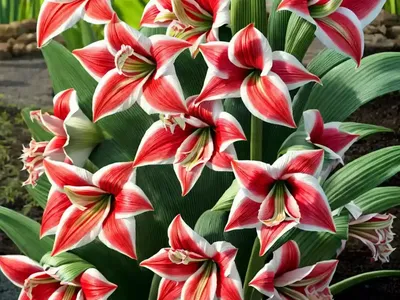
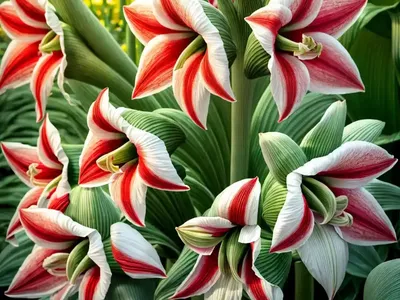
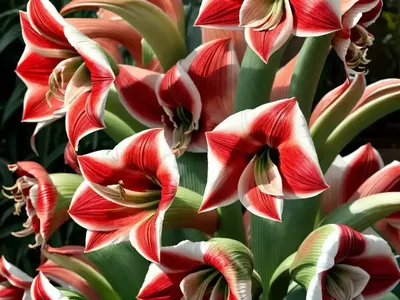
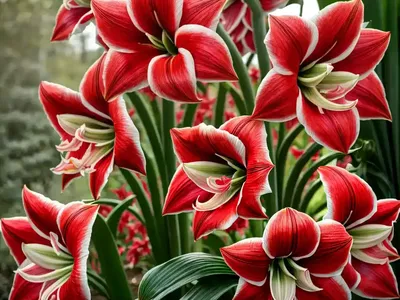
Amaryllis ‘La Paz’ (Hippeastrum)
What is Amaryllis ‘La Paz’ (Hippeastrum)? Amaryllis ‘La Paz’, also known by its botanical name Hippeastrum , is a stunning flowering plant that is popular.
What is Amaryllis ‘La Paz’ (Hippeastrum)?
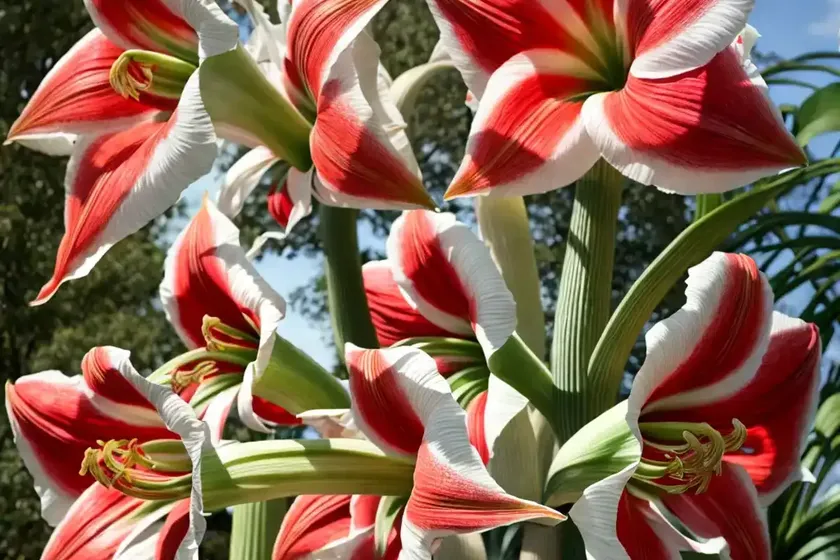
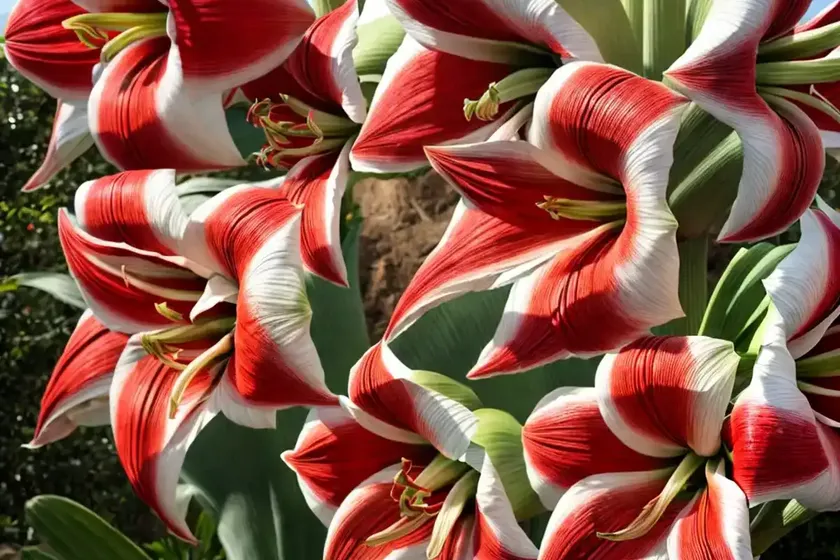
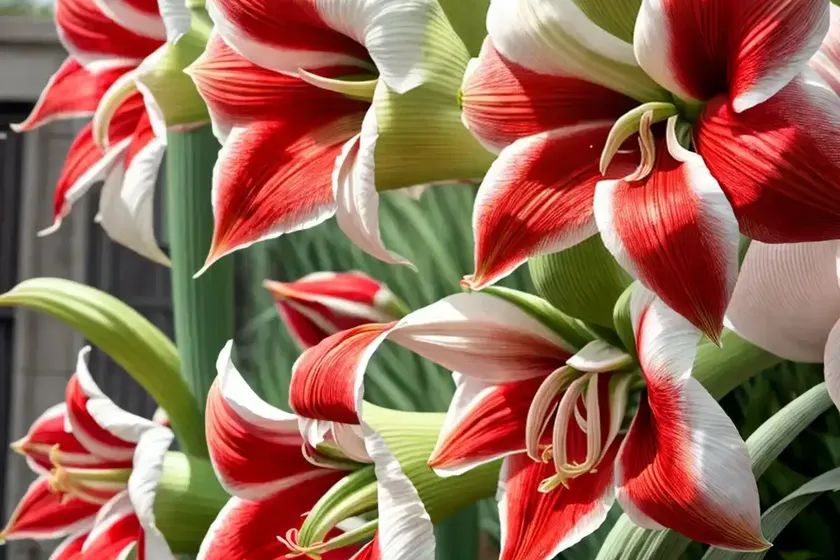
Amaryllis ‘La Paz’, also known by its botanical name Hippeastrum, is a stunning flowering plant that is popular for its large, showy blooms and ease of cultivation. This perennial bulbous plant belongs to the Amaryllidaceae family and is native to the tropical and subtropical regions of the Americas, particularly Argentina and Brazil.
The striking beauty of the Amaryllis ‘La Paz’ lies in its trumpet-shaped flowers that come in a variety of vibrant colors, including shades of red, pink, white, and orange. The plant is a favorite among gardeners and florists for its ability to effortlessly enhance the aesthetic appeal of indoor and outdoor spaces.
In this comprehensive guide, we will delve deep into the various aspects of Amaryllis ‘La Paz’ care, including its cultural requirements, propagation techniques, common diseases and pests, and much more. Whether you are a seasoned plant enthusiast or a novice gardener, this guide will equip you with the knowledge and skills needed to successfully grow and maintain the exquisite Amaryllis ‘La Paz’.
Key Takeaways – Amaryllis ‘La Paz’ (Hippeastrum)
Before we embark on our journey to explore the intricacies of caring for Amaryllis ‘La Paz’, let’s take a quick look at the key takeaways that will be covered in this guide:
- Culture: Understanding the cultural requirements of Amaryllis ‘La Paz’, including its native habitat, growth habits, and companion plants.
- Uses: Exploring the diverse uses of Amaryllis ‘La Paz’, ranging from its ornamental value to its air purification abilities.
- Water: Unveiling the watering requirements and water retention abilities of Amaryllis ‘La Paz’.
- Sunlight: Shedding light on the sunlight needs and heat tolerance of this striking flowering plant.
- Fertilizer: Establishing a fertilizing schedule and topdressing options for promoting healthy growth and blooming.
- Soil: Identifying the soil requirements and potting mix suggestions to create an optimal growing environment for Amaryllis ‘La Paz’.
- Pruning: Mastering the art of pruning and foliage maintenance to enhance the plant’s overall appearance and health.
- Propagation: Delving into various propagation techniques to propagate Amaryllis ‘La Paz’ and expand your plant collection.
- Container: Providing container gardening tips and repotting frequency guidelines for cultivating Amaryllis ‘La Paz’ in containers.
- Popularity: Understanding the widespread popularity and appeal of Amaryllis ‘La Paz’ among plant enthusiasts.
- Common Diseases: Identifying common diseases that affect Amaryllis ‘La Paz’ and learning effective treatment methods.
- Common Pests: Recognizing common pests that pose a threat to the well-being of Amaryllis ‘La Paz’ and implementing pest control measures.
- Botanist’s Tips: Receiving invaluable tips and insights from botanists for successfully caring for Amaryllis ‘La Paz’.
- Fun Facts: Unearthing fascinating and lesser-known facts about Amaryllis ‘La Paz’ that will pique your curiosity.
Now, let’s embark on our journey to unlock the secrets of nurturing and cherishing the resplendent Amaryllis ‘La Paz’ (Hippeastrum).
Culture
Natural Habitat and Growth Habits
Amaryllis ‘La Paz’ is indigenous to the tropical and subtropical regions of the Americas, where it thrives in warm, humid climates. In its natural habitat, the plant can be found growing in well-drained, fertile soil with ample access to sunlight. These environmental conditions have greatly influenced the cultural requirements of Amaryllis ‘La Paz’ when cultivated in home gardens and indoor spaces.
The plant exhibits a robust and upright growth habit, with its glossy, strap-shaped leaves forming a striking backdrop for the magnificent floral display. When provided with optimal growing conditions, Amaryllis ‘La Paz’ can reach impressive heights, making it a captivating focal point in any garden or indoor setting.
Companion Plants
When planning your garden or indoor plant arrangement, it’s essential to consider suitable companion plants that complement the beauty of Amaryllis ‘La Paz’ while fostering a harmonious and visually appealing setting. Some excellent companion plants to consider alongside Amaryllis ‘La Paz’ include:
- Peace Lily (Spathiphyllum): Known for its elegant white blooms and air-purifying qualities, the Peace Lily makes an excellent companion plant for Amaryllis ‘La Paz’. Both plants share similar cultural requirements, making them ideal partners in an indoor garden.
- Snake Plant (Sansevieria): With its striking architectural form and low-maintenance nature, the Snake Plant serves as a perfect backdrop for the vibrant blooms of Amaryllis ‘La Paz’. This combination creates a captivating contrast in textures and colors.
- Spider Plant (Chlorophytum comosum): The cascading foliage of the Spider Plant complements the upright growth of Amaryllis ‘La Paz’, creating a visually dynamic display. Both plants thrive in similar light and water conditions, making them compatible companions.
When choosing companion plants for Amaryllis ‘La Paz’, it’s important to ensure that they share comparable cultural requirements to promote mutual growth and vitality.
Uses
Ornamental Value
The primary use of Amaryllis ‘La Paz’ is undoubtedly its ornamental value, as it serves as an outstanding flowering specimen in gardens, landscapes, and indoor spaces. The large, trumpet-shaped blooms of Amaryllis ‘La Paz’ are renowned for their captivating beauty and vibrant hues, making them a popular choice for adding a touch of elegance and color to any environment.
Gardeners and florists alike appreciate the versatility of Amaryllis ‘La Paz’ in floral arrangements, where its striking blooms take center stage, whether displayed individually or combined with complementary flowers and foliage. This versatility and aesthetic appeal have cemented the plant’s reputation as a sought-after ornamental plant.
Air Purification Abilities
In addition to its visual appeal, Amaryllis ‘La Paz’ also contributes to indoor air purification, making it a valuable addition to homes and indoor spaces. Like many other houseplants, Amaryllis ‘La Paz’ plays a role in removing airborne toxins and enhancing air quality, creating a healthier and more enjoyable living environment.
The plant achieves this through its natural process of photosynthesis, during which it absorbs carbon dioxide and releases oxygen, effectively purifying the surrounding air. This dual functionality as a decorative and air-purifying plant showcases the multifaceted benefits of incorporating Amaryllis ‘La Paz’ into indoor spaces.
Water
Watering Requirements
Understanding the watering requirements of Amaryllis ‘La Paz’ is crucial for maintaining the plant’s health and promoting prolific blooming. While the plant is relatively low-maintenance, it is essential to strike a balance in watering to prevent issues such as root rot or dehydration.
-
Frequency: During the active growing season, typically in spring and summer, Amaryllis ‘La Paz’ should be watered consistently to keep the soil evenly moist. However, it’s important to avoid waterlogging the soil, as excessive moisture can lead to detrimental consequences for the plant’s root system.
-
Soil Moisture: Before watering, it’s advisable to check the moisture levels in the soil by inserting a finger or a moisture meter into the potting medium. If the top inch of the soil feels dry to the touch, it indicates that the plant is ready for watering.
-
Drainage: Adequate drainage is crucial to prevent water from accumulating around the roots, which can cause rotting. Ensure that the pot or growing container has drainage holes to allow excess water to escape freely.
Water Retention Abilities
Amaryllis ‘La Paz’ exhibits moderate water retention abilities, meaning that it is capable of storing moisture in its bulb and roots to withstand brief periods of drought. This resilience to water scarcity is an advantageous trait, especially for gardeners who may occasionally overlook the plant’s watering needs.
While the plant can tolerate short periods of dry soil, prolonged drought stress can hinder its growth and flowering potential. Therefore, it’s essential to maintain a consistent watering schedule to provide the necessary moisture for the plant’s vitality and blooming cycle.
Sunlight
Sunlight Needs
Amaryllis ‘La Paz’ thrives in brightly lit environments and is known for its preference for ample sunlight. When grown indoors, the plant should be placed in a location that receives bright, indirect light to ensure optimal growth and flowering. In natural outdoor settings, Amaryllis ‘La Paz’ performs best in partially shaded areas that provide protection from intense midday sun.
-
Indoor Placement: Choose a well-lit spot near a window that receives plenty of indirect sunlight throughout the day. East or west-facing windows are excellent choices for providing the right balance of light intensity.
-
Outdoor Location: When cultivating Amaryllis ‘La Paz’ in outdoor gardens or landscapes, aim to position the plant in an area that receives dappled sunlight or partial shade. This protection from direct sunlight helps prevent sunburn and heat stress.
Heat Tolerance
Amaryllis ‘La Paz’ demonstrates moderate heat tolerance, allowing it to thrive in warm climates and indoor environments with consistent temperatures. While it appreciates ample sunlight, it’s important to shield the plant from prolonged exposure to scorching heat, especially during the peak of summer.
In regions with hot, arid summers, providing afternoon shade or placing a sheer curtain between the plant and the window can help regulate the intensity of sunlight and safeguard Amaryllis ‘La Paz’ from excessive heat.
Fertilizer
Fertilizing Schedule
To support the robust growth and blooming prowess of Amaryllis ‘La Paz’, it’s essential to implement a fertilizing schedule that provides the necessary nutrients for the plant’s development. A balanced and controlled-release fertilizer formulated specifically for flowering bulbs is recommended for nourishing Amaryllis ‘La Paz’.
-
Frequency: During the active growing season in spring and summer, apply a diluted, water-soluble fertilizer every two to four weeks to replenish the soil with essential nutrients. This regular feeding regimen promotes healthy foliage growth and encourages abundant flowering.
-
Transition Period: As the plant transitions into dormancy in the fall, gradually reduce the frequency of fertilization to once every six to eight weeks. This adjustment aligns with the plant’s natural growth cycle and allows it to prepare for its resting phase.
Topdressing Options
In addition to regular fertilization, topdressing the soil with organic matter or slow-release granular fertilizer can further enhance the nutrient content of the growing medium and enrich the soil environment for Amaryllis ‘La Paz’. Topdressing options to consider include:
-
Compost: Incorporating a thin layer of well-decomposed compost over the soil surface provides a gradual release of nutrients and improves soil structure.
-
Organic Fertilizer Pellets: Slow-release organic fertilizer pellets can be strategically placed on the soil to gradually release nutrients over time, promoting sustained growth and blooming.
-
Mulch: Applying a layer of organic mulch, such as shredded bark or coconut coir, around the base of the plant helps conserve soil moisture, moderate soil temperature, and replenish nutrients as it decomposes.
By incorporating topdressing options into the care routine for Amaryllis ‘La Paz’, you can fortify the soil with essential nutrients and create a conducive environment for the plant’s overall well-being.
Soil
Soil Requirements
The soil requirements of Amaryllis ‘La Paz’ are integral to its successful cultivation, as the growing medium directly influences the plant’s root development, nutrient uptake, and overall health. A well-draining, nutrient-rich soil mix that simulates the plant’s natural growing conditions is essential for fostering vigorous growth and bountiful flowering.
Key components of an ideal soil mix for Amaryllis ‘La Paz’ include:
-
Loamy Texture: A well-balanced soil mix with a loamy texture offers a combination of adequate drainage and moisture retention, creating an optimal environment for root establishment.
-
Nutrient-Rich Content: Incorporating organic matter such as compost, aged manure, or worm castings enriches the soil with essential nutrients, fostering healthy growth and blooming.
-
Aeration: The addition of perlite or coarse sand enhances soil aeration and prevents compaction, promoting robust root development and minimizing the risk of waterlogged soil.
-
pH Level: A slightly acidic to neutral pH range of 6.0 to 7.0 is ideal for Amaryllis ‘La Paz’, as it facilitates efficient nutrient uptake and supports overall plant health.
Potting Mix Suggestions
When cultivating Amaryllis ‘La Paz’ in containers or pots, selecting an appropriate potting mix is crucial for creating an optimal growing environment that meets the plant’s cultural needs. A high-quality, well-draining potting mix designed for bulbs and flowering plants provides the necessary foundation for the plant to thrive.
Consider the following potting mix suggestions for Amaryllis ‘La Paz:
-
Bulb-Specific Mix: Choose a commercial bulb or bulbous plant potting mix that is formulated to meet the unique requirements of Amaryllis ‘La Paz’. These specialized mixes often contain a balanced blend of nutrients and optimal drainage properties.
-
Coir-Based Mix: Potting mixes that incorporate coconut coir as a primary component offer excellent moisture retention and aeration, supporting healthy root growth while reducing the risk of waterlogging.
-
Perlite-Enriched Mix: Look for potting mixes that contain perlite, vermiculite, or other lightweight additives to enhance soil drainage and create a well-aerated, friable growing medium.
By utilizing suitable potting mix options, you can create an ideal habitat for Amaryllis ‘La Paz’ in containers, promoting robust growth and ensuring the plant’s long-term vitality.
Pruning
Pruning Techniques
Pruning plays a pivotal role in nurturing Amaryllis ‘La Paz’ and maintaining its overall appearance, health, and blooming potential. Proper pruning techniques not only enhance the plant’s aesthetic appeal but also contribute to its long-term vigor and vitality.
Here are key pruning techniques for Amaryllis ‘La Paz’:
-
Spent Flower Removal: As each flower on the Amaryllis ‘La Paz’ blooms and fades, it is advisable to promptly remove the spent flower stalks to redirect the plant’s energy towards new growth and flowering.
-
Foliage Maintenance: Regularly inspect the plant for any discolored, damaged, or withered leaves, and trim them close to the base using sanitized pruning shears. This practice promotes a tidy appearance and reduces the risk of disease or pest infestations.
-
Leaf Curl Pruning: If you notice abnormal leaf curling or distortion, investigate the potential causes, such as environmental stress or pests, and address the underlying issues. Pruning affected leaves can prevent the spread of the condition and encourage healthy foliage development.
-
Dormancy Period Pruning: During the plant’s dormant phase in the fall, trim back the foliage to within a few inches of the bulb after it has naturally withered and yellowed. This prepares the plant for its resting period and supports the initiation of the next growth cycle.
Foliage Maintenance
In addition to periodic pruning, maintaining the foliage of Amaryllis ‘La Paz’ is essential for nurturing the plant’s visual appeal and promoting its overall vigor. Proper foliage maintenance practices help create an attractive and healthy plant specimen, contributing to its long-term well-being.
Incorporate the following foliage maintenance practices into your care routine for Amaryllis ‘La Paz’:
-
Dust Removal: Gently wipe the leaves with a soft, damp cloth or sponge to remove accumulated dust and debris, allowing the foliage to photosynthesize efficiently and thrive.
-
Nutrient Support: As the leaves are the primary site for photosynthesis, ensuring adequate light exposure and nutrient availability promotes lush, vibrant foliage and supports the plant’s growth and blooming capabilities.
-
Pest and Disease Vigilance: Regularly inspect the foliage for signs of pests, such as aphids or spider mites, and address any infestations with appropriate control measures to safeguard the health of the plant.
By incorporating consistent pruning and foliage maintenance practices, you can elevate the overall appearance and vitality of Amaryllis ‘La Paz’, fostering a flourishing and visually captivating plant specimen.
Propagation
Propagation Techniques
The propagation of Amaryllis ‘La Paz’ offers an exciting opportunity to expand your plant collection and share the beauty of this exquisite flowering species with fellow gardening enthusiasts. While the plant is most commonly propagated through division of its offsets or bulb scales, it is also possible to propagate it from seeds, although this method requires more time and patience.
Here are the primary propagation techniques for Amaryllis ‘La Paz’:
-
Offset Division: As the plant matures, it produces offsets or daughter bulbs that can be carefully separated from the parent bulb and cultivated into independent plants. Each offset should have its own roots and a portion of the basal plate for successful establishment.
-
Bulb Scaling: This propagation method involves carefully removing and separating the individual scales of the bulb, each of which has the potential to develop into a new plant. Ensure that the bulb sections are handled gently to avoid damage and promote successful rooting.
-
Seed Propagation: Propagating Amaryllis ‘La Paz’ from seeds involves collecting mature seed pods, extracting the seeds, and sowing them in a well-draining, sterile growing medium. Seed propagation requires patience and attention to provide the necessary care for the seedlings as they develop.
Propagation Considerations
When engaging in the propagation of Amaryllis ‘La Paz’, it’s important to consider the following factors to maximize the success of the propagation process:
-
Timing: Plan the propagation process during the plant’s active growing season, typically in early spring, to capitalize on optimal conditions for root establishment and growth.
-
Healthy Specimens: Choose robust, healthy bulbs and offsets for propagation to ensure that the new plants inherit strong genetic traits and have the best potential for successful establishment.
-
Rooting Medium: Provide a well-draining and sterile rooting medium, such as a mix of equal parts perlite and peat moss, to create an environment conducive to root development without promoting excessive moisture retention.
-
Environmental Conditions: Maintain stable environmental conditions, including consistent temperature and light levels, to promote successful rooting and acclimatization of the propagated specimens.
By mastering the art of propagation, you can create additional Amaryllis ‘La Paz’ plants to expand your collection and share the splendor of this captivating flowering species with fellow gardening enthusiasts.
Container
Container Gardening Tips
Cultivating Amaryllis ‘La Paz’ in containers offers the flexibility to create stunning floral displays in various indoor and outdoor settings, allowing you to showcase the plant’s vibrant blooms and lush foliage as focal points of your home or garden. To ensure successful container gardening with Amaryllis ‘La Paz’, consider the following tips:
-
Pot Selection: Choose a spacious and well-draining container that provides ample room for the plant’s bulb to expand and develop. Opt for pots with drainage holes to prevent waterlogging and promote healthy root growth.
-
Growing Medium: Select a high-quality, well-dr