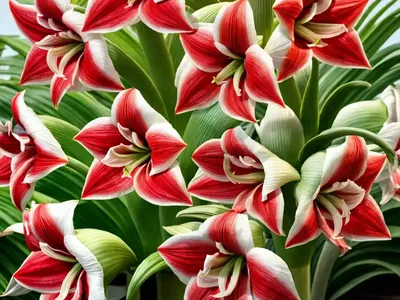
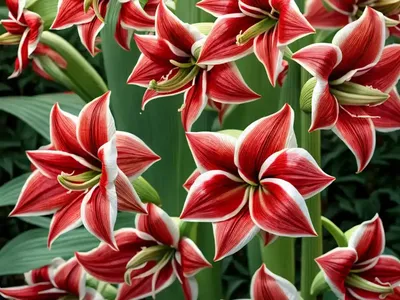
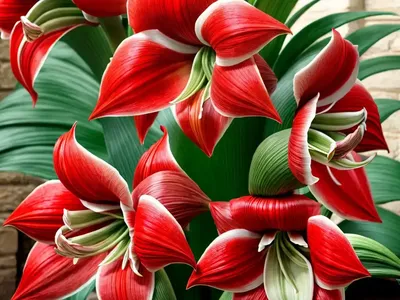
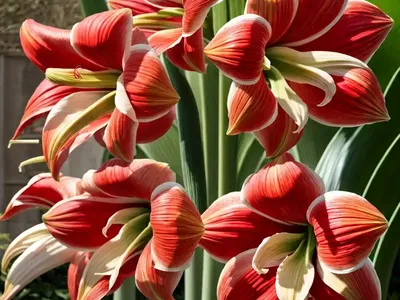
Amaryllis ‘Exotica’ (Hippeastrum)
Plants have a remarkable ability to bring beauty and life to any environment they inhabit. One such captivating plant is the Amaryllis ‘Exotica’.
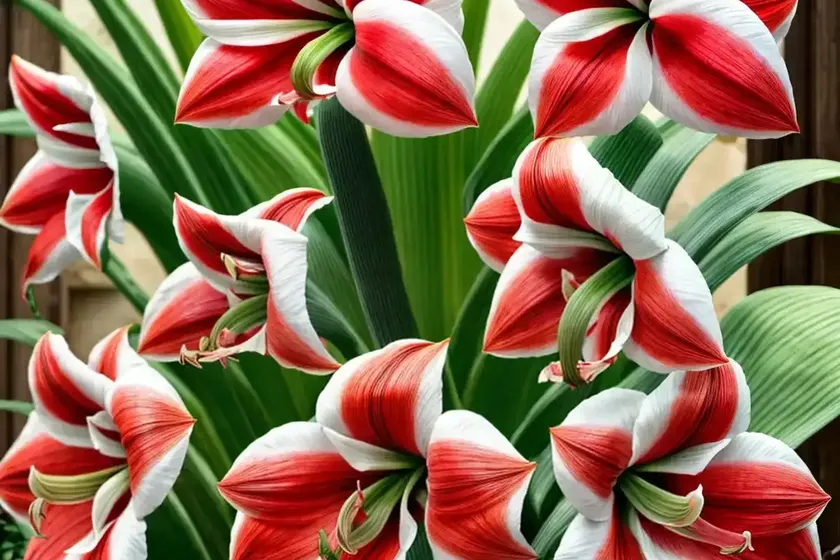
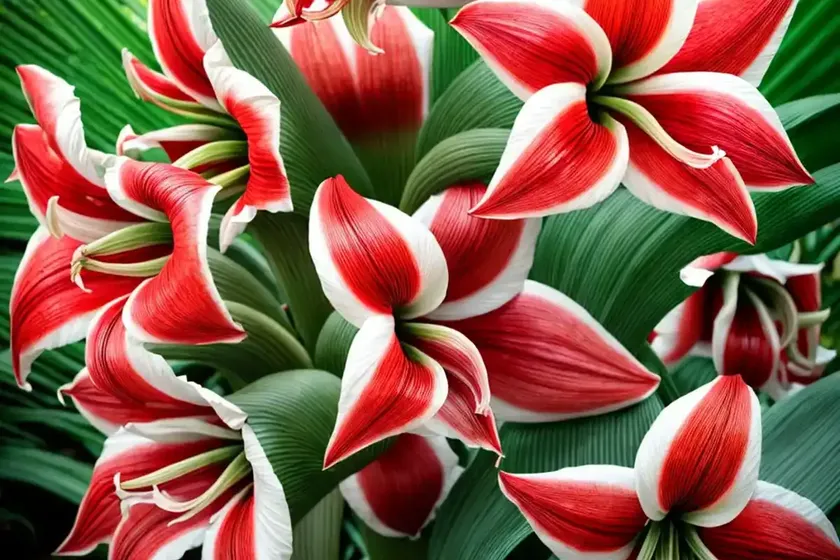
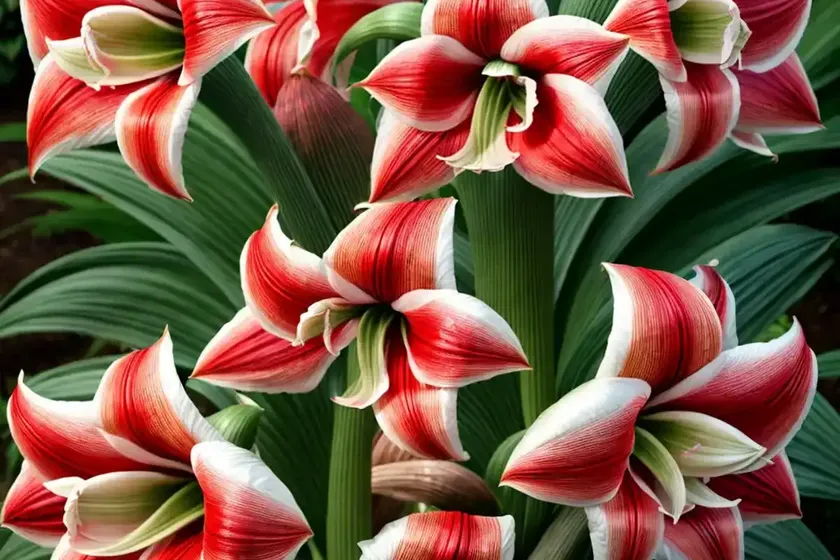
Plants have a remarkable ability to bring beauty and life to any environment they inhabit. One such captivating plant is the Amaryllis ‘Exotica’ (Hippeastrum), known for its stunning flowers and easy care requirements. In this comprehensive guide, we will delve into the world of Amaryllis ‘Exotica’, exploring its cultural significance, uses, care tips, propagation, and much more. Whether you are a seasoned plant enthusiast or a beginner looking to add a touch of elegance to your surroundings, this article will serve as your go-to resource for all things Amaryllis ‘Exotica’.
Key Takeaways – Amaryllis ‘Exotica’ (Hippeastrum)
- Botanical Name: Hippeastrum ‘Exotica’
- Common Name: Amaryllis ‘Exotica’
- Family: Amaryllidaceae
- Native to: South America
- Flower Type: Trumpet-shaped
- Blooming Period: Late winter to early spring
- Growth Habit: Bulbous perennial
Now that we have acquainted ourselves with the essence of Amaryllis ‘Exotica’, let’s explore various facets of this enchanting plant in detail.
Culture
The cultural aspects of Amaryllis ‘Exotica’ play a significant role in its overall health and blooming prowess. Understanding and catering to its specific cultural needs can pave the way for a thriving and visually spectacular plant.
Uses
Amaryllis ‘Exotica’ finds versatile uses in both indoor and outdoor settings:
- Indoor Ornamentation: The plant is a favorite choice for indoor decoration, adding a touch of sophistication and vibrancy to living spaces, offices, and public venues.
- Garden Landscaping: When cultivated outdoors, Amaryllis ‘Exotica’ enhances the beauty of garden borders, rockeries, and mixed beds.
Water
Proper watering is crucial for the well-being of Amaryllis ‘Exotica’. Understanding its unique water requirements can significantly influence its growth and blooming patterns. Here are some essential watering guidelines for Amaryllis ‘Exotica’:
- Moderate Moisture: During the active growing season, maintain moderately moist soil. Allow the top inch of the soil to dry out before watering again.
- Reduced Watering: Reduce watering after the plant has finished blooming and during its dormancy period. Allow the soil to dry out slightly between watering sessions.
Sunlight
Adequate sunlight is pivotal for the development of robust stems and vibrant blooms in Amaryllis ‘Exotica’. Understanding its sunlight preferences can help optimize its growth and flowering potential:
- Bright Indirect Light: Position the plant in a location that receives bright, indirect sunlight. Avoid direct exposure to harsh midday sun to prevent leaf scorch.
Fertilizer
Fertilizing Amaryllis ‘Exotica’ is essential for ensuring vigorous growth and abundant flowering. Here’s a comprehensive guide to fertilizing this captivating plant:
- Balanced Fertilizer: Use a balanced liquid fertilizer diluted to half strength during the active growing season, from late winter to early autumn. Apply the fertilizer every 2-4 weeks.
- Ceased Fertilization: Suspend fertilization once the plant enters its dormancy phase in late autumn. Resume fertilization when new growth emerges in late winter.
Soil
The right soil composition provides Amaryllis ‘Exotica’ with the necessary nutrients and support for its growth and blooming cycle. Consider the following soil requirements for this species:
- Well-draining Medium: Plant Amaryllis ‘Exotica’ in a well-draining potting mix with a good balance of organic matter.
- pH Level: Aim for a slightly acidic to neutral soil pH, around 6.0 to 7.0, to facilitate optimal nutrient uptake.
Pruning
Pruning plays a pivotal role in maintaining the health and aesthetics of Amaryllis ‘Exotica’. Careful pruning practices can contribute to the plant’s longevity and blooming potential. Here are some essential pruning tips for Amaryllis ‘Exotica’:
- Deadheading: Remove spent blooms promptly to encourage the plant to focus its energy on producing new flowers.
- Yellow Foliage: Trim yellowing or withering foliage to enhance the plant’s appearance and prevent the spread of diseases.
Propagation
Propagating Amaryllis ‘Exotica’ offers the opportunity to expand your plant collection and share its beauty with others. Here’s how you can propagate this stunning plant:
- Offspring Bulblets: Amaryllis ‘Exotica’ produces small bulblets around the base of the mother bulb. These bulblets can be carefully detached and planted to grow into new plants.
- Seed Propagation: While slower than bulblet propagation, Amaryllis ‘Exotica’ can also be propagated from seeds. Sow the seeds in a well-draining germination medium and provide the necessary warmth and moisture for successful germination.
Container Popularity
Amaryllis ‘Exotica’ is a highly popular choice for container gardening, owing to its striking blooms and compact growth habit. Cultivating it in containers allows for greater portability and provides an excellent opportunity to bring its beauty indoors during the blooming period.
Container Common Diseases
When grown in containers, Amaryllis ‘Exotica’ may face certain diseases that are commonly associated with container gardening. Understanding and addressing these diseases promptly can help maintain the plant’s vitality. Some of the common diseases include:
- Root Rot: Overly wet and poorly draining soil can lead to root rot in container-grown Amaryllis ‘Exotica’.
- Fungal Infections: Excessive moisture and poor air circulation in containers can make the plant susceptible to fungal diseases such as powdery mildew and botrytis.
Disease Diagnosis
Diagnosing and addressing diseases promptly is vital for protecting the health and vigor of Amaryllis ‘Exotica’. Here are some common symptoms and diagnostic pointers for prevalent diseases:
- Root Rot: Yellowing, wilting foliage, and a foul odor emanating from the soil are indicative of root rot. Carefully inspect the plant’s roots for mushy, discolored tissues.
- Fungal Infections: Look for powdery white spots on the foliage or fuzzy gray mold growth, signaling the presence of fungal infections. Proper ventilation and reduced moisture can help manage these issues.
Common Pests
Amaryllis ‘Exotica’ may encounter pests that can compromise its health and appearance. Vigilant monitoring and appropriate pest management strategies are essential for keeping these unwanted visitors at bay. Some common pests include:
- Aphids: These small, soft-bodied insects cluster on the plant’s tender growth, sucking sap and causing leaf distortion.
- Spider Mites: Infestations of spider mites can lead to stippled, discolored foliage and fine webbing on the plant.
Botanist’s Tips
Having gained insights into the cultural and care aspects of Amaryllis ‘Exotica’, let’s delve into a botanist’s expert recommendations for cultivating and enjoying this captivating plant:
- Supportive Stakes: Use sturdy stakes to support the tall flower stems, preventing them from bending or breaking under the weight of the flowers.
- Winter Dormancy: Allow the plant to undergo a period of dormancy in late autumn by reducing watering and ceasing fertilization. This period of dormancy is essential for the plant’s long-term health and blooming performance.
- Environmental Humidity: When cultivating Amaryllis ‘Exotica’ indoors, consider increasing ambient humidity through methods such as pebble trays or a room humidifier to mimic its natural habitat.
Fun Facts
Let’s wrap up our exploration of Amaryllis ‘Exotica’ with some captivating and intriguing fun facts about this enchanting plant:
- Historical Legacy: The Amaryllis genus has a rich historical significance, with its name derived from a shepherdess in ancient Greek poetry.
- Symbolism: Amaryllis flowers symbolize pride, determination, and radiant beauty, making them a popular choice for gifting on special occasions.
- Botanical Artistry: The impressive blooms of Amaryllis ‘Exotica’ have been celebrated in botanical artwork, capturing their captivating allure for generations.
Links to External Resources
To further your knowledge and appreciation of Amaryllis ‘Exotica’, consider exploring the following external resources:
- The Amaryllis Society: A dedicated platform offering valuable insights, resources, and a community of Amaryllis enthusiasts.
- Royal Horticultural Society – Growing Amaryllis: An informative guide by the Royal Horticultural Society on growing Amaryllis plants, including care and propagation tips.
- American Society for the Prevention of Cruelty to Animals (ASPCA) – Amaryllis Poisoning in Cats: An important resource highlighting the potential toxicity of Amaryllis plants to pets, emphasizing the need for caution and pet safety.
In conclusion, Amaryllis ‘Exotica’ (Hippeastrum) stands as a testament to the captivating beauty and resilience of plant life. With meticulous care, understanding of its unique requirements, and a touch of gardening artistry, you can elevate spaces with the breathtaking allure of this remarkable plant. Embrace the joy of nurturing Amaryllis ‘Exotica’, and witness its enchanting blooms weaving a tapestry of color and charisma into your world.
Remember, in the world of plants, each species possesses its own unparalleled charm and story, waiting to unfold in the hands of passionate cultivators. As you immerse yourself in the realm of Amaryllis ‘Exotica’, may its grace and magnificence inspire your botanical adventures and nurture your love for the green wonders of nature.
Keywords: Amaryllis plant, Exotica Amaryllis, Hippeastrum Exotica, Amaryllis bulbs, Exotica Amaryllis care, Hippeastrum Exotica variety, Amaryllis ‘Exotica’ characteristics, Hippeastrum ‘Exotica’ beauty, Exotica Amaryllis flowers, How to grow Amaryllis ‘Exotica’, Hippeastrum Exotica bloom time, Amaryllis ‘Exotica’ planting tips, Exotica Amaryllis varieties, Hippeastrum Exotica plant family, Amaryllis ‘Exotica’ gardening guide, Exotica Amaryllis propagation, Hippeastrum Exotica care instructions, Amaryllis bulbs ‘Exotica’ for sale, Exotica Amaryllis soil requirements, Hippeastrum Exotica watering needs, Amaryllis ‘Exotica’ foliage color, Exotica Amaryllis indoor planting, Hippeastrum Exotica disease prevention, Amaryllis ‘Exotica’ potting techniques, Exotica Amaryllis sunlight exposure, Hippeastrum Exotica growth habits, Amaryllis ‘Exotica’ pruning tips, Exotica Amaryllis pests and diseases, Hippeastrum Exotica flowering period, Amaryllis ‘Exotica’ seasonal care, Exotica Amaryllis container gardening, Hippeastrum Exotica bulb storage, Amaryllis ‘Exotica’ natural habitat, Exotica Amaryllis companion plants, Hippeastrum Exotica outdoor plantings, Amaryllis ‘Exotica’ unique qualities, Exotica Amaryllis fragrance description, Hippeastrum Exotica leaf structure, Amaryllis ‘Exotica’ water requirements, Exotica Amaryllis root development, Hippeastrum Exotica lifespan, Amaryllis ‘Exotica’ medicinal uses, Exotica Amaryllis decorative uses, Hippeastrum Exotica pollination methods, Amaryllis ‘Exotica’ landscape ideas, Exotica Amaryllis winter care, Hippeastrum Exotica seeds, Amaryllis ‘Exotica’ leaf arrangement, Exotica Amaryllis foliar diseases, Hippeastrum Exotica bulb division