Amaryllis ‘Gervase’ (Hippeastrum)
Amaryllis ‘Gervase,’ scientifically known as Hippeastrum, is a stunning flowering plant that is popular for its large, showy blooms and ease of care. In.
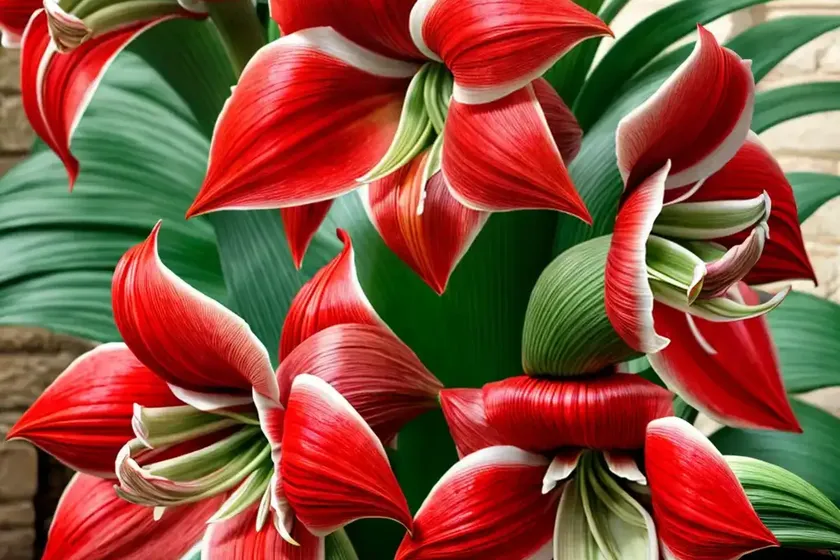
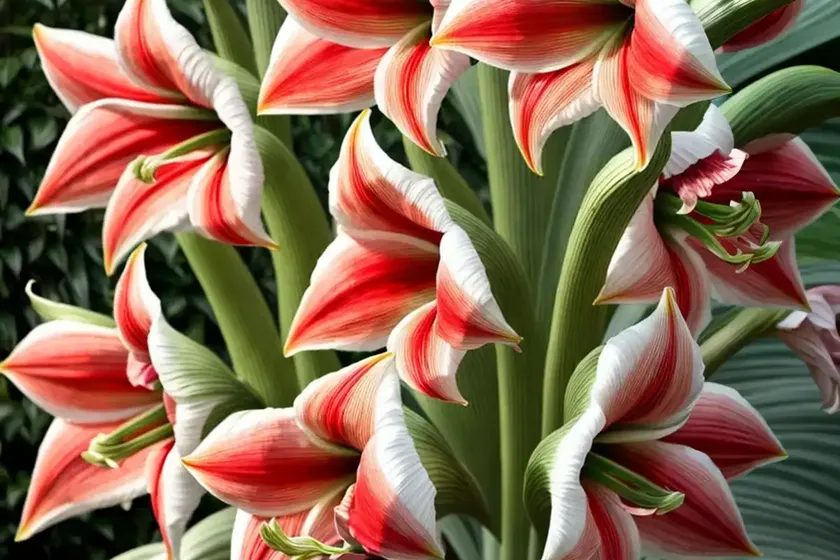
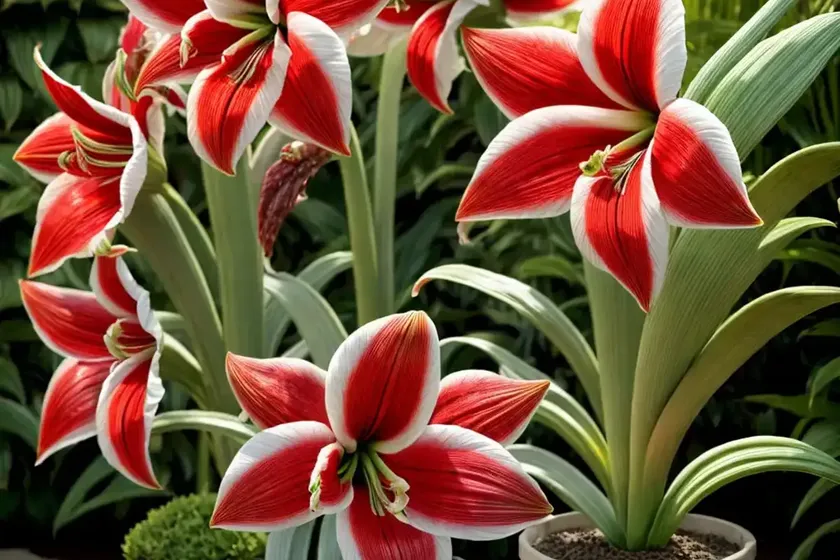
Amaryllis ‘Gervase,’ scientifically known as Hippeastrum, is a stunning flowering plant that is popular for its large, showy blooms and ease of care. In this comprehensive guide, we will delve into the various aspects of cultivating and caring for Amaryllis ‘Gervase.’ From its cultural requirements and uses to propagation, common diseases, and interesting facts, we will cover it all. Whether you are new to gardening or a seasoned plant enthusiast, this guide will provide you with invaluable insights into successfully growing and enjoying the beauty of Amaryllis ‘Gervase.’
What is Amaryllis ‘Gervase’ (Hippeastrum)?
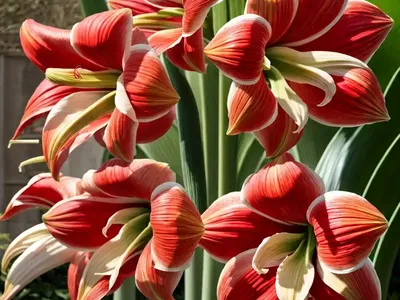
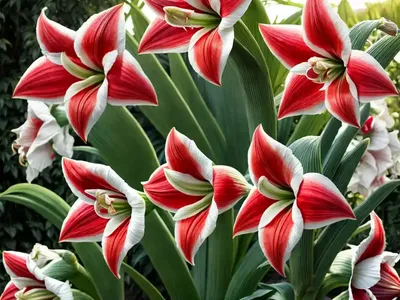
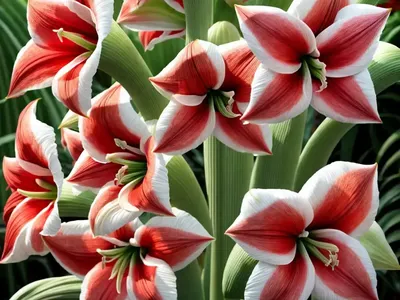
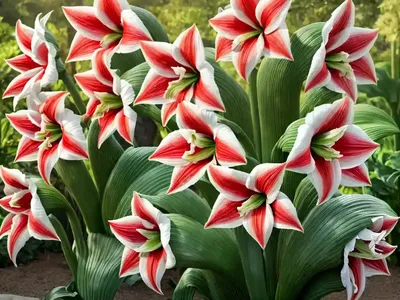
Amaryllis ‘Gervase’ is a member of the genus Hippeastrum, which belongs to the Amaryllidaceae family. It is a bulbous plant that is renowned for its spectacular trumpet-shaped flowers that come in a range of vibrant colors, including various shades of pink, red, and white. This stunning plant is a popular choice for both indoor and outdoor cultivation, and its striking blooms make it a favorite among gardeners and flower enthusiasts.
Key Takeaways – Amaryllis ‘Gervase’ (Hippeastrum)
Before diving into the specifics of cultivating and caring for Amaryllis ‘Gervase,’ let’s overview some key takeaways that will be covered in this guide:
- Culture
- Uses
- Water
- Sunlight
- Fertilizer
- Soil
- Pruning
- Propagation
- Container Popularity
- Common Diseases
- Disease Diagnosis
- Common Pests
- Botanist’s Tips
- Fun Facts
- Links to External Resources
Let’s explore each of these aspects in detail to gain a comprehensive understanding of Amaryllis ‘Gervase’ and how to ensure its optimal growth and blooming.
Culture
Understanding the cultural requirements of Amaryllis ‘Gervase’ is essential for successfully cultivating and nurturing this beautiful plant. From the right amount of sunlight to suitable soil conditions, providing the ideal environment will contribute to the overall health and vitality of the plant.
Uses
Amaryllis ‘Gervase’ is versatile in its uses and can be enjoyed in various settings, including:
- Indoor décor: The striking blooms of Amaryllis ‘Gervase’ make it an excellent choice for bringing color and elegance to indoor spaces.
- Garden displays: When planted outdoors, Amaryllis ‘Gervase’ adds a touch of vibrancy to garden beds, borders, and containers.
- Gifting: The beauty and symbolism of Amaryllis ‘Gervase’ make it a thoughtful and cherished gift for friends and loved ones.
Understanding how to best utilize Amaryllis ‘Gervase’ will allow you to make the most of its stunning features.
Water
Proper watering is crucial for the health and vitality of Amaryllis ‘Gervase.’ Prolonged periods of dryness or excessive moisture can negatively impact the plant’s growth and blooming.
- Watering frequency: Amaryllis ‘Gervase’ requires regular watering, especially during the active growth and blooming periods. However, it is important to avoid waterlogging the soil, as this can lead to root rot.
- Soil moisture: Before watering, it is recommended to check the moisture level of the soil by inserting a finger into the top inch. If the soil feels dry, it is time to water the plant.
Finding the right balance in watering will ensure that Amaryllis ‘Gervase’ thrives and produces stunning blooms.
Sunlight
Adequate sunlight is essential for the growth and blooming of Amaryllis ‘Gervase.’ Understanding its sunlight requirements will enable you to provide the ideal conditions for optimal development.
- Sunlight exposure: Amaryllis ‘Gervase’ thrives in bright, indirect sunlight. When grown indoors, placing the plant near a sunny window or in a well-lit room will support healthy growth.
- Outdoor placement: When cultivating Amaryllis ‘Gervase’ outdoors, it is best to choose a location with partial shade, especially in regions with intense sunlight.
Providing the right amount of sunlight will contribute to robust foliage and the production of stunning, vibrant blooms.
Fertilizer
Applying the appropriate fertilizer is a key aspect of caring for Amaryllis ‘Gervase.’ The right nutrients support healthy growth and enhance the plant’s ability to produce beautiful flowers.
- Fertilizing frequency: During the active growth phase, it is beneficial to fertilize Amaryllis ‘Gervase’ every two to four weeks using a balanced, water-soluble fertilizer.
- Nutrient balance: Look for fertilizers with a balanced NPK ratio, such as 10-10-10 or 20-20-20, to provide essential macro and micronutrients.
Selecting the right fertilizer and adhering to a consistent fertilization schedule will promote the overall health and vitality of Amaryllis ‘Gervase.’
Soil
The quality and composition of the soil significantly impact the growth and development of Amaryllis ‘Gervase.’ By understanding the ideal soil conditions, you can create a nurturing environment for the plant.
- Well-draining soil: Amaryllis ‘Gervase’ thrives in well-draining potting mixes or garden soil. Excessively compacted or water-retaining soils should be avoided to prevent waterlogged conditions.
- pH requirements: The ideal soil pH for Amaryllis ‘Gervase’ ranges from 6.0 to 7.0, providing a slightly acidic to neutral environment that supports nutrient uptake.
Choosing the right soil medium and maintaining suitable pH levels will contribute to the overall health and vigor of Amaryllis ‘Gervase.’
Pruning
Pruning is an important aspect of Amaryllis ‘Gervase’ care, as it helps maintain the plant’s shape, remove spent flowers, and promote future growth and blooming.
- Spent flower removal: After the blooms have faded, it is advisable to carefully remove the spent flowers by snipping the stem close to the base.
- Leaf maintenance: While the foliage is still green and healthy, avoid cutting or removing the leaves, as they play a crucial role in the plant’s ability to produce energy through photosynthesis.
Proper pruning practices will ensure that Amaryllis ‘Gervase’ remains healthy and attractive throughout its growth cycle.
Propagation
Exploring the methods of propagating Amaryllis ‘Gervase’ allows you to expand your collection of these stunning plants and share their beauty with others.
- Bulb offsets: Amaryllis ‘Gervase’ can be propagated by dividing and planting bulb offsets that develop around the main bulb.
- Seed propagation: While it is a slower method, Amaryllis ‘Gervase’ can be grown from seeds, offering an alternative approach to propagation.
Understanding the propagation techniques will open up possibilities for expanding your Amaryllis ‘Gervase’ collection and sharing the joy of cultivating this beautiful plant.
Container Popularity
Amaryllis ‘Gervase’ is a popular choice for container gardening, offering the versatility to be enjoyed indoors and outdoors. The stunning blooms and manageable size make it an excellent plant for container displays and indoor décor.
- Container selection: Choose spacious, well-draining containers that provide ample space for the bulb and root development.
- Indoor display: Amaryllis ‘Gervase’ adds a touch of elegance to indoor spaces, making it a popular choice for container gardening enthusiasts.
Exploring the various container options and placement possibilities will help you make the most of growing Amaryllis ‘Gervase’ in containers.
Common Diseases
Amaryllis ‘Gervase’ is susceptible to certain diseases, and understanding their symptoms and preventative measures is crucial for maintaining the plant’s health.
- Botrytis blight: This fungal disease can cause brown spots on the leaves and flowers, eventually leading to decay. Proper air circulation and avoiding moisture on the foliage can help prevent botrytis blight.
- Leaf scorch: Overexposure to intense sunlight or excessive heat can lead to leaf scorch, causing browning and damage to the foliage. Providing shade during peak sunlight hours can help prevent leaf scorch.
Being aware of common diseases and their prevention measures will aid in maintaining the overall well-being of Amaryllis ‘Gervase.’
Disease Diagnosis
Recognizing the symptoms of diseases and disorders in Amaryllis ‘Gervase’ will enable you to take prompt action and implement appropriate treatments.
- Visual inspection: Regularly examine the plant for any signs of discoloration, spots, or unusual growth patterns.
- Consultation: Seek guidance from experienced gardeners or plant professionals to accurately diagnose any symptoms that may indicate diseases or stress.
Understanding how to diagnose diseases will empower you to provide timely care and support for Amaryllis ‘Gervase.’
Common Pests
Amaryllis ‘Gervase’ can be affected by various pests that impact its growth and blooming. Identifying these pests and implementing effective pest control measures is essential for protecting the plant.
- Aphids: These small, sap-sucking insects can cause leaf distortion and damage. Insecticidal soaps or neem oil can be used to control aphid infestations.
- Spider mites: These tiny pests can cause webbing on the foliage and weaken the plant. Regularly spraying the plant with water and applying insecticidal soap can help manage spider mite populations.
Recognizing common pests and taking proactive measures will help safeguard the health and vigor of Amaryllis ‘Gervase.’
Botanist’s Tips
Incorporating expert advice and tips from botanists and experienced growers can enhance your approach to cultivating and caring for Amaryllis ‘Gervase.’
- Professional guidance: Seek insights and recommendations from botanists, horticulturists, or botanical gardens to gain valuable tips for optimal Amaryllis ‘Gervase’ care.
- Support networks: Engage with gardening communities and online forums to connect with fellow enthusiasts and exchange knowledge and experiences.
Leveraging the wisdom and expertise of botanists can enrich your journey in cultivating Amaryllis ‘Gervase’ and mastering its care.
Fun Facts
Discovering interesting and unique facts about Amaryllis ‘Gervase’ adds a layer of fascination to your experience with this captivating plant.
- Symbolism: Amaryllis is often associated with pride, determination, and radiant beauty, making it a meaningful gift and ornamental plant.
- History: The cultivation of Amaryllis dates back centuries, with various species and hybrids captivating gardeners and flower enthusiasts worldwide.
Exploring fun facts about Amaryllis ‘Gervase’ adds depth and character to your interaction with this remarkable plant.
Links to External Resources
To further expand your knowledge and understanding of Amaryllis ‘Gervase’ and its care, consider exploring the following external resources:
- American Society for Horticultural Science
- Royal Horticultural Society
- American Horticultural Society
- University Extension Services
By referring to reputable organizations and educational resources, you can access valuable insights and guidance for cultivating Amaryllis ‘Gervase’ with expertise and confidence.
In conclusion, Amaryllis ‘Gervase’ (Hippeastrum) is a captivating plant that offers an array of vibrant blooms and a delightful cultivation experience. By delving into its cultural requirements, propagation methods, disease prevention, and more, you can establish a nurturing environment for Amaryllis ‘Gervase’ and revel in its beauty throughout the seasons. Whether grown indoors or showcased in outdoor garden displays, this remarkable plant leaves a lasting impression with its mesmerizing blooms and effortless elegance.