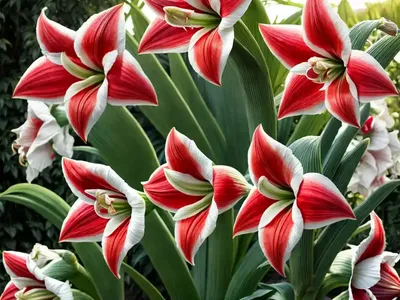
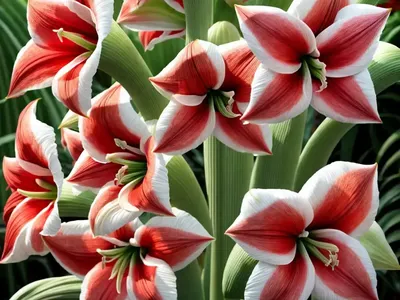
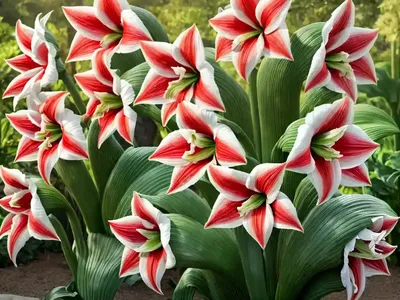
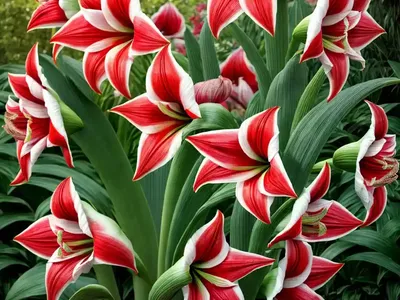
Amaryllis ‘Giant Amadeus’ (Hippeastrum)
Key Takeaways – Amaryllis ‘Giant Amadeus’ (Hippeastrum) Before we dive into the details, let’s highlight some key takeaways about the Amaryllis ‘Giant.
Key Takeaways – Amaryllis ‘Giant Amadeus’ (Hippeastrum)
Before we dive into the details, let’s highlight some key takeaways about the Amaryllis ‘Giant Amadeus’ (Hippeastrum) that will be covered in this guide:
-
Name: Amaryllis ‘Giant Amadeus’ (Hippeastrum)
-
Cultural Requirements: Water, sunlight, fertilizer, soil, pruning, propagation, and container preferences.
-
Popularity: Amaryllis ‘Giant Amadeus’ (Hippeastrum) is a sought-after plant due to its vibrant and large flowers.
-
Common Diseases: Understanding the potential diseases and their diagnosis is crucial for maintaining the health of the plant.
-
Common Pests: Identifying and controlling common pests will help in preserving the beauty of the Amaryllis ‘Giant Amadeus’ (Hippeastrum).
-
Botanist’s Tips: Practical advice and recommendations from botanists for effectively caring for this plant.
-
Fun Facts: Interesting and little-known facts about Amaryllis ‘Giant Amadeus’ (Hippeastrum) to deepen your appreciation for this beautiful species.
Let’s explore each of these aspects in detail to gain a comprehensive understanding of this captivating plant.
Culture
Cultivating Amaryllis ‘Giant Amadeus’ (Hippeastrum) involves understanding its specific cultural needs, from watering and sunlight requirements to soil and fertilization.
Uses
The Amaryllis ‘Giant Amadeus’ (Hippeastrum) is primarily grown for its stunning flowers and is commonly used:
- As a decorative indoor plant.
- In flower arrangements and bouquets.
- To beautify outdoor landscapes and garden beds.
Water
Proper watering is essential for the health and vitality of Amaryllis ‘Giant Amadeus’ (Hippeastrum). It is important to strike a balance and avoid over-watering or under-watering the plant. The following guidelines can help:
- Allow the soil to dry out slightly between waterings, but never let it become completely dry.
- During the growing season, water thoroughly when the top inch of the soil feels dry to the touch, and reduce watering after the plant finishes blooming.
Sunlight
Amaryllis ‘Giant Amadeus’ (Hippeastrum) thrives in bright, indirect light and requires:
- At least 4-6 hours of sunlight each day.
- Protection from intense, direct sunlight to prevent leaf burn.
Fertilizer
To support the growth and blooming of Amaryllis ‘Giant Amadeus’ (Hippeastrum), it is essential to provide it with appropriate fertilization:
- Use a balanced, water-soluble fertilizer with a higher phosphorus content to promote flowering.
- Fertilize every 2-4 weeks during the growing season, and reduce or eliminate fertilization during the plant’s dormant period.
Soil
Proper soil composition is crucial for the well-being of Amaryllis ‘Giant Amadeus’ (Hippeastrum):
- Use a well-draining potting mix with a neutral to slightly acidic pH.
- Add organic matter to the soil to improve its structure and nutrient content.
Pruning
Regular pruning is beneficial for Amaryllis ‘Giant Amadeus’ (Hippeastrum) to maintain its health and appearance:
- Remove spent flowers to encourage the development of new buds.
- Trim yellowed or withered leaves to improve the plant’s overall aesthetics.
Propagation
Amaryllis ‘Giant Amadeus’ (Hippeastrum) can be propagated through offsets or seeds:
- Allow offsets to develop on the mature bulbs and carefully separate them for propagation.
- If propagating from seeds, sow them in a well-draining soil mix and provide the appropriate conditions for germination.
Container
When growing Amaryllis ‘Giant Amadeus’ (Hippeastrum) in containers, several considerations should be kept in mind:
- Use a container with drainage holes to prevent waterlogging.
- Ensure that the container is spacious enough for the bulb and its roots to develop.
Popularity
Amaryllis ‘Giant Amadeus’ (Hippeastrum) is a popular choice among plant enthusiasts and gardeners due to several appealing characteristics:
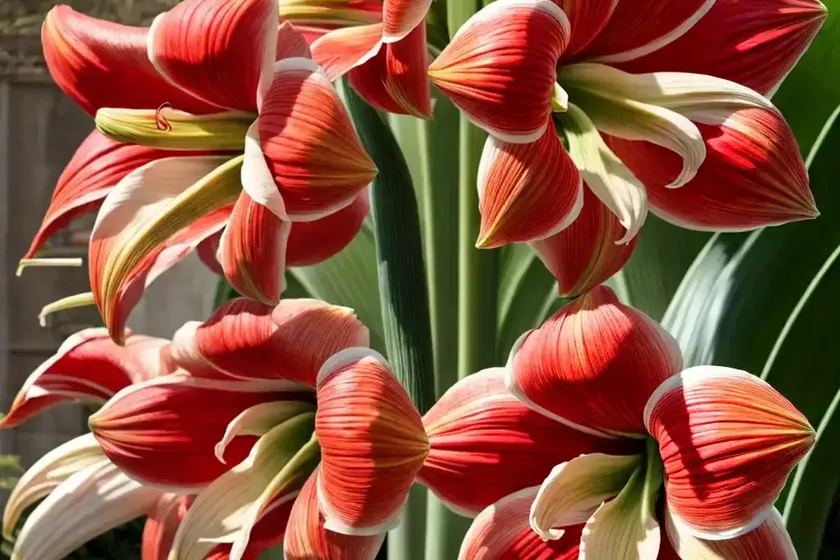
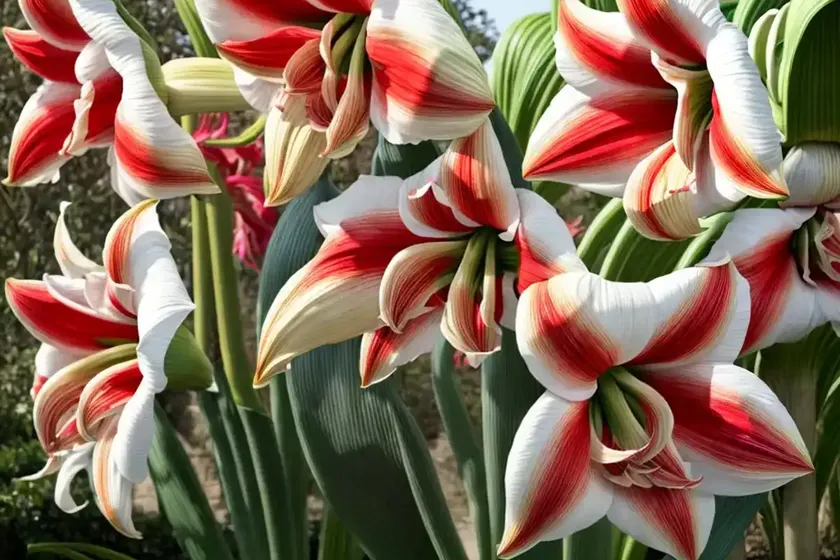
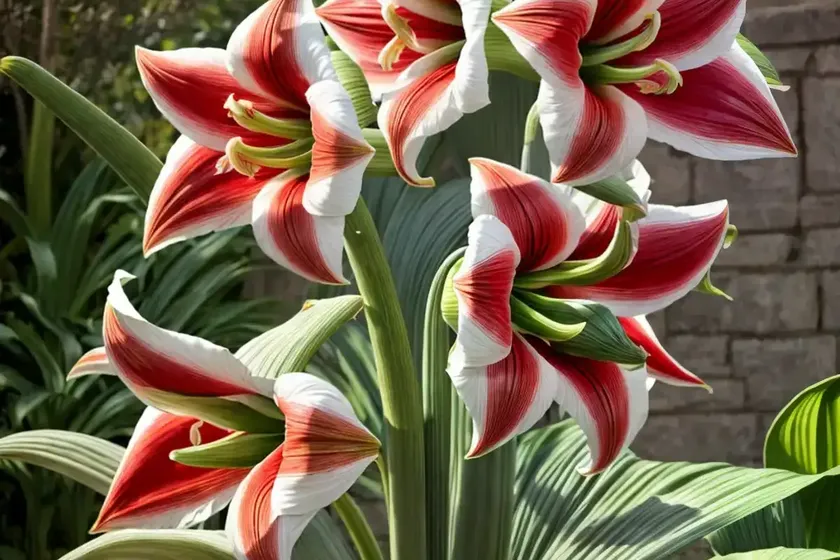
- Large, showy flowers in various hues, including red, pink, and white.
- Ease of cultivation, making it suitable for both experienced and novice gardeners.
- Availability of a wide range of hybrids and varieties, offering diverse flower shapes and colors.
Common Diseases
Despite being relatively low-maintenance, Amaryllis ‘Giant Amadeus’ (Hippeastrum) is susceptible to certain diseases. Understanding these diseases and their diagnosis is crucial for effective management.
Disease Diagnosis
Some common diseases that may affect Amaryllis ‘Giant Amadeus’ (Hippeastrum) include:
- Leaf Scorch: Identified by brown, desiccated leaf margins, which may result from excessive sunlight or inconsistent watering.
- Botrytis Blight: Recognized by gray mold on flowers and foliage, usually caused by excessive moisture and poor air circulation.
- Leaf Spot: Characterized by dark or water-soaked spots on the leaves, often due to fungal infections and excess humidity.
Proper diagnosis and prompt intervention are essential to prevent the spread of these diseases and preserve the plant’s health.
Common Pests
Several pests may pose a threat to the well-being of Amaryllis ‘Giant Amadeus’ (Hippeastrum). Identifying and addressing these pests is crucial for maintaining the plant’s vigor and beauty.
- Aphids: Small, soft-bodied insects that cluster on the new growth, consuming plant sap and causing distorted growth.
- Thrips: Tiny, slender insects that feed on flower buds and leaves, leading to silver-gray scars on the affected areas.
- Spider Mites: Minute pests that thrive in dry conditions, causing stippling and webbing on the leaves.
Implementing integrated pest management practices, such as regular inspection and targeted treatments, is essential for managing these pests effectively.
Botanist’s Tips
As a seasoned botanist, I would like to share some practical tips for effectively caring for Amaryllis ‘Giant Amadeus’ (Hippeastrum):
-
Pot Size: When planting Amaryllis ‘Giant Amadeus’ (Hippeastrum) bulbs, select a pot that provides ample space for bulb and root growth. A larger pot can help prevent overcrowding and promote healthy development.
-
Winter Care: During the winter months, reduce watering and move the plant to a cooler location to facilitate dormancy. This period of rest is essential for the plant’s future growth and blooming.
-
Pruning Guidance: When pruning Amaryllis ‘Giant Amadeus’ (Hippeastrum), use sanitized pruning tools to prevent the spread of diseases. Remove any discolored or diseased foliage to maintain plant health.
Fun Facts
To deepen your appreciation for Amaryllis ‘Giant Amadeus’ (Hippeastrum), here are some fascinating and lesser-known facts about this delightful plant:
- The name “Amaryllis” is derived from the Greek word “amarysso,” which means “to sparkle.”
- The bulbs of Amaryllis ‘Giant Amadeus’ (Hippeastrum) can be stored and replanted for subsequent blooming seasons, providing years of enjoyment.
- Amaryllis ‘Giant Amadeus’ (Hippeastrum) is not only prized for its beauty but also for its symbolic significance, representing determination and success.
Links to External Resources
For further exploration of Amaryllis ‘Giant Amadeus’ (Hippeastrum), I recommend the following resources:
- Royal Horticultural Society – Amaryllis and Hippeastrum
- University of Florida IFAS Extension – Hippeastrum Species and Hybrids for the Gardener
- American Society for the Prevention of Cruelty to Animals – Toxic and Non-Toxic Plants: Amaryllis
I hope this comprehensive guide has provided valuable insights into the captivating world of Amaryllis ‘Giant Amadeus’ (Hippeastrum). By understanding its cultural requirements, common issues, and practical tips, you will be well-equipped to cultivate and enjoy the beauty of this remarkable plant.
Remember to embrace the journey of caring for Amaryllis ‘Giant Amadeus’ (Hippeastrum) and appreciate the vibrant blooms it brings into your life.
Happy gardening!