Amaryllis ‘Exotic Star’ (Hippeastrum)
Amaryllis ‘Exotic Star’ (Hippeastrum) is a stunning flowering plant that has captivated the hearts of many gardeners and indoor plant enthusiasts. Known.
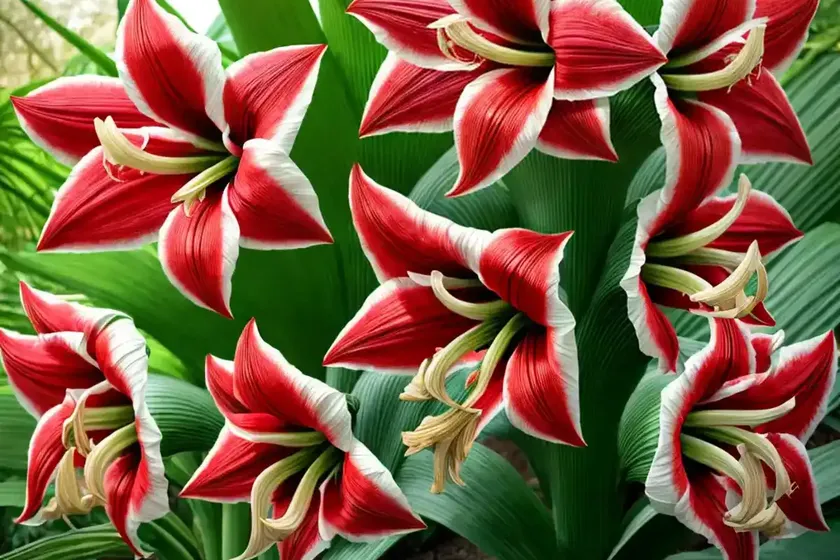
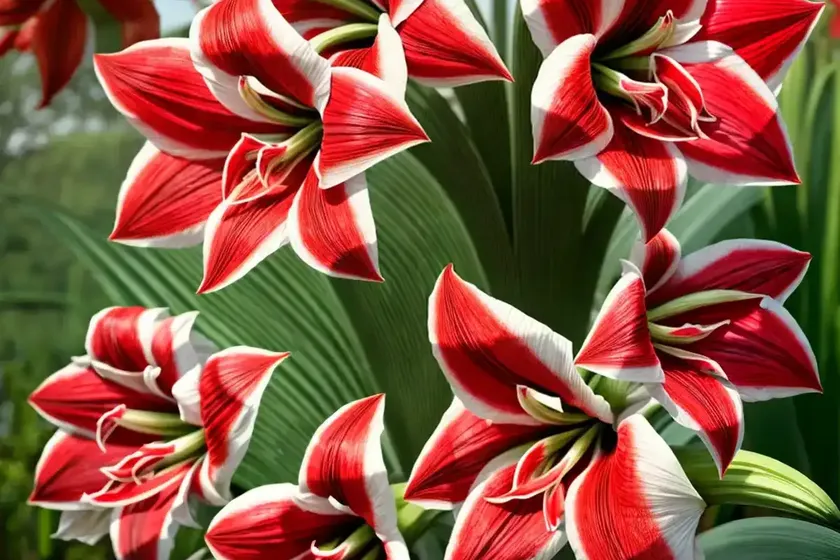
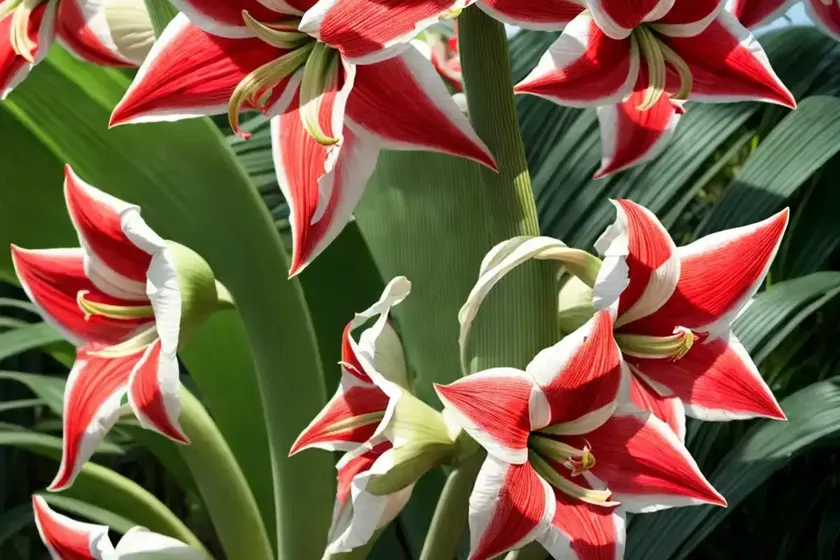
Amaryllis ‘Exotic Star’ (Hippeastrum) is a stunning flowering plant that has captivated the hearts of many gardeners and indoor plant enthusiasts. Known for its exquisite blooms and easy maintenance, the Amaryllis ‘Exotic Star’ is a popular choice for adding vibrancy and elegance to both indoor and outdoor spaces.
In this comprehensive guide, we will delve into the various aspects of caring for and appreciating the beauty of Amaryllis ‘Exotic Star’ (Hippeastrum). From its cultural significance to its growth stages and maintenance requirements, this guide aims to provide an extensive understanding of this captivating plant.
Key Takeaways – Amaryllis ‘Exotic Star’ (Hippeastrum)
Before we delve into the specifics of caring for Amaryllis ‘Exotic Star’, let’s take a look at some key takeaways:
- Scientific Name: Hippeastrum ‘Exotic Star’
- Type: Perennial bulbous flowering plant
- Bloom Color: A range of colors including red, pink, white, and more
- Blooming Season: Winter to early spring
- Growth Habit: Upright, strap-like leaves with tall, sturdy flower stalks
- Uses: Indoor and outdoor decorative plant
- Propagation: Offsets (bulb division) and seeds
- Common Pests: Aphids, spider mites
- Common Diseases: Botrytis blight, powdery mildew
Now, let’s explore each of these aspects in detail.
What is Amaryllis ‘Exotic Star’ (Hippeastrum)?
Amaryllis ‘Exotic Star’, scientifically known as Hippeastrum ‘Exotic Star’, is a species of flowering bulbous plant in the Amaryllidaceae family. Native to the tropical and subtropical regions of the Americas, particularly Brazil, this plant has gained immense popularity as an ornamental garden and indoor plant due to its stunning, trumpet-shaped blooms and ease of cultivation.
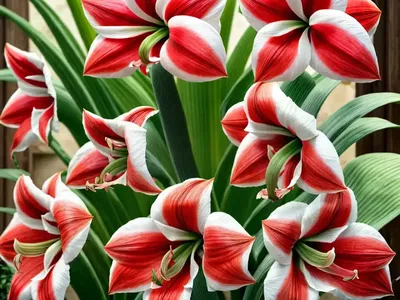
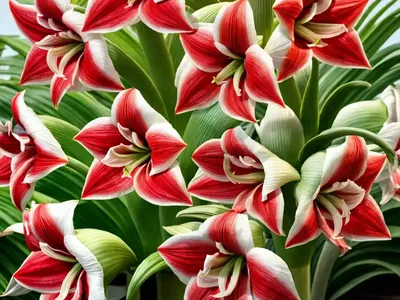
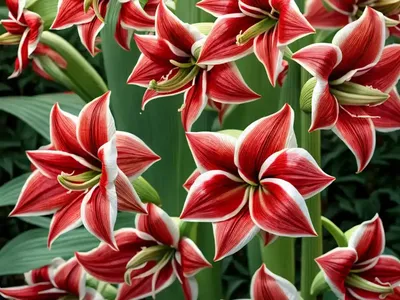
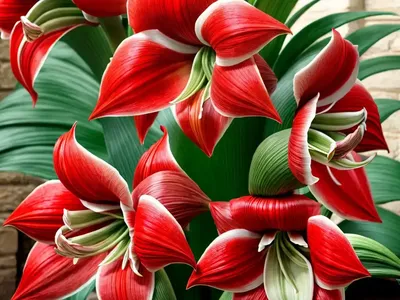
The Amaryllis ‘Exotic Star’ is celebrated for its ability to produce large, showy flowers in an array of captivating colors, ranging from deep reds and pinks to pristine whites. Additionally, its striking appearance and relatively low maintenance requirements make it a favored choice for both novice and experienced plant enthusiasts.
In the following sections, we will delve into the various aspects of cultivating and caring for Amaryllis ‘Exotic Star’, allowing you to harness the full potential of this remarkable plant.
Culture of Amaryllis ‘Exotic Star’
The culture or growing practices of Amaryllis ‘Exotic Star’ are crucial in ensuring the plant’s health and the successful development of its iconic blooms. Cultivation practices encompass various factors such as water requirements, sunlight exposure, soil conditions, and fertilization.
Uses
Before delving into the specifics of its cultivation, it’s essential to understand the multiple uses of Amaryllis ‘Exotic Star’. Here are some common applications of this captivating plant:
- Indoor Décor: Amaryllis ‘Exotic Star’ is frequently grown indoors as a potted plant, enhancing the aesthetics of living spaces with its elegant blooms.
- Outdoor Landscaping: In temperate climates, it can be utilized in outdoor garden beds or containers to bring bursts of color to the landscape.
- Gifts and Presents: The Amaryllis ‘Exotic Star’ bulb kits and potted plants are popular as gifts, particularly during the holiday season due to their striking blooms.
- Cut Flowers: The flowers are often utilized in floral arrangements and as cut flowers due to their longevity and striking appearance.
Water
Adequate water management is fundamental to the successful cultivation of Amaryllis ‘Exotic Star’. The plant’s water requirements vary throughout its growth cycle, necessitating vigilance and consideration.
Key Points:
– Watering: During the growing season, water the plant regularly, ensuring that the soil is consistently moist but not waterlogged. Allow the soil to dry out slightly between waterings to prevent root rot.
– Reduced Watering: As the plant enters dormancy (after blooming), gradually reduce watering to induce a period of rest.
Sunlight
Sunlight is a vital factor that influences the growth and flowering of Amaryllis ‘Exotic Star’. Providing the plant with appropriate sunlight exposure is instrumental in ensuring robust growth and the development of vibrant blooms.
Key Points:
– Sun Requirements: Amaryllis ‘Exotic Star’ flourishes in bright, indirect light. Ensure that the plant receives at least 6-8 hours of sunlight daily, preferably in the morning or late afternoon to avoid intense midday sun.
Fertilizer
Proper fertilization contributes to the overall health and vigor of Amaryllis ‘Exotic Star’, promoting robust foliage and prolific flowering.
Key Points:
– Fertilization Schedule: During the active growing phase, apply a balanced, water-soluble fertilizer every 2-4 weeks to support healthy growth and blooming.
– Reduced Feeding: Cease fertilization as the plant transitions into dormancy, allowing it to naturally rest and prepare for its next blooming cycle.
Soil
The choice of soil and its composition play a pivotal role in the growth and development of Amaryllis ‘Exotic Star’. The right soil composition provides adequate drainage and nutrient availability, safeguarding the plant from potential issues such as root rot.
Key Points:
– Well-Draining Soil: Utilize a well-draining potting mix, preferably a blend formulated for bulbs or succulent plants. Good drainage prevents waterlogged conditions that can lead to root issues.
– Nutrient-Rich Medium: The soil should be nutrient-rich, fostering healthy growth and vibrant blooms. Consider supplementing the soil with organic matter or slow-release fertilizers for sustained nourishment.
Pruning
Pruning is an essential aspect of Amaryllis ‘Exotic Star’ care, facilitating enhanced blooming and maintaining the plant’s overall appearance.
Key Points:
– Spent Flowers: Remove spent flowers promptly to encourage the plant to direct its energy towards producing new blooms.
– Foliage Pruning: Avoid cutting back the foliage after blooming, as the leaves aid in replenishing the bulb for the next blooming cycle.
Propagation of Amaryllis ‘Exotic Star’
The propagation of Amaryllis ‘Exotic Star’ primarily occurs through offsets, commonly referred to as bulb division, and potentially through seeds. Understanding the propagation methods is essential for expanding your Amaryllis ‘Exotic Star’ collection or sharing the plant with fellow gardening enthusiasts.
Offset Propagation
Propagating Amaryllis ‘Exotic Star’ through offsets involves separating the bulb’s offshoots, which can subsequently be planted individually to establish new plants.
Key Points:
– Division: Wait until the offsets (small bulbs) have developed and are large enough to be handled. Gently separate them from the parent bulb, ensuring that each offset has its own roots or root primordia.
– Planting: Plant the offsets in separate containers or directly in the garden, ensuring proper care and maintenance to promote their healthy establishment and growth.
Seed Propagation
While less commonly practiced due to the time and effort involved, Amaryllis ‘Exotic Star’ can also be propagated from seeds.
Key Points:
– Seed Harvesting: Allow the spent flowers to form seed pods. Harvest the seeds once the pods mature and begin to split open, revealing the dark, angular seeds.
– Sowing: Sow the seeds in a well-draining, nutrient-rich soil medium, covering them lightly with soil. Keep the soil consistently moist, and protect the seeds from direct sunlight until germination occurs.
Amaryllis ‘Exotic Star’ in Containers
The Amaryllis ‘Exotic Star’ is exceptionally well-suited for container cultivation, presenting an excellent option for indoor and patio gardening enthusiasts. Understanding the specific considerations for growing Amaryllis ‘Exotic Star’ in containers is pivotal for realizing the plant’s full potential in a limited space.
Popularity in Containers
The Amaryllis ‘Exotic Star’ is widely favored for container gardening due to several compelling reasons:
- Space Efficiency: Its compact nature and vertical growth habit make it an excellent choice for small or restricted spaces.
- Decorative Value: The striking blooms of Amaryllis ‘Exotic Star’ add vibrancy and elegance to indoor settings, serving as captivating focal points.
- Ease of Maintenance: Container-grown Amaryllis ‘Exotic Star’ plants are relatively easy to care for and can be moved as needed to optimize their growing conditions.
Common Diseases in Container-Grown Amaryllis ‘Exotic Star’
Container cultivation offers numerous benefits, yet it also necessitates attentiveness to potential diseases and issues that can arise. Common diseases affecting Amaryllis ‘Exotic Star’ in containers include:
Botrytis Blight:
– Symptoms: Gray mold on foliage and flowers, often triggered by prolonged high humidity and poor air circulation.
– Preventative Measures: Ensure proper air circulation, avoid overhead watering, and maintain moderate humidity levels.
Powdery Mildew:
– Symptoms: White, powdery patches on leaves and stems, typically occurring in dry, warm conditions.
– Preventative Measures: Adequate spacing of plants, consistent air circulation, and applications of fungicidal sprays can aid in preventing powdery mildew infestations.
Common Pests of Amaryllis ‘Exotic Star’
Pests can pose a significant threat to the health and wellness of Amaryllis ‘Exotic Star’ plants, necessitating vigilance and proactive pest management strategies to ensure their protection.
Aphids
Aphids are small, sap-sucking insects that can congregate on the foliage, flower buds, and stems of Amaryllis ‘Exotic Star’, potentially causing damage and transmitting viral diseases.
Identification and Control:
– Signs of Infestation: Look for clusters of small, soft-bodied insects on the plant, often appearing green or black in color.
– Control Measures: Utilize insecticidal soaps, neem oil, or horticultural oils to manage aphid populations. Introducing natural predators such as ladybugs can also aid in controlling aphid infestations.
Spider Mites
Spider mites are minuscule pests that feed on plant sap, causing stippling, discoloration, and webbing on the foliage of Amaryllis ‘Exotic Star’.
Identification and Control:
– Signs of Infestation: Look for webbing on the foliage and stippling (tiny dots) on the leaves, indicating spider mite activity.
– Control Measures: Regularly hose down the plant to dislodge and remove spider mites. Additionally, applications of insecticidal soaps or neem oil can effectively manage spider mite infestations.
Botanist’s Tips for Amaryllis ‘Exotic Star’ Care
In addition to the fundamental care considerations discussed earlier, here are some expert tips to elevate your Amaryllis ‘Exotic Star’ cultivation experience:
- Temperature Sensitivity: Protect Amaryllis ‘Exotic Star’ from extreme temperatures, ensuring that it is not exposed to cold drafts or direct heat sources, which can adversely impact its growth and blooming.
- Overwintering: In regions with harsh winters, bring potted Amaryllis ‘Exotic Star’ indoors before the first frost, allowing it to overwinter in a cool, dark location for approximately 8-10 weeks to encourage blooming.
- Support for Tall Stems: As the flower stalks of Amaryllis ‘Exotic Star’ emerge and elongate, provide individual support stakes to prevent the stems from bending or drooping, preserving the upright presentation of the blooms.
Fun Facts about Amaryllis ‘Exotic Star’
Amaryllis ‘Exotic Star’ possesses several fascinating attributes and qualities that contribute to its allure. Here are some intriguing fun facts about this remarkable flowering plant:
- The name ‘Amaryllis’ is derived from the Greek word “amarysso,” meaning “to sparkle,” alluding to the radiant beauty of its blooms.
- Amaryllis ‘Exotic Star’ bulbs are notably resilient, capable of producing multiple flowering stalks over several years if provided with optimal care and growing conditions.
- The plant’s vibrant blooms serve as a significant source of nectar, attracting and supporting pollinators such as bees and butterflies, contributing to ecological diversity.
Links to External Resources
To further expand your knowledge and exploration of Amaryllis ‘Exotic Star’ (Hippeastrum), consider exploring the following external resources:
- Royal Horticultural Society (RHS) – Amaryllis Growing Guide: This comprehensive guide offers valuable insights into Amaryllis cultivation, care, and optimal growing conditions, enhancing your understanding of this captivating plant.
- American Society for the Prevention of Cruelty to Animals (ASPCA) – Amaryllis Plant Care: The ASPCA provides a detailed overview of Amaryllis care, highlighting essential considerations for pet safety and plant wellness.
In conclusion, the Amaryllis ‘Exotic Star’ (Hippeastrum) is a striking and alluring flowering plant that holds widespread appeal due to its captivating blooms and relatively straightforward care requirements. By considering the detailed insights and recommendations provided in this guide, you can embark on a rewarding journey of nurturing and appreciating the beauty of Amaryllis ‘Exotic Star’, creating enchanting displays of floral splendor in both indoor and outdoor settings.
Remember, cultivating Amaryllis ‘Exotic Star’ is not merely an exercise in horticulture but a celebration of nature’s artistry and the joy of witnessing the resplendent beauty of flowering plants.
Note: Always verify specific care practices and recommendations based on your local climate and growing conditions, as regional variations can impact plant care requirements.
Keywords:
1. Amaryllis ‘Exotic Star’ care
2. Hippeastrum ‘Exotic Star’
3. Amaryllis ‘Exotic Star’ bulbs
4. Growing Hippeastrum ‘Exotic Star’
5. Amaryllis ‘Exotic Star’ propagation
6. Hippeastrum ‘Exotic Star’ varieties
7. Amaryllis ‘Exotic Star’ blooming
8. How to plant Hippeastrum ‘Exotic Star’
9. Amaryllis ‘Exotic Star’ flowering season
10. Hippeastrum ‘Exotic Star’ indoor gardening
11. Amaryllis ‘Exotic Star’ container gardening
12. Hippeastrum ‘Exotic Star’ potting tips
13. Amaryllis ‘Exotic Star’ gardening tips
14. Hippeastrum ‘Exotic Star’ maintenance
15. Amaryllis ‘Exotic Star’ soil requirements
16. Hippeastrum ‘Exotic Star’ watering schedule
17. Amaryllis ‘Exotic Star’ sunlight needs
18. Hippeastrum ‘Exotic Star’ fertilizer recommendations
19. Amaryllis ‘Exotic Star’ pests and diseases
20. Hippeastrum ‘Exotic Star’ common problems