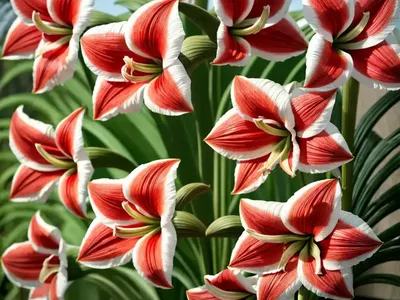
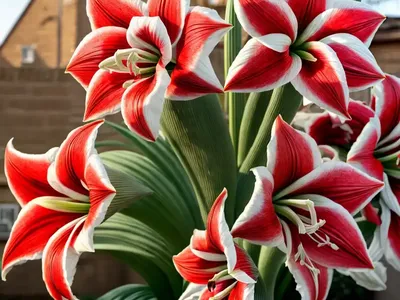
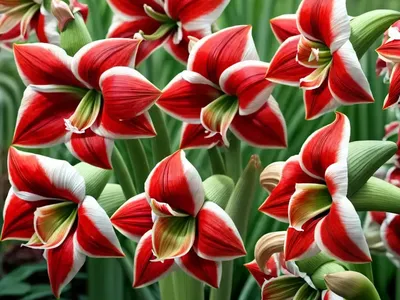
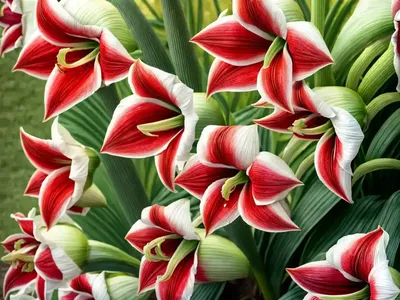
Amaryllis ‘Cherry Nymph’ (Hippeastrum)
In the world of flowering plants, Amaryllis ‘Cherry Nymph’ (Hippeastrum) stands out for its vibrant and captivating blooms. Its beauty, coupled with its.
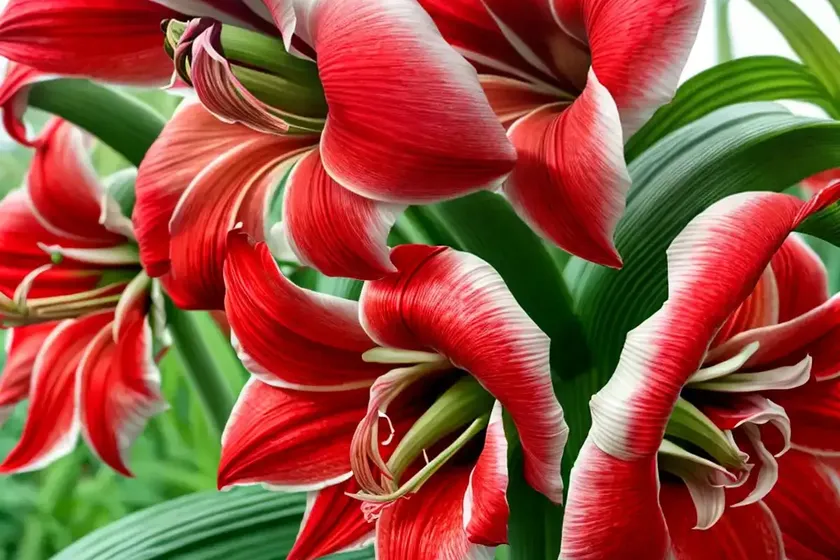
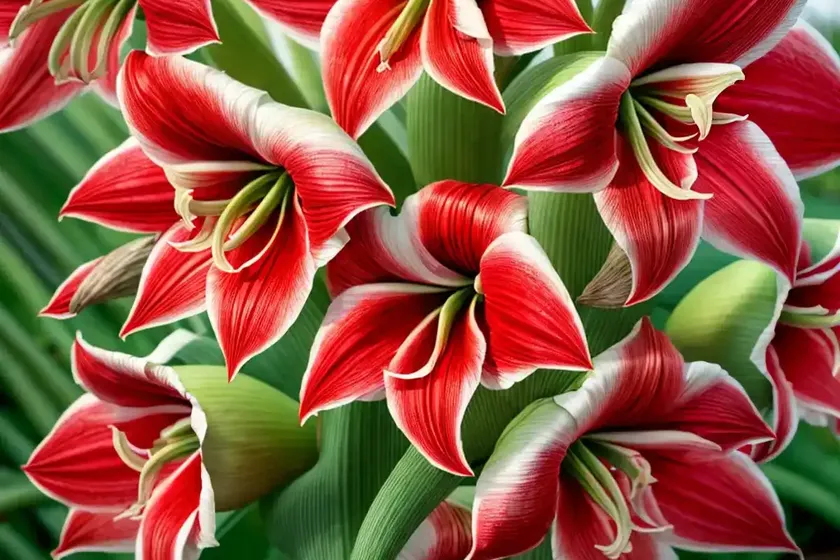
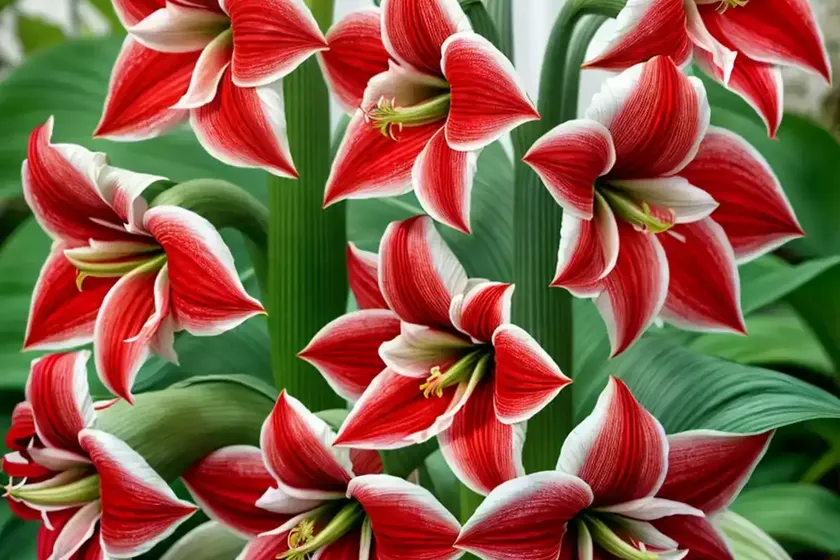
In the world of flowering plants, Amaryllis ‘Cherry Nymph’ (Hippeastrum) stands out for its vibrant and captivating blooms. Its beauty, coupled with its relatively low maintenance requirements, has made it a favorite among gardeners and plant enthusiasts worldwide. In this comprehensive guide, we will delve into the various aspects of caring for and nurturing this exquisite plant species.
What is Amaryllis ‘Cherry Nymph’ (Hippeastrum)?
Amaryllis ‘Cherry Nymph’, scientifically known as Hippeastrum, is a genus of flowering bulbs indigenous to South America, particularly in regions of Argentina and Brazil. It belongs to the family Amaryllidaceae and is renowned for producing large, showy flowers that come in a variety of colors and patterns. The plant typically features strap-shaped leaves and tall, erect stems that bear clusters of remarkably striking blooms.
Key Takeaways – Amaryllis ‘Cherry Nymph’ (Hippeastrum)
Before we delve into the specific care and maintenance guidelines for Amaryllis ‘Cherry Nymph’, let’s take a look at the key takeaways associated with this plant:
- Amaryllis ‘Cherry Nymph’ requires regular watering, especially during the growing season, but should be allowed to dry out between waterings.
- It thrives in bright, indirect sunlight and should be protected from intense midday sun.
- The plant benefits from a balanced fertilizer application during the active growing period.
- Well-draining, rich potting mix is essential for optimum growth and development.
- Pruning is minimal, mainly limited to the removal of spent blossoms and yellowing leaves.
- Amaryllis ‘Cherry Nymph’ can be propagated through offsets, seeds, or scaling.
Now that we have an overview of the key points, let’s explore each aspect of caring for Amaryllis ‘Cherry Nymph’ in detail.
Culture
The cultural requirements of Amaryllis ‘Cherry Nymph’ encompass several factors, including water, sunlight, fertilizer, soil, and pruning. Understanding and implementing the ideal cultural conditions are crucial for ensuring the plant’s health and vitality.
Water
Proper watering is essential for the well-being of Amaryllis ‘Cherry Nymph’. During the active growing period, which typically spans from spring to late summer or early fall, the plant requires regular watering. However, it is important to allow the soil to dry out slightly between watering sessions to prevent waterlogging and root rot. In contrast, once the plant enters its dormancy phase, usually in late fall or winter, watering should be significantly reduced to mimic its natural growth cycle. Throughout dormancy, the bulb should be kept in a cool, dry place and watered sparingly to prevent desiccation.
Sunlight
Amaryllis ‘Cherry Nymph’ thrives in bright, indirect sunlight. While the plant benefits from ample light exposure, it should be shielded from direct midday sun, especially during the hottest hours of the day. Placing the plant near a south, east, or west-facing window can provide the ideal light conditions for its growth and blooming.
Fertilizer
Feeding Amaryllis ‘Cherry Nymph’ with a balanced fertilizer is crucial for supporting its growth and promoting flowering. During the active growing season, a complete, water-soluble fertilizer with a balanced N-P-K ratio (nitrogen, phosphorus, and potassium) can be applied every two to four weeks. However, fertilization should be tapered off as the plant transitions into its dormancy period, ultimately ceasing once dormancy is fully established to prevent undue stress on the plant.
Soil
The choice of soil or growing medium significantly influences the health and performance of Amaryllis ‘Cherry Nymph’. The plant thrives in well-draining, nutrient-rich potting mix that allows excess moisture to escape readily. A blend of peat moss, perlite, and compost can create an optimal growing medium for Amaryllis ‘Cherry Nymph’, ensuring that its root system is adequately supported while preventing waterlogged conditions.
Pruning
Pruning requirements for Amaryllis ‘Cherry Nymph’ are relatively minimal. The primary focus of pruning involves removing spent blossoms and yellowing foliage to maintain the plant’s aesthetic appeal and encourage the emergence of new growth. Deadheading—removing the faded flowers—can also redirect the plant’s energy from seed production back into bulb development and future blooming.
Propagation
Amaryllis ‘Cherry Nymph’ can be propagated through various methods, including offsets, seeds, and scaling.
-
Offsets: Dividing the offsets or bulbils that develop around the parent bulb is a common method of propagation for Amaryllis ‘Cherry Nymph’. When the offsets have grown to a reasonable size, they can be carefully detached from the parent bulb and potted individually to establish new plants.
-
Seeds: Although Amaryllis ‘Cherry Nymph’ can produce seeds, this method of propagation is relatively time-consuming and is often reserved for breeding and hybridization purposes. Germinating Amaryllis seeds involves providing consistent warmth and moisture to encourage the development of new plants.
-
Scaling: Scaling involves carefully separating the scales or sections of the bulb to create new plants. This process demands meticulous handling and sterile conditions but can yield successful results when executed with precision.
Container Popularity
Amaryllis ‘Cherry Nymph’ is a popular choice for container gardening due to its ornamental value and relatively manageable size. Growing the plant in containers not only facilitates its care and maintenance but also allows for easy relocation or placement in indoor or outdoor settings as desired. With its striking blooms and adaptability to container growth, Amaryllis ‘Cherry Nymph’ makes an excellent addition to any container garden or indoor plant collection.
Container Common Diseases
While Amaryllis ‘Cherry Nymph’ is generally resilient to common plant diseases, specific issues like bulb rot, leaf blight, and fungal infections can pose a threat to its health under unfavorable growing conditions. Paying close attention to watering practices, maintaining adequate air circulation, and providing proper soil drainage can mitigate the risk of disease development in container-grown Amaryllis ‘Cherry Nymph’.
Disease Diagnosis
Diagnosing and addressing diseases in Amaryllis ‘Cherry Nymph’ involves closely monitoring its overall condition and promptly identifying any unusual symptoms or changes in its growth patterns. Common signs of disease in Amaryllis ‘Cherry Nymph’ include wilting, yellowing foliage, mold or fungal growth on the bulb or leaves, and overall stunted growth. In the event of disease suspicion, it is crucial to isolate the affected plant, adjust its growing conditions, and, if necessary, administer targeted treatments or fungicides to combat the specific disease.
Common Pests
Amaryllis ‘Cherry Nymph’ is susceptible to certain pests that can compromise its health and vigor. Pests such as aphids, thrips, and spider mites may infest the plant, causing damage to its foliage and blooms if left unchecked. Vigilant monitoring and proactive pest control measures are essential for preventing and managing infestations in Amaryllis ‘Cherry Nymph’.
Botanist’s Tips
To maintain the robustness and vitality of Amaryllis ‘Cherry Nymph’, consider the following tips from botanists and horticulture experts:
- Provide consistent care during the active growing season, ensuring adequate water and light exposure.
- Avoid overwatering, especially during dormancy, to prevent bulb rot and fungal diseases.
- Monitor the plant for signs of pests or diseases, intervening promptly to address any issues that arise.
- After the blooming period, transition the plant into a resting phase by gradually reducing watering and ceasing fertilization to allow for natural dormancy.
Fun Facts
Explore these intriguing and delightful facts about Amaryllis ‘Cherry Nymph’ (Hippeastrum) to deepen your understanding and appreciation of this captivating plant species:
- The name “Amaryllis” originates from a shepherdess in ancient Greek poetry, symbolizing pastoral beauty and loveliness.
- Amaryllis ‘Cherry Nymph’ bulbs can be stored and replanted for subsequent flowering seasons, making them a sustainable and enduring addition to any garden or indoor space.
- The Amaryllis plant has been hybridized extensively, resulting in a dazzling array of cultivars with diverse flower colors, patterns, and sizes.
- Amaryllis ‘Cherry Nymph’ is often associated with the holiday season and is frequently used as a festive, decorative element in homes and gardens during this time.
Links to External Resources
For further insights and information on cultivating and caring for Amaryllis ‘Cherry Nymph’ (Hippeastrum), consider exploring the following external resources:
- Planting Instructions for Amaryllis ‘Cherry Nymph’
- Hippeastrum ‘Cherry Nymph’ Flower Characteristics
- Amaryllis ‘Cherry Nymph’ Varieties
- Hippeastrum ‘Cherry Nymph’ Potting Tips
- Amaryllis ‘Cherry Nymph’ Indoor Gardening Tips
Conclusion
Amaryllis ‘Cherry Nymph’ (Hippeastrum) embodies a captivating blend of beauty and resilience, making it a valued addition to gardens, homes, and indoor spaces. By understanding and implementing the essential care guidelines discussed in this comprehensive guide, enthusiasts can cultivate and enjoy the vibrant blooms and enduring charm of Amaryllis ‘Cherry Nymph’ to the fullest. Whether as a container specimen, a garden accent, or a festive adornment, this remarkable plant species continues to captivate and inspire plant lovers around the world.
With its distinctive allure and versatile nature, Amaryllis ‘Cherry Nymph’ remains a beloved favorite in the realm of flowering plants, offering a delightful and rewarding cultivation experience for those who appreciate its enduring splendor.