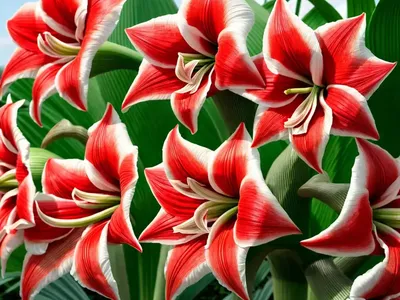
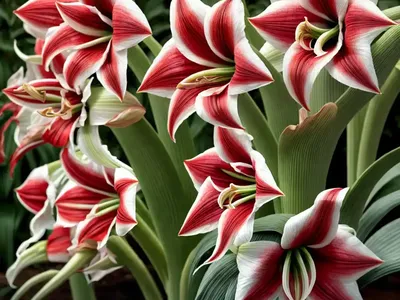
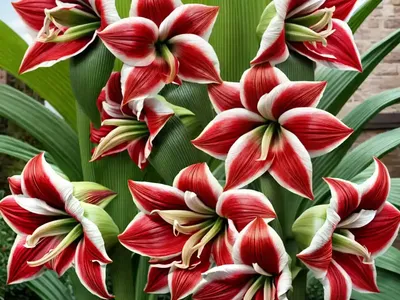
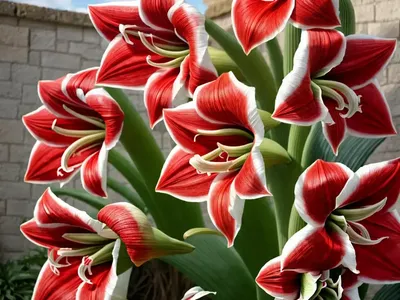
Amaryllis ‘Dancing Queen’ (Hippeastrum)
Key Takeaways – Amaryllis ‘Dancing Queen’ (Hippeastrum) Before delving deeper into the specifics of Amaryllis ‘Dancing Queen’ care, let’s highlight some.
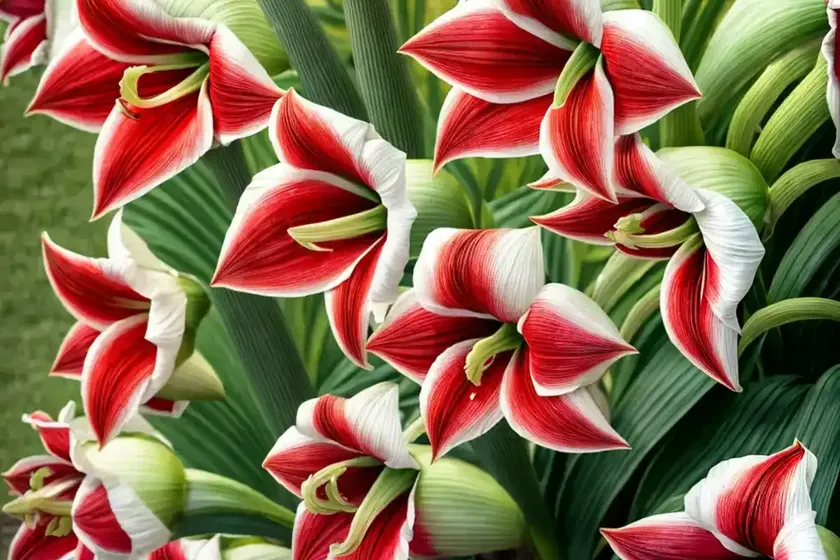
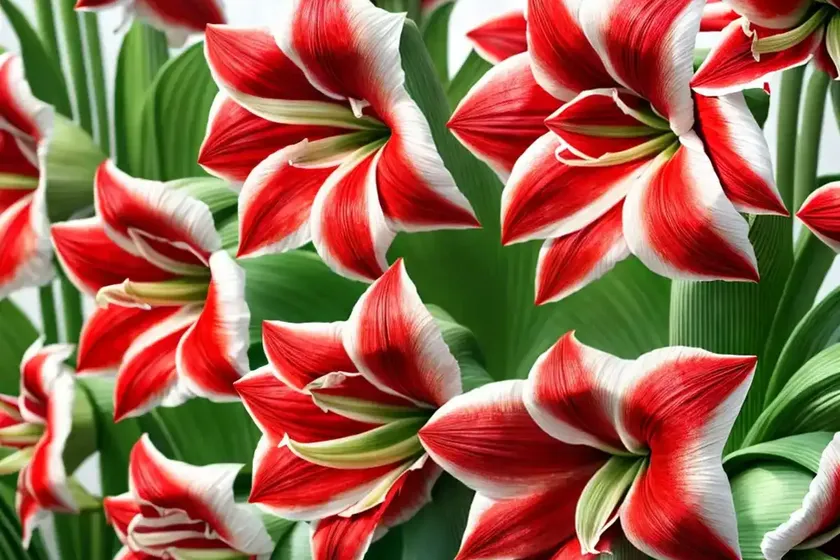
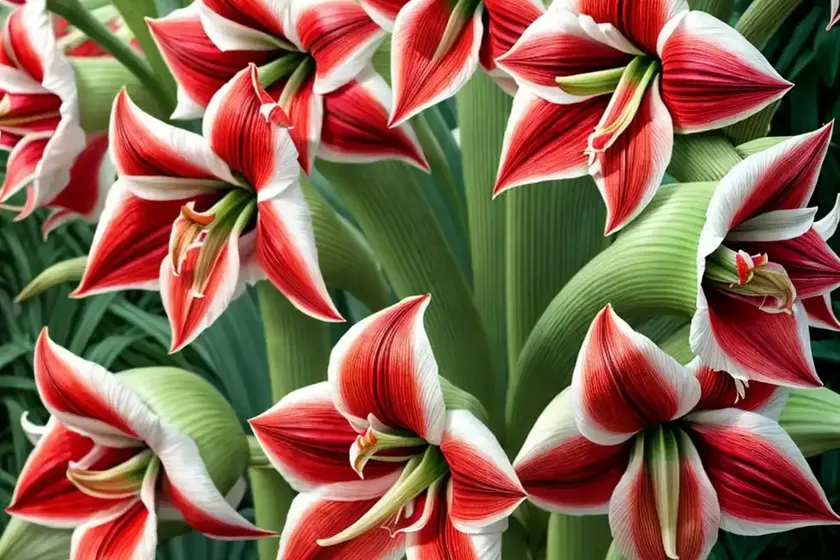
Key Takeaways – Amaryllis ‘Dancing Queen’ (Hippeastrum)
Before delving deeper into the specifics of Amaryllis ‘Dancing Queen’ care, let’s highlight some vital takeaways about this enchanting plant:
- Botanical Name: Hippeastrum ‘Dancing Queen’
- Plant Type: Bulbous flowering plant
- Flower Color: Varied shades of pink and white
- Blooming Period: Typically blooms in late winter or early spring
- Common Uses: Ornamental purposes, indoor decoration
- Growth Habit: Upright, rosette of strap-shaped leaves
- Special Feature: Striking, showy flowers; easy to grow and care for
Now, let’s delve into the specifics of nurturing and caring for this splendid plant.
Cultivation
Uses
The Amaryllis ‘Dancing Queen’ (Hippeastrum) is primarily cherished for its captivating, elegant blooms that are often used for decorative purposes. Whether adorning the interiors of homes, offices, or adding a dash of charm to outdoor gardens and landscapes, the Amaryllis ‘Dancing Queen’ is an esteemed choice for enthusiasts aiming to enhance the aesthetic appeal of their surroundings.
Water
Proper watering is crucial for the health and vibrancy of Amaryllis ‘Dancing Queen’ flowers. This plant thrives when the soil is kept moist but not waterlogged. During the growing season, it’s important to water the plant thoroughly, ensuring the excess water can drain away. Watering should be reduced once the flowering has ceased, allowing the bulb to enter a dormant period.
Sunlight
Adequate sunlight is essential for the healthy growth and blooming of Amaryllis ‘Dancing Queen’. Position the plant in a location that receives bright, indirect light, ensuring it is shielded from harsh, direct sunlight, which may cause leaf burn.
Fertilizer
To support the growth and blooming of Amaryllis ‘Dancing Queen’, regular fertilization is beneficial. During the growing period, apply a balanced, water-soluble fertilizer according to the manufacturer’s instructions. Once the flowering has ceased, decrease the frequency of fertilization to encourage the bulb to enter dormancy.
Soil
The Amaryllis ‘Dancing Queen’ thrives in well-draining, nutrient-rich soil. Consider a potting mix that is specifically formulated for bulbs or a well-draining general potting mix. It’s crucial to ensure that the soil doesn’t become waterlogged, as this may lead to root rot.
Pruning
Pruning of Amaryllis ‘Dancing Queen’ is minimal and is primarily focused on removing any spent flowers and withered leaves. After the blooming period has concluded, the flower stalk can be snipped off at the base. Similarly, any yellowing or dried leaves can be trimmed to maintain the plant’s aesthetic appeal.
Propagation
Propagating Amaryllis ‘Dancing Queen’ can be achieved through offsets or seeds. Offset propagation involves separating the bulbils that develop around the base of the parent bulb. These bulbils can be carefully removed and replanted to establish new Amaryllis ‘Dancing Queen’ plants. Seed propagation, on the other hand, involves sowing seeds and nurturing them until they develop into mature plants, a process that typically takes longer than offset propagation.
Container Popularity
Amaryllis ‘Dancing Queen’ is a popular choice for container gardening due to its manageable size and vibrant blooms. When potted, it adds a touch of elegance to any indoor space, making it a favored plant for those seeking to bring a burst of color indoors.
Common Diseases
While Amaryllis ‘Dancing Queen’ is relatively resilient, it can be susceptible to some common diseases. Addressing any signs of diseases promptly is crucial to safeguard the health of the plant.
Disease Diagnosis
Common diseases that may affect Amaryllis ‘Dancing Queen’ include:
- Leaf Scorch – Indicated by brown, withered leaf tips and edges, typically caused by excessive exposure to direct sunlight or inadequate humidity.
- Botrytis Blight – Characterized by brown spots on the leaves and flowers, often caused by excessively high humidity levels combined with poor air circulation.
Common Pests
Amaryllis ‘Dancing Queen’ is typically quite resistant to pests. However, certain pests may still pose a threat to its health and vitality.
Botanist’s Tips
Incorporate the following botanist-approved tips to ensure the optimal care and cultivation of Amaryllis ‘Dancing Queen’:
-
Regular Inspection: Routinely inspect the plant for any signs of pest infestation, diseases, or nutrient deficiencies. Timely intervention can prevent the escalation of issues.
-
Appropriate Watering: Avoid overwatering or allowing the soil to become waterlogged, as this may lead to root rot and other detrimental consequences.
-
Prudent Fertilization: Follow the recommended dilution and application instructions when fertilizing the plant to prevent over-fertilization, which can harm the plant.
-
Proper Pruning: Pruning spent flowers and withered leaves not only maintains the plant’s appearance but also reduces the risk of diseases and pests as decaying plant parts can harbor pathogens and pests.
Fun Facts
Delight in these intriguing and captivating facts about Amaryllis ‘Dancing Queen’ (Hippeastrum):
- The name “Amaryllis” is derived from the Greek word “amarysso,” which means “to sparkle.”
- While the Amaryllis is commonly associated with the colors red and white, its palette includes various shades of pink, salmon, and even near-black.
- Amaryllis flowers have been cultivated and cherished for centuries due to their exceptional beauty and distinct bulbous structure.
Links to External Resources
For further in-depth information and insights into Amaryllis ‘Dancing Queen’ care, cultivation, and maintenance, explore the following external resources:
- Royal Horticultural Society – Amaryllis Growing Guide
- University of Florida IFAS Extension – Hippeastrum Production Guide
In conclusion, the Amaryllis ‘Dancing Queen’ (Hippeastrum) stands as a testament to the natural allure and elegance of flowering plants. Its spectacular blooms, coupled with relatively undemanding care requirements, make it an enthralling addition to any plant lover’s collection. By applying the recommended cultivation practices and diligently monitoring its health, enthusiasts can experience the breathtaking beauty and grace of the Amaryllis ‘Dancing Queen’ throughout its blooming cycles, fostering a profound appreciation for the wonders of the plant kingdom.